


An Episcopal Priest Beautifully Explains the True Difference Between Patriotism and Nationalism
Have you ever noticed how two people can wave the exact same flag, yet stand for completely opposite ideals? One waves it as a promise to build a better future, while the other wields it as a weapon to demand blind obedience. The line separating these actions is often blurred in modern society, masked by loud anthems and grand parades.
Yet, distinguishing between genuine devotion to a homeland and toxic obsession is perhaps the most urgent spiritual challenge of the current era. Uncovering the hidden truth behind these two powerful forces will fundamentally change how you view community, neighbors, and the actual meaning of loyalty.
Honest Love Versus Toxic Possession
@joseph.yoo Nationalism vs. Patriotism #yourEpiscoPal #YourKoreanFather #nationalism #patriotism #LanguageLearning ♬ original sound – Joseph Yoo
Imagine holding a mirror up to the place you call home. What reflects back is a complex picture of triumph and tragedy, brilliance and brokenness. Look closely at that reflection. How you respond to the cracks in the glass reveals everything about your true allegiance.
According to Episcopal priest Joseph Yoo, the dividing line between patriotism and nationalism is not a blurry political boundary. It is a spiritual chasm. Yoo elegantly frames patriotism as an act of profound gratitude and honest love. It requires caring about a country deeply enough to tell the hard truth about it. True devotion celebrates the good while actively rolling up sleeves to fix what is broken. It builds up the foundation.
Nationalism operates from a place of toxic possession. It thrives on idolatry. It loudly declares that one nation is above critique, superior to all others, and beyond the reach of accountability. When a flag becomes an idol, blindness follows. Yoo describes this mindset perfectly, noting that it mirrors a household where blind loyalty is demanded. It dictates that the family is flawless, everyone else is worthless, and any dissenting voice must be cast out. One builds. One bullies.
Think about the relationships in your daily life. Genuine love is never afraid of growth. It demands accountability because it desires the best possible version of the beloved. Blind arrogance simply demands compliance at the expense of reality. To wave a banner while ignoring the cries of the marginalized is not loyalty. True patriotism recognizes that acknowledging a nation’s failures is the highest form of respect. It creates a feeling of shared responsibility. It asks you to stand in the gap, not to worship a symbol, but to love your neighbor and heal the divide.
The Power of Humility

George Orwell famously observed that nationalism is inseparable from the desire for power, fueled by self-deception. It creates a dangerous illusion of supremacy. This mindset demands that people ignore historical missteps to maintain a flawless image. It builds walls, both literal and metaphorical, rooted in the fear that acknowledging a flaw will shatter the entire foundation.
When a society operates from this place of fear, it stops growing. It becomes an echo chamber where only praise is permitted. Any call for justice or equality is quickly branded as an attack on the nation itself. This is the tragic flaw of the nationalist worldview. It equates criticism with betrayal.
Patriotism thrives on humility. It does not require a myth of perfection to justify its existence. A true patriot looks at the darkest chapters of history with clear eyes, refusing to sweep atrocities under the rug. Learning from past mistakes is the only way to prevent repeating them.
Consider how a strong structure is built. A builder does not ignore a crack in the foundation; they inspect it, understand why it happened, and reinforce it. True devotion acts the exact same way. It requires listening to the communities that have suffered from systemic failures. It demands real action to rectify those wrongs.
Supremacy isolates a nation, but humility connects it to the rest of humanity. Recognizing that other nations have value, wisdom, and beauty does not diminish a country’s worth. It enriches the world. Choosing a hard truth over a comforting lie is the ultimate act of loyalty.
Exclusion Fractures, Inclusion Strengthens

Look at who is welcomed and who is turned away. This is the ultimate test of a society’s heart. Nationalism thrives on creating out-groups. It demands rigid conformity, insisting that true citizens must look a certain way, pray a certain way, or share a specific background. Anyone falling outside those narrow lines is deemed a threat. This mindset weaponizes fear to maintain control.
History provides countless examples of this dangerous path. When leaders use rhetoric that dehumanizes minorities, immigrants, or dissidents, they are not protecting a country. They are fracturing it. This exclusionary tactic breeds paranoia. It convinces everyday people that their neighbors are enemies.
Patriotism, conversely, expands the definition of belonging. It finds strength in a multitude of voices and experiences. A true lover of their country recognizes that diversity is not a weakness to be managed, but a profound asset. It embraces the reality that a nation is only as strong as its most vulnerable members.
Reverend Martin Luther King Jr. often spoke of the “Beloved Community,” a society based on justice, equal opportunity, and love for fellow human beings. This vision perfectly encapsulates the patriotic ideal. It requires advocating for the rights of those who look different or hold entirely different beliefs. True devotion means fighting for a home where every person is granted equal dignity. It is the brave choice to build bridges in a world obsessed with borders.
Dissent as the Highest Form of Loyalty
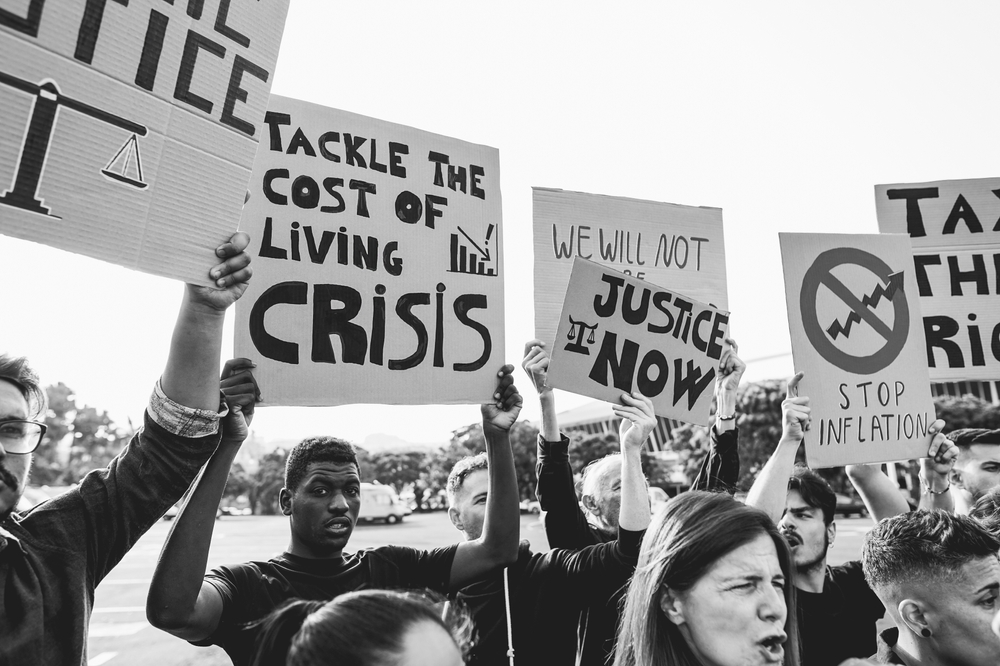
Listen to how a society responds to the word “no.” The reaction reveals its true character. Nationalism demands silence. It insists that questioning authority is an act of treason. In this rigid system, obedience is prized above morality. The citizen is expected to nod along, wave the flag, and never ask why. This creates a dangerous compliance where unjust laws and corrupt systems go unchecked.
Patriotism embraces dissent. It understands that a healthy society needs voices willing to challenge the status quo. Writer and activist James Baldwin perfectly captured this dynamic. He famously stated that because he loved his country more than any other, he insisted on the right to criticize it perpetually. That is the essence of true devotion.
Speaking out against injustice is not a sign of hatred. It is the ultimate proof of care. Think about a compass. If the needle drifts off true north, ignoring it will only lead to getting lost. Dissent is the act of recalibrating the compass. It requires the courage to stand up and say that the current path is wrong.
Those who march in the streets, demand better legislation, and hold leaders accountable are doing the heavy lifting of democracy. They are not enemies of the state. They are its caretakers. Nationalism wants you asleep and agreeable. Patriotism asks you to wake up, look around, and do the hard work of steering the ship back on course.
The Choice to Build

The world presents a choice every single day. A choice between holding tightly to a manufactured image of perfection or doing the gritty, beautiful work of actual progress. Nationalism offers a cheap substitute for belonging, built on fear and superiority. Patriotism offers the hard, rewarding path of accountability and shared humanity.
Look around the community. Listen to the conversations happening in everyday life. Are those interactions driven by a desire to dominate or a desire to uplift? True loyalty is measured not by how loudly a song is sung, but by how quickly a hand is extended to someone in need. It is found in the quiet moments of choosing empathy over apathy.
Step into the gap. Drop the idols of toxic possession and pick up the tools of genuine connection. Challenge the systems that divide and champion the efforts that heal. Loving a nation is an action verb. It requires rolling up sleeves and building a table where everyone has a seat. It is time to get to work.
Featured Image Source: Shutterstock