


People Agree On The Worst Physical Pain They’ve Ever Experienced And It Isn’t What You’d Expect
For years, people have argued over what truly counts as the worst physical pain a human being can endure, often treating the question as if there is a single correct answer that applies to everyone. These conversations are shaped by cultural expectations, personal bias, and the stories people hear most often, rather than by the full range of lived experiences. Pain is frequently ranked, compared, and debated as though it were a measurable contest, even though medical professionals have long acknowledged that pain is deeply subjective and influenced by countless factors beyond the injury itself.
That is why a recent social media discussion struck such a powerful chord with readers. What began as a straightforward question on Reddit quickly spiraled into an outpouring of raw, emotional, and often shocking personal accounts. Thousands of people described injuries, surgeries, and medical emergencies they had survived, only to arrive at the same unexpected conclusion. According to many involved in the discussion, the most excruciating physical pain they had ever experienced was not a catastrophic accident or life threatening illness, but a common medical procedure that many women are told is routine, brief, and only mildly uncomfortable.
The answers people expect when pain is discussed
Whenever the topic of extreme physical pain comes up, the same answers tend to dominate the conversation almost immediately. For men, it is often a severe kick to the groin, described as an instant and unforgettable shock to the system. For women, childbirth is frequently positioned as the ultimate benchmark of pain, framed as the most intense and demanding experience the body can withstand.
These responses are repeated so often that they become accepted truths rather than open discussions. Pain is simplified into a handful of dramatic examples, leaving little room for experiences that do not fit the traditional narrative. This framing can make people feel as though their suffering is less valid if it does not match the commonly accepted extremes.
Medical research has consistently shown that pain perception varies dramatically from person to person. Factors such as nerve sensitivity, anxiety, previous trauma, hormonal differences, and even how well someone is prepared for a procedure can significantly alter how pain is experienced and remembered. Despite this, many people are still genuinely shocked when a short outpatient medical procedure is described as more painful than major injuries or surgeries.
Kidney stones and their reputation for unbearable pain
In more recent years, kidney stones have gained a reputation as one of the most painful physical experiences a person can go through. Studies and patient reports often compare kidney stone pain to labor contractions, describing it as sharp, relentless, and impossible to ignore once it begins.
Emergency rooms frequently see patients pacing, vomiting, or unable to sit or lie down because of kidney stone pain. These visible and dramatic symptoms have helped cement kidney stones as a benchmark for extreme suffering in the public imagination.
However, even kidney stones were pushed aside in the Reddit discussion that sparked widespread attention. Many women argued that while kidney stones are undeniably brutal, there is another experience that surpassed them entirely in terms of intensity, shock, and lack of preparation, making it far more traumatic than they had ever anticipated.
The procedure that sparked widespread outrage
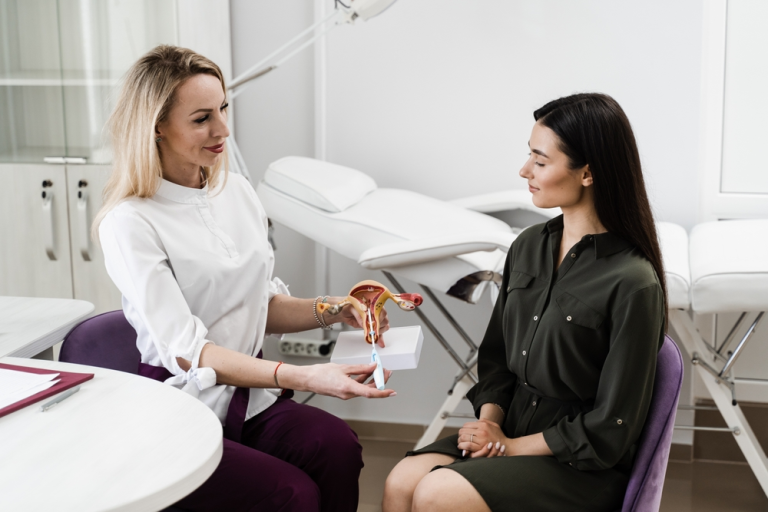
At the center of the viral debate was the insertion of an intrauterine device, commonly known as an IUD. IUDs are a widely recommended form of long term contraception and are often praised for being highly effective and convenient. Appointments are typically described as quick, with minimal recovery time and little need for serious pain management.
For many women, the reality was far removed from those expectations. In the Reddit thread, users described pain that was sudden, overwhelming, and far more intense than anything they had been warned about beforehand. Several said they were reassured with phrases like “just a pinch,” only to experience pain they ranked as the worst of their lives.
What fueled much of the anger was not only the pain itself, but the feeling of being unprepared and dismissed. Many women said they would have requested stronger pain relief or different options had they been properly informed, but instead felt their concerns were minimized.
Personal accounts that left readers stunned
One of the most widely shared comments came from a woman who detailed an extensive history of serious injuries and medical trauma before reaching her conclusion. She wrote: “I’ll preface this by saying that I’ve broken my femur, arm, and hand. I’ve broken a molar in half. I sliced my eyeball. I suffered a third degree burn on my hand. I’ve had two reconstructive surgeries on my shoulder. I had 3 holes drilled in my skull and underwent brain surgery.
“My most painful experience was getting an IUD inserted.”
Another user echoed the sentiment while comparing it directly to childbirth and severe orthopedic trauma. She wrote: “Yes! I’ve broken my ankle to the point only tendons were holding it together, 2 Csections one after hours and hours of labouring, but that IUD is the worst! At one point he was twisting it to get better placement, I thought I was going to barf.”
A third commenter described an experience that shocked many readers with its intensity and aftermath. She wrote: “Same for me. They didn’t give me any warning either, ‘just a pinch’ they said. Yeah, a pinch so bad I kicked the doctor in the face to get her to stop, threw up, and blacked out. I had to drive myself home afterwards, pulling over every couple of minutes to puke from the pain. That went on for days.”
Growing frustration with how women’s pain is treated
As the thread continued to grow, the conversation shifted beyond individual stories and toward broader systemic concerns. Many women described what they saw as a long standing pattern of their pain being minimized, dismissed, or treated as an inconvenience in medical settings.
One commenter captured this frustration by writing: “They’ve known for decades many women are under medicated when getting an IUD, and their complaints of pain are often dismissed. If you’re obese, or a smokier, or a minority, or whatever the trigger may be, you’ll tend to be treated even worse.
“This is why I constantly compliment and write thank-you notes to my good providers – mostly for treating me like a human and listening to my needs.”
These remarks resonated with readers who said they had experienced similar treatment during other procedures. Many argued that the issue extends far beyond IUDs and reflects deeper problems in how women’s pain is perceived and addressed.

Not every experience was the same
Despite the overwhelming number of painful accounts, some women were careful to point out that their own IUD insertions were manageable or relatively painless. These commenters stressed that pain responses vary widely and that many people benefit from IUDs without severe discomfort.
This contrast highlighted a central issue for many readers. The problem, they argued, is not that IUDs are universally unbearable, but that the full range of possible experiences is not clearly communicated beforehand.
Several women said they felt conflicted. They valued the effectiveness and convenience of the contraception, but wished they had been given more honest information and greater control over pain management decisions.

Calls for better transparency and patient care
As the discussion spread across social media, many users began calling for changes in how IUD insertions are handled. A recurring theme was the need for clearer communication, stronger pain management options, and greater respect for patient concerns.
Commenters argued that patients should be offered realistic explanations of what the procedure might feel like, as well as access to pain relief beyond basic over the counter medication. Others suggested that local anesthesia or sedation should be more readily available when requested.
Stories of compassionate healthcare providers who listened and adjusted care accordingly were praised throughout the thread. These examples stood in contrast to accounts of rushed appointments and dismissed concerns.

Why this story resonated so widely
The viral response to this discussion highlights how deeply people care about being heard and believed when it comes to pain. For many women, reading these stories was validating, offering reassurance that their experiences were not exaggerated or imagined.
For others, the thread served as an education. Many readers admitted they had no idea that a routine medical procedure could be so traumatic for some patients, or that pain during such procedures was so often downplayed.
At its core, the conversation has become about informed consent, empathy, and trust. As these stories continue to circulate, many hope they will encourage more honest conversations and better care for patients facing similar procedures.