

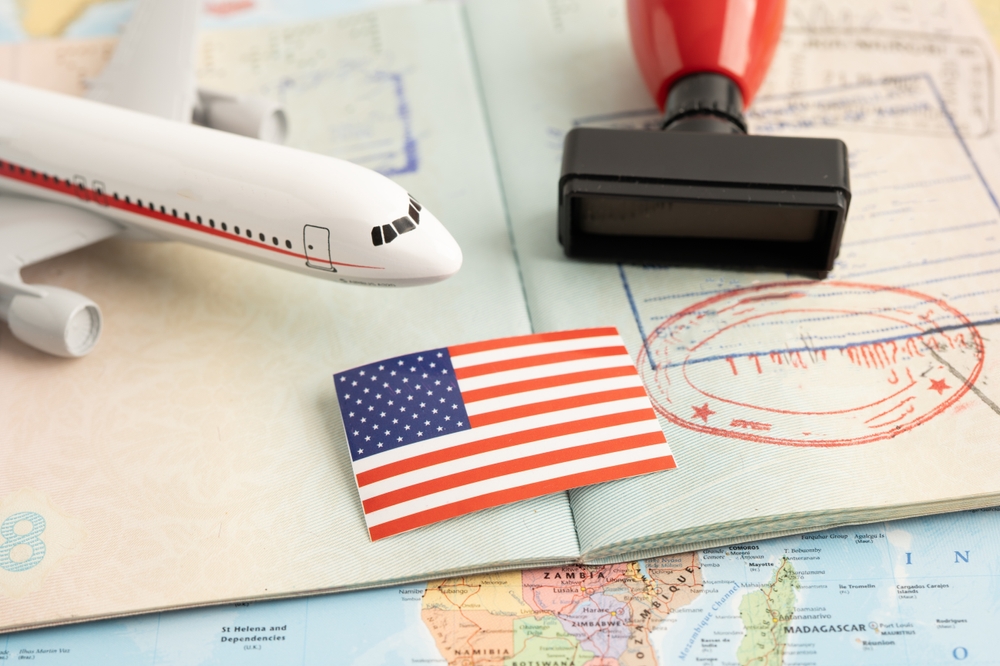
People Are Only Just Realising What The New US Airport “DNA Law” Allows
The end of year travel rush is now fully underway across the United States, and for millions of international travellers arriving during one of the busiest periods on the global calendar, a major change at US airports is quietly reshaping the border experience. A strict new biometric data collection policy has officially come into effect, expanding the scope of information that government officials can legally collect from people entering or exiting the country. Although the policy was first announced publicly in November, its activation on 26 December has pushed it into the spotlight, particularly as long queues, heightened security, and unfamiliar procedures collide during peak holiday travel.
Often described online as a new “DNA law”, the policy has sparked confusion and concern among travellers who are only now discovering what it means in practice. While DNA is not automatically collected from everyone passing through a US airport, the law significantly broadens what biometric data authorities can request, how long that data can be retained, and who is subject to these rules. For many non citizens, this change raises serious questions about privacy, consent, and what personal information governments can permanently tie to a single international trip.

Image Credit: Shutterstock
What the new biometric law actually allows
At the core of the policy is an expansion of authority granted to US border officials to collect biometric data from non citizens. Under the new rules, non citizens entering or exiting the United States are required to submit to facial recognition photographs at airports. These images are used to verify identities by matching travellers against existing government records and databases, forming part of a broader biometric identity management system that has been gradually expanding for years.

Image Credit: Shutterstock
According to official documents, these facial recognition records can be stored for up to 75 years. In certain situations, Department of Homeland Security officials may also request additional biometric information, including fingerprints or DNA. The US government has stated that these measures are designed to “deter the filing of frivolous claims and provide operational consistency”, presenting the policy as a tool to improve efficiency and security rather than an expansion of surveillance powers.
While biometric screening at US borders is not entirely new, critics argue that the scale of the data now being collected, combined with the length of time it can be stored, represents a major shift. Privacy advocates warn that long term retention of highly sensitive data creates risks not only for individual travellers, but also for future misuse, data breaches, or policy changes under future administrations.
Who is affected and who is not
One of the most important aspects of the new policy is the distinction it draws between US citizens and non citizens. US citizens are not required to participate in the biometric programme, although they are allowed to opt in voluntarily when entering or leaving the country. When US citizens do participate, facial recognition photographs must be discarded within 12 hours, significantly limiting long term storage.
Non citizens, however, are subject to mandatory facial recognition screening as part of the entry and exit process. Their biometric data may be retained for decades, depending on how it is categorised within government systems. Travellers who do not wish to participate in facial recognition must inform a Customs and Border Protection officer or airline representative and will be directed toward a manual passport inspection instead.
Officials have emphasised that opting out of facial recognition will not result in denial of entry, but they have acknowledged that it may slow down processing times. During peak travel periods such as late December, this could mean longer queues, additional questioning, and increased stress for travellers already navigating busy airports.

Image Credit: Shutterstock
Age exemptions quietly removed
One of the most controversial changes introduced under the new law is the removal of age based exemptions. Previously, non citizen travellers under the age of 14 and over the age of 79 were exempt from certain biometric requirements, including facial recognition.
Under the updated rules, any non citizen of any age can now be subjected to biometric data collection. This means children, including infants and young minors, may have facial recognition data collected when travelling through US airports. Families travelling with children have expressed concern about how consent is handled and whether parents fully understand what data is being collected on behalf of their children.
Civil liberties groups have criticised the removal of age limits, arguing that applying biometric surveillance universally crosses an ethical boundary. They warn that children whose biometric data is collected today could have records stored and referenced for decades, long before they are old enough to understand or challenge how that information is used.

Image Credit: Shutterstock
DNA collection and why it is causing confusion
Despite widespread headlines and social media reactions, DNA collection is not a routine requirement for all travellers. However, the new policy explicitly allows government officials to request DNA in certain cases, which has contributed to widespread concern and misunderstanding about how the law operates.
The United States has been collecting biometric data from non citizens since 2004, including fingerprints, but critics argue that the lack of clear public guidance around DNA collection creates uncertainty. Travellers are often unsure what circumstances could lead to such a request, whether refusal is possible, and how compliance or non compliance could affect their ability to enter the country.
Supporters of the policy maintain that DNA collection is rare and targeted, rather than a standard procedure. Even so, many experts argue that without clear communication and transparency, even limited powers can feel invasive to travellers encountering them unexpectedly at an airport checkpoint.
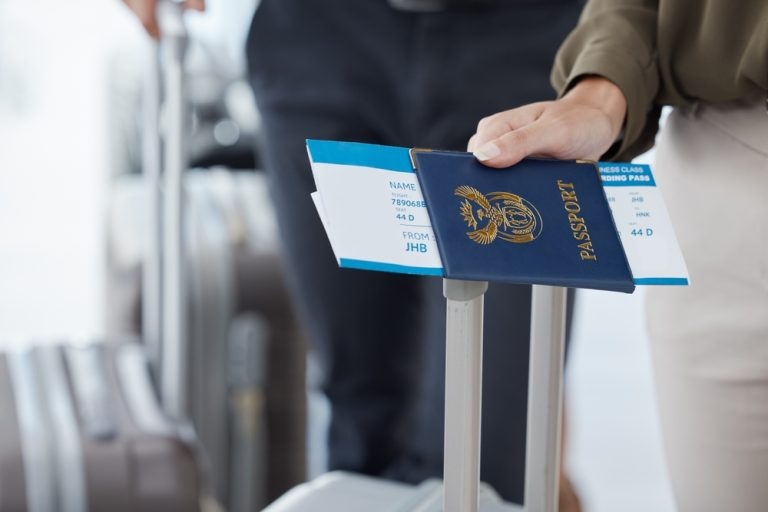
Image Credit: Shutterstock
New fees and penalties travellers should know about
Alongside biometric screening changes, the policy introduces new financial obligations for certain visitors. Travellers planning to stay in the United States for more than 29 days may be required to pay a $30 fee as part of the updated entry process.
Failure to comply with fingerprint requirements or refusal to pay the required fee can carry serious consequences. According to the rules, travellers who do not comply could face fines of up to $5,000. Officials say these penalties are intended to enforce compliance and ensure consistency in how border rules are applied.
For travellers unaware of the changes, the financial risks add another layer of pressure to international travel. Experts recommend that visitors familiarise themselves with entry requirements in advance to avoid unexpected fines, delays, or complications at the border.
Why the law is being enforced now
The timing of the policy’s enforcement has drawn particular attention due to its rollout during one of the busiest travel seasons of the year. Late December and early January consistently see a surge in international arrivals, placing significant strain on airport infrastructure and border control systems.
US officials argue that expanded biometric screening helps streamline identity verification and reduces reliance on manual passport checks. They say these systems are necessary to manage rising traveller numbers while maintaining border security standards during high traffic periods.
Critics, however, argue that implementing major policy changes during peak travel increases confusion and reduces public understanding. They believe clearer communication and a phased rollout could have helped travellers better prepare for what they would encounter at US airports.

Image Credit: Shutterstock
What travellers should take away
For anyone travelling to the United States in the coming weeks, awareness is essential. Understanding when biometric data collection is mandatory, when opt out options exist, and what penalties may apply can make the entry process smoother and less stressful.
While the new “DNA law” may not affect every traveller in the same way, it signals a clear shift toward deeper biometric monitoring at US borders. As international travel continues to evolve, the policy raises a lasting question for travellers worldwide about how much personal data is now an unavoidable part of crossing a border.
Featured Image Credit: Shutterstock