

When reindeer herders on a remote Siberian island stumbled upon a frozen bear emerging from the ground, they had no idea they were about to ignite global fascination. The animal looked as though it had fallen asleep only days earlier. Its fur was intact. Its nose, teeth, claws, and even internal organs were still present. In a region known for yielding mammoths and other Ice Age giants, this discovery still stood apart.
At first, scientists believed they were looking at something extraordinary even by Siberian standards. The bear appeared to be an extinct cave bear, a massive species that vanished thousands of years ago during the last Ice Age. Images of the find spread quickly, with headlines proclaiming the return of a creature last seen when humans were still painting on cave walls.
But as the months passed and careful scientific work replaced initial excitement, the story of the bear took a surprising turn. The truth turned out to be no less fascinating, and in some ways even more revealing about how climate, time, and frozen landscapes can preserve history in unexpected ways.
A Discovery Frozen in Time
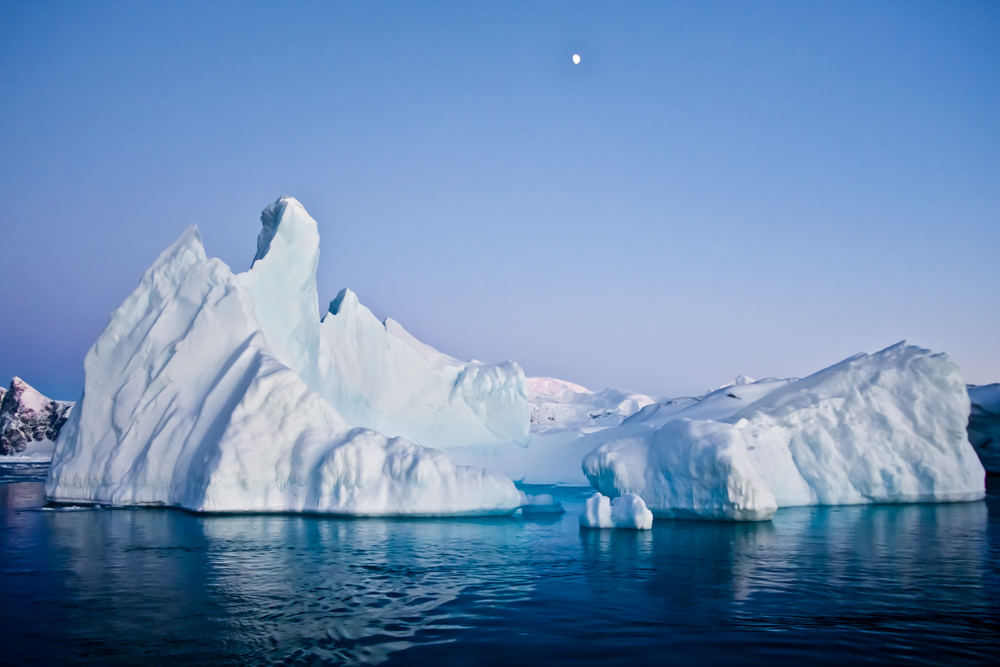
The bear was discovered in 2020 on Bolshoy Lyakhovsky Island, one of the Lyakhovsky Islands in the East Siberian Sea. The islands sit far above the Arctic Circle and are famous among scientists and ivory hunters alike for what lies beneath their thawing soil. As permafrost melts, it reveals bones, tusks, and occasionally entire animals that have remained locked in ice for thousands of years.
Reindeer herders were the first to spot the carcass. Unlike the scattered bones that often surface, this animal was whole. Its body had been naturally mummified by the cold, oxygen-poor conditions of the permafrost. Skin, fur, body fat, and organs were still in place, making it one of the most complete bear specimens ever found.
The find was quickly reported to researchers at North-Eastern Federal University in Yakutsk, Russia. Scientists there recognized immediately that this was something rare. Complete animal carcasses with soft tissue are exceptionally uncommon, even in permafrost regions. Most Ice Age discoveries consist of skeletons rather than intact bodies.
Why Scientists First Thought It Was a Cave Bear
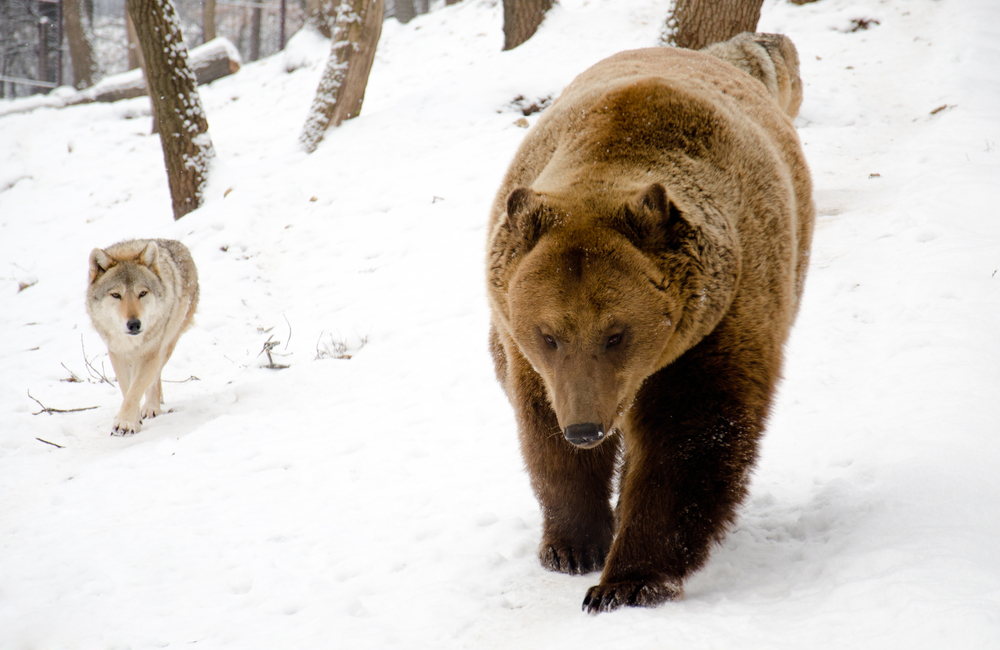
When researchers first examined the bear, they believed it belonged to Ursus spelaeus, the extinct cave bear species that roamed Europe and Asia during the Ice Age. Cave bears were enormous animals. When standing upright, they could reach over eleven feet tall, and the largest males weighed more than a ton.
Cave bears disappeared roughly 15,000 to 22,000 years ago, toward the end of the last glacial period. Because of this, scientists initially assumed the newly discovered bear must be at least that old. The preservation quality seemed to support that conclusion. The idea of a fully intact cave bear was unprecedented, since previously only bones and partial remains had been found.
Early statements described the bear as a once-in-a-lifetime discovery. Researchers emphasized that no complete cave bear carcass with soft tissue had ever been documented before. The possibility of studying the organs, muscles, and even the microbiome of an extinct Ice Age giant captured the imagination of both scientists and the public.
A Closer Look Reveals a Different Story
As the excitement settled, scientists began more detailed analyses. Radiocarbon dating and genetic testing were carried out to determine the bear’s true age and species. The results challenged the original assumptions.
The bear was not an Ice Age cave bear at all. Instead, it was identified as a brown bear, Ursus arctos, a species that still exists today across parts of Europe, Asia, and North America. Even more surprising was its age. Rather than being tens of thousands of years old, the bear lived approximately 3,460 years ago.
This revelation shifted the narrative dramatically. The animal came not from the Ice Age but from the late Bronze Age, a time when human civilizations were already established in many parts of the world. While still ancient, the bear was far younger than originally believed.
Researchers named the animal the Etherican bear, after the nearby Bolshoy Etherican River. Though it lost its status as an Ice Age relic, it gained new importance as one of the most well-preserved brown bears ever discovered.
Inside the Body of the Etherican Bear
In late 2022 and early 2023, scientists conducted a full necropsy, or animal autopsy, on the bear. This process allowed researchers to examine its internal organs, tissues, and bones in detail. Few scientists ever get the chance to study a prehistoric animal in such a complete state.
The bear was identified as a young female, likely between two and three years old when it died. She stood just over five feet tall and weighed around 172 pounds. Compared to the massive cave bears once imagined, she was relatively small, closer in size to a modern brown bear.
One of the most remarkable findings came from her stomach. The contents were partially preserved, revealing remnants of plants and bird feathers. This offered a direct glimpse into her last meal and confirmed what is known about brown bears being omnivores with highly flexible diets.
Scientists also removed the bear’s brain after carefully opening the skull. The brain tissue, still preserved by the permafrost, may provide valuable insights into ancient bear biology, diseases, and even evolutionary differences compared to modern populations.
Signs of Injury and Unanswered Questions
Despite the wealth of information uncovered, some mysteries remain unsolved. The necropsy revealed significant spinal injuries, which researchers believe likely contributed to the bear’s death. However, how those injuries occurred is still unknown.
The bear could have fallen, been injured while hunting, or been hurt during a confrontation with another animal. There is no clear evidence of human involvement, and no signs that the bear was hunted or butchered.
Another major question concerns how the bear ended up on Bolshoy Lyakhovsky Island in the first place. Today, the island is separated from mainland Siberia by roughly 30 miles of open water. Brown bears are capable swimmers, but such a journey would be extreme.
Scientists suspect the bear may have crossed over ice during a colder period when sea levels were lower and land connections existed. Alternatively, the island may have once been connected to the mainland. What puzzles researchers is the lack of other brown bear remains on the island, which is otherwise rich in fossils.
The Role of Melting Permafrost
The discovery of the Etherican bear is part of a growing pattern across the Arctic. As global temperatures rise, permafrost that has remained frozen for tens of thousands of years is beginning to thaw. This process is exposing ancient animals, plants, and even human artifacts.
In recent years, scientists have uncovered remarkably preserved remains including a 40,000-year-old wolf head with fur and brain tissue, cave lion cubs with whiskers intact, and entire woolly mammoths. Each discovery offers a rare snapshot of ancient ecosystems.
However, melting permafrost also presents challenges. Once exposed, these remains begin to decay rapidly. Researchers often race against time to excavate and preserve them before they deteriorate.
There are also concerns about ancient pathogens being released as frozen ground thaws. While the risks are still being studied, scientists agree that the changing Arctic landscape is opening both scientific opportunities and new uncertainties.
Why This Bear Still Matters
Although the Etherican bear is not an Ice Age giant, its preservation is still extraordinary. Complete brown bear carcasses with soft tissue are almost unheard of in the fossil record. This find allows scientists to study ancient bear biology in ways previously thought impossible.
Researchers can analyze cells, microbes, and viruses that lived within the bear. This information may help scientists understand how diseases evolved and how animals adapted to past climates. It can also offer insights into how modern bears might respond to ongoing environmental changes.
The bear also serves as a reminder of how easily assumptions can be overturned in science. Initial appearances suggested one story, but careful analysis revealed another. Rather than diminishing the discovery, this process highlighted the importance of patience and evidence in scientific work.
Cave Bears, Brown Bears, and Public Fascination
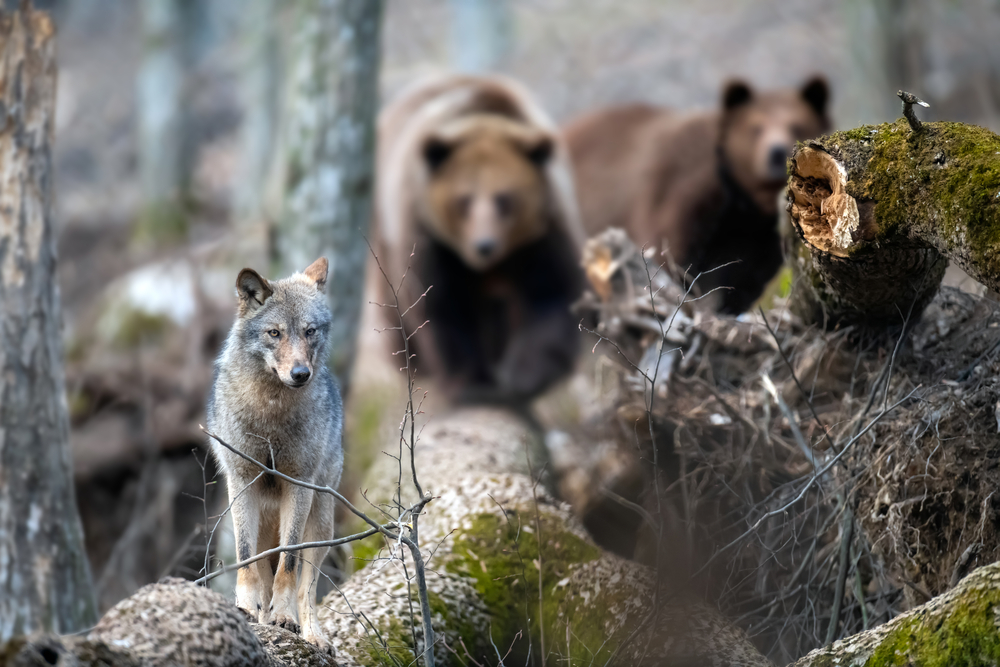
Part of what made the story go viral was the idea of a cave bear returning to the modern world. Cave bears occupied a powerful place in human imagination. They lived alongside early humans and competed for shelter in caves. Their size and strength made them both respected and feared.
Even though the Etherican bear turned out not to be a cave bear, interest has not faded. The public response shows how deeply people are drawn to tangible connections with the distant past, especially when those connections emerge unexpectedly from the earth.
The story also sparked renewed interest in other cave bear finds across Siberia, including preserved cubs discovered in nearby regions. Together, these discoveries are gradually reshaping our understanding of ancient Arctic life.
What the Etherican Bear Teaches Us
Beyond its scientific value, the bear offers a broader lesson about time and change. The permafrost preserved her body for thousands of years, protecting it from decay. Yet that same permafrost is now melting, revealing the past while signaling profound changes in the present.
The bear lived in a world colder than today’s, yet not as distant as the Ice Age once imagined. Her existence bridges the gap between ancient and modern ecosystems, reminding us that history is layered rather than neatly divided.
As scientists continue to study her remains, the Etherican bear may answer new questions while raising others. Each analysis adds another piece to the puzzle of how life adapts, survives, and sometimes becomes frozen in time.
A Frozen Messenger From Another Age
The image of a bear emerging from the Siberian permafrost, fur intact and organs preserved, is undeniably striking. It feels almost unreal, like a moment where the past reaches into the present.
While the initial Ice Age narrative proved incorrect, the true story is no less compelling. A young brown bear, living more than three millennia ago, now offers modern science an unprecedented window into ancient life.
As climate change continues to reshape the Arctic, more discoveries like this are likely to follow. Each one will carry its own surprises, reminding us that the ground beneath our feet still holds countless stories waiting to be told.