

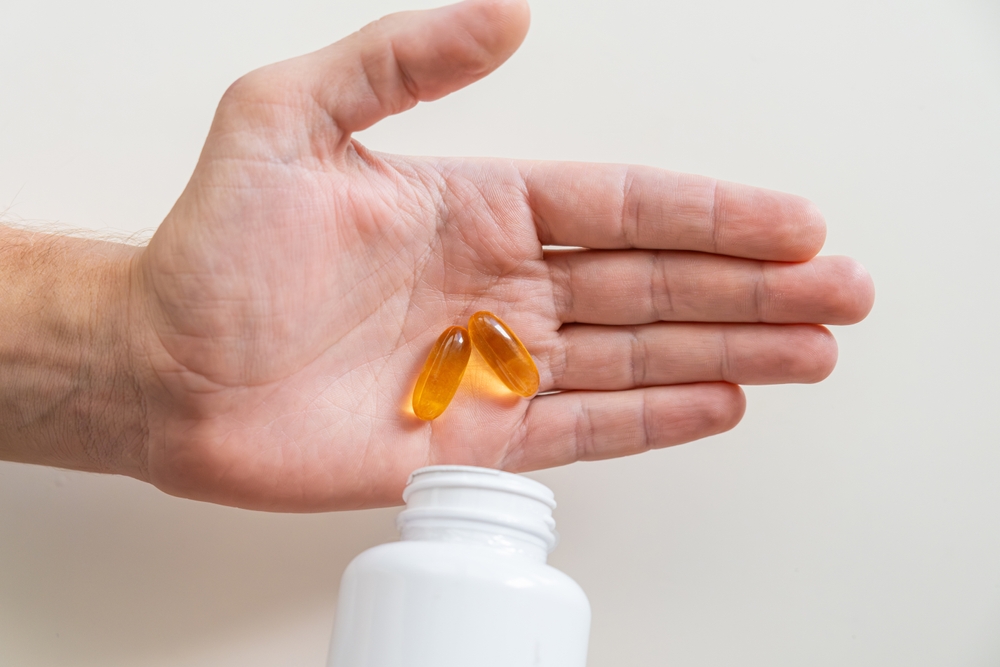
For years, vitamin D has been widely known as the “sunshine vitamin,” praised for helping maintain strong bones and supporting immune health. Now, new research suggests it may play a much deeper role inside the body, potentially influencing how quickly we age at the cellular level. Scientists studying older adults have found that daily vitamin D supplementation may slow the shortening of telomeres, the protective caps at the ends of our chromosomes that are closely tied to aging and disease risk. The findings have sparked excitement because they point to a simple and affordable nutrient that could support healthier aging.
At the same time, researchers are urging caution. While the results are promising, vitamin D is not being described as a miracle cure or a guaranteed path to longevity. Experts emphasize that healthy aging still depends heavily on lifestyle choices such as diet, exercise, sleep, and stress management. What this new evidence offers is a compelling glimpse into how one common vitamin may help preserve the integrity of our DNA, potentially adding years not just to life, but to healthy life.

Image Via Shutterstock
Why Telomeres Matter in the Aging Process
To understand why this study has generated so much attention, it helps to first understand telomeres. Telomeres are protective DNA caps located at the ends of each of our 46 chromosomes. They function much like the plastic tips on shoelaces, preventing chromosomes from fraying or sticking to each other during cell division. Every time a cell divides, telomeres become slightly shorter. Over time, as these caps wear down, cells lose their ability to divide properly and may enter a state of dysfunction or die.
This shortening process is a normal part of aging, but accelerated telomere loss has been linked to many serious age related diseases. Research has associated shorter telomeres with cancer, heart disease, type II diabetes, osteoarthritis, and vascular dementia. Because of this connection, scientists increasingly view telomere length as a marker of biological aging rather than simply counting the number of birthdays someone has had.
Several factors can speed up telomere shortening. Smoking increases oxidative stress, which damages DNA. Chronic stress and depression have been linked to inflammation that affects cellular health. Diets high in processed foods and sugars may also contribute to faster telomere erosion. Inflammation plays a central role in this process, which is why researchers have focused on nutrients that can help regulate inflammatory responses within the body.

Image Via Shutterstock
Inside the Study That Changed the Conversation
The recent research that drew headlines was conducted at Augusta University in the United States. Scientists followed 1,031 adults with an average age of 65 over a five year period. Participants were randomly assigned to receive either 2,000 international units of vitamin D per day or a placebo. Telomere length was measured at the beginning of the study, then again after two years and four years.
The results showed that participants who took vitamin D maintained their telomeres by 140 base pairs compared with the placebo group over four years. Considering that telomeres naturally shorten by roughly 460 base pairs over ten years, this difference may represent a meaningful slowdown in biological aging. Researchers involved in related analyses suggested that this preservation could equal up to three years of aging.
Another analysis looked at more than 900 individuals participating in the larger VITamin D and OmegA 3 TriaL, also known as VITAL, which included nearly 26,000 men and women. Roughly half the participants took 2,000 IU of vitamin D3 daily while the others received a placebo. When scientists compared white blood cell telomere length between the two groups, they again found that the vitamin D group experienced less shortening over time. Participants began with an average of 8,700 base pairs, and those taking vitamin D lost significantly fewer base pairs across the study period.
Researchers noted that if these findings can be replicated, they could point to a “promising strategy” for countering biological aging. Still, they were careful to frame the results as an important step in understanding aging rather than definitive proof of lifespan extension.

Image Via Shutterstock
More Than Just Bone Support
Vitamin D has long been associated with bone health because it helps the body absorb calcium efficiently. Children, teenagers, and older adults rely on adequate vitamin D levels to maintain bone density and reduce the risk of fractures. People with darker skin or limited sun exposure are often at higher risk of deficiency because sunlight triggers vitamin D production in the skin.
However, vitamin D also plays a significant role in immune regulation. Studies have shown that supplementation can reduce the risk of respiratory infections, particularly in individuals who are deficient. Early research has also suggested that vitamin D may help prevent autoimmune diseases such as rheumatoid arthritis, lupus, and multiple sclerosis, although more evidence is needed before firm conclusions can be drawn.
The link between vitamin D and telomere preservation may stem from its anti inflammatory effects. Chronic inflammation contributes to DNA damage and accelerates telomere shortening. By helping to regulate inflammatory processes, vitamin D may protect the structural integrity of chromosomes. This mechanism could explain why individuals taking supplements showed slower telomere loss in the recent studies.

Image Via Shutterstock
The Dosage Debate and Unanswered Questions
Despite the encouraging findings, experts emphasize that questions remain about the ideal dosage. The study participants took 2,000 IU of vitamin D daily, which is considerably higher than the current recommended intake of 600 IU per day for adults under 70 and 800 IU per day for those over 70. While 2,000 IU is generally considered safe for many people, it may not be appropriate for everyone.
Some scientists caution that excessively long telomeres could potentially increase the risk of certain diseases, including some forms of cancer. The body likely functions best within an optimal telomere range, and researchers are still working to determine what that range might be. This uncertainty makes it premature to recommend high dose supplementation solely for anti aging purposes.

Image Via Shutterstock
Individual factors also influence vitamin D needs. Blood levels, diet quality, body weight, sun exposure, and interactions with other nutrients such as magnesium all play a role in how vitamin D is absorbed and utilized. For this reason, many healthcare professionals advise testing vitamin D levels before starting higher dose supplements. Personalized guidance is far more effective than adopting a one size fits all approach.

Image Via Shutterstock
Lifestyle Still Shapes Longevity
While vitamin D may offer supportive benefits, researchers consistently stress that the foundation of healthy aging remains lifestyle choices. Diets rich in anti inflammatory foods such as fruits, vegetables, whole grains, legumes, nuts, and healthy fats have been linked to longer telomeres. The Mediterranean style diet, in particular, has shown associations with improved cellular health.
Regular physical activity reduces inflammation and oxidative stress, both of which contribute to telomere shortening. Exercise also improves cardiovascular health, insulin sensitivity, and immune function. Sleep is another critical factor, as chronic sleep deprivation has been associated with accelerated biological aging. Stress management techniques such as mindfulness, social connection, and therapy may also help protect telomere length.
Avoiding smoking remains one of the most powerful ways to preserve DNA integrity. Smoking significantly increases oxidative stress and inflammation, directly contributing to telomere erosion. When combined, these habits create an environment that supports healthier cells over the long term. Vitamin D may enhance these efforts, but it cannot replace them.
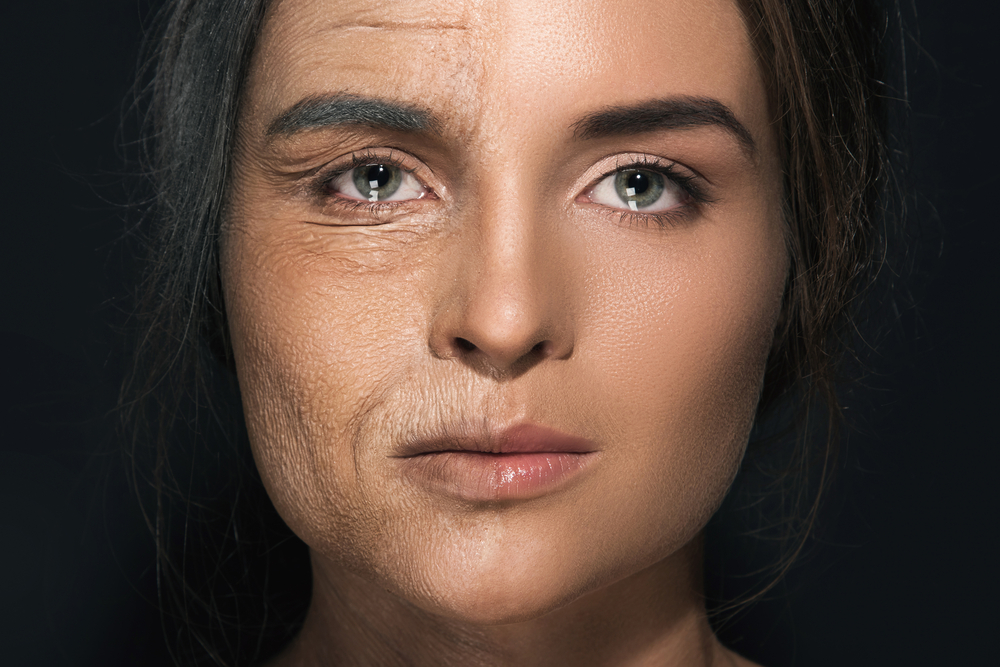
Image Via Shutterstock
A Balanced Take on a Promising Discovery
The idea that a widely available supplement could slow cellular aging is undeniably compelling. Vitamin D is affordable, accessible, and already recommended for many people to support bone and immune health. The new research adds another layer to our understanding of how it may function within the body, particularly at the level of DNA protection.
At the same time, science rarely delivers simple answers. While the preservation of 140 base pairs over four years is meaningful, it does not automatically translate into a dramatically longer life. What it suggests is that vitamin D could be one piece of a larger strategy aimed at improving healthspan, which refers to the years lived in good health rather than simply extending lifespan.
Ultimately, the most practical takeaway is balance. Ensuring adequate vitamin D levels, especially for those who are deficient, appears to be a wise and evidence supported choice. Pairing that with consistent exercise, a nutrient dense diet, sufficient sleep, and stress management creates a powerful foundation for long term health. As research continues to explore the biology of aging, vitamin D may prove to be an important factor, but it works best as part of a comprehensive approach to living well.
Featured Image Via Shutterstock