

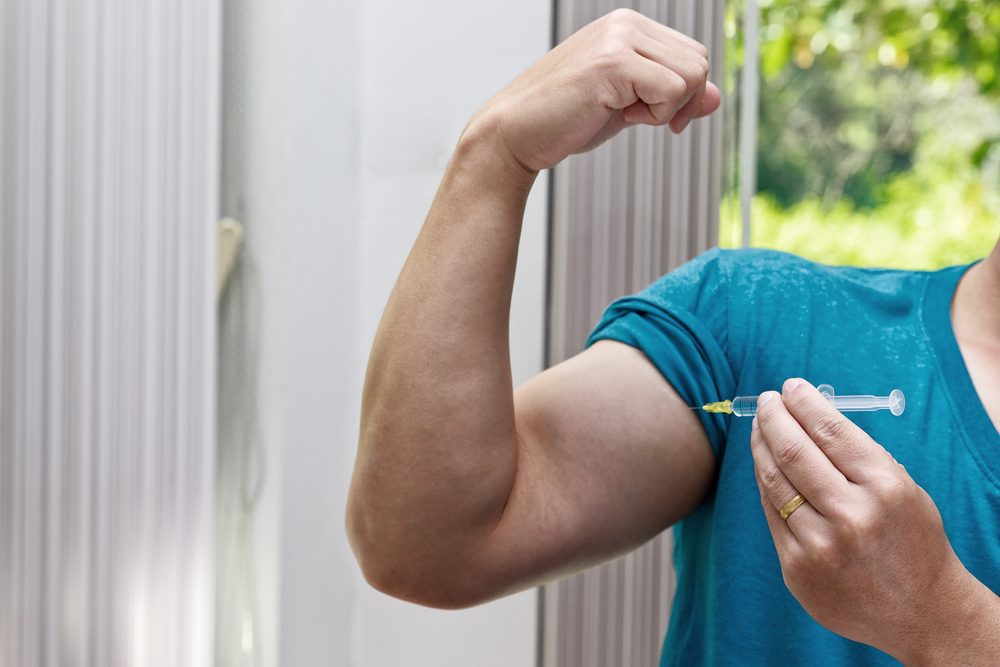
Russian “Popeye” risks losing both arms after injecting them with petroleum jelly
Kirill Tereshin became known online as the “Russian Popeye” after injecting petroleum jelly into his biceps to inflate them to unnatural proportions, but what once attracted viral fascination has now turned into a desperate medical emergency. Reports in Russia say the 29‑year‑old may lose both arms because of a severe infection that has progressed to the point where one of his biceps has “burst,” leaving a large open hole exposing rotting tissue. The case has shocked audiences for years, yet the latest updates reveal the situation is far more dangerous than many realised when the story first gained traction online.
The long‑running saga highlights much more than a headline about extreme body modification. Doctors say Tereshin’s wounds cannot heal, and that treatment cannot begin until the infection stabilises, which may not happen in time to save his arms. He previously underwent surgery in 2019 to remove some of the damaged tissue, but the problem returned and worsened. He has since admitted deep regret, referring to his earlier decisions as his own “stupidity,” a reflection that adds emotional weight to a story that has too often been reduced to shock value alone.
The Rise of the “Russian Popeye”
Kirill Tereshin did not achieve viral fame through traditional bodybuilding. His rise came from injecting petroleum jelly and synthol into his biceps, substances that created an exaggerated shape that observers found either fascinating or disturbing. The unusual appearance made him instantly recognisable on social media, where shocking visuals are often rewarded with attention. Many people were not aware of the immediate and long‑term medical dangers involved in such injections, and Tereshin’s popularity grew despite warnings from professionals.
As his online presence strengthened, Tereshin leaned further into the persona that had developed around him. Viral attention can create a feedback loop in which extreme choices feel validated, and the desire to remain relevant becomes a powerful motivator. Although some viewers expressed concern, others encouraged the spectacle, and the attention itself became part of the identity he projected. This cycle makes it more understandable, though no less dangerous, that he continued injecting despite the growing risks.
Eventually, the reality behind the scenes began to differ dramatically from the online image. Tereshin experienced chronic pain, swelling, and early signs of tissue damage, yet the pressure to maintain his online persona overshadowed the severity of the symptoms. By the time he first sought medical help, substantial harm had already been done, and the consequences were beginning to unfold in ways no amount of viral fame could offset.
When the Body Reaches Its Breaking Point
The turning point in Tereshin’s story came when he posted disturbing footage showing a large hole in his bicep, revealing decaying tissue beneath the skin. The image served as undeniable proof that the petroleum jelly injections had caused catastrophic internal damage. Doctors noted that the infection had reached a level where immediate intervention was necessary, but they also warned that surgery could not proceed until the infection became manageable. This placed him in a dangerous limbo where time was working against him.
Medical professionals explained that petroleum jelly is not absorbed by the body and does not break down over time. Instead, it blocks blood flow, suffocates tissue, and creates an environment where severe infection becomes almost inevitable. Years of injections resulted in layers of dead and dying muscle that the body could no longer sustain. The wound that had “burst” was not a sudden event but the result of years of deterioration finally reaching a point of collapse.
Doctors warned that if the infection continues to spread, Tereshin may require a double amputation to prevent the condition from becoming life‑threatening. Losing both arms would be a devastating outcome, yet the priority is now survival rather than appearance. Medical teams are monitoring his condition, but they have stated that time is becoming increasingly limited to stabilise him enough for surgery. The severity of the infection means the window for saving his arms is narrowing.
The Internet Culture Around Shock and Virality
Tereshin’s rise and downfall are closely tied to the nature of online attention. Unusual physiques and extreme body modifications often attract large audiences, and the internet tends to reward what is visually striking, regardless of long‑term consequences for the individuals involved. This dynamic made Tereshin a viral figure even while he was engaging in practices that doctors universally warn against. Audiences were drawn to the bizarre transformation, and many shared his images without considering the human being behind them.
Public reaction to his latest medical crisis has been mixed. Some expressed sympathy and concern, recognising that he is now suffering the consequences of choices influenced by pressure and misinformation. Others reacted with disbelief or criticism, focusing on the spectacle rather than the danger. These reactions highlight a larger cultural issue in which extreme cases become entertainment, and empathy becomes secondary to curiosity.
The psychological factors behind his decision making cannot be overlooked. Social media can create powerful incentives for people to reshape their identity around what garners the most attention. For some, this leads to extreme measures in pursuit of belonging or validation. Tereshin’s story sits at the intersection of body image struggles, online culture, and personal vulnerability, showing how easily these elements can combine in harmful ways. His admission of “stupidity” reveals a painful self‑awareness about how these pressures shaped his actions.
The Harsh Medical Reality Behind Synthol and Petroleum Jelly
While some people may view synthol injections as a shortcut to achieving a muscular look, the medical consequences are severe. Petroleum jelly is particularly dangerous because it cannot be safely broken down by the body. When injected into muscle tissue, it restricts circulation and eventually causes tissue death. Over time, the affected areas may become infected, leading to abscesses, open wounds, and potential systemic infection. Tereshin’s case demonstrates these outcomes in the starkest form.
Doctors attempting to treat such cases often face significant challenges. Removing the substance requires multiple surgeries, and each operation carries the risk of further damaging already compromised tissue. Even when the material is removed, the remaining muscle may be too damaged to heal without additional procedures, such as skin grafts. In Tereshin’s situation, doctors have stated that grafting cannot begin until the infection is under control, leaving him in a dangerous holding pattern.
The broader medical community often cites these cases as warnings about the misuse of injectable substances. Many people underestimate the long‑term consequences of altering the body with unapproved materials, particularly when the modifications are performed outside medical settings. Tereshin’s experience illustrates how quickly physical harm can escalate and how difficult it becomes to reverse the damage once it begins. His struggle to recover is a sobering reminder that the human body has limits that cannot be bypassed without consequences.
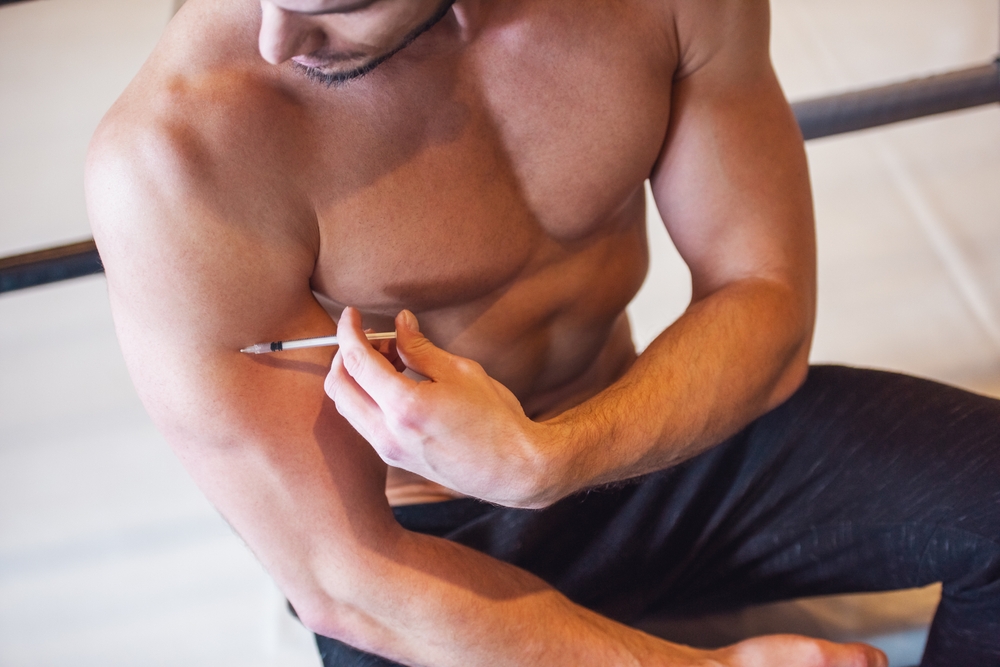
Image Credit: ShutterStock
A Story With Lessons Beyond the Shock Value
Although the “Russian Popeye” story initially attracted attention for its bizarre visuals, the deeper lessons lie in the human experience behind the headlines. Tereshin’s regret shows a shift from the pursuit of viral notoriety to the reality of irreversible harm. His medical crisis demonstrates how decisions made under social pressure or misinformation can lead to outcomes far more severe than anticipated. The path from internet fame to potential double amputation is not one anyone envisions for themselves, yet it unfolded step by step under the influence of forces many people underestimate.
This situation also invites reflection on the pressures created by modern online culture. When validation is measured in views and shares, it becomes easier for individuals to take risks they might otherwise avoid. Tereshin’s experience highlights the vulnerability of people who seek recognition through physical transformation, especially when they lack accurate information or support. His story underscores the need for greater awareness about the dangers of unregulated procedures and the psychological influences that drive individuals toward them.
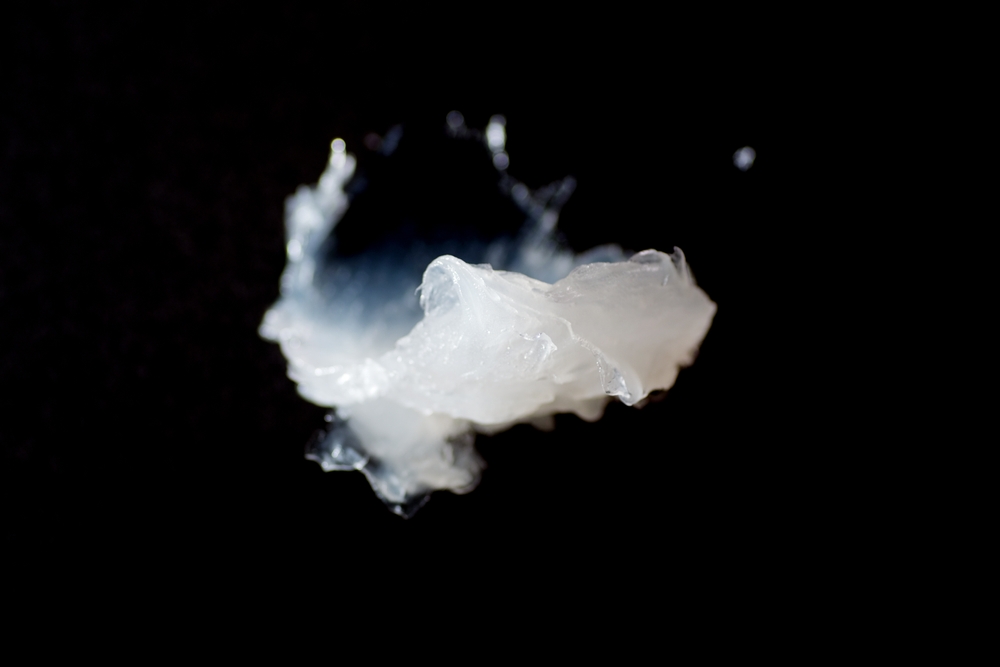
Image Credit: ShutterStock
Ultimately, the case stands as a powerful cautionary tale. It challenges readers to consider the long‑term impact of extreme body modification, the consequences of misinformation, and the responsibilities of online communities when they interact with vulnerable individuals. Tereshin’s ongoing battle to stabilise his condition is a reminder that behind every viral image is a person navigating complex struggles, and the choices made in pursuit of attention can carry costs that last far longer than internet fame.
Featured Image Credit: Shutterstock