


Scientists Are Testing an Injectable Gel That Could Help the Spine Heal Itself
Imagine living with a constant ache in your neck or lower back. Not the temporary soreness after a long day, but a persistent pain that quietly shapes how you sit, sleep, move, and even think. For millions of people around the world, chronic spinal pain is not just a medical issue. It becomes a daily companion.
For decades, medical science has mostly focused on managing that pain rather than reversing the damage that causes it. Painkillers, steroid injections, physical therapy, and in severe cases spinal fusion surgery have been the standard path. These treatments can help people cope, but they rarely address the underlying degeneration occurring within the spine itself.

Now researchers are exploring a radically different idea. What if the spine could be encouraged to repair itself? A growing field of regenerative medicine suggests that the answer might lie in something surprisingly simple. An injectable gel designed to restore damaged spinal discs from within.
Understanding Why Spinal Discs Break Down
Inside a healthy spinal disc, the nucleus pulposus is rich in water binding molecules known as proteoglycans. These molecules attract and retain water, allowing the disc to remain elastic and resilient under pressure. Over time, however, biochemical changes begin to alter this environment. Cells within the disc gradually lose their ability to maintain these molecules, leading to dehydration of the tissue and reduced capacity to absorb mechanical stress. Research has shown that this cellular imbalance is a central driver of disc degeneration because it disrupts the delicate relationship between disc cells, water content, and the surrounding extracellular matrix.
As these internal changes progress, the disc environment becomes increasingly hostile to the very cells responsible for maintaining it. Reduced nutrient diffusion, increased acidity, and the buildup of inflammatory signaling molecules begin to impair cell survival. Because spinal discs have very limited blood supply, they depend heavily on slow diffusion of nutrients from nearby tissues. When the structure of the disc deteriorates, this nutrient exchange becomes less efficient, which further accelerates cellular dysfunction and matrix breakdown.

This cascade creates a self reinforcing cycle in which declining cell activity leads to structural weakening, and structural weakening further disrupts cellular health. Over time, the disc loses its ability to maintain normal internal pressure and biomechanical stability, setting the stage for the progressive deterioration associated with degenerative disc disease.
A New Approach: Injectable Hydrogels
Researchers are now studying injectable biomaterials known as hydrogels as a possible way to restore the damaged disc environment.
Hydrogels are water-rich, biocompatible materials that can mimic the natural consistency of the nucleus pulposus, the soft center of a healthy spinal disc. Because of their gel-like properties, they can be injected through a minimally invasive needle and then expand or solidify inside the disc space.

According to the review “Injectable Hydrogels for Intervertebral Disc Regeneration: A Review of Current Materials and Strategies,” these materials are being designed to restore both the mechanical support and biological environment of damaged discs. Instead of removing or fusing the disc, the hydrogel fills structural gaps, restores hydration, and helps re-establish the internal pressure that healthy discs need to function properly.
In simple terms, the idea is not just to stabilize the spine—but to recreate conditions where healing becomes possible.
How the Gel Supports Natural Regeneration
Beyond restoring structural conditions within the disc, injectable hydrogels can also function as biologically active environments that support tissue repair at the cellular level. Many experimental formulations are designed to carry living cells or signaling molecules that influence how surrounding disc cells behave after injection. These materials create a hydrated three dimensional matrix where cells can attach, survive, and interact with their surroundings in ways that resemble native tissue. Within this environment, disc cells and implanted regenerative cells may begin producing key extracellular matrix components such as proteoglycans and collagen, which are necessary for rebuilding disc tissue and restoring biochemical balance inside the disc.
Researchers are also investigating how hydrogels can regulate biological signaling within the damaged disc microenvironment. In degenerative discs, inflammatory mediators and degradative enzymes can disrupt tissue repair by breaking down matrix proteins faster than they can be replaced. By delivering bioactive molecules that encourage anabolic activity while suppressing destructive signaling pathways, hydrogels may help shift this balance toward regeneration.
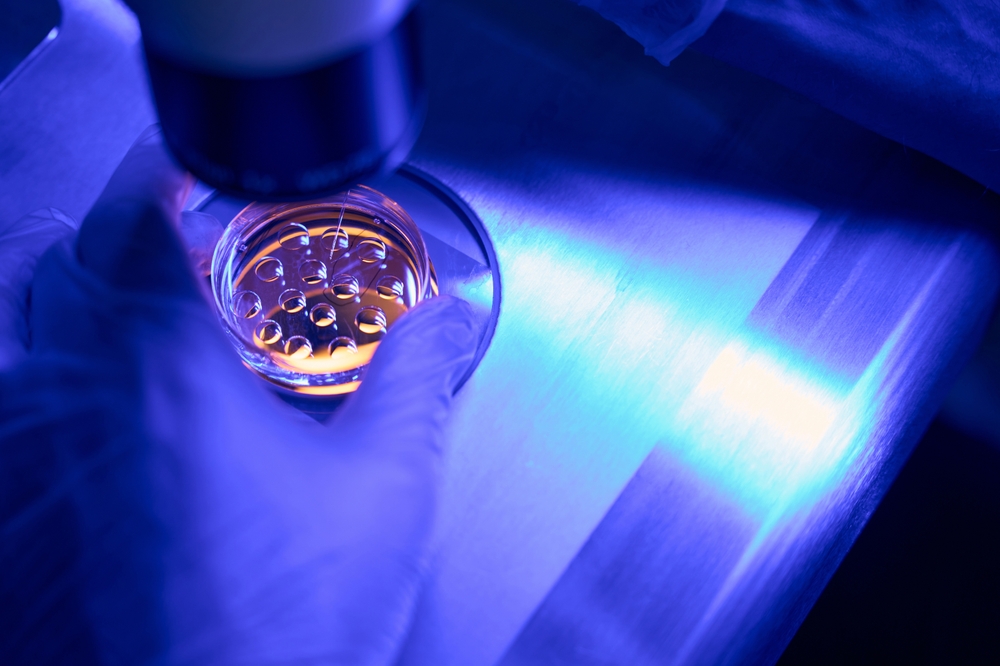
As cells interact with the hydrogel scaffold and begin producing new matrix molecules, the surrounding disc environment may gradually regain characteristics associated with healthy tissue. The goal of this regenerative strategy is not only to replace lost material but to reactivate biological processes that maintain the disc over time. By supporting cell survival, guiding tissue formation, and moderating harmful biochemical signals, injectable hydrogels provide a platform through which natural repair mechanisms may gradually restore disc function.
Why This Matters for Chronic Pain Sufferers
Chronic spinal pain reshapes daily life in ways that extend far beyond physical discomfort. Persistent pain can gradually limit mobility, reduce participation in work and social activities, and contribute to fatigue, sleep disruption, and psychological stress. For many individuals the condition becomes a long term cycle in which reduced movement leads to further stiffness and deconditioning, which in turn worsens pain and functional limitation. Because of this, treatments that only provide temporary symptom relief often fail to fully restore a person’s quality of life or long term physical independence.
A regenerative strategy introduces the possibility of altering this trajectory. Instead of focusing only on suppressing symptoms, emerging therapies aim to improve the biological condition of the damaged disc so that the spine can regain more natural function over time. If future clinical trials confirm the effectiveness of these approaches, patients could potentially benefit from treatments that address the underlying structural and cellular problems contributing to chronic pain rather than relying primarily on repeated pain management interventions.

This shift could have meaningful implications not only for individual patients but also for healthcare systems that manage chronic musculoskeletal disorders. Long term spinal pain is associated with significant medical costs, work absenteeism, and reduced productivity worldwide. Approaches that restore functional capacity and reduce dependence on repeated procedures or long term medication could therefore represent an important step toward more sustainable and patient centered care for people living with chronic spinal conditions.
Health, Focus, and Personal Drive
Scientific breakthroughs often begin in laboratories, but their deeper meaning appears in everyday life. The research behind regenerative spinal therapies highlights an idea that extends beyond medicine: the human body performs best when it is supported, restored, and given the conditions it needs to function well. Chronic physical discomfort quietly drains attention and energy. When the body is under constant strain, the brain often redirects cognitive resources toward managing pain rather than sustaining focus, creativity, or motivation. In this sense, advances that restore physical well being can also unlock mental clarity and renewed engagement with daily goals.
Individuals can apply the broader lesson of this research by recognizing how closely physical health and personal performance are connected. Prioritizing movement, posture awareness, sleep quality, and regular recovery periods can protect spinal health while also strengthening concentration and productivity. Small daily practices such as standing and stretching during long work sessions, strengthening core muscles that support the spine, and maintaining ergonomic work environments help reduce cumulative strain that often contributes to chronic discomfort. By protecting the physical foundation of the body, individuals create conditions that allow their attention and motivation to remain directed toward meaningful pursuits rather than constant physical distraction.
The deeper takeaway is that sustainable achievement rarely comes from pushing the body beyond its limits. Progress is more often the result of maintaining systems that support long term energy and resilience. Just as regenerative medicine aims to restore the natural balance within the spine, personal development benefits from restoring balance between effort and recovery. When physical well being is protected, mental focus becomes sharper, daily tasks require less strain, and the drive to pursue larger ambitions becomes easier to sustain.
A Moment of Reflection
If you have ever experienced chronic back pain, you know how quietly it can reshape your life. The way you sit, the way you lift things, even the way you sleep can slowly begin to revolve around avoiding discomfort. Over time, that constant awareness of pain can narrow daily possibilities and make ordinary tasks feel heavier than they once did.
Yet the history of medicine shows that ideas once considered impossible often become the foundation for new forms of healing. There was a time when damaged cartilage in joints was believed to be permanent, and when heart tissue was thought incapable of meaningful repair. Today researchers are exploring ways to regenerate both. The growing research around injectable hydrogels suggests that the spine may one day join that list of tissues where restoration becomes possible rather than resignation to decline.

The treatment being studied today is not a miracle cure, and careful clinical trials are still needed to confirm its long term safety and effectiveness. But the deeper message behind the research is powerful. Instead of permanently altering the body to manage damage, scientists are increasingly asking how the body might recover its own natural function. Sometimes progress begins with a simple shift in perspective, not just fixing what is broken, but helping the body remember how to heal.
Featured Image from Shutterstock