

Scientists Develop Tiny Nanobots That Could Clear Cholesterol Blockages Without Surgery
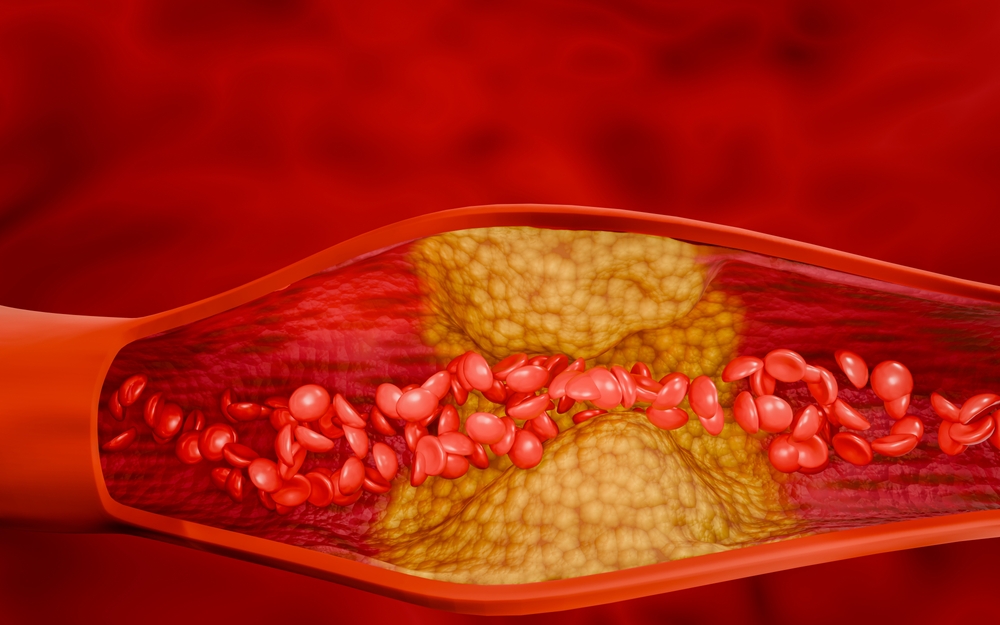
Heart disease remains one of the most serious health threats in the world, and one of the main reasons is the gradual buildup of cholesterol and other substances inside arteries. These deposits slowly narrow the blood vessels that carry oxygen rich blood throughout the body. When the arteries become too narrow, the risk of heart attacks and strokes rises sharply. For decades doctors have relied on procedures such as angioplasty or bypass surgery to restore blood flow. These treatments save many lives, but they are still invasive procedures that require specialized surgical teams and recovery time for patients.
Now scientists are exploring a very different idea that could one day change how blocked arteries are treated. Researchers at Drexel University are developing microscopic robotic structures that can travel through blood vessels and help doctors break apart plaque inside the arteries. The technology is still being studied and has not yet reached human trials, but early experiments are attracting attention from engineers and medical researchers around the world. If the concept continues to develop successfully, these tiny robots could become a new tool for treating cardiovascular disease in the future.
The Growing Problem of Clogged Arteries
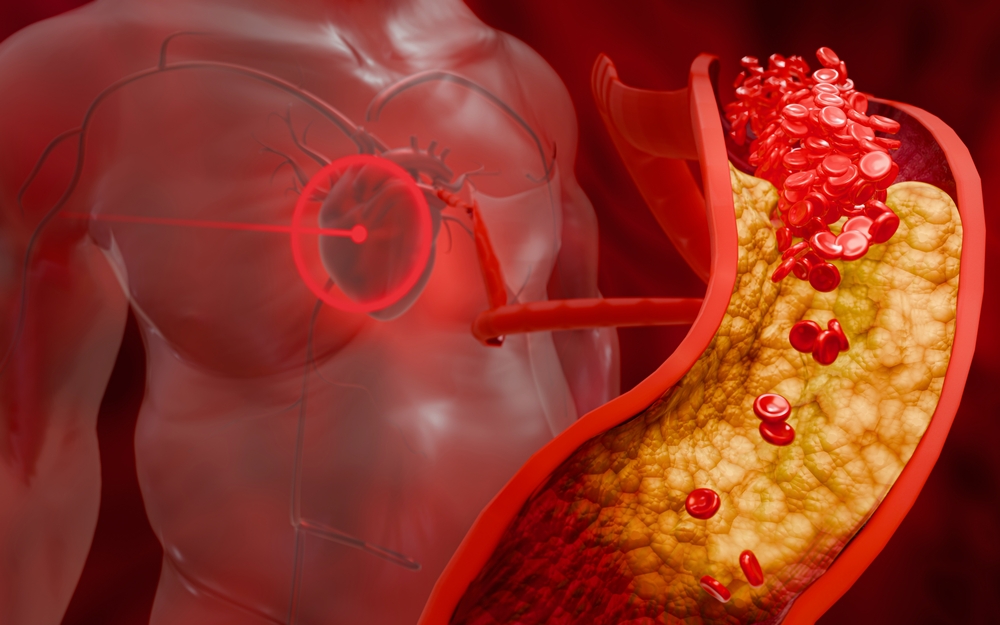
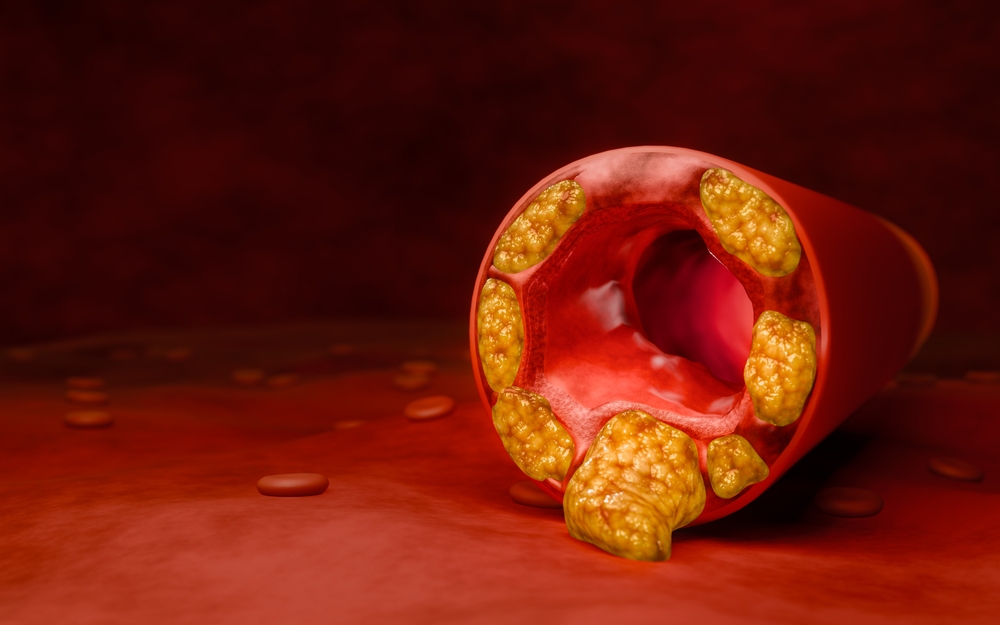
Clogged arteries develop through a process known as atherosclerosis. This condition occurs when substances such as fat, cholesterol, calcium, and other materials accumulate along the inner walls of arteries. Over time these deposits harden and narrow the vessels that carry oxygen rich blood throughout the body. As the arteries become more restricted, the body struggles to deliver enough oxygen to vital organs such as the heart and brain. This is why atherosclerosis is closely linked to heart attacks, strokes, and other cardiovascular complications.
Although researchers have studied the condition for many years, the exact cause of atherosclerosis is still not fully understood. Scientists believe it develops through a combination of lifestyle habits, biological factors, and age related changes in the body. Smoking, poor diet, and low levels of physical activity can increase the likelihood of plaque buildup. At the same time, genetics can also play an important role, which means some people are more vulnerable even when they try to maintain healthy habits.
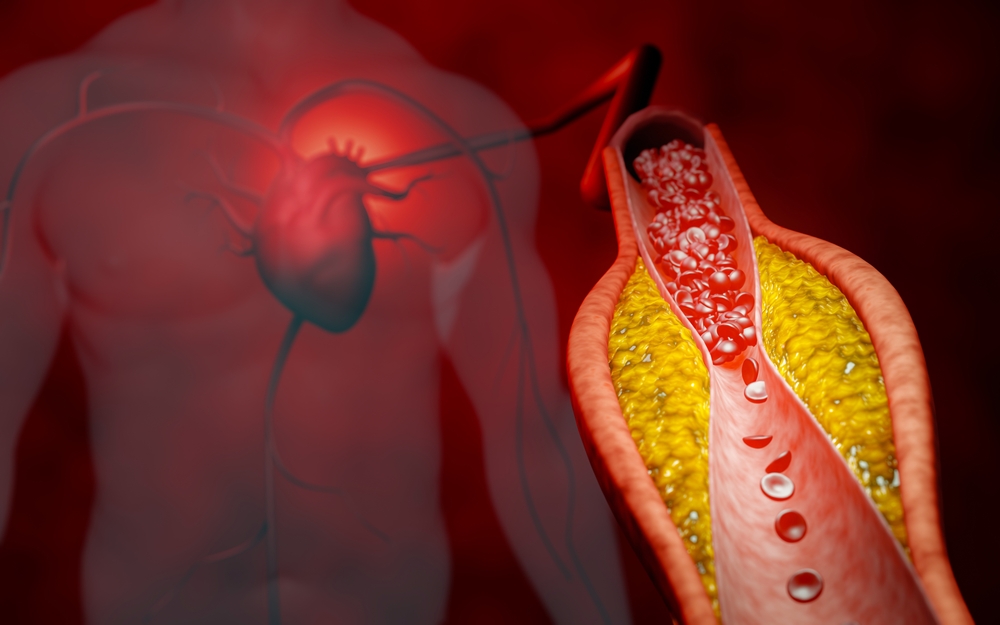
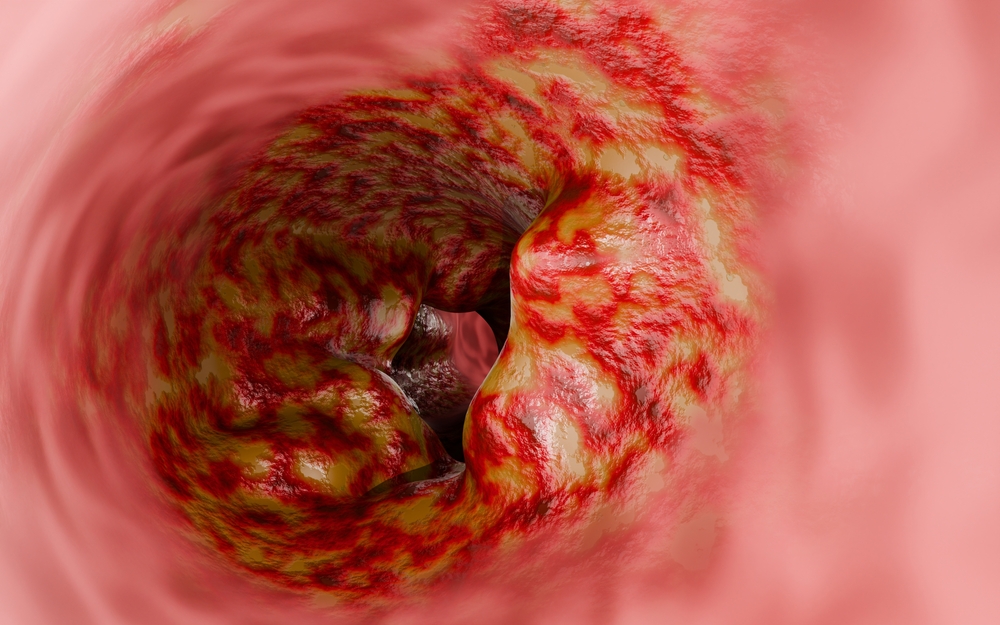
As plaque continues to accumulate inside arteries, blood flow becomes increasingly restricted. The walls of the arteries also become less flexible, which puts additional stress on the cardiovascular system. In severe cases the artery can become almost completely blocked. When that happens, the risk of a sudden heart attack or stroke becomes significantly higher because oxygen cannot reach the tissues that depend on it.
Traditional Treatments for Blocked Arteries
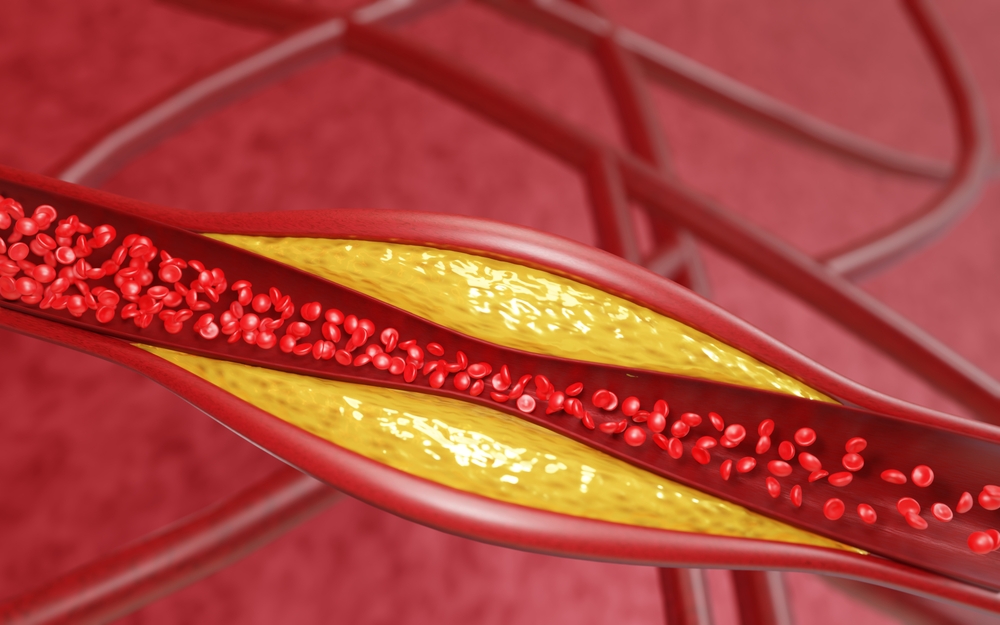
Doctors currently rely on two major procedures to treat serious arterial blockages. One of the most common is angioplasty. During this procedure, a vascular surgeon inserts a small balloon into the narrowed artery and inflates it in order to push plaque against the vessel walls. Once the artery has been widened, doctors usually place a small metal mesh tube called a stent inside the vessel. The stent helps keep the artery open and allows blood to flow more freely.
Another treatment option is bypass surgery, which is typically used for more severe or complicated blockages. During this operation surgeons take a healthy blood vessel from another part of the body and use it to reroute blood around the blocked artery. This creates a new path for circulation and restores blood supply to the affected area. Bypass surgery can be very effective, but it is also a major operation that requires careful recovery.
Even though both treatments have helped millions of patients, they still involve surgical procedures and significant medical intervention. In difficult cases of chronic total occlusion, where an artery becomes completely blocked, success rates are not always as high as doctors would like. Researchers looking for new approaches hope emerging technologies could improve these outcomes and make treatments less invasive for patients.
The Tiny Robots Scientists Are Developing
Researchers at Drexel University have been working on microscopic robotic structures designed to move through the bloodstream. These devices are often called micro swimmers. They are not robots in the traditional mechanical sense. Instead they are made from extremely small iron oxide beads that connect together in chains. Each bead measures about 200 nanometers, which makes them thousands of times smaller than the width of a human hair.
When several beads connect together they form a corkscrew shaped chain that can move through liquid. The researchers selected materials that are intended to be safe for use inside the human body. According to MinJun Kim, a professor in Drexel University’s College of Engineering, the beads are “composed of inorganic, biocompatible materials that will not trigger an immunological response,” says Kim.
Movement of the micro swimmers is controlled using an external magnetic field. When the magnetic field rotates, the chain of beads spins and forms a helical structure that propels itself through the bloodstream. By adjusting the magnetic field, scientists can control the speed, direction, and strength of the swimmer as it travels through blood vessels. This allows researchers to guide the tiny structure toward a specific location inside the body.
How the Micro Swimmers Would Clear Plaque
The scientists developing the technology believe it could work alongside existing surgical methods rather than replacing them entirely. In the proposed procedure, doctors would insert a catheter into the artery in order to deliver the microscopic swimmers directly to the blocked region. Once released into the bloodstream, the swimmers would begin loosening the hardened plaque that has accumulated along the artery walls.
After the plaque has been disturbed and softened, surgeons would use a very small vascular drill to remove the remaining blockage. The goal is to make the process easier and more precise by preparing the plaque before the final step of removal. By helping break apart the buildup first, the micro swimmers may allow doctors to clear the artery more effectively.
Once the procedure is complete, the biodegradable beads are designed to release anticoagulant drugs into the bloodstream. These medications help reduce the risk of new clots forming after the procedure. Kim explained the potential advantage by saying, “Current treatments for chronic total occlusion are only about 60 percent successful. We believe that the method we are developing could be as high as 80 to 90 percent successful and possibly shorten recovery time.”
Inspired by a Bacterium Found in Nature
The unusual design of the micro swimmers did not come from traditional robotics. Instead the inspiration came from a microorganism called Borrelia burgdorferi. This bacterium is responsible for Lyme disease and has a spiral shaped structure that allows it to move efficiently through bodily fluids. Scientists studying its motion noticed that its shape gives it the ability to travel through complex environments inside the body.
Researchers realized that copying this spiral structure could help artificial devices move through fluid systems such as blood vessels. By designing the micro swimmers with a similar corkscrew shape, they created a structure capable of pushing forward through liquid environments that would normally slow down microscopic objects.
Nature often provides inspiration for new engineering ideas, especially in fields such as nanotechnology and bioengineering. In this case, a bacterium that causes disease helped inspire a potential medical tool that could one day assist doctors in treating cardiovascular conditions.
The Challenges of Building Robots at a Microscopic Scale
Developing machines that operate at such a tiny scale creates a number of scientific challenges. The rules that govern motion in the microscopic world are very different from the rules that apply to everyday objects. At the human scale people rely heavily on inertia to move, but at microscopic levels inertia does not behave the same way.
Kim described this difference by explaining, “The microscopic world is completely different than the macroscopic world that we all live in. We use inertia to move around in the macroscopic world, but on the microscopic level inertia is not useful for movement.” Because of this, scientists must design new propulsion strategies that work under these conditions.
The structure of the micro swimmers also required careful experimentation. Kim explained that symmetrical designs were unable to move under magnetic control. “We can create single-bead and two-bead micro-swimmers, but when we apply the magnetic field they cannot move at all because their structures are symmetric. So in order to create a non-symmetric structure we needed to use at least three beads,” says Kim.
Blood itself adds another layer of complexity. Unlike water, blood is considered a non Newtonian fluid, which means its thickness changes depending on how fast it flows. Because of this property, researchers had to develop complex control algorithms based on nonlinear fluid dynamics in order to guide the micro swimmers through the bloodstream.
International Collaboration and Future Trials
The development of these microscopic robots has grown into a large international collaboration. Drexel researchers have partnered with the Daegu Gyeongbuk Institute of Science and Technology in order to expand the project and continue refining the technology. Scientists and engineers from institutions in the United States, Korea, and Switzerland are now involved in the effort.
So far the micro swimmers have only been tested in artificial blood vessels built in laboratory settings. These controlled environments allow researchers to observe how the tiny structures behave in fluid systems that resemble real arteries. Before the technology can be used in hospitals, it will need to pass extensive safety testing and regulatory review.
The research program has received major financial support through an eighteen million dollar project funded by the Korea Evaluation Institute of Industrial Technology. Engineers from more than a dozen institutions are contributing to the project. If development continues successfully, researchers hope the system could move into human clinical trials within several years.
Potential Medical Uses Beyond Artery Treatment
Although the first goal of the micro swimmer technology is to help clear blocked arteries, researchers believe the same concept could eventually be used in other areas of medicine. One possibility involves targeted drug delivery, where microscopic devices transport medication directly to specific tissues inside the body.
For example, the beads could potentially be guided into difficult areas such as cancer tumors. Once they reach the target location, they could release medication precisely where it is needed. Kim described this idea by saying, “For example, the beads could be used to penetrate directly into difficult-to-reach cancer tumor cells where the drug will be released into the target, thereby maximizing drug efficiency.”
This approach could allow doctors to deliver stronger treatments directly to diseased cells while reducing damage to surrounding healthy tissue. Researchers also believe similar technology might improve imaging techniques or help scientists study biological systems in greater detail.
From Science Fiction Inspiration to Real Research
Interestingly, the concept behind these microscopic robots was partly inspired by science fiction films. Kim has said that movies such as Fantastic Voyage and the 1987 film Innerspace sparked his early interest in the idea of miniature machines traveling through the human body.
He recalled that moment by saying, “I watched Innerspace when I was in high school in 1987. The film contains numerous concepts of micro-robotics and nanomedicine that have served as an inspiration to both myself and other researchers in this field.”
Looking at the progress made today, Kim expressed enthusiasm about the work being done. He said, “I am excited to be part of a project that is involved in bringing this science fiction into reality.” For researchers working in nanotechnology, the goal is to transform imaginative ideas into practical tools that can help doctors treat disease.
A Glimpse Into the Future of Medicine
Although the technology is still in the research phase, the concept of microscopic robots assisting medical treatments is gaining increasing attention within the scientific community. If future clinical trials confirm the technology is safe and effective, these micro swimmers could become part of a new generation of minimally invasive medical tools.
Such tools could allow doctors to treat blocked arteries with far greater precision while reducing the need for large surgical procedures. Shorter recovery times and improved success rates for complex blockages are among the possible benefits researchers hope to achieve.
For now the tiny swimmers developed at Drexel University remain an experimental technology. However the progress made so far shows how engineering, biology, and creative thinking can work together to tackle some of the most challenging medical problems facing modern healthcare.
Sources:
- Drexel’s microscale “Transformer” robots are joining forces to break through blocked arteries – Drexel University College of Engineering. (2015, June 25). Drexel University College of Engineering. https://drexel.edu/engineering/news-events/news/archive/2015/June/microswimmersurgery/
- Research portal. (n.d.). https://researchdiscovery.drexel.edu/esploro/outputs/bookChapter/Chapter-7—Control-of-three/991019173648704721
- Cheang, U. K., Meshkati, F., Kim, D., Kim, M. J., & Fu, H. C. (2014). Minimal geometric requirements for micropropulsion via magnetic rotation. Physical Review E, 90(3), 033007. https://doi.org/10.1103/physreve.90.033007