

For hundreds of years, doctors believed the human body had been fully mapped. Medical students memorized diagrams that seemed final, authoritative, and complete. Anatomy was considered settled science, with only microscopic details left to refine. That belief is what made a discovery in the Netherlands feel almost unbelievable.
In 2020, while examining cancer patients using advanced imaging technology, researchers stumbled upon something that appeared to defy centuries of medical knowledge. Hidden deep inside the human head, in a place few doctors ever closely examine, was a structure no textbook had ever described in full. It looked like an organ. It behaved like an organ. And yet, it had gone unnoticed for generations.
What followed was not instant celebration, but careful investigation, scientific debate, and a growing realization that even the most familiar subject, the human body, still holds secrets. The discovery sparked excitement not just because it was unexpected, but because it could meaningfully improve the lives of cancer patients around the world.
A Medical Discipline Older Than Most Sciences
Anatomy is one of the oldest branches of medicine. Physicians have been dissecting human bodies and documenting their findings since at least the third century. Early anatomists worked without modern anesthesia, sterilization, or imaging tools, relying solely on direct observation and hand drawn records. Despite these limitations, much of their work remains foundational to modern medicine.
Over time, anatomical knowledge became standardized. Textbooks refined earlier observations, correcting errors and filling in gaps. By the late twentieth century, many educators believed the major structures of the human body were fully accounted for. Discoveries still occurred, but they tended to involve cellular behavior, genetics, or molecular processes rather than large physical structures.
This sense of completeness shaped how generations of doctors were trained. Anatomy became something to memorize rather than question. Yet history shows that scientific certainty often shifts alongside technology. Each major leap in imaging has revealed structures that were previously invisible or misunderstood. In this case, a technology designed to fight cancer opened the door to a surprising anatomical revelation.
An Accidental Discovery During Cancer Research

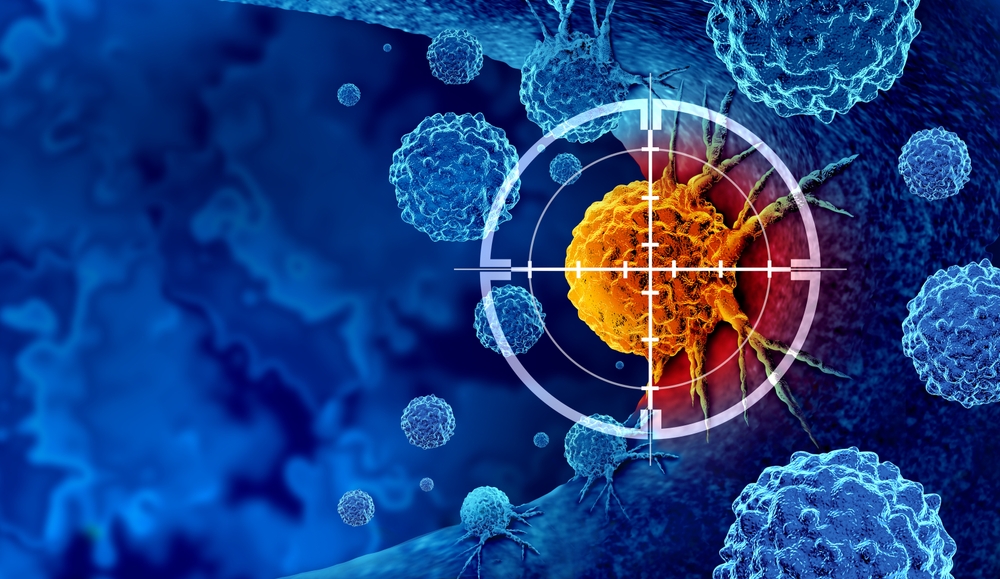
The discovery did not begin as a hunt for unknown anatomy. Researchers at the Netherlands Cancer Institute were studying prostate cancer patients using a highly sensitive imaging method called PSMA PET/CT. This scan is designed to detect cancer cells by highlighting prostate specific membrane antigens that bind to radioactive tracers.
During these scans, doctors noticed something unusual. In nearly every patient, two symmetrical areas lit up brightly in a region behind the nose, where the nasal cavity meets the throat. This was not a known location for large salivary glands, and the brightness did not resemble tumors, inflammation, or infection.
At first, the team was skeptical. Medical scans can produce artifacts or misleading signals. Imaging noise, patient movement, or overlapping tissues can all create false impressions. But as more images were reviewed, the pattern became impossible to ignore. The structures appeared consistently, in the same location, with the same size and shape.
What began as curiosity soon turned into a deeper investigation that challenged long held assumptions.
Where the Hidden Structure Is Located

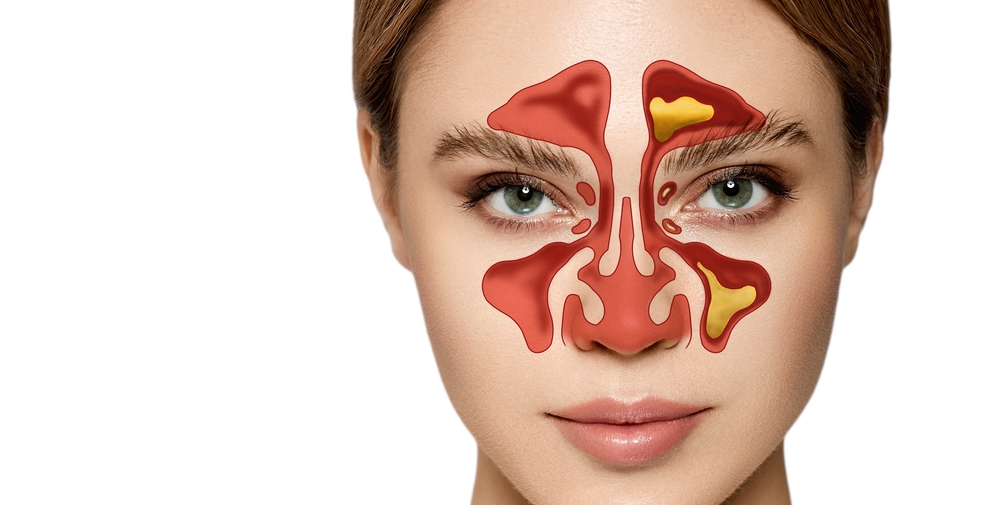
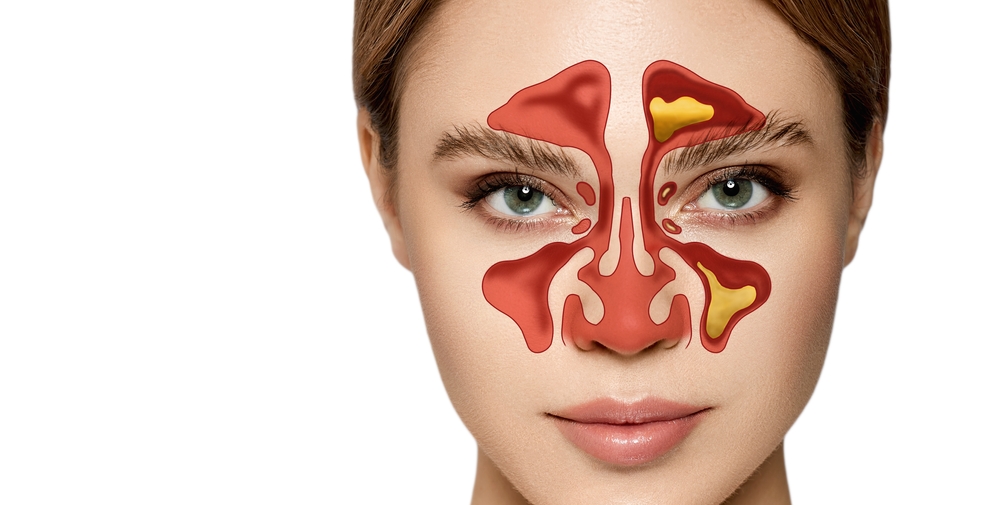
The newly identified structure sits in the nasopharynx, a region deep inside the head that connects the nasal cavity to the throat. It lies close to the base of the skull, above the soft palate, in an area that is difficult to access both surgically and visually.
This region serves as a crossroads for several vital functions. It plays a role in breathing, swallowing, immune defense, and pressure regulation in the ears. Because of this complexity, even small changes or damage in the area can have wide ranging effects.
The location also explains why the structure may have been overlooked for so long. Traditional imaging tools like ultrasounds, standard CT scans, and MRIs are not sensitive enough to clearly distinguish soft tissue structures in this area. Endoscopic examinations provide limited angles and can easily miss deeper tissue organization.
According to the researchers, it took the combination of advanced molecular imaging and careful observation to recognize that something unusual was present. Once identified, the team reviewed scans from 100 patients and found the same paired structure in every case.
To confirm their findings, the researchers went further.
Confirmation Through Physical Examination
Imaging alone is rarely enough to confirm an anatomical discovery. To strengthen their case, the research team conducted dissections on two cadavers, one male and one female. These examinations allowed them to directly observe the tissue in question.
In both cases, they identified the same bilateral structures in the same location. The tissues showed characteristics consistent with salivary glands, including visible ducts, glandular lobules, and drainage pathways toward the throat.
The size of the structure was notable. It was much larger than typical minor salivary glands and displayed an organized architecture rather than a scattered arrangement. The symmetry on both sides of the head further suggested a defined anatomical system rather than a random clustering of tissue.
This physical confirmation marked a turning point. The structure was not an imaging anomaly. It was real, consistent, and anatomically distinct.
What Scientists Believe They Have Found

Based on their observations, the researchers believe the structure represents a previously unidentified pair of salivary glands. Until now, medical science recognized three major pairs of salivary glands.
One pair is located near the ears and produces a watery saliva. Another sits beneath the jaw and contributes a mix of fluid types. The third rests under the tongue and provides lubrication for speech and swallowing. Alongside these, the human body contains roughly 1,000 minor salivary glands scattered throughout the mouth and throat.
The newly identified glands differ from minor glands in several key ways. They are significantly larger, structurally organized, and consistently positioned. Because of their proximity to a structure called the torus tubarius, the researchers proposed naming them the tbodyubarial glands.
If confirmed, this would be the first identification of a new major salivary gland in roughly 300 years. Even if reclassified as a distinct sub system, it represents a meaningful update to anatomical knowledge.
Why Salivary Glands Are So Important
Salivary glands play a critical role in daily life, though they are rarely noticed until something goes wrong. Together, they produce about a quart of saliva each day, adjusting output based on hydration, diet, and nervous system signals.
Saliva helps break down food, making chewing and swallowing possible. It protects the mouth from harmful bacteria, supports clear speech, buffers acids that damage teeth, and maintains comfort in the oral cavity.
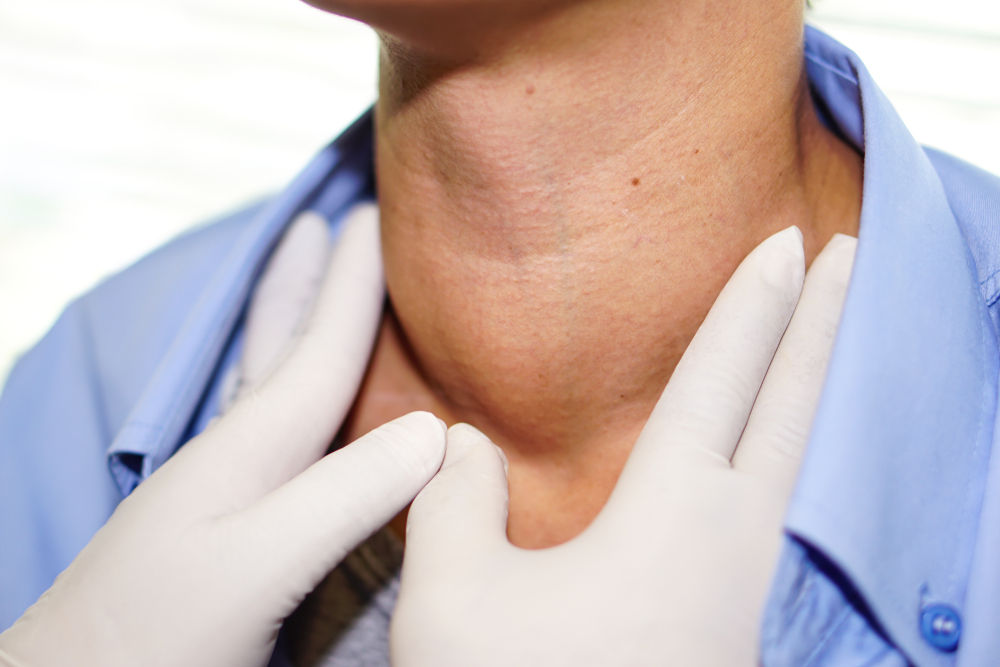
Damage to salivary glands can cause chronic dry mouth, frequent infections, difficulty swallowing, altered taste, and dental problems. These symptoms can interfere with nutrition, communication, and social interaction. For many patients, the effects persist long after treatment ends.
This is why oncologists take great care to avoid damaging salivary glands during radiation therapy.
The Overlooked Impact on Cancer Patients
Radiation therapy is commonly used to treat cancers of the head and neck. While effective, it carries risks, particularly when healthy tissue is exposed to high doses.
Doctors carefully plan radiation fields to spare known salivary glands whenever possible. However, until now, the area where the tubarial glands are located was not considered a critical structure worthy of protection.
When researchers analyzed data from more than 700 patients who had received radiation therapy in this region, a clear pattern emerged. Patients who received higher radiation doses in this area were more likely to experience severe dry mouth, swallowing difficulties, changes in speech, and reduced quality of life.
The discovery of the glands provided a potential explanation for these outcomes and offered a path toward improvement.

A Discovery With Immediate Clinical Implications
Unlike many scientific discoveries that take years to influence medical practice, this one could have relatively immediate effects. Now that doctors know the glands exist, they can begin adjusting radiation plans to avoid them when possible.
This could reduce long term side effects for patients undergoing treatment for throat, tongue, and nasopharyngeal cancers. Improved recovery, better speech clarity, and more comfortable eating could significantly enhance life after cancer treatment.
Researchers emphasize that the goal is not just to name a new structure, but to use the knowledge to reduce harm and improve patient outcomes.
Scientific Skepticism and Ongoing Debate
Despite the excitement, not all experts agree on how the structure should be classified. Some argue that the glands may represent a dense grouping of minor salivary glands rather than a new major organ.
Others point out that the original study relied heavily on scans from prostate cancer patients, most of whom were male. Broader studies involving women, healthy individuals, and diverse populations are needed to determine how universal the structure truly is.
Skepticism is a normal and necessary part of science. Researchers themselves have emphasized the need for replication and independent verification before drawing definitive conclusions.

Why This Discovery Took Centuries
The idea that a major anatomical structure could remain hidden for so long seems counterintuitive. However, several factors likely contributed.
The glands are located in a poorly accessible region beneath the skull base. Their ducts may have been seen before but misidentified as minor structures. And until recently, imaging technology simply was not capable of revealing their full organization.
Only with the advent of highly sensitive molecular imaging did the glands become visible as a unified system rather than scattered tissue.
The Role of Imaging Technology in Modern Discovery
PSMA PET/CT imaging highlights tissues that express specific molecular markers. Salivary glands naturally express these markers, which is why they appear so clearly on the scans.
Earlier imaging tools lacked this specificity. Without a clear contrast, the glands blended into surrounding tissue. As imaging technology continues to advance, it may reveal additional structures that were previously indistinguishable.
This discovery underscores how progress in one medical field can unlock insights in another.
Implications Beyond Cancer Treatment
While oncology has been the primary focus, the discovery may have broader implications. The nasopharynx is associated with chronic sinus problems, ear pressure issues, and throat irritation.
Some specialists suggest that dysfunction in this region could contribute to symptoms like post nasal drip, recurrent infections, or persistent dryness. While these connections remain speculative, they open new avenues for research and treatment.
Understanding the glands may eventually lead to better therapies for conditions unrelated to cancer.
The Human Side of Anatomical Discovery
For patients who have undergone head and neck radiation, the discovery can feel deeply personal. Many live with long term side effects that affect eating, speaking, and social interaction.
Knowing that some of these effects may have an anatomical explanation can be validating. It reinforces the importance of listening to patient experiences and continually refining medical models.
A Quiet Discovery With Lasting Impact
Whether the tubarial glands are ultimately labeled a new organ or a newly defined part of the salivary system, their discovery has already reshaped how doctors view a critical region of the head.
It stands as a reminder that science is never finished. Even the most familiar subjects can change under closer examination.
Hidden deep within the center of the human head, a structure once overlooked is now prompting new questions, new research, and new possibilities for patient care. That may be the most important outcome of all.