


Scientists Found a Biological “Off-Switch” for Pain And It May Explain Why Chronic Pain Hits Women Harder
Pain sometimes lingers far longer than expected. A twisted ankle can continue throbbing weeks after it should have healed, a headache may refuse to fade, and a back injury can quietly stretch into months or even years of discomfort. For decades medicine approached pain with a straightforward objective: stop the signal. Doctors and researchers focused on blocking the sensation itself, assuming that once the underlying injury improved the pain would naturally disappear. Yet this assumption leaves an important question unresolved. If pain begins as a warning signal, what biological process tells the body that the warning is no longer necessary?

A groundbreaking study from Michigan State University, published in Science Immunology, suggests that pain relief is not simply the absence of injury but an active biological process in which the immune system helps instruct pain signaling to quiet once healing progresses. The researchers identified what can be described as a biological “off switch” for pain, a mechanism that helps the body conclude the pain response after damage has begun to resolve. Their findings also revealed something unexpected. This pain resolving signal appears to operate more strongly in males than in females, pointing to a biological difference rooted in immune activity rather than perception alone. Understanding this mechanism may reshape how scientists think about chronic pain and why it persists for so many people.
Pain Isn’t Just Something That Happens
Most people imagine pain as a direct reflection of injury. Tissue is damaged, nerves fire, and the brain registers discomfort until healing is complete. But modern pain science shows that the duration of pain is not determined by damage alone. The nervous system constantly evaluates signals from the immune system, the brain, and surrounding tissues to decide whether pain should continue or fade. In this sense, pain is not only a warning system but also a regulated biological state that must be actively resolved once the body determines that protection is no longer necessary. Researchers studying the biology of recovery describe this process as pain resolution, a coordinated shift in which inflammatory signals decrease and neural sensitivity returns to normal.
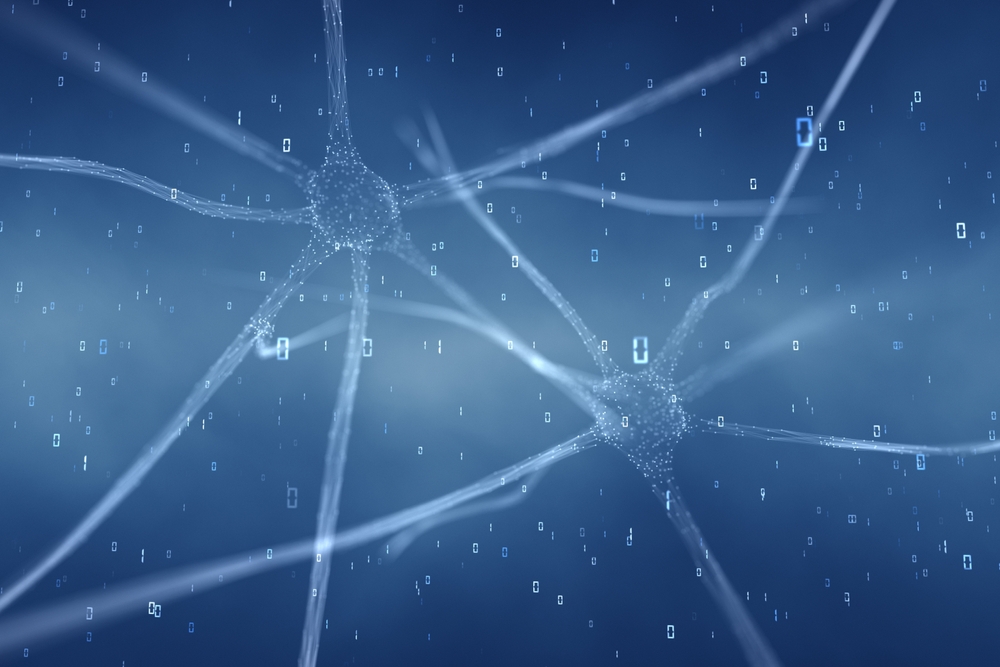
What makes this process remarkable is that it resembles other forms of biological recovery. Just as the body has mechanisms to stop bleeding after a wound or to calm inflammation after an infection, it also has systems designed to restore the nervous system to a resting state after injury. These mechanisms involve complex communication between immune cells and sensory neurons, ensuring that protective pain does not outlast the threat that triggered it. When this regulatory process works properly, sensitivity gradually fades as tissues stabilize. When it does not, the nervous system can remain in a heightened alert state, allowing pain to persist even after the original injury has healed.
The Key Player: IL‑10 and the Immune System’s Role in Pain
At the center of this discovery is interleukin 10, commonly referred to as IL‑10, a signaling protein that plays a central role in regulating immune activity after injury. When tissue is damaged, the immune system releases inflammatory molecules that help coordinate repair and defend against potential threats. However, that response must eventually be restrained to prevent excessive inflammation from continuing to stimulate nearby pain sensing neurons. IL‑10 acts as a critical regulatory signal in this transition. It suppresses the production of several pro inflammatory cytokines and helps restore balance within the local immune environment. By dampening these inflammatory signals, IL‑10 reduces the biochemical conditions that keep pain sensing nerves activated even after the original threat has begun to resolve.
Beyond its immune regulatory function, IL‑10 also influences communication between immune cells and the peripheral nervous system. Studies in neuroimmunology show that anti inflammatory cytokines such as IL‑10 can reduce the sensitivity of sensory neurons and limit the activation of surrounding support cells that amplify pain signaling. This stabilizing effect helps return neural signaling toward its normal baseline once tissue recovery is underway. The research paper titled “Monocyte-derived IL-10 drives sex differences in pain duration” expands on this biology by identifying IL‑10 produced by specific immune cells as a key molecular signal involved in bringing the pain response to a close.
A Surprising Difference Between Males and Females
One of the most striking findings from the study was the difference in IL‑10‑producing monocytes between sexes. When the researchers examined immune cell activity after injury, they found that male subjects consistently generated a stronger IL‑10 response from these monocytes. This difference was not simply a matter of cell quantity but of cellular behavior. The immune cells in males were more readily activated to release IL‑10 during the recovery phase of injury, suggesting that the biological pathway responsible for ending pain signals may be regulated differently across sexes at the immune system level.
The investigators traced much of this difference to the influence of sex hormones on immune cell programming. Testosterone appears to enhance the signaling pathways that prompt monocytes to release IL‑10, effectively strengthening the molecular signal that brings pain responses to a close. When researchers experimentally blocked these hormones in animal models, the previously observed advantage in males disappeared and pain recovery patterns became similar across sexes. This finding strongly suggests that the difference is biological rather than simply psychological or cultural.
Importantly, the study confirmed this pattern beyond laboratory models. Analyses of immune activity in human participants showed similar differences in IL‑10 related signaling between males and females, reinforcing the idea that this mechanism operates in real biological systems rather than only under controlled experimental conditions. Together, these findings indicate that hormonal regulation of immune cell behavior may shape how efficiently the body concludes a pain response after injury.
Why Chronic Pain Disproportionately Affects Women
For decades, epidemiological research has shown that women experience chronic pain disorders at substantially higher rates than men. Large population studies consistently report higher prevalence of conditions such as fibromyalgia, migraine, temporomandibular joint disorder (TMJ), and several autoimmune related pain disorders among women. This pattern appears across many countries and healthcare systems, suggesting that the disparity reflects underlying biological processes rather than cultural or diagnostic differences alone. The U.S. National Institute of Neurological Disorders and Stroke notes that chronic pain conditions are more commonly reported in women and often involve complex interactions between immune activity, nervous system signaling, and hormonal regulation.

What the new findings add is a clearer mechanistic context for this long observed pattern. If the immune signals responsible for concluding a pain response operate less efficiently, the nervous system may remain sensitized for longer periods after an injury or inflammatory event. Over time, prolonged neural sensitivity can allow temporary pain states to transition into persistent conditions in which the nervous system continues to generate pain signals even after tissues have stabilized. This framework helps explain why some individuals experience lingering pain after events that would normally resolve, and why certain chronic pain disorders appear more frequently in women across clinical populations.
Understanding this disparity does not suggest that pain perception itself is fundamentally different between sexes. Instead it highlights how subtle variations in immune and neural regulation can influence the duration of pain responses in the body. When recovery signaling functions efficiently, pain subsides once the threat has passed. When that regulatory process is slower or less active, the nervous system can remain in a prolonged protective state, increasing the likelihood that acute pain evolves into a chronic condition.
A Shift in How Medicine Thinks About Pain
For much of modern medical history, the dominant strategy for treating pain has centered on suppression. Physicians typically rely on medications designed to interrupt the transmission of pain signals along the nervous system or dampen inflammatory activity that contributes to discomfort. While these approaches can provide relief, they largely treat pain as a symptom to be muted rather than a biological process to be completed. As a result, clinical care has often focused on managing sensation instead of understanding the mechanisms that determine when and how the body naturally concludes a pain response.

The findings highlighted in this research encourage a broader conceptual shift. If the end of pain depends on specific immune signaling events, then successful recovery may require supporting the biological pathways that restore equilibrium after injury rather than only blocking neural activity. This perspective reframes pain not merely as a signal of damage but as part of a dynamic recovery cycle that includes both activation and resolution phases. Recognizing this distinction may influence how clinicians evaluate persistent pain conditions, guiding research and medical practice toward strategies that address the underlying biological processes responsible for restoring normal sensory balance.
What This Discovery Can Teach Us About Well Being and Personal Drive
Scientific discoveries often change medicine, but they can also change how we think about our own lives. One of the deeper lessons from this research is that recovery is not simply the absence of stress or strain. The body actively works to restore balance after disruption. In a similar way, human performance and well being depend on the ability to return to equilibrium after periods of effort, challenge, or pressure. Just as biological systems rely on signals that calm inflammation and restore stability, mental resilience depends on practices that allow the mind to reset after demanding work or emotional stress.
Research in psychology and performance science shows that sustained motivation is rarely the result of constant pressure alone. Productive focus often emerges from cycles of engagement and recovery. When individuals allow time for rest, reflection, and mental recalibration, the brain is better able to regulate stress responses and maintain cognitive clarity. This balance can strengthen long term concentration, decision making, and creative thinking, all of which contribute to meaningful achievement.
Viewed through this lens, the discovery of a biological process that helps conclude pain offers a broader metaphor for personal development. Progress does not come only from pushing harder but from understanding how recovery enables continued growth. By respecting the body’s need for restoration through sleep, movement, and periods of mental pause, individuals may strengthen the very systems that support motivation, endurance, and purposeful effort over time.
A Deeper Reflection on Pain
There is something quietly profound about this discovery. For years many of us assumed that pain simply faded once the body healed, as if recovery were a passive process that happened automatically in the background. Science now shows that something far more intricate is taking place. Healing is not only about repairing damaged tissue. It is also about the body sending clear signals that the danger has passed and that protective responses can return to normal. Within every moment of recovery, immune cells, chemical messengers, and nerve cells communicate with one another in an extraordinary biological dialogue that determines when the alarm of pain should finally quiet.

When this internal communication works as it should, the body gradually restores balance and the experience of pain subsides as healing progresses. When the signals that guide this process become disrupted or delayed, discomfort can persist even after the original injury has improved. This realization reframes how we think about recovery itself. Pain is not only something to silence but a message that must be properly concluded. The deeper lesson of this research is that healing depends on coordination within the body, a reminder that the path back to wellness is guided not just by repair but by the body’s remarkable ability to recognize when it is safe to move forward again.
Featured Image from Shutterstock