


Seven Behaviors Every Parent Can Help Transform Today
Parenting doesn’t come with a manual, yet every day brings choices that quietly shape the adults our children will eventually become. Before diving into the specifics, I want you to take a breath with me. This isn’t an article about blame. It is about guidance, awareness, and compassion for your child, yes, but also for yourself. You are learning, they are learning, and growth is possible for both of you.
The Heart of the Parenting Journey
Raising a child is one of the most profound responsibilities a human being can carry. It is a journey filled with love, wonder, and an endless series of teachable moments, some beautiful, some uncomfortable, all meaningful. When certain behaviors begin to surface, especially the ones we often categorize as bad, it is easy to react quickly rather than respond thoughtfully. But every behavior, whether loud or subtle, tells a story.
Children do not act out because they are broken. They act out because something inside them is asking to be seen, understood, or guided. And when we approach these moments with patience rather than punishment, we give them a chance to grow rather than hide.
Below are seven common behaviors many parents encounter. Each one is rephrased, reordered, and explored through a lens of connection, empathy, and personal accountability. My hope is that these reflections help you recognize not only what your child is communicating, but also how you can guide them toward healthier, more empowered choices.
Entitlement and the Loss of Gratitude
When children begin to expect rewards without contributing effort, it often signals that gratitude has not been cultivated deeply enough. This is not about withholding happiness. It is about helping them understand the worth of what they receive. Encouraging them to earn or save toward what they want, whether through allowance or through simple contributions at home, gives them a clearer sense of appreciation.
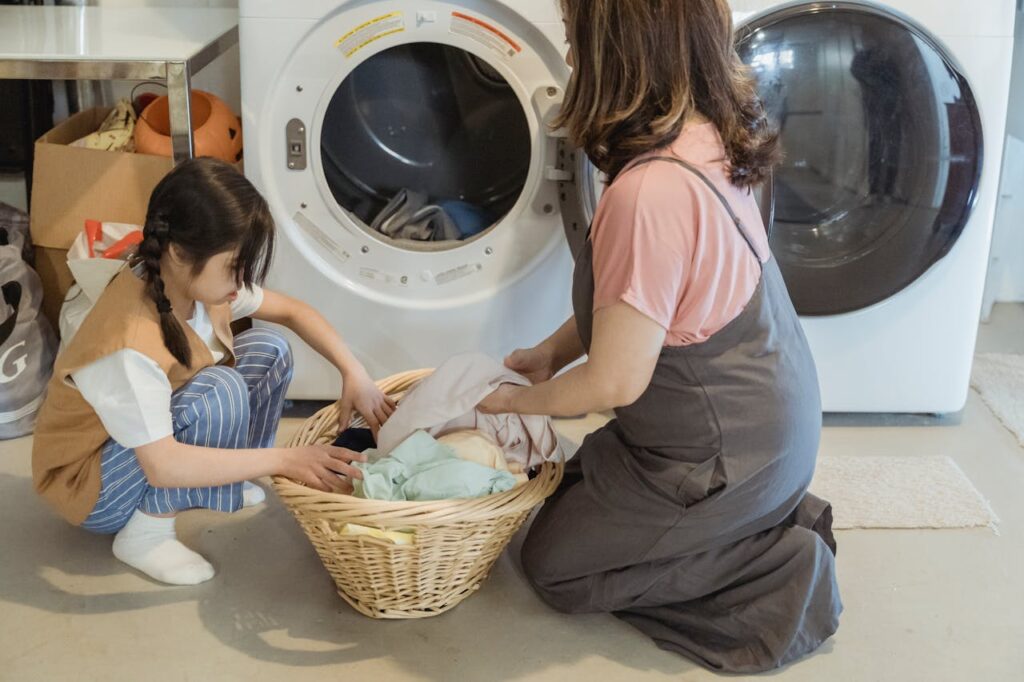
Research offers strong insight into why gratitude matters. A study by Robert Emmons and Michael McCullough published in 2003 found that consistent gratitude practices improve emotional well being in both youth and adults. Another study from Jeffrey Froh and colleagues in 2008 showed that adolescents who practiced gratitude experienced greater optimism and stronger social support.
Modeling gratitude is just as important as teaching it. Inviting your child to join you in service activities or small acts of kindness helps them see that fulfillment grows from contribution rather than accumulation.
Cheating and the Pressure to Win
The desire to prove oneself can become overwhelming for many children. Younger ones may bend the rules because they are still learning the meaning of fairness, while older children might cheat because they believe their worth is measured by how often they succeed. This pressure can come from school environments, social circles, or even the expectations they place on themselves.

Instead of addressing only the behavior, guide them toward understanding why honesty matters. Help them see that real confidence grows from effort, not shortcuts. Encourage them to reflect on how integrity feels compared to the temporary thrill of an unearned victory. When a child understands that success without honesty is an empty accomplishment, they begin to value growth instead of performance.
A study conducted in 2017 by Professor Kang Lee and his colleagues explored moral development in children and found that conversations centered on values are more effective than punishment in reducing dishonest behavior.
Disrespect and the Need to Be Heard
When a child lashes out with sharp words or a defiant tone, it is easy to interpret it as rebellion. Yet disrespect often comes from deeper emotional layers, such as confusion, frustration, or a sense of not being understood. Instead of reacting in the moment, bringing them aside once emotions have settled creates space for connection.

Encourage them to share their thoughts without interruption. This does not excuse the behavior, but it helps you understand its roots. Children learn how to communicate by watching how adults communicate. When they see you maintaining steady, respectful language even in tense moments, they absorb that example and begin to mirror it. Over time, they learn that being heard comes more easily when they express themselves with clarity and calm.
Lying and the Fear Behind the Falsehood
Lying is rarely about deception for its own sake. Many children hide the truth because they fear consequences or feel uncertain about how adults will respond. Younger children may mix imagination with reality as their cognitive abilities develop, while older children may lie out of anxiety or a desire to avoid disappointing someone they care about.
Approach these moments with curiosity rather than accusation. Invite them into a conversation that emphasizes honesty as a pathway to growth instead of punishment. Explain gently how trust forms the foundation of strong relationships and how falsehoods weaken that foundation over time. When children associate truth with safety and support, they begin to practice it more consistently.
Tantrums and the Struggle to Regulate Big Emotions
A tantrum is not a sign of a difficult child. It is a sign of a developing emotional system. Even children who appear mature can be overwhelmed by frustration, overstimulation, or unmet needs. Their reactions may be loud or intense, but beneath that intensity is a child who has not yet built the tools needed to regulate their emotions.
Your response becomes their model. Remaining calm, present, and steady helps them find emotional ground. Offering a quiet, safe place for them to pause allows their nervous system to settle. After the emotional wave has passed, you can discuss healthier ways to communicate discomfort or frustration. Many parents find success using simple strategies such as breathing exercises, counting pauses, or gentle grounding techniques. A study published in 2016 by Dr. Tara Chaplin examined how children learn emotional regulation and found that calm parental responses significantly improve a child’s ability to self regulate over time.

Bullying and the Misuse of Power
Bullying is one of the most alarming behaviors a parent can encounter. While many parents worry about their child being targeted, fewer anticipate that their child may be the one causing harm. Behaviors such as teasing, gossiping, or physical aggression often indicate deeper emotional struggles.
Instead of responding with shame, begin with questions that reveal what your child is experiencing. Some children bully because they feel insecure or powerless. Others do so to gain acceptance from peers. Help them see the real impact of their actions, not through guilt but through empathy. Teach them that strength is not measured by dominance, but by compassion and responsibility.
Defiance and the Disconnect in Listening
Defiance can show up in many forms, from ignoring instructions to resisting simple requests. Sometimes this behavior comes from distraction or overstimulation. Other times it is a child testing boundaries as they develop independence. But persistent defiance often signals that the child does not yet understand how their actions affect others.

Take a moment to remove them from the environment so that both of you can reset. Explain calmly why listening matters for relationships, not only for structure or safety. Encourage them to express what they feel and think. When children feel acknowledged and understood, their willingness to cooperate grows naturally.
Parenting as a Shared Evolution
The world often encourages us to focus on correcting children as if they are problems to solve, yet the deeper purpose of parenting reaches far beyond fixing. Parenting is a shared evolution in which both parent and child are shaped, challenged, and lifted by the experiences they move through together. It is not a one way transfer of knowledge from the older to the younger. It is a relationship between two human beings who are learning side by side, one simply beginning the journey earlier and the other beginning it later.
Every difficult moment with your child invites you to rise into a wiser and more grounded version of yourself. When you choose patience instead of punishment, you show them what emotional steadiness looks like. When you choose understanding instead of jumping to conclusions, you model the kind of empathy that builds trust. When you choose presence instead of reacting impulsively, you teach them what it means to move through conflict with clarity.
This path is not about perfection. It is about growth. It is about recognizing that both you and your child are learning how to navigate big feelings, misunderstandings, and shifting needs. With every challenge, you have the chance to guide them while also discovering more about your own strength, your own boundaries, and your own capacity for compassion.
In this shared evolution, love becomes more than emotion. It becomes action. It becomes the way you speak, the way you listen, the way you show up even when you are tired or unsure. When your child sees you choosing love in difficult moments, they learn that being human is not about avoiding mistakes. It is about learning from them, adjusting, and returning again and again to what truly matters.
A Closing Reflection on Growth
Parenting is not a pursuit of perfection. It is a daily practice of guiding, understanding, and adjusting. The challenges that arise are not signs of failure but reminders of the work that helps both parent and child grow.
Each moment that calls for your attention is a chance to understand your child more clearly and to understand yourself more honestly. These behaviors invite patience, steady communication, and a willingness to reconnect even after difficult moments.

When we approach parenting as an ongoing journey rather than a performance, we create space for real growth. We learn to respond with intention, to listen more fully, and to support our children in becoming grounded and thoughtful individuals while becoming more grounded ourselves.