


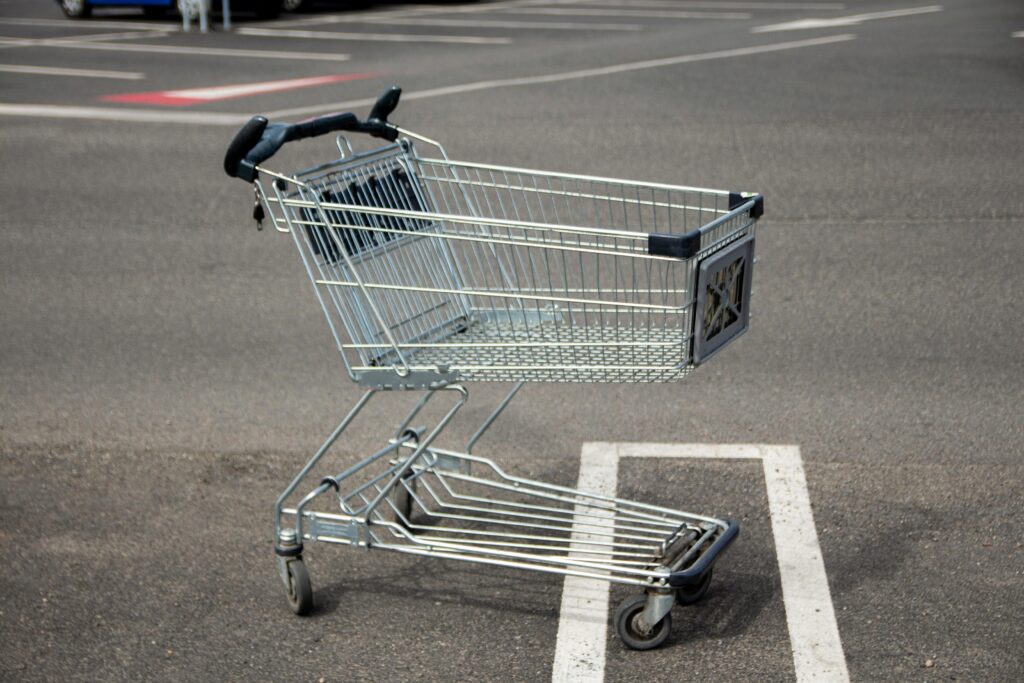
A grocery store parking lot is not usually the setting for deep reflections about human nature. It is a place where people rush between errands, load bags into trunks, and head home as quickly as possible. Yet scattered across parking lots everywhere is a small everyday decision that has sparked an enormous debate online. What someone does with their shopping cart after unloading groceries.
In recent years, the idea known as the “Shopping Cart Theory” has spread widely across social media. The premise is simple. When someone finishes shopping, they can either return the cart to a designated area or leave it in the parking lot. There is usually no reward for returning it and no punishment for abandoning it. Because of that, some people believe the choice reveals something deeper about a person’s character.
The theory has triggered passionate arguments across Reddit threads, viral memes, and opinion pieces. Some insist it is the ultimate test of whether someone will do the right thing when no one is watching. Others argue that judging a person’s morality based on a single parking lot decision oversimplifies human behavior. Psychologists and researchers have since stepped in to examine why this tiny everyday moment seems to say so much about society.
The Viral Theory That Started an Unexpected Debate

The idea commonly called the Shopping Cart Theory did not originate in an academic journal or psychological study. It gained traction from an anonymous post shared on the internet that framed returning a cart as a kind of moral test. According to the original argument, returning a shopping cart is the ultimate demonstration of self governance.
The reasoning behind it is straightforward. Returning a cart is easy. Most people know it is the right thing to do. Yet there is usually no enforcement mechanism that forces someone to do it. Because it is not illegal to abandon a cart, the decision becomes purely voluntary.
Supporters of the theory claim that this situation creates a unique test of civic responsibility. When someone returns their cart, they are choosing to do something helpful even though there is no reward. They are preventing carts from rolling into cars, blocking parking spaces, or creating extra work for store employees.
From that perspective, the theory suggests a clear divide. Those who return their carts are willing to follow social norms without being forced. Those who do not may only behave responsibly when rules or consequences are present.
This framing quickly resonated online because it transforms an ordinary task into something symbolic. A shopping cart becomes less about groceries and more about the invisible agreements that allow societies to function.
A Parking Lot Experiment in Human Behavior
While the viral theory captured attention, psychologists have also tried to understand the behavior more systematically. One researcher examined hundreds of real world interactions involving abandoned carts and people being asked to return them.
The data came from a YouTube channel called Cart Narcs, which documents encounters with shoppers who leave their carts behind. Across hundreds of recorded interactions, a surprising range of reactions emerged.
Some people immediately returned their carts when asked. Others refused outright. Many offered elaborate explanations or excuses for why they had left the cart where it was.
Certain patterns appeared repeatedly.
Some shoppers responded with deflection. Instead of addressing the request, they questioned the authority of the person asking them. They asked questions such as whether the person worked for the store or had the right to tell them what to do.
Others reacted with anger or hostility. In several videos, confrontations escalated into shouting, insults, or even threats. The intensity of these responses often seemed disproportionate to the small act of returning a cart.
Another group justified their behavior by pointing to social roles. Many argued that employees are paid to collect carts, suggesting that returning one themselves would take away someone else’s job.
At the same time, there were also many moments of quiet accountability. Some shoppers admitted they were wrong and returned the cart. Others simply complied without argument. These small moments revealed something important about human behavior. People do not respond to social expectations in the same way.
The Psychology Behind Everyday Choices

Behavioral science offers several explanations for why such a simple decision produces such different outcomes. The first involves incentives.
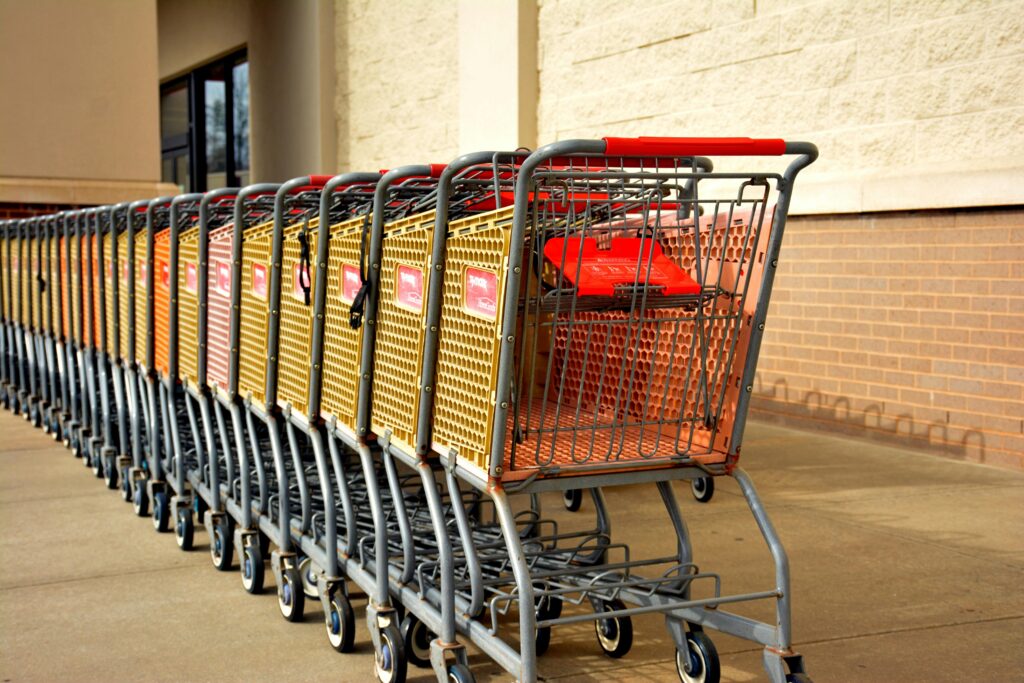
Some grocery stores use a deposit system that requires customers to insert a coin before taking a cart. When the cart is returned, the coin is released. This small financial incentive dramatically increases the likelihood that carts are returned.
The system is widely used in parts of Europe and by certain supermarket chains in North America. By attaching even a small reward to the action, the store changes the decision from a purely voluntary task into a transaction.
But incentives alone do not fully explain the behavior. Social hierarchy also plays a role. Many people who refuse to return carts justify their actions by saying that someone else is paid to do that job.
Psychologists note that when a task is perceived as low status, people may feel less obligated to perform it themselves. In those situations, ignoring the task becomes easier because responsibility is mentally assigned to someone else.
Social norms are another powerful influence. Humans often look to the behavior of others to decide what is acceptable. When a parking lot is filled with stray carts, the visual signal suggests that leaving them behind is normal. When carts are neatly stacked in return areas, the opposite message is communicated.
These signals can shape behavior in subtle ways. A person who might normally return a cart could decide not to if they see several abandoned ones nearby. In the same way, seeing others return carts can reinforce the expectation that it is the right thing to do.
The Many Reasons People Leave Carts Behind

While the debate often paints the issue in moral terms, real life situations are rarely that simple. There are many practical reasons why someone might leave a cart in the parking lot.
One common explanation is distance. In large parking lots, the nearest cart return area might be far from where someone has parked. After a long shopping trip, walking the extra distance may feel inconvenient.
Parents with young children face a different challenge. Leaving a child alone in a car while returning a cart can feel unsafe, even if it would only take a few seconds. For some parents, the safest option is to place the cart nearby and leave.
Weather conditions also influence behavior. Heavy rain, extreme heat, or icy pavement can make the extra trip unpleasant or even risky.
Physical limitations matter as well. Older adults, people recovering from injuries, or individuals with chronic health conditions may find the walk back to a cart return difficult.
Psychologists emphasize that these contextual factors are important. A single moment in a parking lot rarely tells the full story of someone’s intentions or character.
How Social Norms Shape Everyday Order

Researchers have long studied how visible signs of disorder influence behavior. A well known experiment published in the journal Science explored how violations of one social rule can encourage violations of others.
In one test, researchers placed flyers on bicycles parked in alleys. Some alleys were clean, while others had graffiti despite signs prohibiting it. When graffiti was present, far more people discarded the flyers on the ground rather than disposing of them properly.
The presence of one broken rule seemed to signal that other rules could also be ignored.
A similar effect appears in grocery store parking lots. When carts are scattered across the area, they subtly communicate that leaving carts behind is acceptable. The environment itself becomes a signal that influences behavior.
When parking lots are orderly and carts are returned consistently, the opposite effect occurs. The visible norm encourages people to follow the same behavior.
This dynamic helps explain why the shopping cart debate resonates beyond grocery stores. The act represents a small piece of the larger system of informal rules that keep public spaces functioning smoothly.
Why the Theory Resonates Even if It Oversimplifies People
Despite its popularity, psychologists caution against treating the Shopping Cart Theory as a reliable measure of character. The concept is appealing because it reduces a complicated question about morality into a simple everyday action.
Experts say that human behavior is rarely that straightforward. Personality traits such as empathy, conscientiousness, and agreeableness can influence prosocial actions. However, these traits interact with circumstances, stress, time pressure, and environmental cues.
Someone who usually returns their cart might leave it behind on a particularly stressful day. Another person who rarely does might decide to return it when they notice an elderly shopper struggling nearby.
In other words, context matters.
Psychologists also point out that judging strangers based on brief observations can lead to incorrect conclusions. A person who appears careless might be dealing with physical pain, rushing to an urgent appointment, or managing responsibilities that are invisible to others.
Still, the theory persists because it captures a feeling many people share. The idea that societies depend on small acts of consideration is intuitively appealing. Returning a cart requires only a few extra seconds, yet it can prevent inconvenience or damage for someone else.
A Small Act With a Surprisingly Big Meaning
In the end, the debate about shopping carts reveals something interesting about how people think about responsibility. It is not really about metal carts rolling through parking lots. It is about expectations of fairness, cooperation, and mutual respect.
Public spaces function because of countless small decisions made by individuals throughout the day. Waiting your turn in line, throwing trash in a bin, holding a door open for someone behind you. These actions rarely bring recognition, but they help create environments where people can move through the world with fewer frustrations.
Returning a shopping cart falls into that same category. It is a minor action that contributes to the shared experience of everyone who uses the space after you.
At the same time, the conversation around the Shopping Cart Theory serves as a reminder to approach others with a degree of humility. Human behavior is shaped by circumstances as much as by character. The stranger who left a cart behind may simply be navigating challenges that are not immediately visible.
Perhaps the most useful takeaway is not to treat the act as a moral purity test. Instead it can be viewed as an opportunity for a small moment of consideration. A simple habit that takes only seconds yet quietly makes life easier for the next person who pulls into that parking lot.
In a world filled with complicated debates about ethics and responsibility, it is remarkable that such a tiny everyday choice has managed to capture so much attention. Whether someone sees the act as a sign of civic duty or just a practical courtesy, the conversation reveals a shared desire for communities where people look out for one another.
And sometimes, that sense of community begins with something as simple as pushing a cart back to where it belongs.