

A Mom’s 10-Year Silent Reading Ritual Is Changing How Families Wind Down
True rest is rapidly becoming a lost art. You might often confuse pure exhaustion with actual peace, dragging the heavy weight of a stressful day straight to the pillow. The transition from waking life to deep sleep should be a gentle bridge, but right now, it probably feels like a sudden drop in the dark. What if the key to unlocking profound relaxation has been hiding in plain sight all along?
There is a simple, forgotten practice that requires no technology, no expensive supplements, and no complex routines. It actively shifts the brain away from anxiety and prepares the body for true recovery. It holds the power to transform your most stressful hours into a personal sanctuary, and it begins with one highly intentional choice.
A Simple Bedtime Rule With Powerful Results
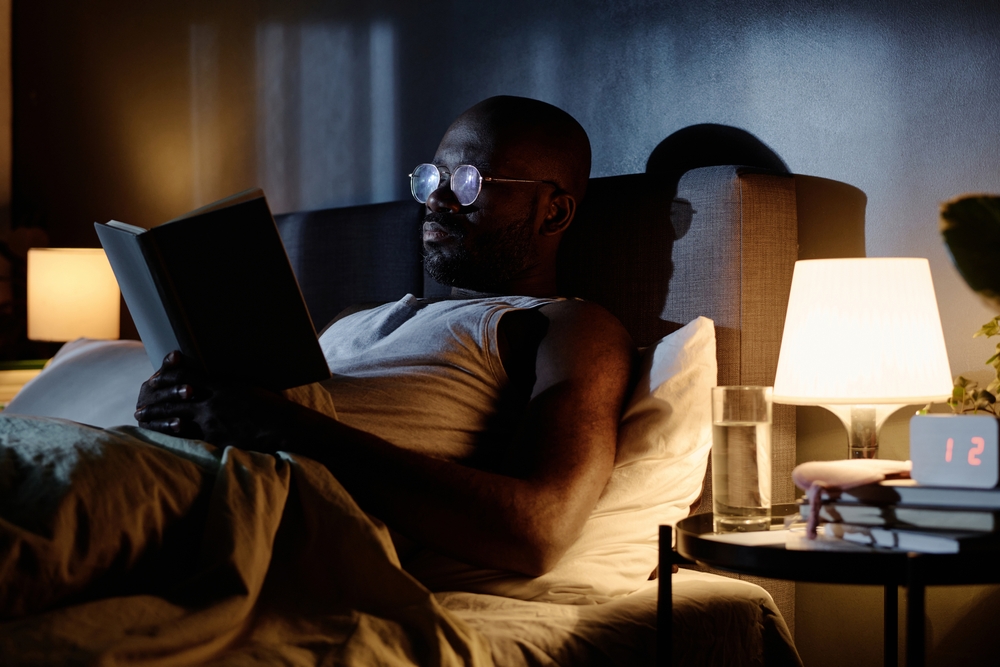
Bedtime usually looks the same in most modern homes. The television is loud. Thumbs scroll mindlessly through glowing screens. People run on fumes until they simply pass out. But the end of the day can look completely different.
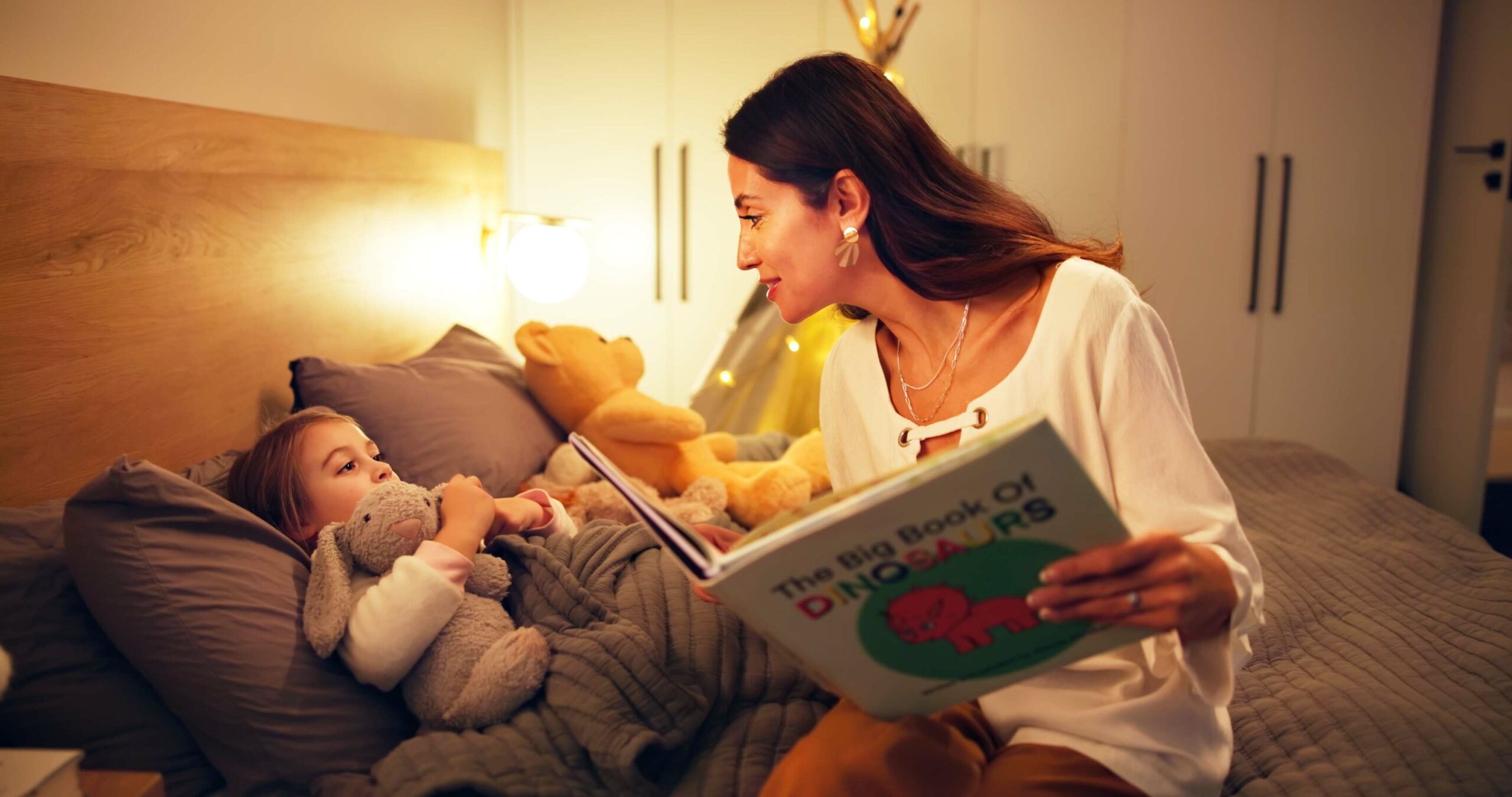
Consider a mother named Becca Pike. Ten years ago, she started a simple evening routine with her family. Her house has a strict rule: lights out at eight o’clock. But there is a catch. If you are reading a book, you get to stay up until nine.
The negotiation worked. Her kids eagerly took the deal to avoid going to sleep early. Even the toddlers who could not read yet would sit quietly and stare at picture books. Over the years, this evolved into a powerful tradition. Instead of ending the day with blaring noise and flashing lights, the family gathers in complete silence.
This small shift changed the entire atmosphere of their home. The children learned how to sit comfortably with boredom. They discovered how to find joy in quiet moments. Reading became a cozy privilege instead of a mandatory chore. The parents got a much needed break from chores and screens. The whole house found a shared pause button.
Relaxation does not happen by accident. It must be intentionally carved out of a busy schedule. In a world that constantly demands attention, an hour of quiet time is a profound gift. It proves that finding peace does not require an elaborate escape. Sometimes, all it takes is a firm boundary, a good book, and the choice to turn off the noise.
How Reading Rewires the Nervous System
Your body is constantly reacting to the world. Notifications, fast deadlines, and loud environments keep the nervous system locked in a state of high alert. This is the classic fight or flight mode. But opening a book acts as a physical reset button.
Reading does far more than entertain the mind. It actively alters neurochemistry in real time. When attention is poured into a single narrative, the brain is forced to sustain focus instead of scattering it across a dozen glowing screens. This deep concentration shifts the autonomic nervous system. The body moves out of the stressful fight or flight state and settles into the calming rest and digest state.
The physical changes are highly measurable. Heart rates slow down. Breathing becomes deeper and much more steady. Muscle tension actively decreases. The body physically relaxes just by decoding ink on a page.
Interestingly, this process relies on some of the oldest circuitry in the human brain. Long before written language existed, early humans survived by reading their environment. They read animal tracks in the dirt and weather patterns in the clouds. Today, neuroscientists refer to the neuronal recycling hypothesis. The human brain simply repurposed those ancient pattern recognition networks to read books.
Reading also acts as a safe rehearsal for actual life. Brain imaging shows that reading about an experience activates the exact same neural regions as actually living it. Reading about a character running activates the motor cortex. Reading about emotional pain triggers the centers for real empathy. It is a full body experience disguised as a quiet hobby.
By choosing a book over a digital distraction, the nervous system gets exactly what it needs to heal and recharge.
The Science-Backed Way to Prepare for Sleep
Millions of people wrestle with sleep every single night. Tossing and turning has become a modern epidemic. Often, the culprit is the very device resting on the nightstand. The blue light glowing from digital screens actively blocks the brain from releasing melatonin. This keeps the body awake and alert long after the room goes dark.
Swapping that screen for a physical book changes the entire sleep equation. Research consistently shows that reading before bed helps people fall asleep faster, wake up less often, and rest much deeper. It acts as a powerful psychological signal. When a book is opened at the exact same time every evening, the brain learns that the busy day is officially over.
The type of book matters greatly. A fast paced thriller or a terrifying horror novel will only elevate the heart rate. The goal is relaxation, not a sudden spike in adrenaline. Choose materials that calm the mind and pull focus away from the lingering stresses of the day.
While electronic readers are incredibly convenient, traditional paperbacks or hardcovers remain the best tools for the job. Even e-readers with adjusted settings emit some sleep disrupting light. Audiobooks offer a wonderful way to relax, but studies indicate they do not provide the exact same sleep benefits as the physical act of reading ink on a page.
To maximize this habit, consistency is key. Dim the lights. Let the room cool down. Open a good book. By creating a predictable evening ritual, the transition from a chaotic day to a peaceful night becomes entirely effortless.
The Art of Intentional Reading

To truly unlock the healing power of a book, intention matters. Simply forcing eyes across a page is never enough. The practice must be deliberate to create a lasting impact.
First, consider the content. Nonfiction engages the analytical brain, which is great for learning. But fiction provides the most complete break from daily stress. A good story allows the mind to step entirely away from active problem solving and worry.
Next, match the material to the current mental state. When anxiety is running high, a complex literary masterpiece might feel far too heavy. Start with something light and easy to digest. As the nervous system begins to settle down, shift toward more challenging stories that engage different networks in the brain.
Curiosity must always be the compass. The stress reducing benefits of a book rely entirely on full absorption. If a story is not connecting, put it down without guilt. Pick up something that sparks genuine interest. Forced attention does not heal a tired mind.
This practice also extends far beyond the individual. Reading to children is one of the most effective ways to help them rest. Children who share bedtime stories are significantly less likely to struggle with falling asleep compared to those who play video games or watch television before bed. Furthermore, children who are read to show marked improvements in both behavior and language development.
By creating specific rituals, the habit sticks. Sit in the same comfortable chair. Brew a warm cup of herbal tea. Make the experience feel like a special reward, rather than a nightly homework assignment. It is a highly accessible tool for nervous system regulation, available to anyone willing to simply turn the page.
Pause the World. Open a Book.

Taking back the evening does not require a massive life overhaul. It starts with one deliberate choice. Turn off the screens and open a book. This single act changes the entire temperature of a room. It tells the mind that the daily race is paused. It gives the physical body permission to finally rest.
The world outside will always be loud. It will always ask for more energy and more attention. But the hours right before bed belong to no one else. Protect that time. Do not let the night slip away into a blur of endless scrolling and bright lights.
Start tonight. Leave the phone in another room. Turn off the television. Find a comfortable spot and read just one chapter. Let the turning of a physical page be the loudest sound in the house. Peace is not something that simply arrives at the doorstep. It is something you actively choose to create.
Featured Image Source: Shutterstock