

Study Warns Common Sugar Substitute May Weaken the Brain’s Natural Defenses
The idea that a sugar substitute could quietly interfere with the brain has captured widespread attention. For years many people have reached for low calorie sweeteners believing they were making a safer choice for long term health. New research is now challenging that assumption by pointing to potential risks for the brain and the cardiovascular system.
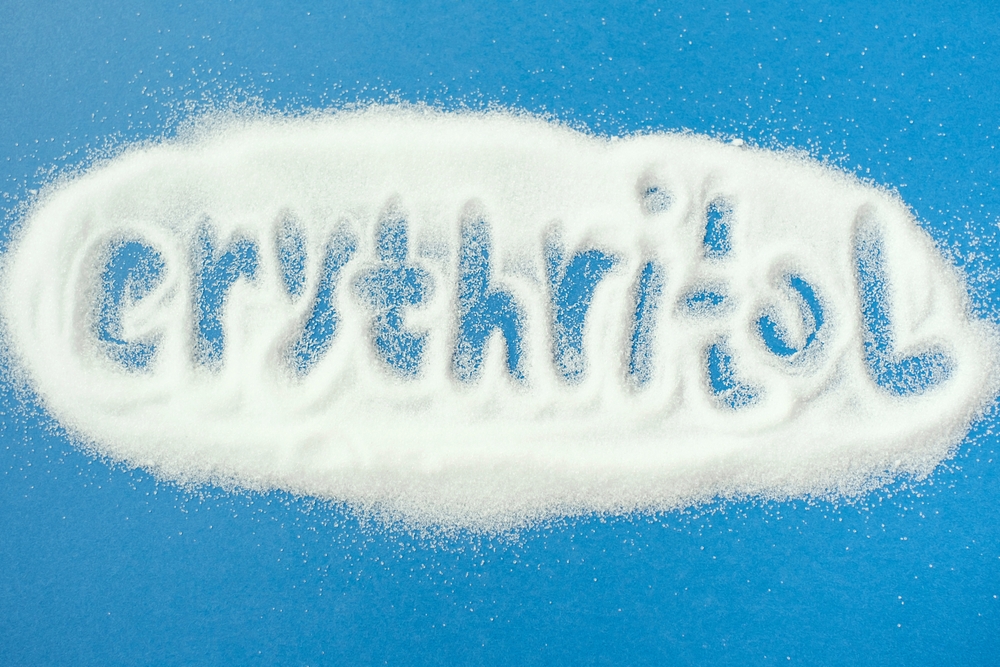
Recent studies have focused on erythritol a sweetener commonly found in sugar free drinks protein bars and keto friendly snacks. Once marketed as a harmless alternative it is now being examined for its impact on the blood brain barrier a critical defense system that protects the brain from toxins and inflammation.
As these findings circulate they raise important questions about how everyday dietary choices may affect neurological health. They also highlight how substances considered safe for years can reveal unexpected consequences when studied more closely.
Understanding the Blood Brain Barrier and Why It Matters
The blood brain barrier is one of the body’s most important protective systems. It acts as a highly selective filter allowing essential nutrients to reach the brain while blocking harmful chemicals pathogens and inflammatory molecules from entering sensitive brain tissue.
This barrier is formed by tightly packed brain endothelial cells supported by surrounding structures that work together to maintain stability. When functioning properly it helps regulate brain chemistry supports cognitive function and reduces the risk of neurological disease.
Damage to the blood brain barrier has been linked to conditions such as stroke dementia and neurodegenerative disorders. Even subtle disruptions can allow unwanted substances into the brain triggering inflammation and long term damage.
Because of its vital role any substance that weakens this barrier deserves serious attention. Researchers emphasize that understanding what compromises this system is essential for preventing future brain related illnesses.
The Sweetener at the Center of the Research
Erythritol is a sugar alcohol that occurs naturally in small amounts in some fruits but is also produced industrially for use as a zero calorie sweetener. It has become especially popular among people managing diabetes or following low carbohydrate diets.
Unlike traditional sugar erythritol does not spike blood glucose levels which helped build its reputation as a healthier alternative. It has been widely added to beverages baked goods and sugar free candies without much public concern.
However scientists are now questioning whether metabolic benefits alone tell the full story. New evidence suggests erythritol may interact with blood vessels and brain cells in ways previously overlooked.
The growing presence of erythritol in everyday foods means even small biological effects could add up over time. This has made recent findings particularly concerning for researchers studying long term brain health.
What the New Studies Revealed
According to findings highlighted by the American Physiological Society researchers observed that erythritol exposure impaired the function of brain endothelial cells. These cells are essential components of the blood brain barrier and play a key role in maintaining its integrity.
The study found that erythritol increased oxidative stress within these cells. Oxidative stress is known to damage cellular structures and interfere with normal signaling processes that keep blood vessels healthy.
Researchers also noted reduced production of nitric oxide a molecule critical for blood vessel relaxation and proper circulation. Reduced nitric oxide levels can contribute to vascular dysfunction and elevate the risk of stroke.
These findings suggest that erythritol may weaken the brain’s natural defenses while simultaneously stressing the cardiovascular system creating a concerning combination of effects.

Evidence Linking Erythritol to Stroke Risk
Additional research from the University of Colorado added further weight to these concerns. Scientists reported that erythritol exposure impaired brain cell function and was associated with increased markers linked to stroke risk.
The study emphasized that even short term exposure led to measurable changes in cellular behavior. This challenges the assumption that occasional consumption is harmless.
Researchers observed that erythritol altered how brain cells responded to stress and injury. Such changes could make the brain more vulnerable during events like reduced blood flow or clot formation.
While these findings do not prove direct causation in humans they raise important red flags. Experts stress that the cumulative effect of frequent consumption could be more significant than previously believed.
How Erythritol May Affect the Heart and Blood Vessels
Beyond the brain erythritol has also been linked to cardiovascular concerns. Researchers have found that it may increase platelet activity which plays a role in blood clot formation.
Heightened platelet reactivity can raise the risk of clots that block blood flow to the heart or brain. This is especially concerning for individuals already at risk for cardiovascular disease.
Some studies have observed correlations between high blood levels of erythritol and increased incidence of heart attacks and strokes. While correlation does not equal causation it underscores the need for caution.
Scientists note that the vascular system and brain health are closely connected. Any substance that disrupts blood vessel function may have cascading effects throughout the body.

Why These Findings Matter for Everyday Consumers
Erythritol is not an obscure ingredient found only in specialty products. It appears in many mainstream foods marketed as healthy alternatives making exposure widespread.
Consumers often assume that products labeled sugar free or low calorie are inherently better for long term health. These studies challenge that assumption and suggest that ingredient quality matters as much as calorie count.
The potential impact on the blood brain barrier raises concerns not just for older adults but also for younger people who consume these products regularly. Brain health is influenced by lifelong habits not just late life choices.
Understanding these risks empowers consumers to make more informed decisions. It also highlights the importance of moderation and awareness when choosing sugar substitutes.
Rethinking the Role of Sugar Substitutes
The rise of sugar substitutes was driven by a desire to combat obesity and diabetes. While reducing sugar intake remains important these findings suggest that substitutes are not automatically risk free.
Some researchers argue that the focus should shift toward reducing overall sweetness preferences rather than replacing sugar with alternatives. This approach may help reset taste expectations over time.
Natural sources of sweetness such as whole fruits come with fiber antioxidants and nutrients that support metabolic and brain health. These benefits cannot be replicated by isolated sweeteners.
Reevaluating how sweetness fits into daily diets could have broader benefits beyond avoiding specific ingredients. It may support healthier relationships with food overall.
Reflecting on Brain Health and Daily Choices
The discovery that a popular sweetener may damage the brain’s protective barrier has sparked important conversations about diet and long term health. While more research is needed the existing evidence is enough to warrant caution.
This moment offers an opportunity to reflect on how convenience and marketing influence food choices. It also highlights the value of questioning assumptions about what it means to eat healthy.
By staying curious and open to new information readers can adapt their habits in ways that support both brain and heart health. Small changes made consistently often have the greatest impact.
As science continues to uncover the complex relationship between diet and the brain one message remains clear. What we consume daily plays a powerful role in shaping our future wellbeing.
Featured Image Credit: Photo by Saulo Ferreira Angelo | Shutterstock