


The Energy You Give Becomes The Life You Meet
There are days when life feels random, as if peace, conflict, opportunity, and pain arrive without pattern. Then you look closer and notice something quieter happening beneath the surface. The way you speak, respond, forgive, help, and hold your own energy begins shaping the emotional climate around you.

One line captures the heart of this idea: “what you give is what you receive.” Karma can sound mystical, but on the ground level of daily life, it is deeply practical. Your choices become habits, your habits become character, and your character becomes the way life experiences you back.
1. Tell The Truth, Even When It Feels Uncomfortable
Truth has a strange power. It may feel heavy before you speak it, but it often makes the spirit lighter once it leaves your mouth. When you keep choosing small dishonesties, even to avoid discomfort, you begin creating distance between the person you are and the person you present to the world.
That distance can become exhausting. You remember what you said, adjust yourself around people, and carry conversations that never feel fully clean. The guidance says it simply: “Truth creates alignment. And alignment creates peace.” That peace is not always immediate, but it is real.
A University of Notre Dame study reported by Notre Dame News found that participants who reduced lying during a 10-week period experienced fewer mental and physical health complaints. In the no-lie group, weeks with fewer white lies were linked with fewer complaints such as tension, melancholy, sore throats, and headaches.
Honesty does not require cruelty. You can be truthful without turning your words into weapons. The deeper practice is learning how to say what is real with enough care that truth becomes a bridge, rather than a blade.
2. Live Purposefully And Set Clear Intentions
A life without intention can still be busy, productive, and impressive from the outside. The question is whether it feels aligned from the inside. Purpose begins when you stop moving only from pressure and start asking what kind of energy you want to leave in each room you enter.
Good karma grows through conscious direction. Before you answer the message, make the choice, start the conversation, or react to the person who upset you, there is a small opening. In that space, you can choose the version of yourself you want to strengthen.

Clear intentions do not have to be dramatic. You can begin the day by deciding to be more patient with your family, more present with your work, more honest with yourself, or more generous with someone who needs support. Those choices may look small, but repeated long enough, they become a life philosophy.
Living purposefully also protects you from drifting into other people’s chaos. When your values are clear, every mood does not get to become your master. You still feel anger, fear, envy, and frustration, but those emotions no longer make every decision for you.
3. Help Others Without Expecting Anything Back
There is a kind of help that still carries a hidden invoice. You give, but part of you waits to be praised, repaid, noticed, or remembered. That kind of giving can still do good, but it does not free the heart in the same way.
Good karma grows strongest when the help is sincere. You listen because someone needs to be heard. You encourage because someone is losing hope. You show up because life gave you enough strength in that moment to share some of it.
Research study on prosocial behavior and well-being found that kind acts can generate positive affect, including among people experiencing social anxiety. The study examined how helping behavior connects with psychological well-being and emotional experience.
Helping others also has a way of healing the helper. When you lift someone else, you remember that your life has use beyond your own problems. You may not solve the whole pain of the world, but you can reduce the pain within your reach.
4. Practice Kindness In Small Everyday Moments
Kindness is often imagined as something grand, like a public act of generosity or a life-changing sacrifice. Most of the time, kindness is quieter. It appears in the tone you use when you are tired, the patience you offer when someone is slow, and the respect you give when nobody is watching.
Small kindness counts because daily life is built from small exchanges. A warm answer can calm a tense room. A careful word can protect someone’s confidence. A moment of patience can stop pain from being passed from one person to the next.

This is where karma becomes practical. You are constantly planting emotional seeds through ordinary behavior. The cashier, the coworker, the child, the stranger online, and the person you disagree with all meet some version of your energy.
Kindness does not mean becoming passive or letting people mistreat you. It means choosing not to become careless with your humanity. Boundaries and kindness can live together when both are rooted in self-respect.
5. Take Responsibility For Your Actions And Energy
Responsibility is one of the most mature forms of spiritual strength. It asks you to stop giving every difficult part of your life a villain and start looking honestly at your own patterns. That does not mean blaming yourself for everything, but it does mean refusing to stay unconscious.
Every person carries energy into a room. Some people bring calm. Some bring tension. Some bring attention, criticism, fear, humor, courage, or peace. The question is not whether your energy affects others. The question is whether you are aware of what you keep bringing.
Taking responsibility means noticing when you interrupt, withdraw, exaggerate, avoid, judge, or repeat old reactions. It means apologizing without turning the apology into a defense. It means learning from pain instead of building an identity around it.
This is where negative karma begins to lose power. A pattern cannot keep controlling you once you become honest enough to see it. Awareness opens the door, but responsibility is what walks through it.
6. Let Go Of Negativity, Resentment, And Envy
Resentment feels powerful at first because it gives pain a target. Over time, it becomes a room you keep renting inside yourself for someone who may have moved on. The cost is your peace, your clarity, and your ability to receive the present moment fully.

Letting go does not erase what happened. It does not excuse harm, deny betrayal, or demand reconciliation with people who are unsafe. It means deciding that your future deserves more space than your wound.
A study examined forgiveness, stress, and health over five weeks. The researchers found that increases in forgiveness were associated with decreases in stress, which were then linked with improvements in mental and physical health symptoms.
Envy works in a similar way. It trains your mind to measure your life through someone else’s timeline. When you release comparison, you recover the energy needed to build what is actually yours.
Why Good Karma Changes The Person You Become
The deeper reward of good karma is not that life suddenly becomes easy, predictable, or perfectly fair. The deeper reward is that you begin trusting yourself again. When your choices become more honest, generous, patient, and intentional, you no longer have to live divided between what you believe and how you behave. That inner consistency creates a quiet confidence that no outside approval can fully give you.

This is where karma becomes less about waiting for the universe to reward you and more about becoming the kind of person who can carry peace without losing it so easily. You start noticing that your reactions are not fixed. Your habits are not permanent. Your past does not have to keep repeating itself through your present behavior. Every time you choose truth over comfort, service over ego, or forgiveness over resentment, you strengthen the part of yourself that wants to live with more clarity.
Over time, those choices shape your identity. You become someone who does not need to be watched in order to do what is right. You become someone whose kindness is not dependent on convenience. You become someone who can meet difficulty without handing your character over to it. That is one of the most powerful forms of good karma: becoming a person you can respect when you are alone with your own thoughts.
The Life You Build Through Daily Alignment
The beautiful thing about karma is that it places power back in your hands. You cannot control every outcome, every person, or every season of life. You can control the energy you practice, the truth you honor, the kindness you offer, and the patterns you choose to stop feeding.
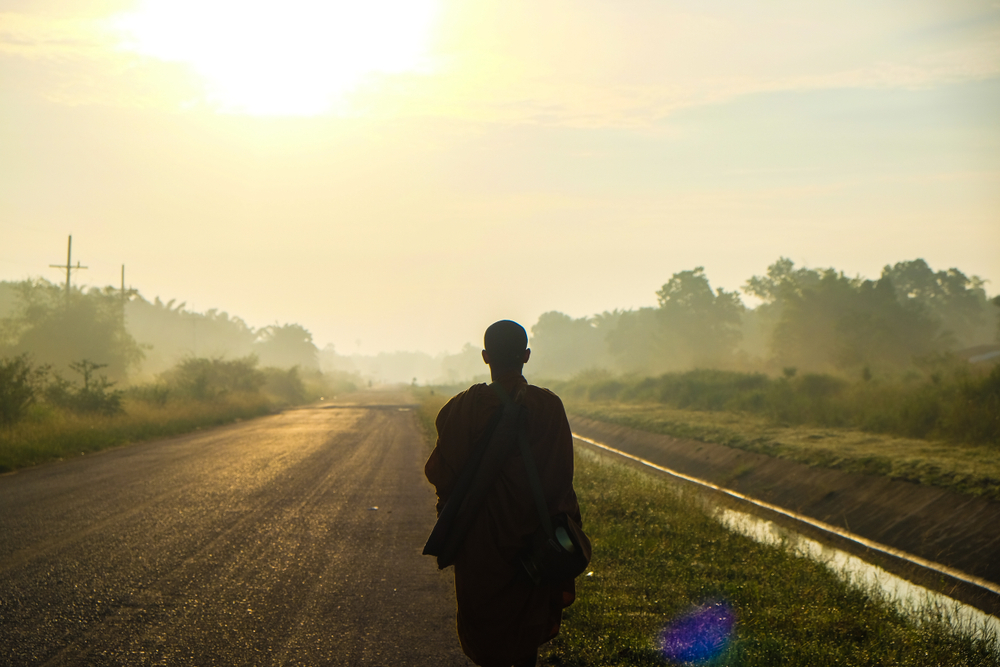
The past may have shaped you, but it does not get the final vote. As the original guidance says, “you’re not stuck with your past.” Every honest word, generous act, peaceful response, and released resentment becomes a new seed in the soil of your life.
Good karma begins when your outer actions start matching your inner values. Live that way long enough, and your life becomes less about chasing peace and more about becoming the kind of person peace can recognize.
Featured Image from Shutterstock