

The Hidden Cave That Revealed How The Last Neanderthals Truly Lived
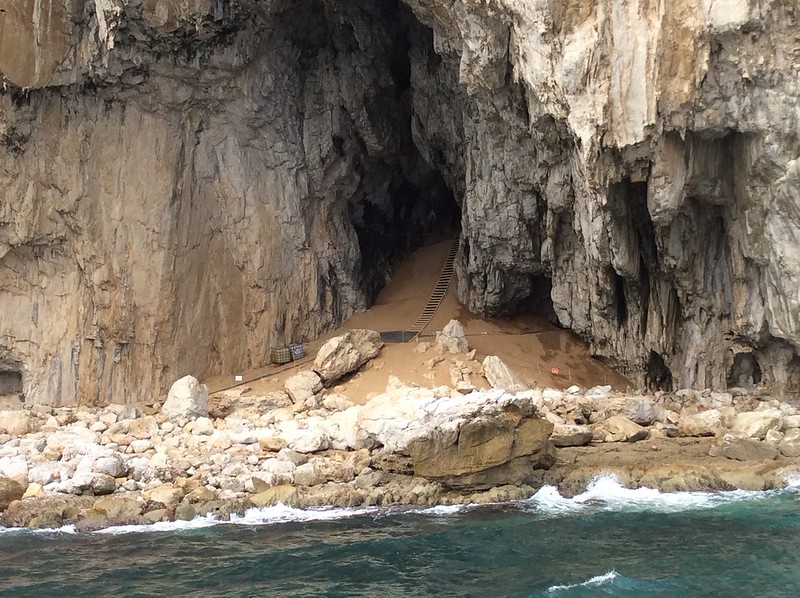
For decades, the story of the Neanderthals has hovered between myth and mystery. Often portrayed as brutish or simple, these ancient humans have long been misunderstood, their lives flattened into stereotypes that say more about modern assumptions than prehistoric reality. But deep within a cave in Gibraltar, a discovery has quietly challenged nearly everything we thought we knew.
When archaeologists carefully opened a cave chamber sealed for forty thousand years, they were not just stepping into an untouched physical space. They were stepping into a moment frozen in time, one that preserved the final chapter of Neanderthal existence. What they found was not chaos or abandonment, but evidence of planning, adaptation, and resilience.
This discovery does more than add another chapter to human history. It forces us to reflect on survival, ingenuity, and the shared traits that bind modern humans to our closest extinct relatives.

A Cave Locked In Time
The cave system, located in Gibraltar, has long been known to researchers as a significant archaeological site. However, this particular chamber remained sealed off by sediment and rock for tens of thousands of years, protecting it from environmental damage and human interference. Its isolation created a rare time capsule, preserving traces of life exactly as they were left.
Archaeologists approached the chamber with caution, understanding that even a small disturbance could erase invaluable clues. Layer by layer, sediment was removed using meticulous techniques, revealing surfaces untouched since Neanderthals last occupied the space. The lack of later human activity made the site especially valuable, offering a clear and uncontaminated snapshot of Neanderthal life.
Inside, researchers found hearths, tools, and animal remains positioned in ways that suggested deliberate organization. These were not random leftovers of a chaotic existence. Instead, they reflected routine, structure, and intention. The chamber appeared to serve as a living space rather than a temporary shelter.
The significance of this find lies not just in its age, but in its completeness. Many prehistoric sites are layered with evidence from multiple species and time periods. This chamber, by contrast, tells a focused story, one centered on the final generations of Neanderthals.
Life At The Edge Of Extinction
By the time this cave was sealed, Neanderthals were already disappearing across Europe. Climate shifts, dwindling resources, and the spread of Homo sapiens placed increasing pressure on their populations. Gibraltar, with its relatively stable environment, may have been one of their last refuges.
Evidence from the chamber suggests that Neanderthals here had adapted remarkably well to their surroundings. They exploited coastal resources, hunted land animals, and made use of plants, demonstrating a flexible and varied diet. This adaptability may have allowed them to survive longer in this region than elsewhere.
Researchers also observed patterns that hinted at seasonal occupation. The placement of hearths and food remains suggested repeated use over time, possibly tied to migration patterns of animals or changes in weather. This level of planning challenges older assumptions that Neanderthals lived only in the moment.
Rather than depicting a species in decline, the chamber reveals a community still actively solving problems and adjusting to a changing world. It paints a picture of people doing everything possible to endure, even as their numbers dwindled.
Tools That Tell A Story
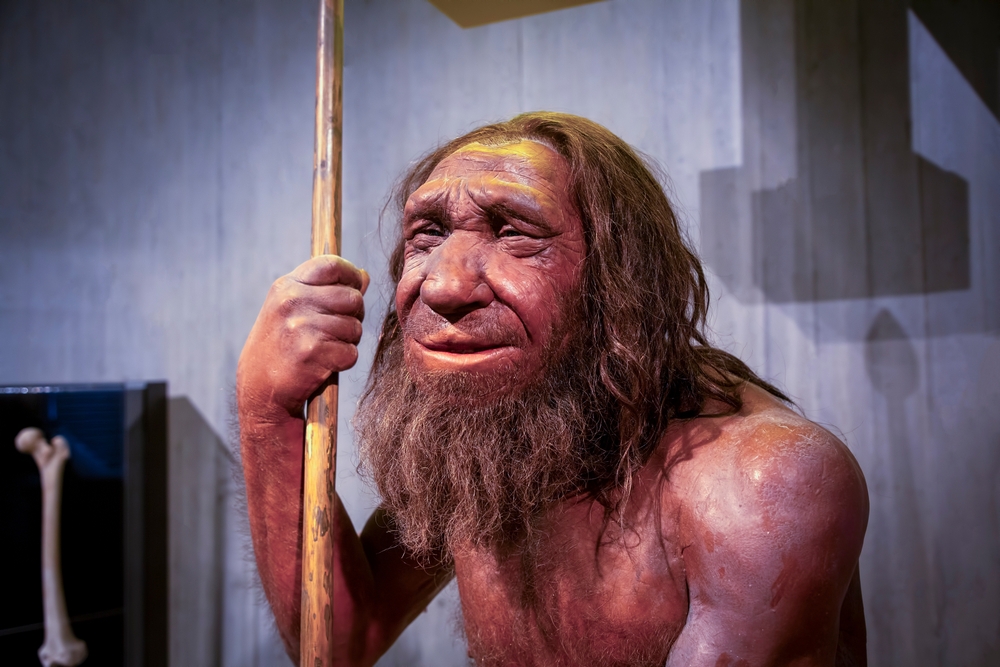
Among the most revealing discoveries were the stone tools scattered throughout the chamber. These tools were not crude or haphazard. They showed careful craftsmanship, with edges shaped for specific tasks such as cutting meat or processing plants.
The choice of materials also mattered. Neanderthals selected stones that balanced durability and sharpness, indicating knowledge passed down through generations. Some tools showed signs of repeated use and maintenance, suggesting that they were valued possessions rather than disposable items.
The arrangement of tools within the cave hinted at designated activity areas. Certain spots appeared to be used for food preparation, while others were likely reserved for tool making. This spatial organization reflects a cognitive sophistication often denied to Neanderthals in the past.
Taken together, these tools tell a story of competence and foresight. They remind us that technology does not begin with modern humans. It is a shared legacy rooted deep in our evolutionary history.
Rethinking Neanderthal Intelligence
For much of the twentieth century, Neanderthals were depicted as intellectually inferior, lacking language, creativity, or complex social structures. Discoveries like this cave chamber continue to dismantle that narrative.
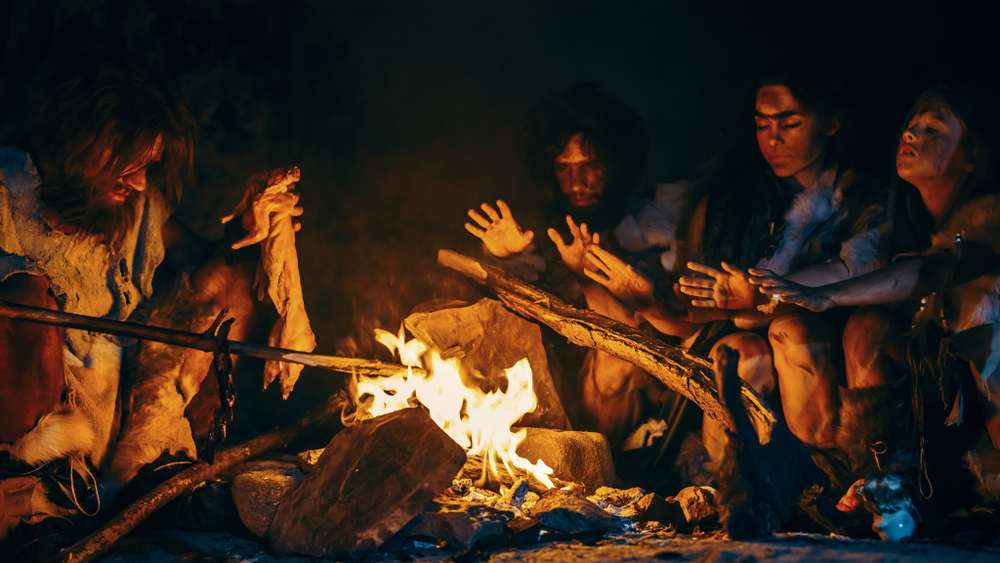
The evidence suggests that Neanderthals understood their environment in nuanced ways. They managed fire effectively, organized living spaces, and responded strategically to ecological challenges. These behaviors require planning, memory, and communication.
Some findings even raise questions about symbolic thought. While the chamber did not contain explicit art, the careful maintenance of hearths and repeated use of the same spaces suggest traditions and shared practices. These are hallmarks of cultural behavior.
By reframing Neanderthals as intelligent and adaptable, this discovery narrows the perceived gap between them and modern humans. It encourages a more inclusive view of human evolution, one that recognizes multiple forms of intelligence.
Why Gibraltar Mattered
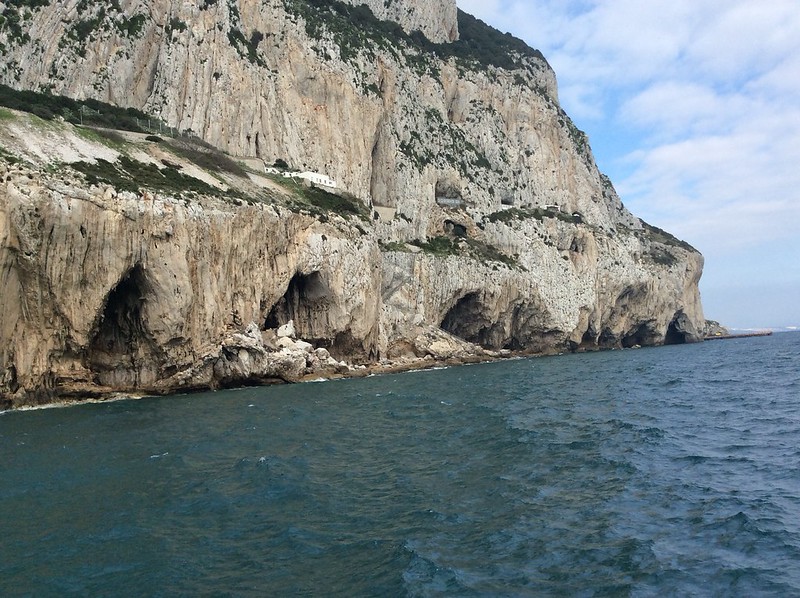
Gibraltar occupies a unique geographic position at the crossroads of continents and ecosystems. Its mild climate and access to both land and sea resources made it an ideal refuge during periods of environmental instability.
For Neanderthals facing shrinking habitats elsewhere, this region may have offered a rare balance of predictability and abundance. The cave chamber shows clear evidence of exploiting coastal foods, including shellfish, alongside terrestrial hunting.
This dual resource strategy would have reduced reliance on any single food source, increasing resilience during times of scarcity. It also suggests an intimate understanding of tidal patterns and animal behavior.
Gibraltar may not have saved the Neanderthals in the long run, but it likely extended their survival. In doing so, it preserved a final, detailed record of how they lived at the very end of their existence.

What This Discovery Means For Us
Beyond its scientific value, the sealed cave chamber carries a deeply human message. It reminds us that extinction is not always sudden or dramatic. Often, it is a slow process marked by adaptation, resilience, and quiet persistence.
The Neanderthals in Gibraltar were not failures of evolution. They were survivors navigating immense challenges with the tools and knowledge available to them. Their story resonates at a time when modern humans face environmental and social pressures of our own making.
This discovery also highlights the importance of protecting archaeological sites. Countless stories remain buried beneath our feet, vulnerable to destruction before they are ever understood. Each lost site is a lost voice from our shared past.
As researchers continue to study the chamber, it will undoubtedly yield more insights. But even now, it stands as a powerful reminder that humanity has always been diverse, adaptive, and deeply connected to the world around it.
A Window Into Our Shared Past
Standing at the threshold of a chamber untouched for forty thousand years is more than a scientific achievement. It is an act of connection across time. Through stone tools, hearths, and scattered remains, the Neanderthals speak to us.
They tell us about endurance in the face of uncertainty, about intelligence expressed through action rather than words, and about lives lived fully even as the world changed around them. These are not alien traits. They are profoundly human ones.
By listening to what this cave has to say, we gain a clearer understanding of where we come from and what it truly means to survive. The story of the world’s last Neanderthals is, in many ways, a mirror held up to ourselves.
Their chapter may have ended, but through discoveries like this, their legacy continues to shape how we understand humanity.
Featured Image Credit: Visit Gibraltar/Flickr (CC BY 4.0)