The Karen Era Is Changing and Gen Z Has a New Label in Mind
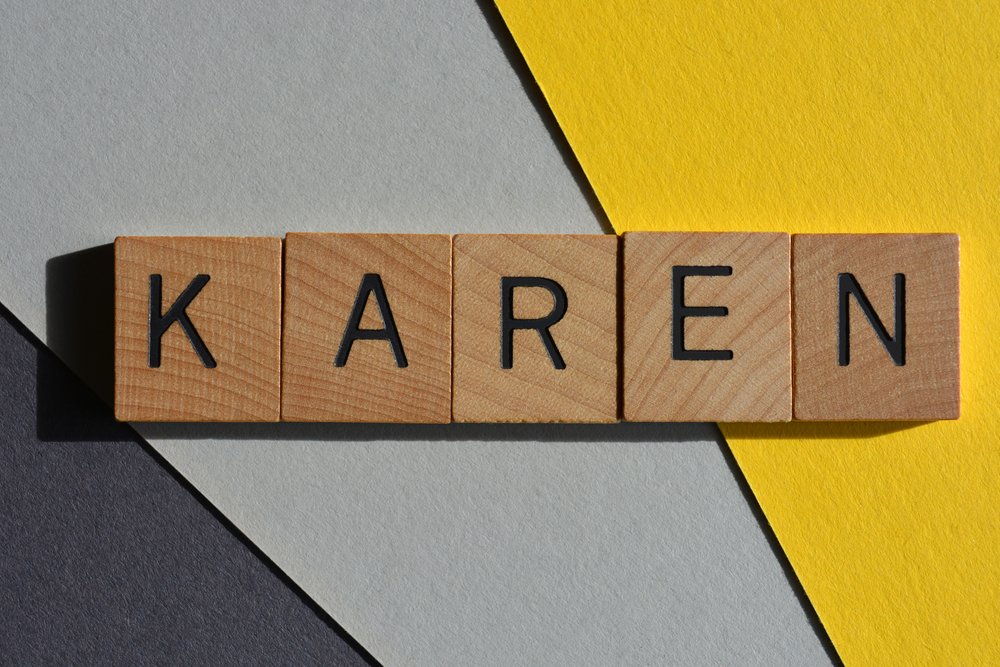
For years the name Karen has dominated internet culture as shorthand for a very specific kind of public behavior. It became a viral label attached to entitlement confrontations viral videos and everyday frustrations shared online. What began as a meme slowly evolved into a cultural marker that reflected how different generations interpreted social behavior power and accountability.
Now Gen Z appears to be shifting the conversation yet again. According to recent viral discussions, covered by many media outlets including AOL a new name has emerged that targets a different demographic entirely. This time the spotlight is not on older generations but on millennials and the label has sparked a surprisingly intense reaction.
The development is more than just another meme trend. It reveals how language evolves alongside generational identity and how humor critique and self awareness collide in digital spaces. It also raises questions about whether these labels help society reflect on behavior or simply recycle stereotypes under new names.
How the Karen Phenomenon Took Hold
The original Karen label did not appear overnight. It grew slowly across years of viral videos, social media posts and shared anecdotes about confrontational behavior often involving service workers neighbors or public officials. The name became a symbol that many people immediately recognized without explanation.
According to coverage highlighted by AOL, the Karen stereotype reflected frustrations that people experienced in everyday power dynamics. It often involved someone using perceived authority social privilege or entitlement to control situations that did not warrant it. The behavior mattered more than the name yet the name gave it cultural staying power.
As the meme spread it also faced criticism. Some argued it unfairly targeted women or oversimplified complex social behavior. Others pointed out that it distracted from structural issues by focusing on individual moments rather than broader systems of power. These debates only added fuel to the conversation.
Despite the criticism Karen remained a fixture of online culture for years. But Gen Z which often reexamines and rebrands internet language began to question whether the label still fit the moment. That questioning opened the door for something new.
The New Name That Has Everyone Talking
According to LADBible, Gen Z has started using the name Linda as the millennial equivalent of Karen. The choice surprised many people because it lacks the sharp punch that Karen once carried. Yet that subtlety is part of what makes it effective.
The Linda label is being used to describe a different type of behavior. Instead of loud confrontations it often points to passive aggressive commentary wellness, superiority and performative self awareness. It reflects how millennial culture is perceived through a Gen Z lens.
Many viral posts describe Linda as someone deeply invested in being correct morally aligned and visibly self improved. This includes public displays of mindfulness, ethical consumerism and parenting advice that feels unsolicited. The humor lies in how recognizable the behavior feels to younger audiences.
Unlike Karen Linda is not always depicted as hostile. Instead the stereotype leans into awkwardness over explanation and subtle judgment. This softer framing has allowed the meme to spread quickly without the immediate backlash that accompanied earlier labels.
Why Gen Z Is Redefining the Label
Gen Z has grown up fully immersed in digital culture and they approach memes with a different sense of irony and social critique. As highlighted in LADBible, coverage younger users often prefer humor that exposes contradictions rather than outright aggression.
Redefining the label allows Gen Z to critique behavior they encounter without repeating the same language that older generations popularized. Karen became overused and diluted losing its edge. Linda feels fresh precisely because it avoids obvious confrontation.
This shift also reflects changing values. Gen Z often prioritizes authenticity and directness. Behaviors associated with millennial performative wellness or corporate positivity can feel disingenuous to them. The Linda label becomes shorthand for that discomfort.
At the same time the meme functions as a generational mirror. Just as millennials once critiqued older generations Gen Z is now doing the same. The cycle of naming reflects how each group defines itself in opposition to those who came before.

Millennials React to Being Named
Reactions from millennials have been mixed. Some have embraced the humor seeing it as a lighthearted call to self reflection. Others have pushed back arguing that the stereotype oversimplifies a diverse generation shaped by economic instability and cultural change.
Bored Panda highlighted, comments from millennials who acknowledged elements of truth in the meme. Many admitted that wellness culture productivity, language and moral branding became coping mechanisms during uncertain times. Seeing these traits mocked can sting but also prompt introspection.
Others worry that labels like Linda perpetuate generational conflict rather than understanding. They point out that millennials navigated unique challenges including economic downturns student debt and rapid technological shifts. Reducing those experiences to a meme can feel dismissive.
Still the conversation itself has value. The fact that millennials are engaging rather than dismissing the label entirely suggests a level of self awareness that earlier generations may not have had when first encountering online critique.

Social Media and the Power of Naming
Naming behavior has always been a powerful social tool. In digital spaces it becomes even more influential because it allows complex patterns to be shared instantly. A single name can carry years of context across platforms.
The rise of Linda demonstrates how internet culture evolves through collective participation. No single creator owns the label. It spreads through shared jokes comments and relatable posts that resonate with a specific audience.
However naming also carries responsibility. Labels can humanize shared experiences but they can also flatten individuality. When a name becomes shorthand it risks replacing empathy with assumption.
The ongoing discussion around Linda shows a growing awareness of that balance. Many Gen Z users frame the meme as observational rather than accusatory. That framing may help prevent the backlash that eventually surrounded Karen.
What This Trend Says About Generational Identity
At its core the rise of Linda speaks to how generations negotiate identity through humor. Each group uses language to define what they value and what they reject. Memes become cultural shorthand for those negotiations.
Gen Z often positions itself as more transparent emotionally and socially aware. By naming behaviors they see as performative they reinforce their own emphasis on authenticity. Millennials meanwhile are being invited to reconsider how their coping strategies appear to others.
This dynamic does not have to be adversarial. When approached thoughtfully it can foster understanding across age groups. Recognizing patterns without assigning moral superiority opens space for dialogue.
Ultimately the meme reflects an ongoing conversation about growth. Every generation evolves and so does the language used to describe it. Linda may fade just as Karen eventually did but the reflections it sparks will linger.
A Cultural Shift in Real Time
The rise of a new generational label is not just internet humor cycling through names. It reflects how online culture constantly reinterprets behavior through the lens of identity and experience. Gen Z has not simply replaced one stereotype with another but altered how critique is delivered. The tone is quieter yet no less pointed.
What makes this moment interesting is the response it has generated. Instead of outright rejection many millennials have engaged with the idea, recognizing fragments of truth alongside exaggeration. That willingness to reflect suggests a shift in how generational criticism is received. Conversation has replaced defensiveness more often than expected.
At its best this trend shows how humor can function as social feedback. Labels like Linda work when they highlight patterns without erasing individuality. They become problematic only when they harden into assumptions rather than observations. The difference lies in how thoughtfully they are used.
As internet culture continues to evolve new names will always emerge. What endures is the opportunity these moments create for self awareness and dialogue. When humor opens space for understanding instead of division it becomes more than a joke. It becomes a tool for cultural growth.
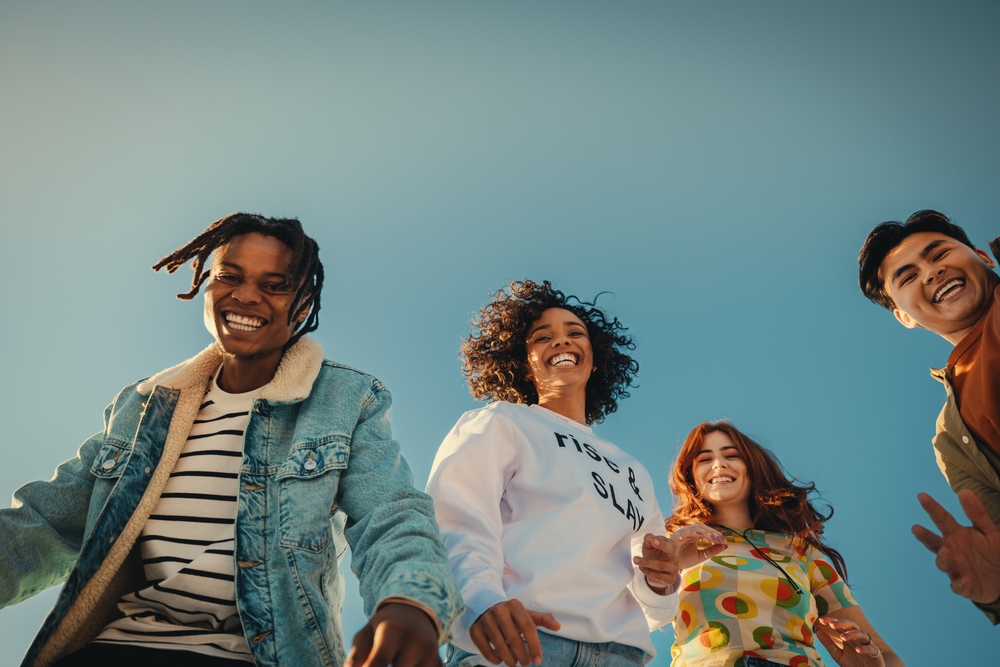
Featured Image Credit: Photo by Jacob Lund | Shutterstock