

The Pharaohs Curse Fungus Could Change How Leukemia Is Treated
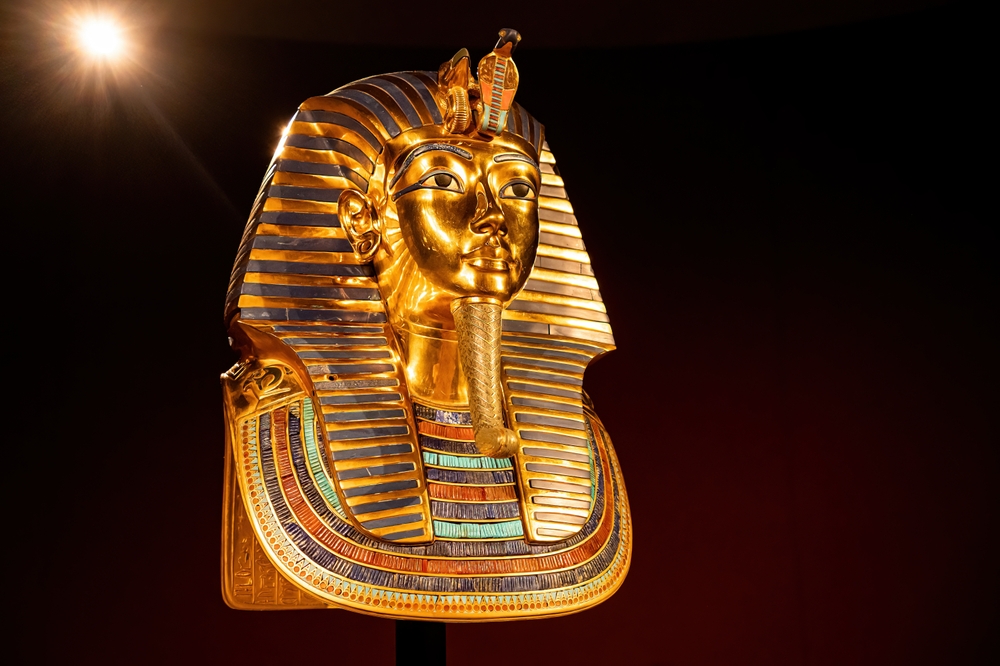
For more than a century the idea of the Pharaohs Curse has captured the public imagination. From ancient tombs to whispered stories of sudden illness the legend has lived on as a warning about disturbing what was meant to remain hidden. At the center of many of those tales was a mysterious fungus blamed for deadly consequences. Now in a striking scientific twist that same organism is being reexamined not as a threat but as a potential lifesaver.
Researchers are turning a once feared toxic fungus into a powerful tool in the fight against leukemia. What was once associated with decay and danger is now being studied for its ability to selectively target cancer cells. This unexpected transformation has caught the attention of scientists doctors and the public alike.
The story blends ancient history modern engineering and cutting edge medicine. It also highlights how nature continues to hold answers to some of humanitys most difficult health challenges if scientists are willing to look closely enough.
The Legend Behind the Pharaohs Curse Fungus
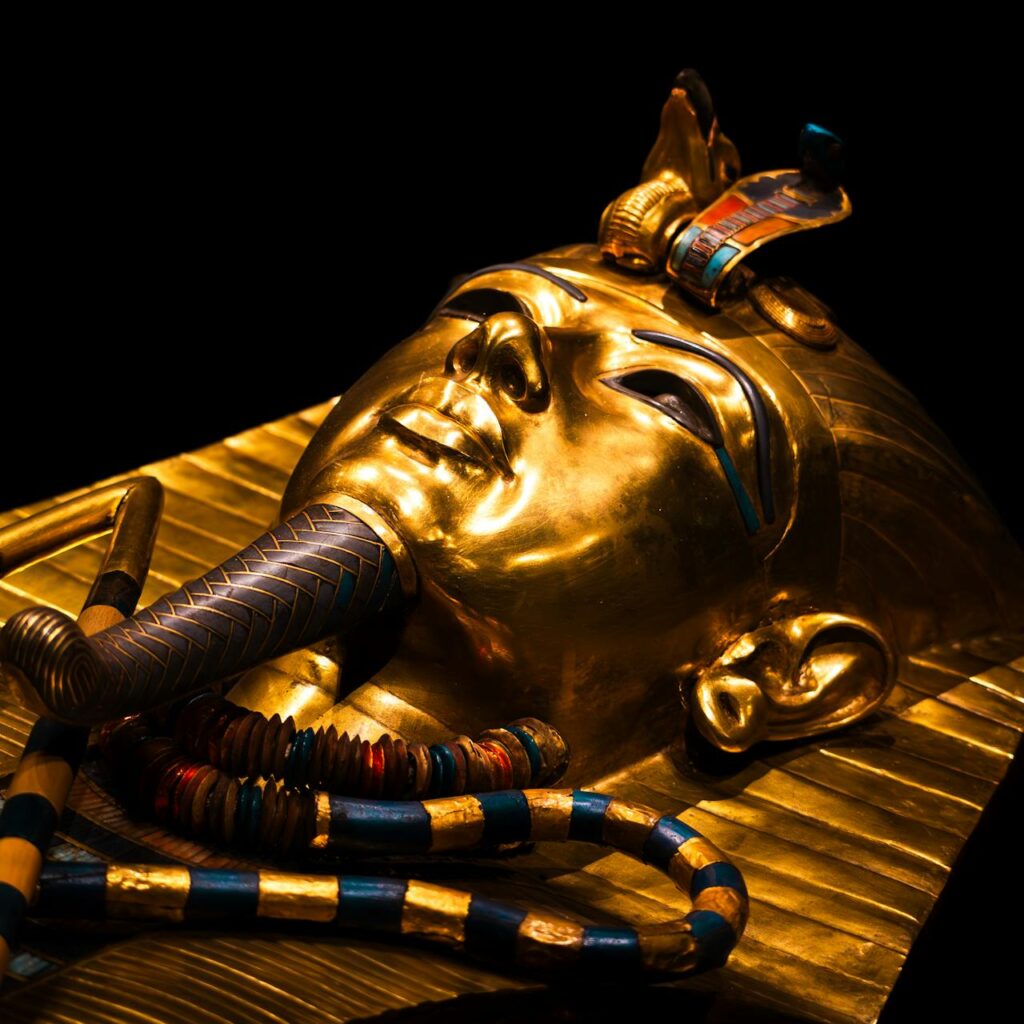
The idea of the Pharaohs Curse gained prominence in the early twentieth century after the discovery of King Tutankhamuns tomb. Several people associated with the excavation later became ill or died fueling speculation that something inside the tomb was responsible. While historians and scientists have long debated these claims the myth endured and became part of popular culture.
One scientific explanation that emerged involved toxic spores from fungi that had remained sealed inside tombs for centuries. Among them was Aspergillus flavus a fungus known to produce aflatoxins which are highly toxic compounds. These spores could become airborne when tombs were opened potentially causing severe respiratory illness.
Over time the fungus earned a reputation as a silent killer. While modern science has largely debunked the supernatural aspects of the curse the real biological risks were very real especially for people with weakened immune systems.
This dark reputation makes the fungi current role in cancer research all the more remarkable. A substance once associated with death is now being studied for its potential to save lives.
From Toxic Threat to Medical Curiosity
Scientists have long known that many toxic substances can have therapeutic value when used in controlled ways. Chemotherapy itself is based on the idea of using compounds that are harmful to rapidly dividing cells which includes cancer cells. The Pharaohs Curse fungus fits into this tradition of dangerous substances being repurposed for healing.
Researchers began studying compounds produced by Aspergillus flavus more closely after discovering that some of its metabolites had unique effects on cell growth. While aflatoxins themselves are too dangerous for medical use other compounds derived from the fungus showed promise under laboratory conditions.
According to researchers, these compounds demonstrated an ability to interfere with specific cellular processes. Instead of indiscriminately killing cells they appeared to target pathways that cancer cells rely on more heavily than healthy ones.
This discovery shifted the fungus from a biological hazard to a subject of serious medical interest. It opened the door to engineering safer and more precise anti cancer agents derived from a once feared organism.

How Engineers Are Turning Fungus Into Medicine
At the University of Pennsylvania engineers and scientists collaborated to transform this toxic fungus into a viable cancer fighting compound. Their work focused on isolating and modifying a specific molecule produced by the fungus so that it could be safely used in the human body.
The compound known as asperigimycins was found to have strong anti leukemia properties. By refining its structure researchers were able to enhance its effectiveness while reducing its toxicity. This process required advanced bioengineering techniques and careful testing at every stage.
According to Penn Engineering the team used synthetic biology approaches to optimize how the compound interacts with leukemia cells. The result was a molecule that could penetrate cancer cells and disrupt their ability to survive and multiply.
This approach represents a shift in cancer drug development. Instead of relying solely on synthetic chemicals scientists are increasingly looking to nature as a source of complex molecules that can be adapted for modern medicine.
Why Leukemia Is a Key Target
Leukemia is a cancer of the blood and bone marrow that affects thousands of people each year. It is particularly challenging because cancerous cells circulate throughout the body rather than forming a single tumor that can be surgically removed.
Current treatments such as chemotherapy radiation and bone marrow transplants can be effective but they often come with severe side effects. Many patients experience long term complications and some forms of leukemia are resistant to existing therapies.
The fungus derived compound shows promise because of its ability to specifically target leukemia cells. Researchers reported that it interferes with a protein complex that leukemia cells depend on for survival while leaving healthy cells largely unaffected.
This selectivity is crucial. A treatment that minimizes damage to healthy cells could significantly improve quality of life for patients and increase survival rates especially for those who do not respond well to traditional therapies.
Early Results and Scientific Optimism
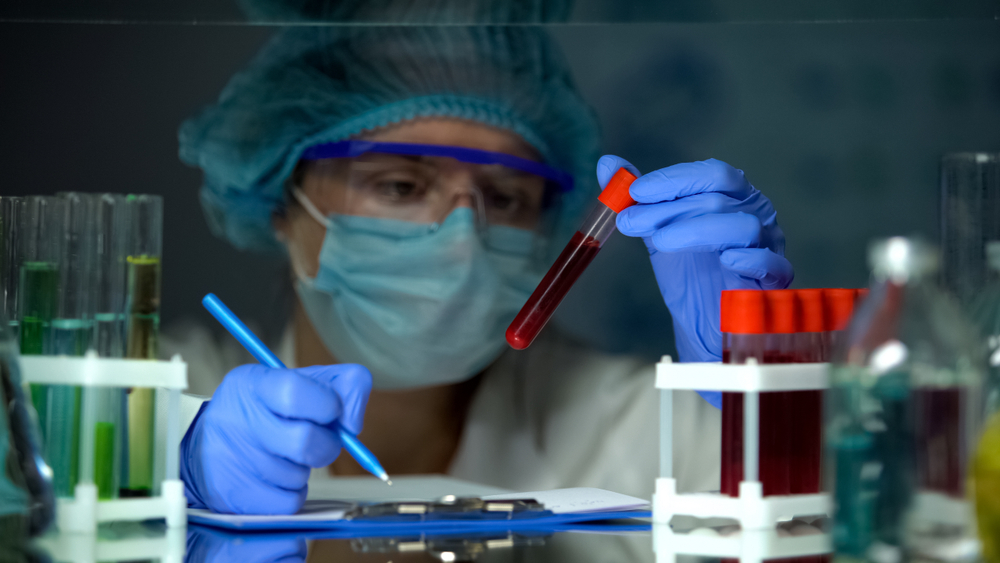
The initial laboratory results have generated cautious optimism within the scientific community. In preclinical studies the engineered compound demonstrated strong activity against leukemia cells with limited toxicity.
According to Oncology News,Australia researchers emphasized that this is still early stage research. The compound must undergo further testing including animal studies and eventually human clinical trials before it can be approved for medical use.
Despite these hurdles the findings are encouraging. Experts note that discovering a new class of anti cancer agents from fungi could open up an entirely new avenue of treatment development.
This optimism is tempered by realism. Many promising cancer drugs fail during later stages of testing. Still the unique origin and mechanism of this compound make it a standout candidate worth pursuing.
A Broader Trend of Nature Inspired Medicine
The story of the Pharaohs Curse fungus is part of a larger trend in medical research. Scientists are increasingly turning to natural sources including plants bacteria and fungi to discover new treatments.
Many of todays most important medicines have natural origins. Penicillin came from mold and several chemotherapy drugs were originally derived from plants. Fungi in particular are known for producing a wide range of biologically active compounds.
What sets this research apart is the use of modern engineering to refine and improve natural molecules. Instead of using them as they exist in nature scientists can now modify them to enhance their benefits and reduce risks.
This blend of ancient biology and modern technology underscores the idea that innovation often comes from reexamining what we already know with fresh eyes.

Ethical Questions and Public Perception
Turning a fungus associated with death into a potential cure raises interesting ethical and cultural questions. For some the idea carries symbolic weight transforming fear into hope.
Public perception of medical research can influence funding policy and patient acceptance. Stories like this one help bridge the gap between complex science and public understanding by framing research in a relatable narrative.
Researchers have emphasized transparency and caution in communicating their findings. They stress that no cures have been found yet and that rigorous testing remains essential.
Still the story has resonated widely because it challenges assumptions about danger and utility reminding people that even the most unlikely sources can hold life saving potential.
What This Discovery Could Mean for the Future
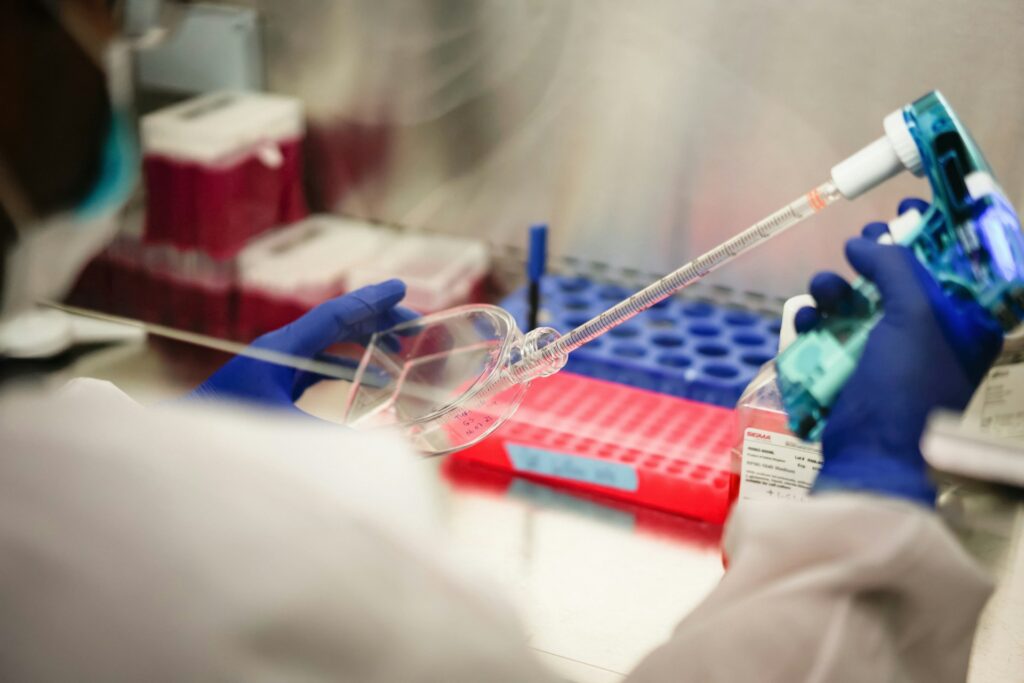
If further testing confirms the effectiveness of this compound it could lead to a new generation of targeted leukemia treatments. These therapies may be more precise less toxic and more adaptable than current options.
Beyond leukemia the discovery could inspire scientists to explore other toxic organisms for medical applications. Nature contains countless compounds that have yet to be studied in detail.
The research also highlights the importance of interdisciplinary collaboration. Engineers biologists and medical researchers all played a role in bringing this idea to life.
Ultimately the Pharaohs Curse fungus story serves as a reminder that progress often comes from unexpected places. What was once feared may one day become a cornerstone of healing.
Featured Image Credit: Photo by Stock Holm | Shutterstock