


Have you ever looked down at your skin and felt a quiet pause in your thoughts, the kind that makes you wonder what your body is trying to tell you. A tiny red spot can do that. It interrupts the familiar. It asks for attention. In a world where we rush past signals every day, the skin has a way of speaking up when something shifts, even in small and subtle ways. That moment of noticing is not about fear. It is about awareness.

Most of the time, those red spots are part of the body doing exactly what it knows how to do. Dermatologists see them daily and often reassure patients that they are common and harmless. Yet the deeper lesson is not simply whether a spot is dangerous or benign. It is about learning how to listen without panic and respond without ignoring what we see. When we understand how the skin changes, what patterns matter, and when to seek clarity, we move from worry to wisdom and from uncertainty to informed care.
What These Red Spots Are and Why They Appear
When small red spots show up on the skin, the first instinct is often confusion rather than clarity. They do not always hurt. They do not always itch. Yet they ask a question simply by being there. These spots usually form when tiny blood vessels close to the surface of the skin change in visibility or integrity. Sometimes this happens slowly as the body ages and adapts. Other times it happens quickly in response to illness, medication, physical strain, or environmental exposure. According to board certified dermatologist Dr. Christopher J. Haas of LCMC Health in Louisiana, the timing of their appearance matters because it often points to what the body is responding to beneath the surface.
Understanding why these spots appear requires context, not guesswork. Dermatologists do not look at a single mark in isolation. They look at patterns. How fast did it show up. Where is it located. Does it change over time. Are there other symptoms like fatigue, fever, pain, or unusual bruising. The skin reflects what the body is processing internally, from immune activity to circulation to stress on blood vessels. That is why two people can see similar looking spots yet have very different explanations behind them.
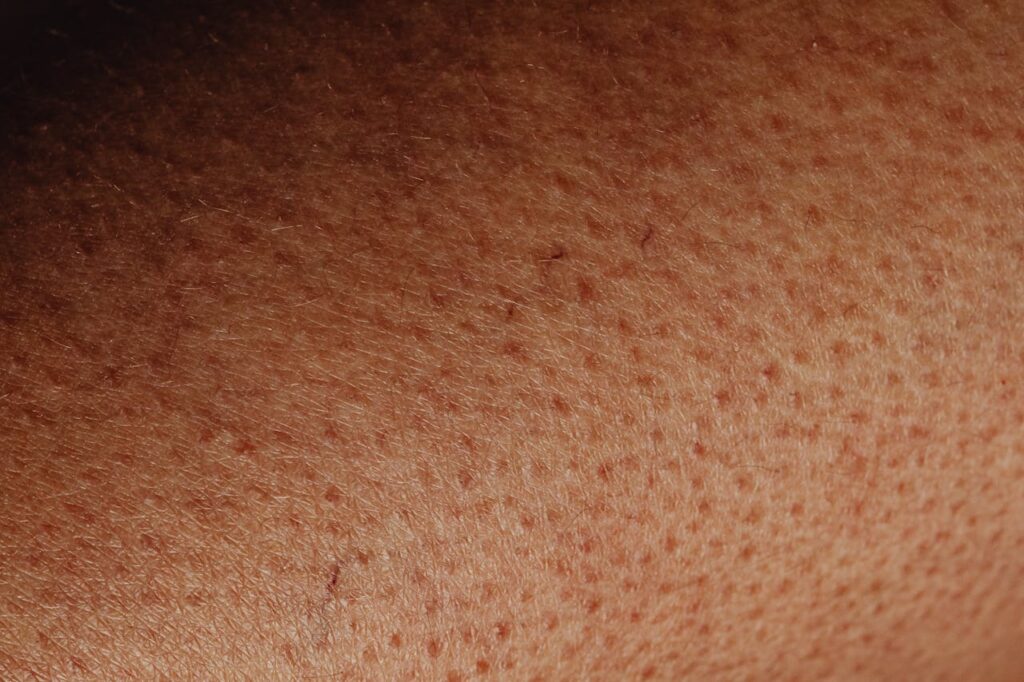
Knowing how to respond is about discernment rather than fear. In many cases, red spots are harmless and require nothing more than awareness and monitoring. In other situations, especially when spots appear suddenly, cluster together, do not fade when pressed, or show up alongside systemic symptoms, medical evaluation becomes important. Doctors may review recent illnesses, medications, allergies, and sun exposure habits, and may use blood tests or further examination when answers are not clear. Learning what these spots are and why they appear allows you to move from uncertainty to understanding, treating the body not as something to panic over, but as something to listen to with care and responsibility.
Understanding Why Some Red Spots Are Harmless and Others Are Not
Not all red spots on the skin carry the same meaning, even when they look similar at first glance. Some are part of the body’s natural evolution over time, while others reflect a more immediate response that deserves attention. Cherry angiomas fall into the first category. They are small clusters of blood vessels that form close to the surface of the skin and tend to appear gradually, often without notice. As the body ages and circulation subtly shifts, these marks can emerge quietly, becoming more visible over years rather than days.
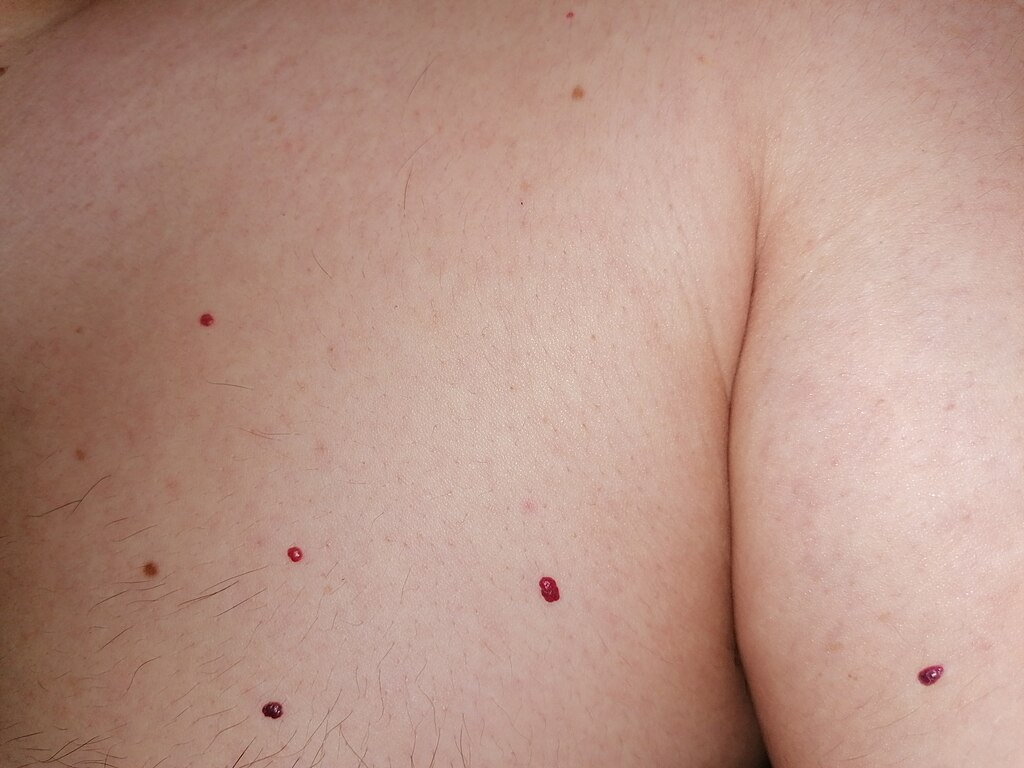

Cherry angiomas most commonly appear on the torso, arms, and legs, though they can develop anywhere on the body. Their likelihood increases after the age of thirty, which aligns with broader changes in skin structure and vascular behavior. The Cleveland Clinic reports that roughly half of adults have cherry angiomas by midlife, making them one of the most common benign vascular findings seen in dermatology. They are not a sign that something is wrong. They are evidence of a body that has been adapting and functioning over time.
Dr. Christopher J. Haas emphasizes that cherry angiomas are almost always noncancerous and do not pose a health risk. For most people, they are a cosmetic concern rather than a medical one. Still, attention matters. If a spot changes color, grows rapidly, becomes painful, or begins to bleed without clear injury, it should be evaluated. Not because panic is warranted, but because awareness allows certainty.
Petechiae represent a very different type of signal. These tiny red or purple dots usually appear suddenly rather than forming slowly, and they often cluster together. They develop when small blood vessels break and bleed under the skin and, unlike many other red marks, they do not fade when pressed. This distinction matters because petechiae are frequently associated with low platelet levels, which play a critical role in blood clotting.
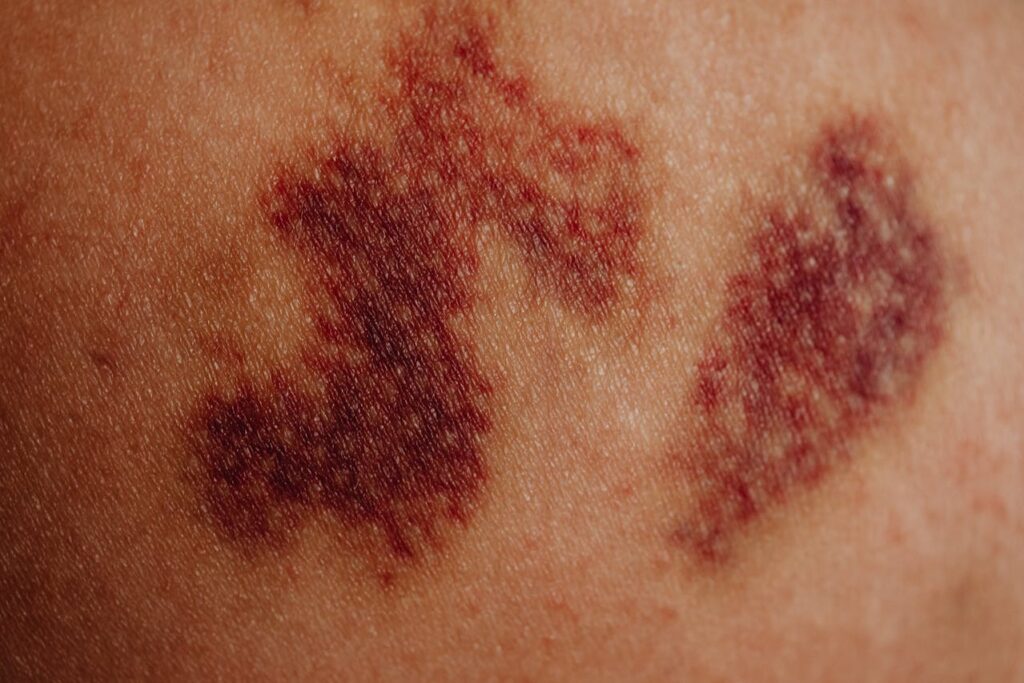
Platelet counts can drop for several reasons, including viral infections, medication side effects, autoimmune responses, and conditions that affect bone marrow function. Dr. Haas explains that petechiae can also appear in otherwise healthy individuals after intense physical strain such as heavy coughing, vomiting, sneezing, or strenuous exercise, when sudden pressure changes cause small blood vessels to rupture and the spots fade within days. When petechiae appear without an obvious physical trigger or are accompanied by fatigue, fever, headaches, unexplained bruising, or bleeding, they require prompt medical evaluation. A 2021 review published in Dermatology Practical and Conceptual reinforces this, noting that sudden onset petechiae combined with systemic symptoms should be assessed quickly to rule out serious conditions affecting platelet production or blood clotting.
How the World Around You Leaves Its Mark on Your Skin
Every day, your skin is negotiating with the environment. Sunlight, heat, products, fabrics, and air all leave impressions over time, even when you are not aware of them. Long term sun exposure is one of the most common reasons small red marks appear, especially as the years pass. Ultraviolet radiation gradually weakens tiny blood vessels close to the surface of the skin, making them more visible. These changes often show up as fine red lines or branching patterns on areas that receive the most sun, such as the face, chest, shoulders, and upper back. Research published in the Journal of the American Academy of Dermatology shows that cumulative sun exposure over decades plays a significant role in these visible vascular changes, particularly in adults over forty.
From the outside, these marks may seem cosmetic, but they tell a larger story about repetition and exposure. Dermatologists refer to these visible vessels as telangiectasias and generally consider them harmless. Still, they are viewed as signs of chronic sun stress rather than random skin changes. The body remembers what it experiences repeatedly, and the skin reflects that memory. This is why sun protection is not just about avoiding burns or aging. It is about reducing long term strain on the systems that support the skin from beneath the surface.
Not all red spots come from sun exposure or blood vessels. Many are the result of irritation, allergic reactions, or heat related responses. The skin reacts quickly to new skincare products, detergents, fragrances, harsh soaps, tight clothing, insect bites, and hot or humid conditions. These reactions often appear as red spots that itch, feel tender, or sit slightly raised on the skin. Heat rash, medically known as miliaria, develops when sweat becomes trapped beneath the surface and commonly resolves once the skin cools and breathes again. Dermatologists generally view these reactions as temporary and less concerning, unless they persist, worsen, or are accompanied by signs of infection. In those moments, the skin is not overreacting. It is signaling that something in its environment needs to change.
The Habit of Ignoring Early Signals
Most serious health issues do not begin with dramatic symptoms. They begin quietly, with small changes that are easy to overlook. The skin often carries these early signals because it is visible and constantly exposed, yet many people are conditioned to dismiss what does not cause immediate discomfort. Tiny red spots are often brushed off as cosmetic or temporary, even when they appear repeatedly or follow a pattern. This habit of ignoring early signals is not about carelessness. It is about how modern life trains us to keep moving rather than pausing to notice.

From a medical perspective, early attention can prevent unnecessary escalation. Patterns matter more than single events. A spot that appears once and fades may mean very little, while recurring changes, sudden clusters, or spots paired with fatigue or unexplained bruising may point to something deeper. Doctors rely on timing, context, and progression to determine when evaluation is necessary, but that process only begins when someone chooses to pay attention and speak up.
There is also a personal responsibility that sits alongside medical care. Listening to the body does not mean assuming the worst. It means staying present with what is happening rather than waiting until the message becomes loud. Awareness creates choice. When people learn to notice early signals without fear or denial, they move from reaction to agency, using both intuition and professional guidance to protect their long term health.
The Body Is Always Communicating
The skin does not change without reason. Sometimes it reflects age, environment, or momentary stress, and other times it points to systems inside the body that are asking for attention. Tiny red spots can be harmless or meaningful depending on how they appear, how they behave, and what is happening elsewhere in the body. Understanding the difference allows you to respond with clarity instead of fear and with intention instead of avoidance.

Paying attention to the body is not about obsession or anxiety. It is about respect. When awareness is paired with knowledge and timely medical care, small signals do not need to become big problems. The body speaks quietly at first, and those who listen early are often the ones who protect their health most effectively.
Featured Image from Pexels