

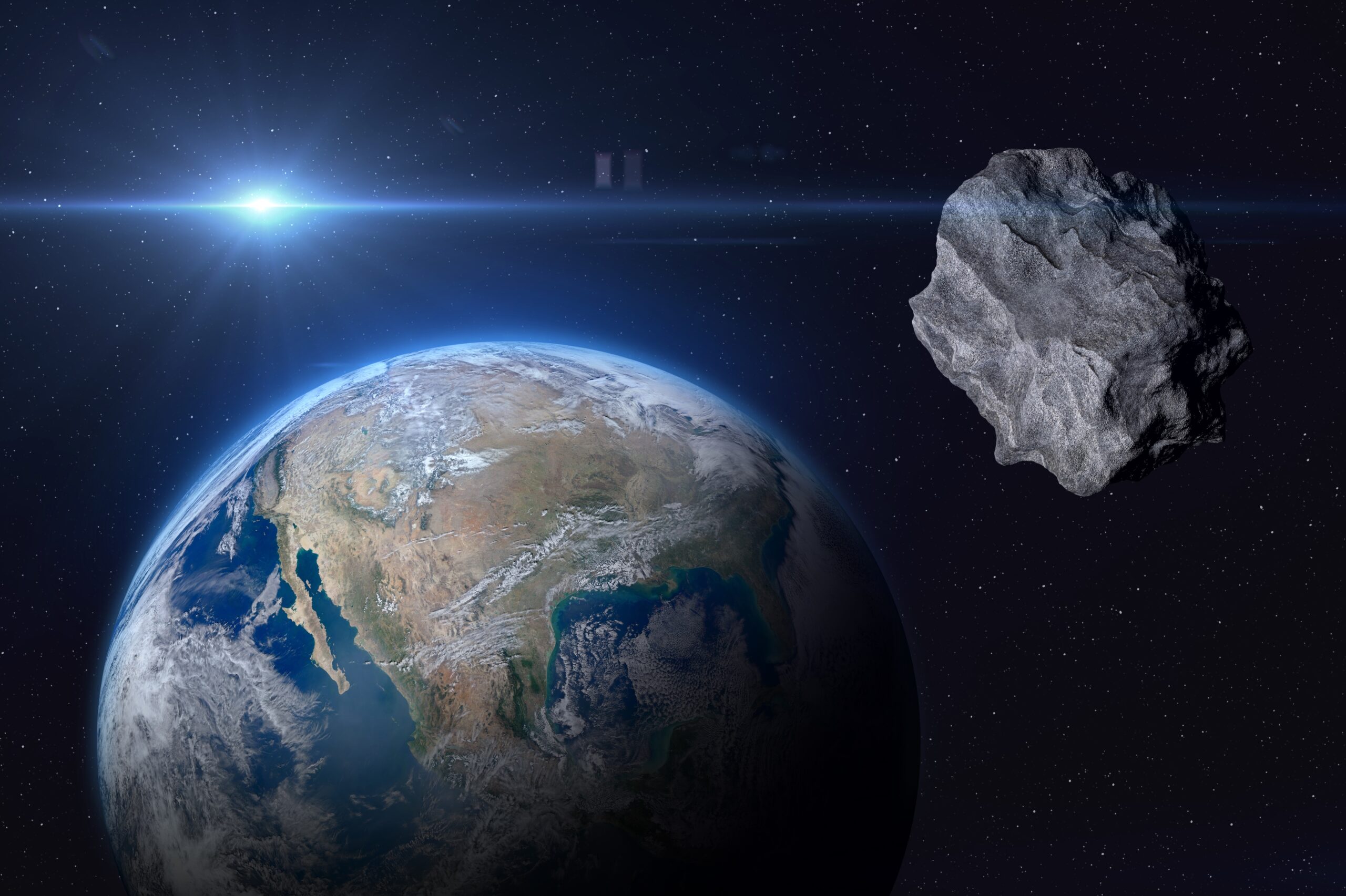
Scientists Warn of a “Triple Whammy” That Could One Day End Life on Earth
Earth has survived asteroids, ice ages, and mass extinctions, but some scientists say the next great threat won’t arrive with a bang. It will creep in, built from the slow drift of continents, a warming sun, and a planet that starts holding onto heat a little too well. And while their timeline stretches hundreds of millions of years into the future, the warning lands uncomfortably close to home, because the same force at the center of that prediction is already reshaping life right now.
A Forecast From the Far Future and Why It Still Matters Now
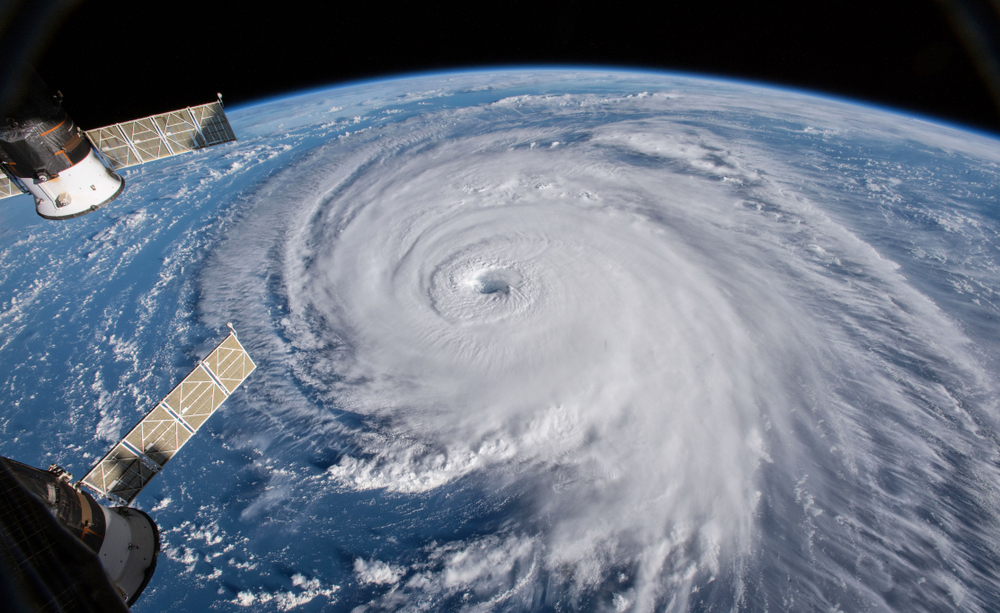
Picture Earth 250 million years from now. Not a sci-fi explosion, but a slow pressure from geology and physics. In a Nature Geoscience study, researchers used advanced climate models to explore what could happen if Earth’s continents gradually merge into a final supercontinent, often called Pangea Ultima, and how that reshapes the planet’s ability to support mammal life.
The danger isn’t a single trigger. The study describes a “triple whammy”, three forces stacking on top of each other:
- One massive landmass intensifies inland heat because the ocean’s cooling influence cannot reach the interior, sometimes called the “continentality effect”.
- A gradually brighter sun, projected to deliver about 2.5% more radiation over that timescale, raises the baseline temperature of the whole system.
- Higher CO₂ levels driven by long-term tectonics and volcanic outgassing increase heat trapped in the atmosphere.
Dr. Alexander Farnsworth explained: “The newly-emerged supercontinent would effectively create a triple whammy, comprising the continentality effect, hotter sun and more CO₂ in the atmosphere, of increasing heat for much of the planet.” Model results suggest widespread temperatures of 40 to 50°C, with severe extremes in some regions, shrinking mammal-tolerable territory to roughly 8% to 16% of land.
This is not meant to make people shrug because it is far away. It is meant to underline a hard truth. When heat crosses certain thresholds, biology does not negotiate. It breaks.
No Shade, No Escape
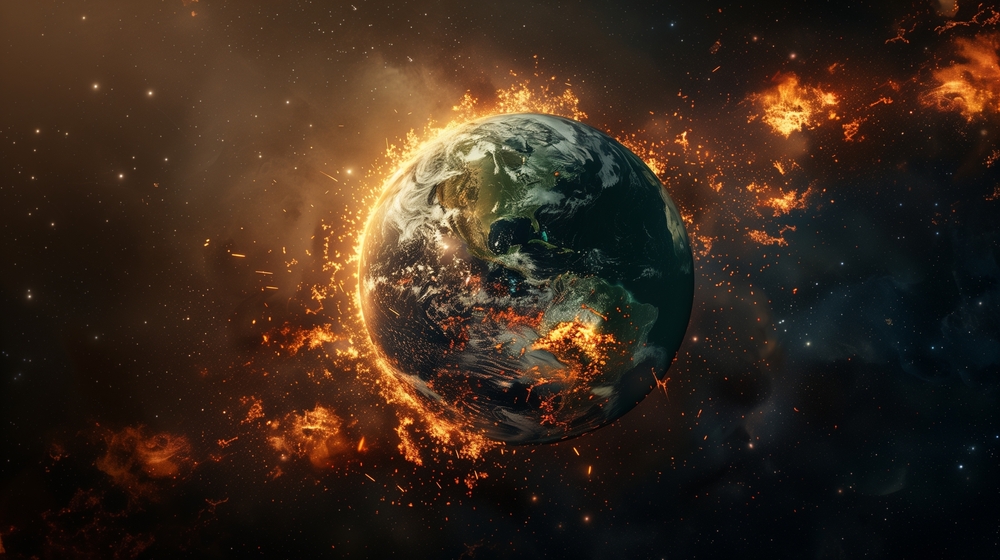
Mammals look tough because they survived ice ages, migrations, and dramatic shifts in climate. But heat is a different kind of enemy. Cold can be met with fur, fat, hibernation, shelter, and fire. Extreme heat is harder to outrun because it attacks from the inside out.
The models behind the Pangea Ultima scenario don’t just predict high temperatures. They predict high temperatures mixed with humidity and dryness in the wrong places at the same time. Heat becomes deadly when the body cannot release it. Humans rely heavily on sweating to cool down, but that system has limits, especially when the air is already thick with moisture. Dr. Alexander Farnsworth described the end point clearly: “Humans, along with many other species, would expire due to their inability to shed this heat through sweat, cooling their bodies.”
And even if a pocket of land stays cooler, survival is not just about temperature. It is also about water, food, and stability. The research suggests large regions could become hotter and drier, limiting vegetation and shrinking reliable water sources. When ecosystems dry out, the problem is not only heat stress. It is hunger, dehydration, and collapse moving up the food chain.
This is what makes the warning feel personal. It is not only about a far-off supercontinent. It is about remembering that the human body has boundaries, and the planet’s systems do too.
The Supercontinent Effect and the Trap of “Inland Earth”
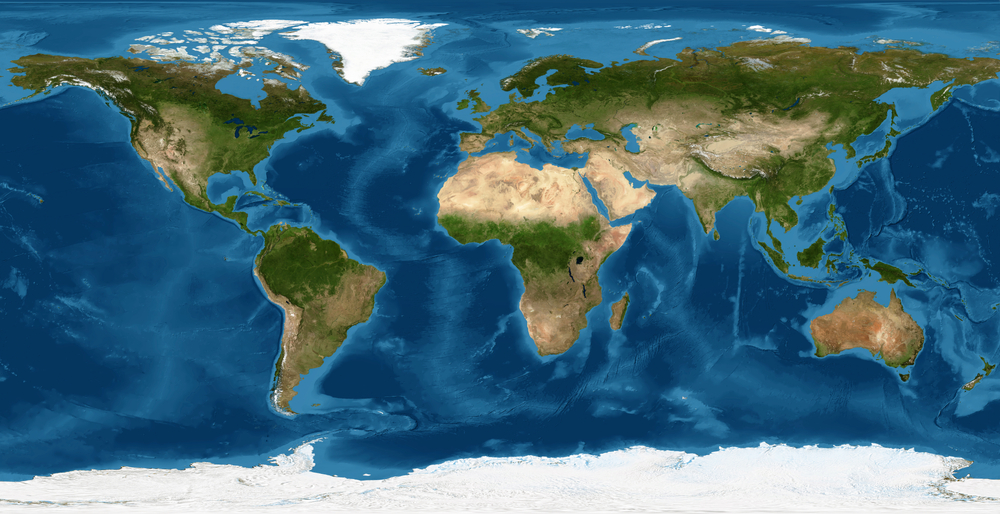
When the continents are scattered like they are today, oceans act like Earth’s air conditioner. Water heats up and cools down more slowly than land, smoothing out temperature extremes and feeding clouds and rain patterns that keep many regions livable. But the study’s core idea is this: if the world’s land merges into one giant mass, much of it ends up too far from the ocean to benefit from that cooling.
Scientists call this the continentality effect. It means the interior of a supercontinent can become an oven, not because the planet moves closer to the sun, but because the geography blocks the normal relief valves. Winds traveling over huge stretches of land lose moisture and cooling power long before they reach the center. Less moisture means fewer clouds, and fewer clouds mean more sunlight hitting bare ground. Heat builds on heat.
The researchers modeled Pangea Ultima forming primarily in hot, humid latitudes, making conditions even harsher. Dr. Farnsworth’s team projects widespread regions where average temperatures land in the 40 to 50°C range, with even more extreme peaks in some areas. In that scenario, survival isn’t just about adapting. It is about having nowhere to go.
This matters because it reframes the conversation. Habitability is not only about Earth’s distance from the sun. It is also about layout, circulation, and the thin line between a planet that breathes and a planet that traps its own heat.
A Distant Doom That Points Back to Today’s Emergency
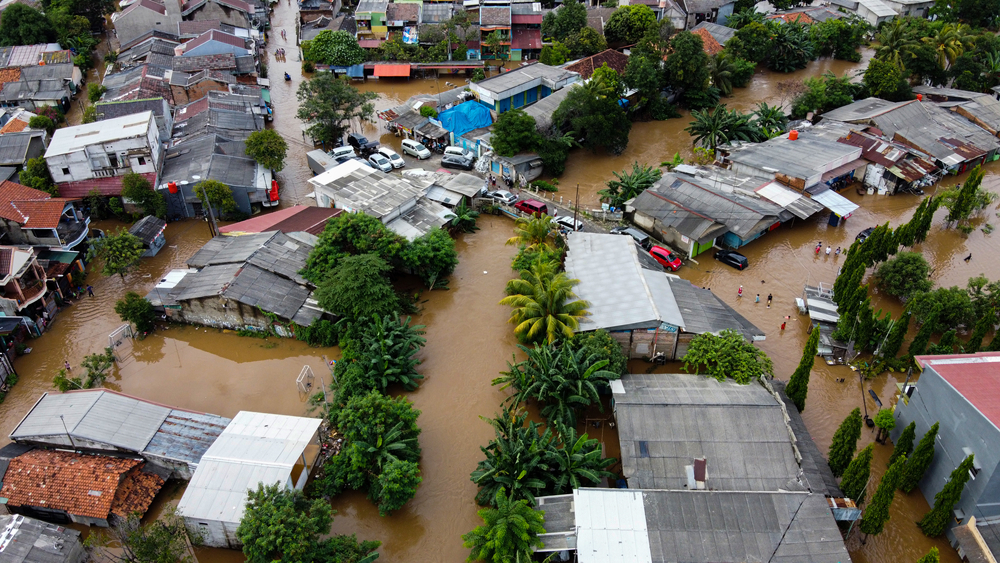
It is tempting to hear “250 million years” and mentally file it under not my problem. But the researchers behind this work did not publish it as an excuse to relax. They published it as a reminder that extreme heat is not abstract. It is already here, already stressing bodies, communities, and systems.
Dr. Eunice Lo, a co-author from the University of Bristol, warned: “It is vitally important not to lose sight of our current climate crisis, which is a result of human emissions of greenhouse gases. While we are predicting an uninhabitable planet in 250 million years, today we are already experiencing extreme heat that is detrimental to human health. This is why it is crucial to reach net-zero emissions as soon as possible.”
That quote matters because it draws a bright line between two kinds of heating. One is geological and inevitable over deep time. The other is human-driven and happening fast enough to harm people within a single lifetime. Heat waves strain hospitals, stress power grids, and threaten crops and water supplies. And unlike the tectonic future, today’s trajectory can still be influenced by choices made in policy, industry, and daily life.
The deeper message is this: Earth does not need an asteroid to become hostile. Push the system hard enough, long enough, and the same physics that shape the far future start showing up in the present.
Live Like the Future Is Watching

A supercontinent extinction is not tomorrow’s headline. But it exposes a hard truth: life on Earth survives inside a narrow comfort zone. When heat and instability push past that zone, biology does not negotiate. It breaks. The point isn’t to fear 250 million years from now. It’s to recognize the pattern of how livable worlds quietly become less livable.
That future is geological and inevitable. Today’s crisis is not. As Dr. Eunice Lo warned, extreme heat is already harming human health, and that is why reaching net-zero emissions matters. This is not just an environmental issue. It is a public health decision, a food and water decision, a stability decision.
So here’s the question to carry: if scientists can model an Earth that becomes hostile from heat, what does that say about the power of choices being made while the planet is still on our side? Treat climate action like self-preservation, because it is.
Source:
- Farnsworth, A., Lo, Y. T. E., Valdes, P. J., Buzan, J. R., Mills, B. J. W., Merdith, A. S., Scotese, C. R., & Wakeford, H. R. (2023). Climate extremes likely to drive land mammal extinction during next supercontinent assembly. Nature Geoscience, 16(10), 901–908. https://doi.org/10.1038/s41561-023-01259-3