

The One Requirement to Qualify for Proposed $2,000 “Tariff Dividend” Payments as the Government Signals a Potential Payout Timeline
Imagine opening your phone and seeing a headline promising you a $2,000 check, paid out of “tariff dividends.” It sounds like winning a small lottery for just existing. No extra hours, no side hustle, just money supposedly coming your way because of a policy most people never voted on directly and barely understand. Before the mind rushes to what that cash could cover, something deeper is hiding under the surface of that promise: who is really paying for it, how likely it is to arrive, and what it does to a person’s mindset when financial hope keeps getting tied to political headlines. This is not just about one check. It is about what happens when expectations, emotions, and everyday survival start depending on ideas that may never make it past a speech, a post, or a soundbite.
The $2,000 Tariff “Dividend” – What’s Really Being Promised?
Before anyone starts mentally spending an extra $2,000, it helps to get clear on what is actually on the table.
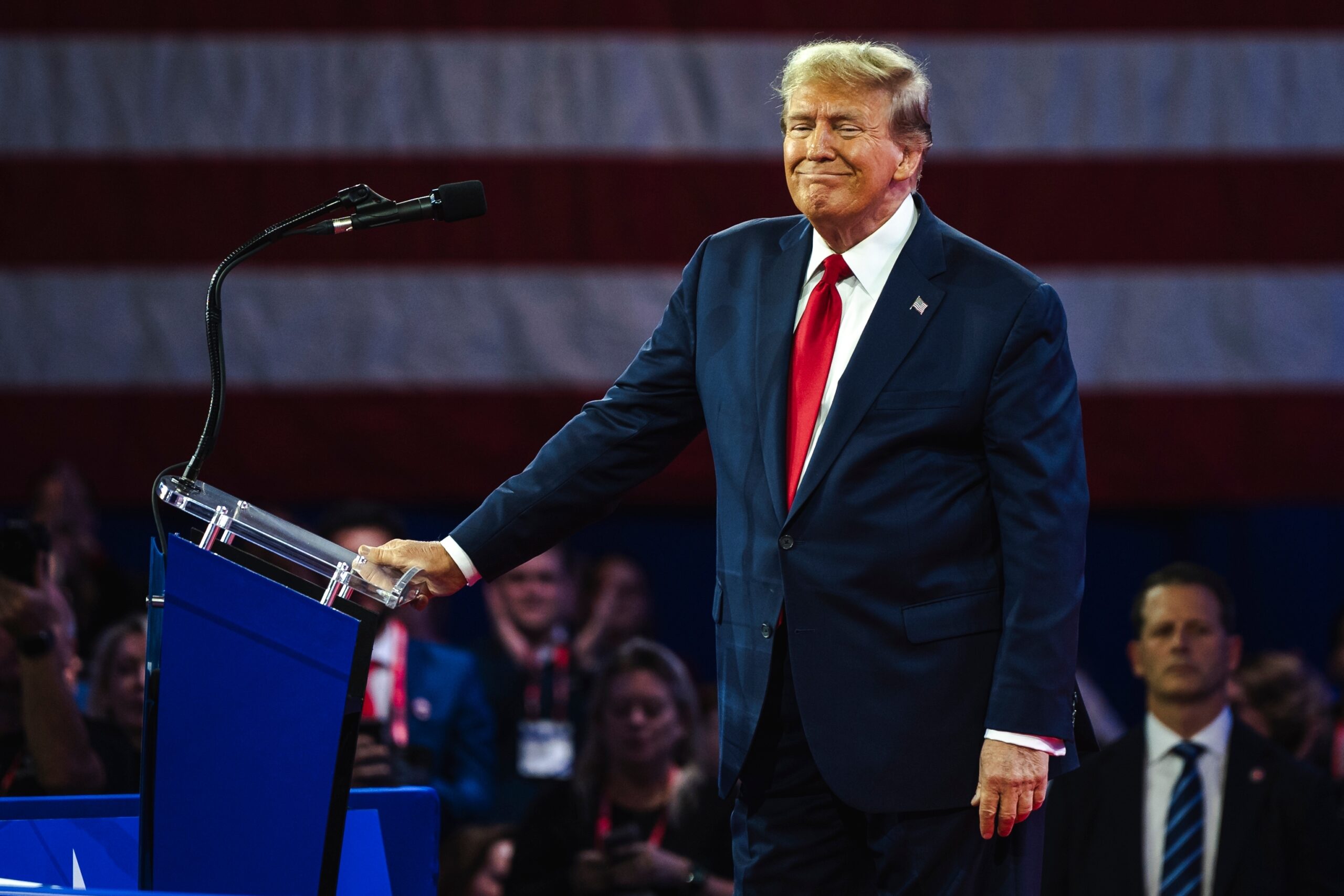
Donald Trump has repeatedly floated the idea of giving most Americans a “tariff dividend” of at least $2,000 per person, funded by money the federal government collects from tariffs on imported goods. In Truth Social posts and interviews, he has described this as a payout to “low and middle income” Americans, excluding “high income people,” and has compared it to a kind of national rebate or bonus funded by trade policy rather than traditional taxes.
On the surface, it sounds simple: tariffs bring in money, that money gets sent back out as checks or tax breaks, and everyday people get a financial boost. Some commentators have guessed that eligibility might mirror past stimulus programs, with income cutoffs somewhere between $75,000 and $100,000 for individuals, and higher thresholds for couples, but none of that is official. There is no published legislation, no signed bill, and no finalized rule that spells out who qualifies, how much they would receive, or how often.
Even within the administration, the idea appears unsettled. Treasury Secretary Scott Bessent has publicly said he has not discussed a specific rebate plan with Trump and suggested that any “dividend” could show up in different forms, such as tax reductions on tips, overtime, or Social Security benefits instead of a straightforward check in the mail.
So far, the $2,000 tariff dividend is best understood as a political promise, not a guaranteed payment—a headline idea still looking for a real-world blueprint.
The Numbers Behind the Promise – Does the Math Add Up?
Big checks make big headlines, but money does not appear out of thin air. It moves.
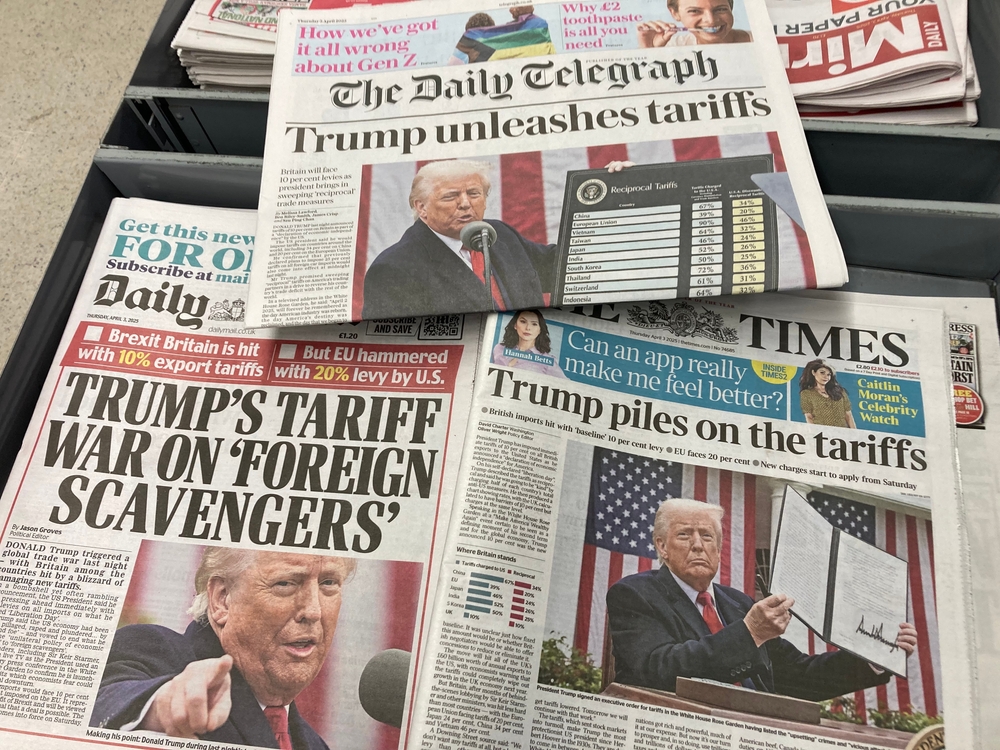
Tariffs are taxes on imported goods. That money is collected by the U.S. government from importers, many of whom then pass the cost on to consumers through higher prices. Through the end of October, tariff revenue totaled about $309 billion, up from roughly $165 billion over the same period the year before. That is a lot of money—but it is not “trillions.”
Now set that next to the cost of the promise. Tax policy analyst Erica York estimated that giving $2,000 to every adult earning under $100,000 would cover around 150 million people and cost nearly $300 billion—and that’s before including children. The Committee for a Responsible Federal Budget put some versions of the plan closer to $600 billion a year. In other words, the checks alone could equal or exceed the total tariff revenue, especially if more people qualify.
There is another layer: this same tariff money has already been “promised” for other purposes. The administration has talked about using it to pay down the national debt, cover existing tax cuts, and reduce the deficit. Treasury Secretary Scott Bessent has even claimed tariffs were “going to pay off our deficit,” a statement economists have criticized as unrealistic.
On top of that, the Supreme Court is weighing whether Trump even has the authority to impose some of these tariffs. If the Court rules against them, much of the money collected could have to be refunded to businesses, not redirected to households.
How Tariffs Already Hit Your Wallet
Before imagining an extra $2,000 arriving, it’s worth asking: how much is quietly leaving?
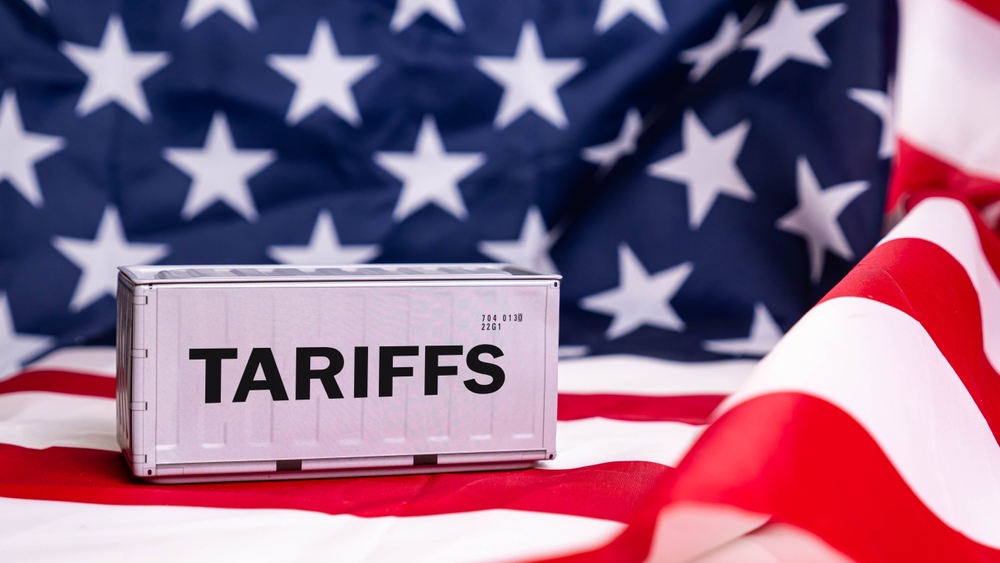
Tariffs are often framed as something “foreign countries pay.” In reality, they are taxes on imports, paid by U.S. companies that bring goods into the country. Those companies usually do what any business under pressure does: they raise prices or cut corners somewhere else.
That means the cost slides down the chain until it lands in the shopping cart, the monthly bill, the repair quote. Everyday life becomes just a bit more expensive.
Economists have tried to measure that “bit.” Independent estimates suggest that current tariffs are already costing the typical U.S. household around $1,600 to $2,600 a year in higher prices. An analysis from Yale’s Budget Lab estimated that tariff policies in place are expected to cost each household about $1,800 on average in 2025.

Put that next to a one-time $2,000 “dividend.” For many families, that would not be a bonus. It would be closer to a partial refund of money already drained by higher prices on the basics they rely on.
Tax analyst Erica York has argued that if the goal is to help households, it may be more efficient to reduce or remove tariffs rather than collect the money and then send some of it back in the form of checks. It’s like charging people extra at the door and then celebrating by handing them a coupon.
Layer on rising health-care costs, expiring insurance subsidies, and everyday inflation, and it becomes clear why a $2,000 promise feels so tempting. But when the same policy that funds the “gift” is already quietly taking money out of pockets, the question shifts:
Is this generosity—or just an expensive loop?
Why This Check Is Unlikely
Even if the money added up perfectly on paper, a $2,000 tariff dividend would still have to pass through two powerful filters: politics and consequences.
First, the politics. Direct checks do not appear anywhere in a formal policy plan. Treasury Secretary Scott Bessent has said he has not discussed a specific rebate proposal with Trump. Columbia Business School economist Brett House calls the idea “not a real or likely policy move,” and Bankrate analyst Stephen Kates notes that direct payments are “unlikely to happen without Congress being on board.”
Congress already had a chance to embrace this concept. Sen. Josh Hawley’s American Worker Rebate Act proposed tariff-funded checks, but it stalled in committee. Tax policy expert Joseph Rosenberg has pointed out that lawmakers could have built a tariff dividend into earlier legislation and chose not to. That silence speaks loudly.
Second, the consequences. Pandemic-era stimulus checks helped many families but also added fuel to inflation. Research from the Federal Reserve Bank of St. Louis estimated that fiscal stimulus contributed about 2.6 percentage points to higher inflation. Kates puts it simply: “Money is money, and when more money comes into the economy to chase the same amount of goods and services, it’s going to be inflationary.”
With inflation still above the Federal Reserve’s 2% target, economists warn that fresh checks, funded by tariffs that already raise prices, could push costs even higher.
There is also a legal cloud overhead. The Supreme Court is reviewing whether Trump had the authority to impose some tariffs under emergency powers. If the Court rules against them, a portion of tariff revenue may need to be returned to importers, not households, erasing the very pool of money these rebates depend on.
Looking Past the $2,000 Promise

The real risk is not that a $2,000 tariff check never shows up. The real risk is building hopes, plans, and peace of mind around promises that may never move beyond speeches and screens. Every election cycle comes with a familiar script: This policy will save you. This check will fix you. This leader will rescue you. But groceries do not get cheaper because a slogan sounds good. Rent does not pause while Congress argues. Life keeps moving, with or without political dividends.
The deeper work is not waiting to be rescued, but reclaiming power. That looks like understanding how policies actually function, not just how they are advertised. It looks like building real financial resilience so “free money” does not turn into fast debt. It looks like voting and engaging, not as fans of personalities, but as protectors of long-term impact. Economists can debate tariffs, courts can debate legality, politicians can debate each other, but the most meaningful “dividend” is awareness. When dependence on headlines is replaced with responsibility, discernment, and action, the return is far greater than $2,000.