


Weird Body Tricks That Actually Work According to Science
Most people think controlling the body requires extreme discipline, expensive supplements, or complicated fitness plans. The truth is far stranger and far more interesting. Research and real world experiments suggest that small mental shifts and surprisingly simple habits can dramatically influence how your body responds to stress, pain, cravings, and even fatigue.
Across health research, psychology studies, and behavioral science, experts have found that the body is constantly listening to signals from the brain and environment. These signals shape everything from appetite to posture to emotional reactions. When you learn how to send better signals, your body often responds faster than expected.
What makes this especially fascinating is that many of these techniques feel almost too easy or unconventional to work. Yet they appear again and again in wellness studies, self control research, and everyday health advice. Below are seven strange but practical ways to regain control over your body using methods that anyone can try.

1. Breathing to Hack Stress and Pain
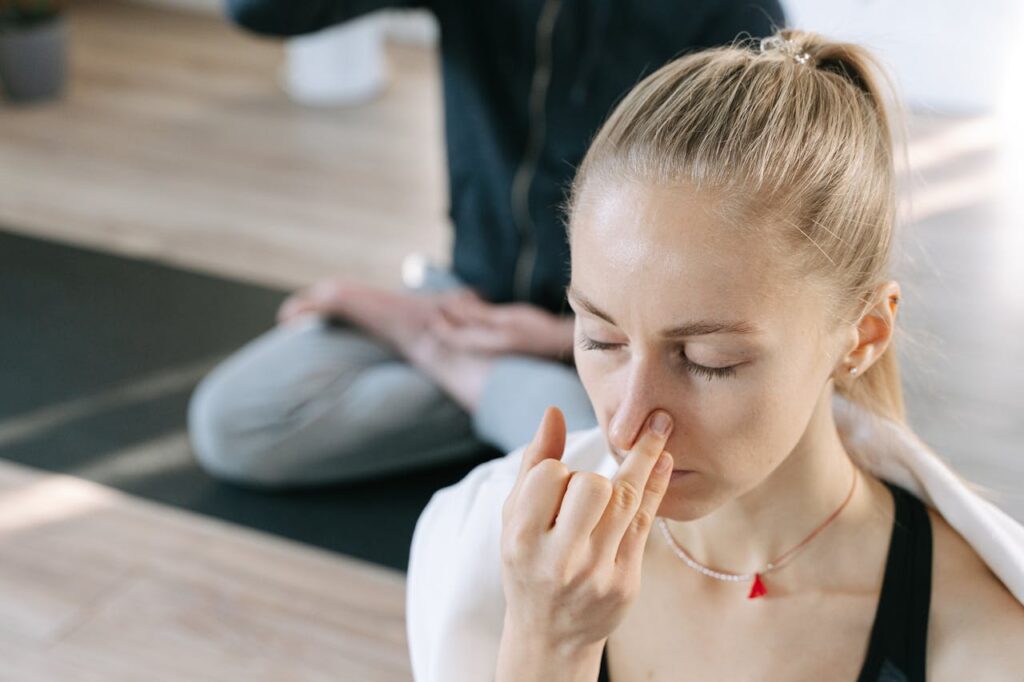
Breathing is one of the few bodily functions that operates both automatically and consciously. This makes it a powerful gateway between the mind and the body. When stress rises, breathing often becomes shallow and rapid, signaling danger to the nervous system even when no real threat exists.
By slowing the breath intentionally, the body receives a message that it is safe. This activates the parasympathetic nervous system, which lowers heart rate, reduces muscle tension, and eases anxiety. Over time, people who practice controlled breathing often report fewer stress related symptoms and faster emotional recovery.
Some studies suggest that longer exhalations compared to inhalations can reduce pain perception. This may explain why people instinctively sigh or exhale sharply when uncomfortable. By extending the exhale, the brain appears to dial down the intensity of pain signals.
Practicing this daily does not require meditation expertise. Sitting comfortably and breathing in through the nose for a count of four, then breathing out slowly for a count of six, can create noticeable changes in minutes. Over weeks, the body learns to remain calmer even during difficult situations.
2. Using Posture to Influence Mood
The way you hold your body sends constant feedback to your brain. Slouched posture is often associated with low energy and negative mood, while upright posture correlates with confidence and alertness. This relationship works both ways, meaning posture can shape emotions just as emotions shape posture.
When the chest is collapsed and the head leans forward, breathing becomes restricted. This limits oxygen intake and can increase feelings of fatigue or tension. Simply sitting or standing taller allows deeper breaths and better circulation, which supports mental clarity.
Researchers studying body language have observed that expansive posture may reduce cortisol levels. Cortisol is the hormone commonly linked to stress. Lower levels can improve focus and emotional regulation throughout the day.
Building posture awareness starts with simple check ins. Every hour, notice shoulder position, neck alignment, and spinal length. Gently resetting posture can improve energy levels without caffeine or stimulants.
3. Training the Body With Cold Exposure
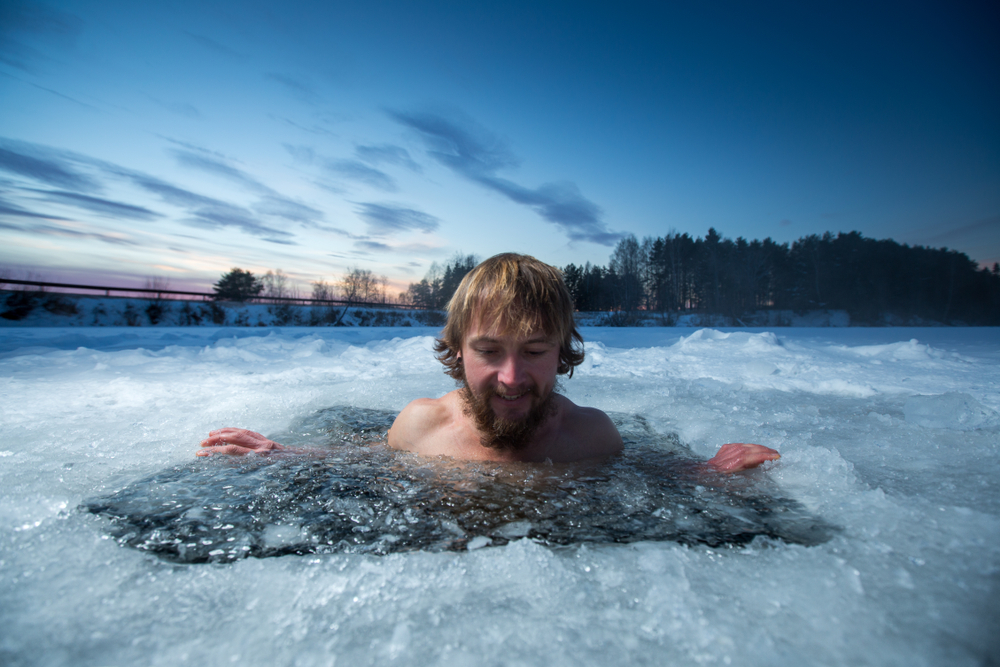
Cold exposure sounds unpleasant, but it has become increasingly popular for its surprising benefits. Brief contact with cold water can activate brown fat, improve circulation, and sharpen mental alertness. It also forces the body to adapt quickly to discomfort.
When exposed to cold, the body releases norepinephrine, a chemical linked to focus and mood regulation. This may explain why people often feel energized and mentally clear after cold showers or cold water immersion.
Cold exposure also trains the nervous system to tolerate stress. By learning to remain calm in a controlled cold environment, the body becomes more resilient during emotional or physical challenges. This resilience can translate into better stress management overall.
Starting small is essential. Ending a warm shower with thirty seconds of cool water allows the body to adapt gradually. Over time, tolerance increases and the initial shock becomes easier to manage.
4. Chewing Slowly to Control Appetite
Eating speed plays a major role in how the body processes food. When meals are eaten too quickly, the brain does not receive fullness signals in time, leading to overeating. Slowing down gives hormones the chance to communicate satiety.
Chewing thoroughly also improves digestion. Food broken down properly in the mouth places less strain on the stomach and intestines. This can reduce bloating and discomfort after meals.
Mindful chewing encourages awareness of taste and texture. This sensory engagement often increases satisfaction, even with smaller portions. As a result, cravings may decrease naturally without restrictive dieting.
A simple practice is to place utensils down between bites. Counting chews or taking sips of water during meals can also slow the pace. Over time, the body learns to feel satisfied with less effort.
5. Talking Kindly to Yourself
Internal dialogue has a powerful influence on physical responses. Negative self talk can increase muscle tension, elevate stress hormones, and reduce motivation. Positive and neutral self statements, on the other hand, help regulate emotional and physical reactions.
Studies in sports psychology show that athletes who use encouraging self talk perform better and experience less perceived effort. The same principle applies to everyday challenges like work stress or exercise routines.
Replacing harsh thoughts with supportive language does not mean ignoring problems. It means framing challenges in a way that promotes action rather than paralysis. The body responds to this shift with increased energy and resilience.
Practicing this skill involves noticing inner commentary and gently adjusting it. Statements like I can handle this or this discomfort will pass can reduce physical stress responses over time.

6. Using Visualization to Improve Performance
Visualization is more than imagination. Brain scans show that imagining an action activates many of the same neural pathways as physically performing it. This allows the body to rehearse movements and responses safely.
Athletes often visualize successful performance before competitions. This mental practice improves coordination, timing, and confidence. The body becomes familiar with the action before it happens.
Visualization can also help with pain management. Imagining warmth, relaxation, or healing in a specific area may reduce discomfort by altering neural processing of pain signals.
To practice, close the eyes and picture a desired outcome in detail. Include sights, sounds, and sensations. Regular visualization sessions can improve both physical and emotional control.
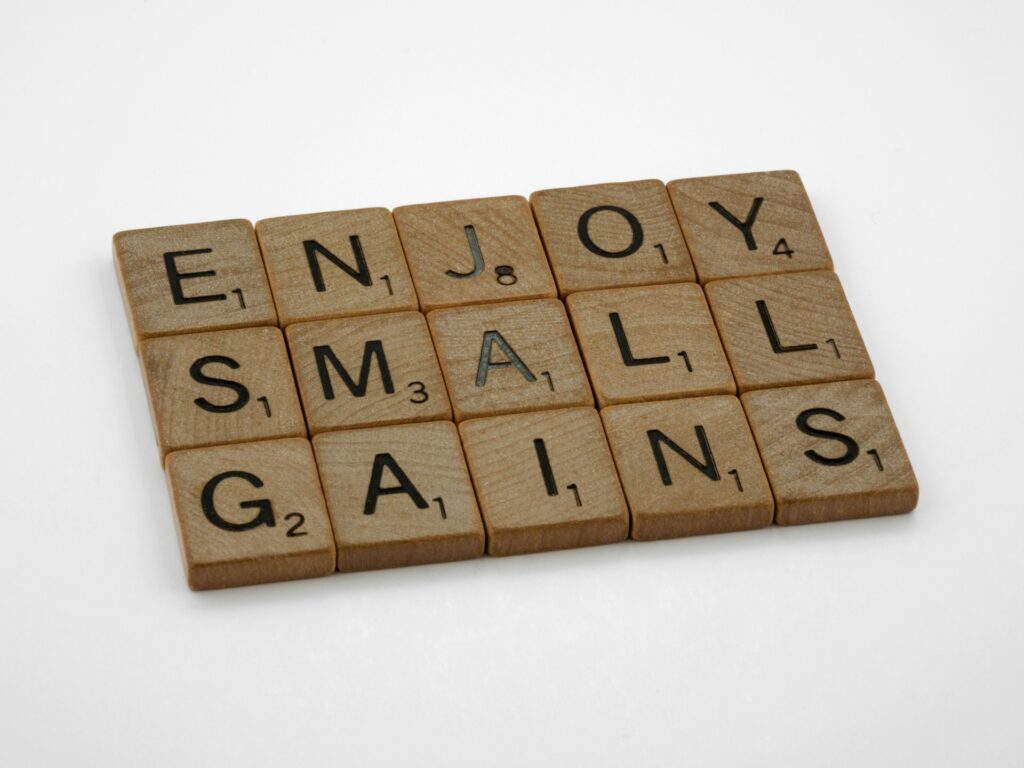
7. Building Self Control Through Small Wins
Self control is not an endless resource. It strengthens through practice, much like a muscle. Starting with small manageable commitments helps the body and mind adapt without burnout.
Completing small tasks builds confidence and reinforces discipline. Each success sends a message to the brain that effort leads to reward. Over time, this creates momentum.
Research suggests that routines reduce decision fatigue. When behaviors become automatic, less energy is required to maintain them. This allows self control to extend into other areas of life.
Choosing one small habit, such as drinking water upon waking or stretching briefly each day, can have ripple effects. Consistency matters more than intensity when training self control.
Reflecting on the Power of Subtle Control
The human body is remarkably responsive to small changes. Many of the techniques above work not because they are extreme, but because they align with how the brain and body naturally communicate.
Learning to control the body does not mean forcing it into submission. It means listening, adjusting, and guiding it gently toward balance. These strange sounding methods succeed because they respect that relationship.
When practiced consistently, these habits can improve health, mood, and resilience. They also remind us that control does not always come from effort alone, but from awareness.
By experimenting with these approaches, anyone can discover how much influence they already possess over their own body.
Featured Image Credits: Photo by Pavel Danilyuk | Pexels