

This Simple Two Day Oatmeal Diet Might Transform Your Cholesterol Levels
It sounds like something pulled from a minimalist wellness challenge. Eat only oatmeal for two days, reset your body, and walk away healthier. No complicated meal plans, no expensive superfoods, just a pantry staple that most people already have at home.
But a growing body of research suggests this simple idea may carry surprising biological effects. A recent clinical study has drawn attention for showing that a short, intense oatmeal diet can lead to measurable changes in cholesterol, weight, and even gut health in as little as 48 hours.
Still, beneath the viral appeal lies a deeper story about how the body reacts to sudden dietary shifts, and why experts are both intrigued and cautious about what these findings really mean.
The Study That Sparked the Oatmeal Conversation
The renewed interest in oatmeal comes from a study published in Nature Communications, where researchers tested how a short-term oat-heavy diet would affect people with metabolic syndrome.
Metabolic syndrome is not a single condition. It is a cluster of risk factors that often appear together, including high blood pressure, excess abdominal fat, elevated blood sugar, and abnormal cholesterol levels. These factors significantly increase the risk of heart disease and diabetes.
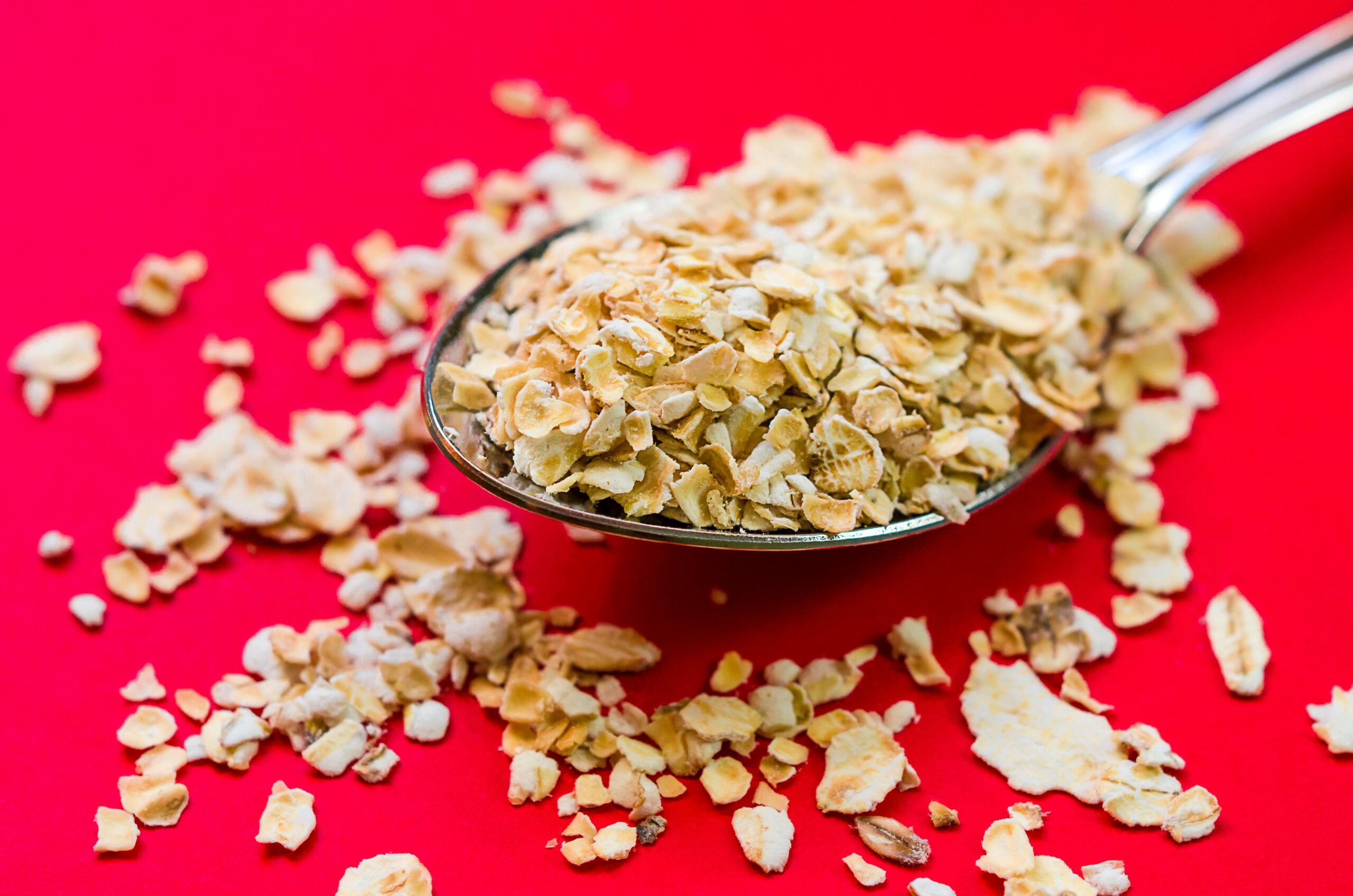
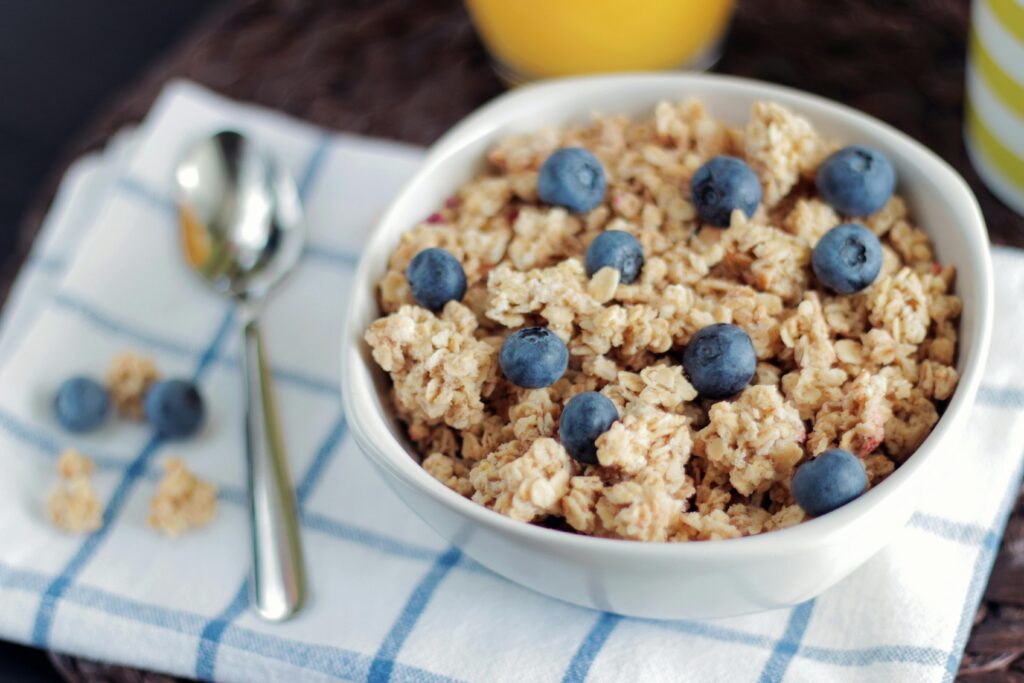
In the study, participants were split into groups and given controlled diets. The group that gained the most attention consumed oatmeal for three meals a day over a two-day period. Each meal consisted of about 100 grams of rolled oats cooked in water, sometimes paired with small amounts of fruit or vegetables.
Their calorie intake was also reduced to roughly half of what they would normally eat.
The results were noticeable almost immediately.
- LDL cholesterol, often referred to as bad cholesterol, dropped by about 10 percent
- Total cholesterol levels also decreased
- Participants experienced modest weight loss
- Blood pressure showed slight improvement
What made the findings more surprising was that some of these effects persisted even after participants returned to their normal diets.
Why Cholesterol Dropped So Quickly
Cholesterol is often thought of as something that changes slowly over time. That is generally true under normal conditions. However, this study highlighted how quickly the body can respond when dietary inputs are tightly controlled.
One of the key drivers behind this change is a type of soluble fiber found in oats called beta glucan. This compound forms a gel-like substance in the digestive system, which can bind to cholesterol and help remove it from the body.
But according to the researchers, fiber alone may not explain everything.
The Role of the Gut Microbiome
The study found that the sudden influx of oats triggered noticeable changes in the gut microbiome. This refers to the trillions of bacteria living in the digestive tract, which play a critical role in metabolism, immunity, and overall health.
When participants consumed large amounts of oats, their gut bacteria began producing higher levels of certain compounds, including phenolic metabolites such as dihydroferulic acid. These compounds are believed to influence how cholesterol is processed at the cellular level.
In simple terms, the oats did not just act directly. They activated a chain reaction inside the body.
- Gut bacteria broke down oat components
- This produced bioactive compounds
- These compounds influenced cholesterol metabolism
This mechanism helps explain why the effects lasted beyond the two-day diet. The microbiome had shifted, and its activity continued even after the diet ended.
Short Term Intensity Versus Long Term Habits

One of the most interesting aspects of the research is how the short-term diet compared to a longer, more moderate approach.
In a parallel experiment, participants replaced just one meal per day with oats over a six-week period. While this approach still offered some benefits, the changes in cholesterol were far less dramatic.
This suggests that intensity matters.
A sudden, high-dose intake of oats appears to create a stronger biological response than gradual incorporation into a regular diet.
However, experts caution against interpreting this as a reason to adopt extreme eating patterns.
Dietitian Michelle Routhenstein explained that tightly controlled diets often produce more noticeable results because they reduce variables. When people eat a wide range of foods in everyday life, results tend to be more gradual and influenced by many factors.
Kristin Kirkpatrick, a dietitian at the Cleveland Clinic, also noted that while the two-day approach is interesting, it may not be realistic or sustainable for most people.
Humans are wired to seek variety, and the body depends on a diverse intake of nutrients to function properly.
Weight Loss and Blood Pressure Changes

Beyond cholesterol, the study observed additional benefits that contributed to its viral appeal.
Participants lost an average of a few pounds over the two-day period. This is not entirely surprising given the calorie restriction involved, but it still highlights how quickly the body can respond to dietary changes.
Blood pressure also showed slight improvements.
These effects may be linked to several factors working together:
- Reduced calorie intake
- Lower consumption of saturated fats
- Increased fiber intake
- Changes in gut bacteria
While these short-term improvements are encouraging, experts emphasize that they should not be mistaken for long-term solutions.
Weight and blood pressure are influenced by consistent habits over time rather than brief interventions.
The Fiber Trend and the Rise of Gut Health Awareness
The study arrives at a time when fiber is gaining renewed attention in the health world.
Some experts have even suggested that fiber is becoming the new focus nutrient, as more people begin to understand the importance of gut health.
Oats are particularly rich in soluble fiber, which has been linked to several benefits:
- Improved digestion
- Better blood sugar control
- Reduced risk of cardiovascular disease
- Support for a healthy gut microbiome
However, nutrition experts warn against framing fiber as a replacement for other essential nutrients.
Protein, for example, plays a completely different role in the body. It supports muscle maintenance, hormone production, and metabolic function.
A balanced diet requires both.
Rather than choosing one over the other, the goal should be to build meals that include a variety of nutrients working together.
What Happens Inside Your Body During Those 48 Hours
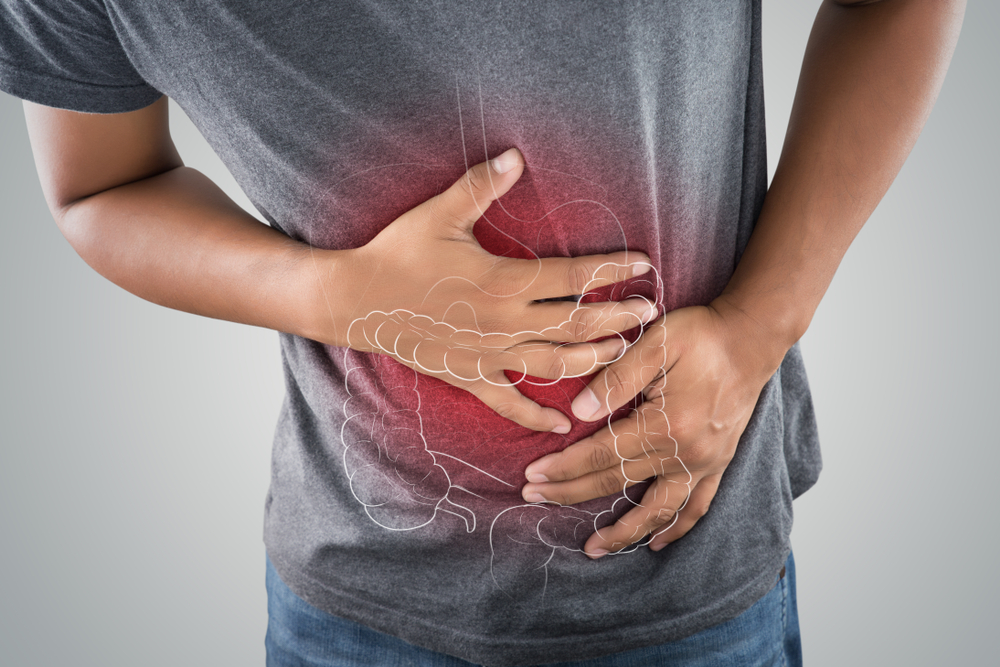
To better understand the impact of an oatmeal-only diet, it helps to break down what is happening internally during those two days.
Day 1: Rapid Dietary Shift
The body immediately experiences a drop in calorie intake and a significant increase in fiber consumption.
Digestion slows slightly due to the gel-forming effect of soluble fiber, which can help you feel fuller for longer.
At the same time, gut bacteria begin adapting to the new food source.
Day 2: Microbiome Activation
By the second day, microbial activity increases. The bacteria in the gut are actively breaking down oat compounds and producing metabolites that influence cholesterol processing.
This is also when measurable changes in cholesterol begin to appear.
After the Diet: Lingering Effects
Even after returning to a normal diet, the changes in the microbiome and metabolic processes may persist for several weeks.
This explains why participants still showed improved cholesterol levels six weeks later.
The Catch That Experts Want You to Understand
While the headline results are impressive, there are several important caveats.
First, the study involved a relatively small group of participants, all of whom had metabolic syndrome. This means the findings may not apply to the general population in the same way.
Second, the diet was highly controlled and involved a significant reduction in calories. This alone can influence cholesterol and weight.
Third, an oatmeal-only diet is not nutritionally complete.
Clinical nutritionist Rachel Lander-Canseco pointed out that while such a diet can be followed for a short period, it should not be extended beyond a couple of days due to the lack of essential nutrients.
There is also the broader question of sustainability.
Extreme dietary approaches may produce quick results, but they are often difficult to maintain and may not lead to lasting lifestyle changes.
What This Means for Everyday Eating Habits
So where does this leave the average person who is simply trying to improve their health?
The key takeaway is not that you need to eat only oatmeal for two days.
Instead, the study highlights the powerful role that diet plays in shaping health outcomes, particularly when it comes to cholesterol and metabolic function.
Experts generally recommend focusing on long-term habits rather than short-term fixes.
Some practical strategies include:
- Eating a variety of fiber-rich foods such as oats, barley, fruits, and vegetables
- Including plant-based proteins alongside lean animal proteins
- Reducing intake of added sugars and saturated fats
- Staying physically active on a regular basis
- Prioritizing sleep and stress management
Oats can absolutely be part of this approach, but they work best as one piece of a larger puzzle.
Could Short Oatmeal Resets Become a Trend
The idea of a two-day oatmeal reset is already gaining attention online, with some people viewing it as a quick way to jumpstart healthier habits.
Researchers have suggested that repeating short, high-dose oat interventions at intervals might help maintain cholesterol levels, but this idea still needs further investigation.
There is a difference between what is scientifically interesting and what is practically advisable.
Before adopting any extreme dietary pattern, it is important to consider individual health needs and consult with a healthcare professional when necessary.
A Simple Food With a Complex Impact
Oatmeal has long been seen as a basic, even boring, breakfast choice. But this research reminds us that simple foods can have surprisingly complex effects on the body.
The interaction between fiber, gut bacteria, and metabolism is still being explored, and studies like this offer a glimpse into how interconnected these systems really are.
At the same time, it reinforces a familiar message.
Health is rarely about a single food or a quick fix.
What Can We Learn From This Viral Trend
The idea that two days of oatmeal could lower cholesterol is compelling, and it is easy to see why it has captured public attention.
But the real value of this story lies in what it teaches us about consistency, balance, and the body’s ability to respond to change.
Short-term interventions can reveal how powerful certain foods are, but lasting health comes from habits that can be maintained over time.
Oats are not a magic solution, but they are a valuable tool. When combined with a balanced diet, regular movement, and healthy lifestyle choices, they can contribute to meaningful improvements in health.
Sometimes, the most impactful changes do not come from extremes, but from simple choices repeated every day.