

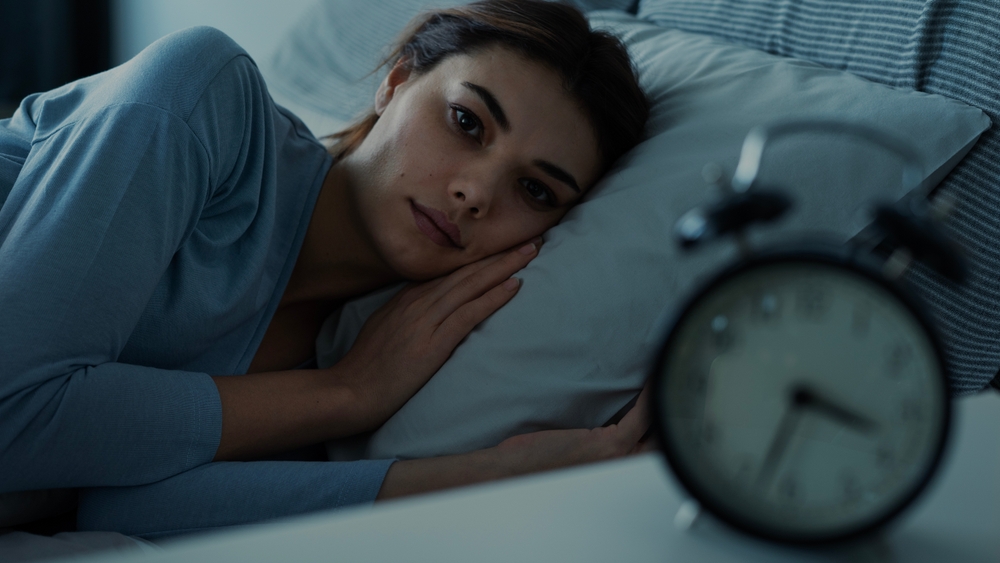
There is a quiet moment many people know well. You wake in the middle of the night, the world still, your mind suddenly alert, and a familiar question rises. Why am I awake right now? For many, that moment carries a sense of unease, as if something has gone wrong with the body’s most basic rhythm. The silence feels louder, the darkness feels heavier, and the mind begins to search for answers that may not actually be needed.
For most of human history, a continuous eight-hour sleep was not the norm. As one account explains, “continuous sleep is a modern habit, not an evolutionary constant,” which reframes that midnight wakefulness entirely. What feels like a disruption today may actually be a quiet echo of how humans once lived, rested, and experienced the night, when waking in darkness was not something to fear but something to accept.
The Night Was Once Split in Two
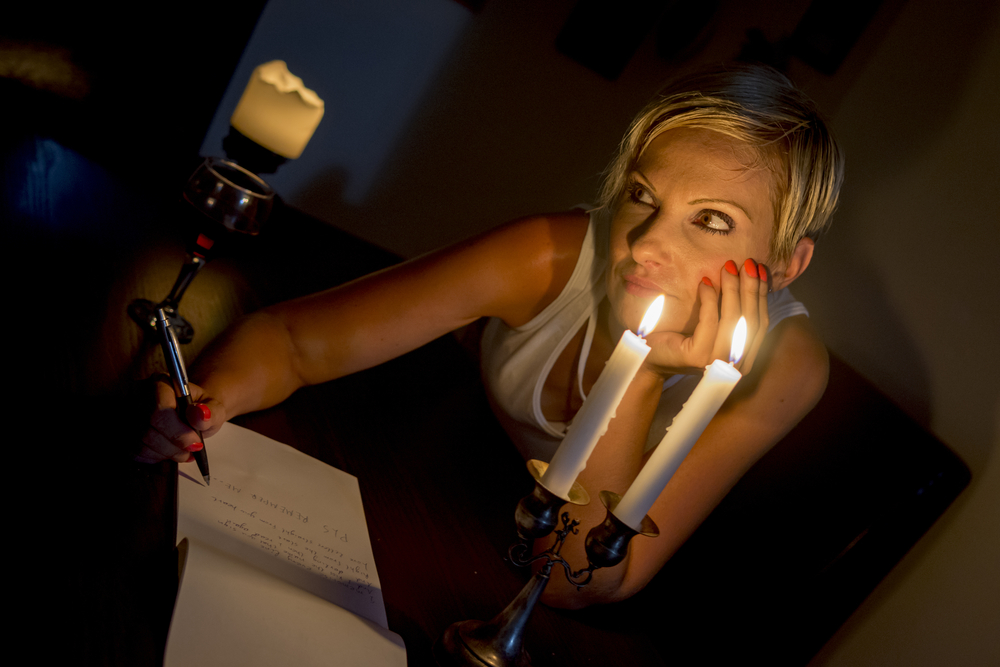
Long before artificial lighting reshaped our evenings, people commonly followed a pattern of two distinct sleep phases that felt natural and unforced. Historical accounts describe individuals settling into what was often called a “first sleep” before waking naturally in the middle of the night, only to return later for a “second sleep.” This rhythm appeared across cultures and continents, suggesting it was not a cultural quirk or isolated behavior but a deeply rooted human pattern that existed long before modern expectations took hold.
This middle waking period was not treated as an inconvenience or a failure of rest. It was expected, even meaningful, and woven into daily life in a way that feels unfamiliar today. Instead of trying to force sleep or worrying about being awake, people allowed themselves to exist within that quiet space, moving gently between rest and awareness without pressure or urgency.
Writings from earlier centuries capture how ordinary this rhythm once was and how deeply it shaped the experience of night. References from classical literature mention “an hour which terminates the first sleep,” pointing to how embedded this pattern was in daily life. The structure of the night itself felt divided, giving it a sense of flow and rhythm rather than a single, uninterrupted stretch that had to be maintained at all costs.
What People Did During the Midnight Hours
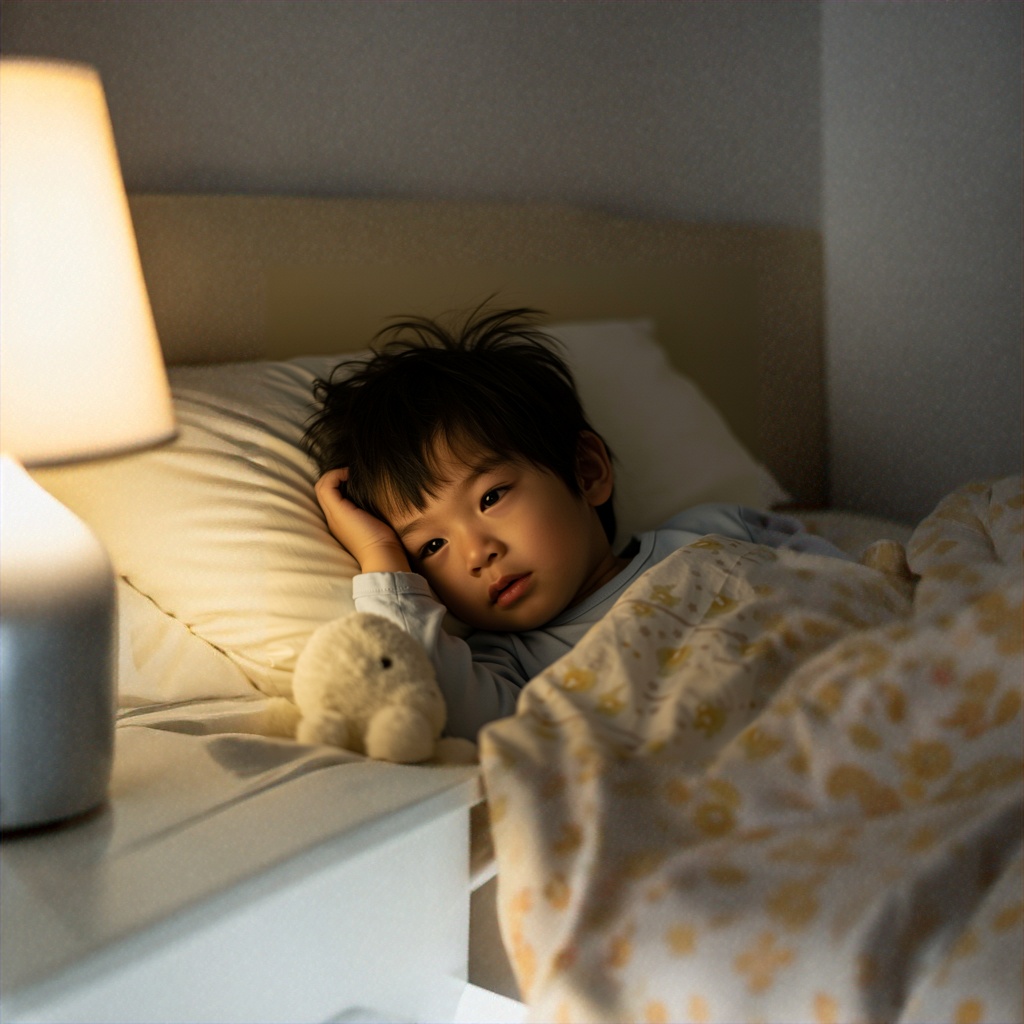
That period of wakefulness was not empty or meaningless. It carried a softer pace that matched the stillness of the night, creating space for activities that felt quieter, slower, and more reflective than those of the day. Without the distractions of modern life, people often used this time to reconnect with simple tasks or thoughts that required calm attention.
People often filled this time with simple, grounding activities that reflected a slower relationship with life itself:
- Tending fires or checking on animals, ensuring safety and warmth through the night
- Reflecting on dreams or praying, using the silence as a space for inner awareness
- Reading or writing quietly, often by candlelight in a calm environment
- Sharing conversations with loved ones, where words felt more thoughtful and less rushed
- Spending time in intimacy with a partner, deepening connection in a peaceful setting
Each action reflected a different relationship with time. The night was not something to rush through or escape from. It was something to move within, slowly and intentionally, without the pressure to be constantly productive or asleep.
How Modern Life Reshaped Sleep Patterns
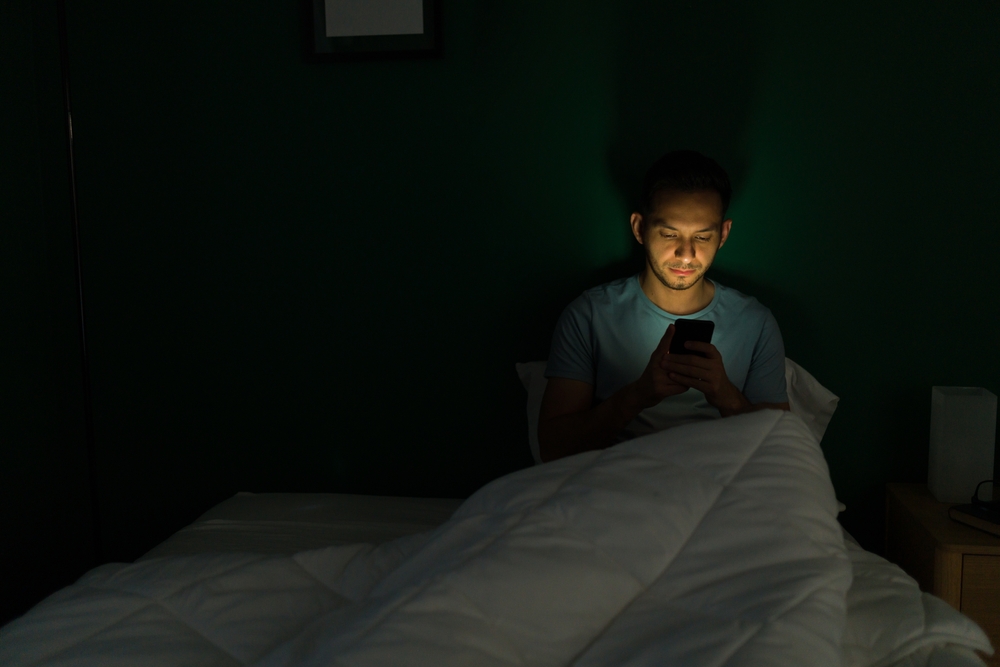
Over the past two centuries, this natural rhythm began to disappear as society itself changed in profound ways. The introduction of artificial lighting extended the day far beyond sunset, allowing people to remain active deep into the evening hours. This shift gradually pushed bedtimes later, compressed sleep into a single block, and removed the natural pause that once existed in the middle of the night.
Light plays a powerful and often underestimated role in regulating the body’s internal clock. Exposure to artificial light at night affects melatonin production, delaying the body’s signal to sleep and altering the natural timing of rest. As evenings became brighter and more stimulating, the body adapted, but not necessarily in a way that aligned with its original rhythm.
The Industrial Revolution further reinforced this transformation by reshaping how time itself was structured. Work schedules became fixed, rigid, and often demanding, favoring one uninterrupted period of rest that aligned with early starts and long working hours. Over time, the idea of sleeping straight through the night became the expected norm, replacing a pattern that had once felt effortless and natural.
Why Your Body Might Still Wake at Night
Even with these changes, many people still find themselves waking during the night without any clear cause or explanation. This experience often feels frustrating or confusing, especially when viewed through the lens of modern expectations that equate uninterrupted sleep with healthy sleep. The gap between expectation and experience can create unnecessary stress.
Yet research suggests something different may be happening beneath the surface, something that connects to older biological rhythms rather than modern disruptions. In controlled environments that simulate longer nights with reduced artificial light, participants often return to a two-phase sleep pattern without being instructed to do so. They fall asleep, wake calmly after several hours, then drift naturally into a second period of rest.
A study of a Madagascan agricultural community found a similar rhythm in everyday life. People often slept in two segments, waking naturally around midnight before returning to sleep later. This pattern exists even without modern sleep pressures, suggesting it may be part of a deeper biological tendency that still exists within us, even if it is often overlooked.
How We Experience Time in the Dark
The way we perceive time is not fixed and can change depending on our state of mind and environment. In the quiet of the night, especially without distractions or external cues, attention often turns inward. This shift can make minutes feel longer, thoughts feel louder, and wakefulness feel more intense than it actually is.
Research has shown that “light sets our internal clock and influences how fast we feel time passing,” highlighting how deeply light shapes both biological and psychological experience. When light cues are reduced, as they are during the night or in winter months, our sense of time can shift in subtle but noticeable ways.
In low-light conditions, people often perceive time as stretching, especially when there is nothing to anchor attention. This effect becomes stronger when mood is low or when attention is focused on the passage of time itself. A short period of wakefulness can begin to feel much longer, not because it is, but because of how the mind is experiencing it.
Rethinking Insomnia and Night Wakefulness
Sleep experts emphasize that waking during the night is not unusual and does not automatically signal a problem. In fact, brief awakenings often occur naturally during transitions between sleep stages, particularly around dreaming phases. The body moves through cycles, and wakefulness can be a small, normal part of that process.
The challenge lies in how we respond to that wakefulness. When it is met with anxiety or frustration, the experience becomes more intense and harder to move through. Thoughts about lost sleep, upcoming responsibilities, or the passing of time can amplify the sense of restlessness and make it more difficult to return to sleep.
Cognitive behavioural approaches suggest a different response that focuses on reducing pressure rather than increasing it. If wakefulness persists, stepping away from the bed and engaging in a quiet activity in dim light can help reset the mind. Reading, stretching, or sitting calmly allows the body to return to sleep more naturally when it is ready, without force.
The Benefits and Limits of Biphasic Sleep Today
Interest in biphasic sleep has grown as more people begin to question whether modern sleep expectations truly reflect how the body functions best. Some individuals find that dividing sleep into two phases feels more aligned with their natural rhythms, especially during darker seasons when nights are longer and mornings arrive later.
Potential benefits include a sense of calm during nighttime wakefulness, opportunities for reflection that rarely exist during the day, and improved energy when combined with short periods of rest. These patterns suggest that sleep does not have to follow a single rigid structure to be effective, and that flexibility may play a role in how rested we feel.
At the same time, modern life presents real and unavoidable challenges. Work schedules, caregiving responsibilities, and constant exposure to artificial light can make a two-phase sleep pattern difficult to maintain consistently. Total sleep time remains essential, and any approach must still support overall rest, recovery, and long-term health.
What This Perspective Changes About Rest
Seeing sleep as something flexible rather than fixed can shift how we respond to the night and to ourselves. That quiet moment of wakefulness may not need to be resisted or feared. It can be approached with curiosity, allowing space for the experience instead of trying to control it.
The body does not always operate according to modern expectations, and it does not need to in order to function well. Sometimes it follows patterns shaped over centuries, patterns that still exist beneath the surface of daily life even if they are no longer widely recognized.
Waking in the middle of the night may not be a problem waiting to be solved. It may simply be a rhythm waiting to be understood, one that invites a different kind of relationship with rest, time, and stillness.
Sources:
- [Infiltrating lymphadenosis benigna cutis as borreliosis of the skin]. (1988b, February 1). PubMed. https://pubmed.ncbi.nlm.nih.gov/3360600/
- Institute for Quality and Efficiency in Health Care (IQWiG). (2024, August 1). In brief: What is “normal” sleep? InformedHealth.org – NCBI Bookshelf. https://www.ncbi.nlm.nih.gov/books/NBK279322/