


Which Destroys Your Brain Faster: Alcohol or Weed? A Massive Study Finally Has the Answer
Americans have debated which substance does more damage to human health for decades, and most people believe they already know the answer. Alcohol kills thousands each year through liver disease, impaired driving accidents, and violence, while marijuana advocates point to its medicinal uses and argue that nobody has ever died from smoking too much weed. Common sense suggests that the substance responsible for more deaths would naturally rank as more harmful to the human body, and conventional wisdom has long supported that conclusion.
But what if scanning tens of thousands of brains told a different story about how these substances affect our most important organ?
Dr. Daniel Amen, a psychiatrist who founded Amen Clinics, decided to move beyond assumptions and examine actual brain imaging data to settle the question once and for all. His research team partnered with scientists from Google, Johns Hopkins University, UCLA, and UC San Francisco to conduct one of the largest brain imaging studies in history. What they discovered challenges popular beliefs about marijuana being the safer recreational choice, and their findings arrive at a moment when emergency rooms across the country are treating patients for a disturbing cannabis-related condition that many people have never heard of.
What 62,454 Brain Scans Revealed About Aging
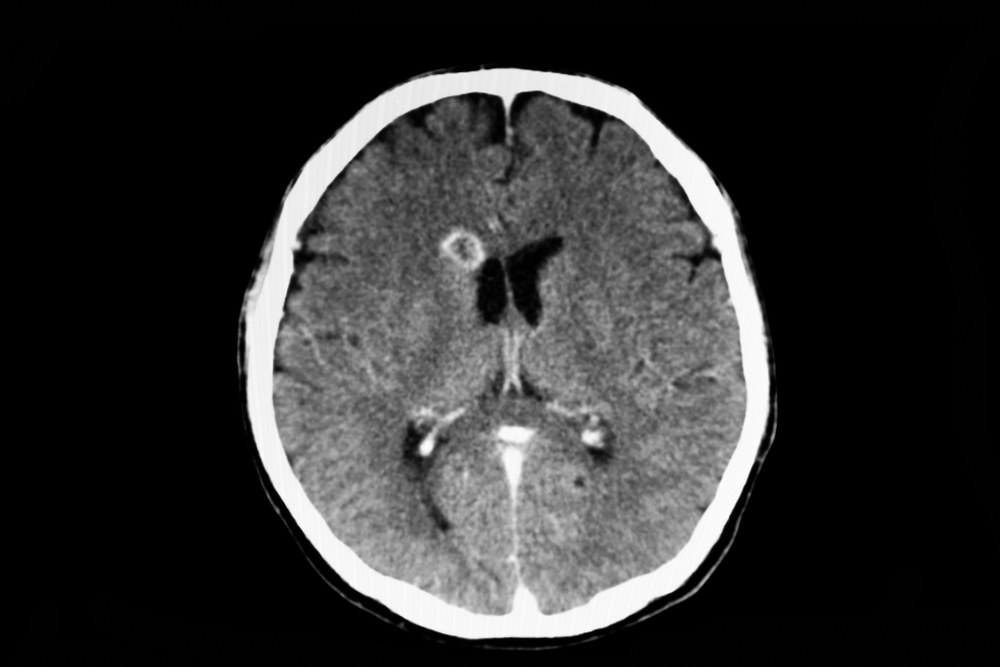
Amen Clinics used SPECT imaging technology, which stands for single photon emission computed tomography, to evaluate regional cerebral blood flow in the brain. Blood flow decreases when various disorders affect brain function, making SPECT scans useful for identifying patterns associated with different conditions and behaviors. Researchers examined brain scans from more than 30,000 individuals ranging from 9 months old to 105 years of age, giving them an unprecedented dataset to analyze.
Scientists studied 128 distinct brain regions to predict each patient’s chronological age based on their brain health alone. When a scan predicted an older age than the patient’s actual age, researchers interpreted that gap as evidence of accelerated aging. A 40-year-old with brain scans resembling a typical 45-year-old, for example, would show five years of premature aging according to their methodology.
Both cannabis and alcohol use correlated with accelerated brain aging in the study, confirming that neither substance qualifies as harmless. But one substance proved far worse than most people would expect, and the margin between them was not even close.
Cannabis Aged Brains Nearly Five Times Faster Than Alcohol
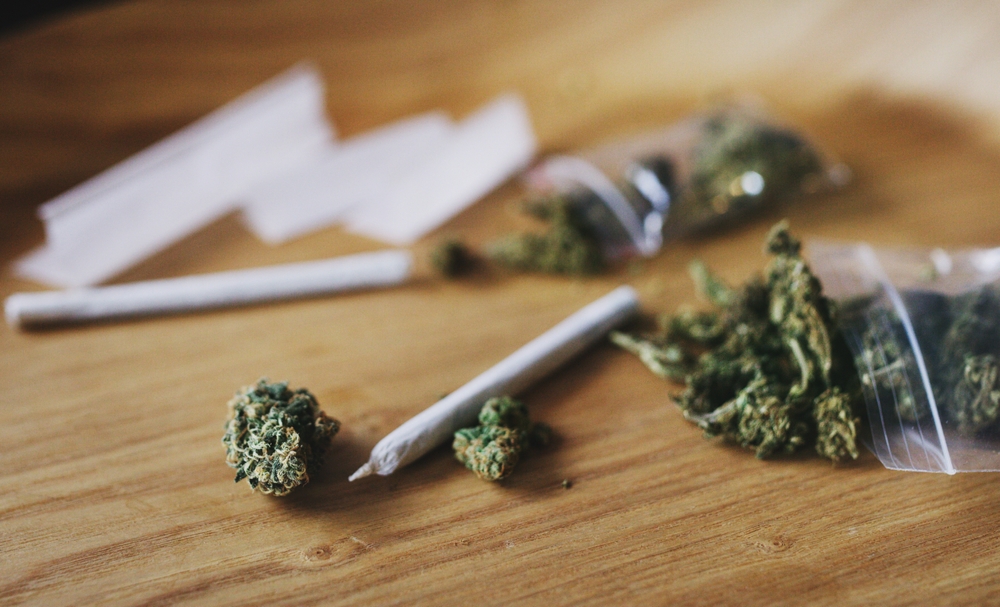
Cannabis abuse correlated with 2.8 years of premature brain aging on average, while alcohol abuse correlated with just 0.6 years of accelerated aging in the Amen Clinics study. Marijuana showed nearly five times the aging effect compared to alcohol when researchers analyzed the brain imaging data, placing cannabis second only to schizophrenia among all factors that accelerated brain aging in the study population.
Schizophrenia topped the list at four years of premature aging, followed by cannabis abuse at 2.8 years, bipolar disorder at 1.6 years, attention deficit hyperactivity disorder at 1.4 years, and alcohol abuse at 0.6 years. Interestingly, researchers did not observe accelerated aging patterns in patients with depression and anxiety, which they hypothesize may result from different types of brain patterns associated with those disorders.
“Based on one of the largest brain imaging studies ever done, we can now track common disorders and behaviors that prematurely age the brain,” Dr. Amen explained regarding the significance of their findings. “Better treatment of these disorders can slow or even halt the process of brain aging. The cannabis abuse finding was especially important, as our culture is starting to see marijuana as an innocuous substance. This study should give us pause about it.”
His warning arrives as 24 states have now legalized marijuana for recreational use and 17 percent of Americans reported smoking a joint at some point in their lives as of 2023. Cultural attitudes toward cannabis have shifted dramatically over the past two decades, with many Americans viewing marijuana as a natural and relatively safe alternative to alcohol and pharmaceutical medications.
Emergency Rooms Are Seeing a Gut Condition Tied to Heavy Cannabis Use

Beyond accelerated brain aging, healthcare providers have identified another alarming consequence of long-term cannabis use that sends patients to emergency departments with severe symptoms. Cannabis hyperemesis syndrome, known as CHS, causes cycles of intense nausea, vomiting, and abdominal pain in people who have used marijuana for extended periods.
CHS develops after approximately 10 to 12 years of regular marijuana use, though not every long-term user experiences the condition. Symptoms occur within 24 hours of the most recent cannabis use and can persist for days, with chronic users experiencing episodes as many as three to four times per year. During acute episodes, patients may vomit up to five times per hour while experiencing severe abdominal discomfort that drives them to seek emergency medical care.
One of the strangest aspects of CHS involves the temporary relief that hot baths and showers provide to sufferers. Many people with the condition will compulsively shower or bathe for hours every day to manage their symptoms, which can lead to additional complications like dehydration from sweating or scald burns from water that is too hot. Some patients experience what healthcare providers have termed “scromiting,” a word combining screaming and vomiting that describes the intense pain accompanying severe episodes.
One study found that 32.9 percent of self-reported frequent marijuana users who came to an emergency department for care met the criteria for CHS. As marijuana legalization spreads and product potency increases, healthcare providers expect CHS cases to become increasingly common in emergency departments across the country.
Stopping cannabis use entirely remains the only known cure for CHS, as hot baths merely mask symptoms without addressing the underlying condition. Most patients who quit using cannabis experience relief within 10 days, though full recovery may take several months.
Alcohol Still Carries Serious Health Warnings
Dr. Amen was careful to note that his findings about brain aging do not mean alcohol deserves a pass from health scrutiny. “Now those of you who follow me know neither one are good for you,” he stated in his video discussing the research. “And quite frankly there are more deaths every year from alcohol than there are marijuana. There’s more domestic violence, there’s more drunk driving accidents, there’s more bad decisions, people ending up in jail.”
World Health Organization guidelines state that no level of alcohol consumption qualifies as safe for human health. WHO classifies alcohol as a toxic, psychoactive, and dependence-producing substance that causes harm regardless of the amount consumed. Drinking alcohol increases risk for at least seven types of cancer, including bowel cancer and breast cancer in women, making it a known carcinogen with well-documented long-term consequences.
Approximately 60 percent of Americans consume alcohol despite these documented risks, far exceeding the 17 percent who report marijuana use. Alcohol remains deeply embedded in American social culture, from business dinners to sporting events to holiday celebrations, while carrying risks that many drinkers choose to minimize or ignore.
Medical Marijuana Has FDA-Approved Applications
While the FDA classifies whole marijuana as a Schedule I substance with no currently accepted medical uses and high potential for addiction, certain purified derivatives from the cannabis plant have gained agency approval for specific conditions.
Epidiolex, a cannabidiol medication, received FDA approval to treat seizures in patients with Lennox-Gastaut syndrome or Dravet syndrome, two rare forms of epilepsy. Dronabinol and nabilone help prevent and treat nausea and vomiting related to chemotherapy, and dronabinol also treats appetite loss and weight loss in people living with HIV or AIDS.
States with medical marijuana laws allow healthcare providers to certify cannabis use for chronic pain relief, appetite stimulation, and managing multiple sclerosis symptoms like spasticity. Providers cannot prescribe marijuana directly because of its Schedule I classification, but they may certify its use where state laws permit such recommendations.
How Each Substance Affects Your Brain and Body
Marijuana produces short-term effects including altered senses, euphoria, impaired memory, coordination problems, increased heart rate, and heightened appetite. High doses can trigger hallucinations, delusions, and psychosis, especially in people who use high-potency products regularly over time.
Long-term marijuana use during adolescence may affect how the brain builds connections for attention, memory, and learning, with some effects potentially lasting permanently into adulthood. Smoking marijuana damages lung tissue, increases bronchitis risk, and raises the likelihood of stroke and heart disease. Frequent marijuana use correlates with higher schizophrenia risk in people who carry genetic predispositions toward psychotic disorders.
Approximately one in ten adult marijuana users develop cannabis use disorder, a form of substance use disorder that can significantly affect health, relationships, and quality of life. Adolescents face four to seven times higher odds of developing cannabis use disorder compared to adults who begin using marijuana later in life.
Alcohol damages the liver, impairs judgment and motor function, and creates physical dependence that can produce life-threatening withdrawal symptoms in severe cases. Chronic alcohol use affects nearly every organ system in the body and remains one of the leading preventable causes of death worldwide.
What Users Should Take Away From These Findings
George Perry, Chief Scientist at the Brain Health Consortium from the University of Texas at San Antonio, commented on the significance of large-scale brain imaging research for public health guidance. “This is one of the first population-based imaging studies, and these large studies are essential to answer how to maintain brain structure and function during aging,” Perry explained. “The effect of modifiable and non-modifiable factors of brain aging will further guide advice to maintain cognitive function.”
Modifiable lifestyle factors give individuals some control over their brain aging trajectory, which represents encouraging news for people concerned about cognitive decline. Anyone experiencing symptoms consistent with cannabis hyperemesis syndrome should consult a healthcare provider about stopping cannabis use, as continued use will only prolong and worsen the condition.
Resources exist for people who struggle to quit either substance on their own. SAMHSA’s National Helpline at 1-800-662-4357 offers free, confidential support 24 hours a day, 365 days per year, with treatment referrals and information available in both English and Spanish.
Neither alcohol nor marijuana qualifies as safe for brain health based on current research, and Dr. Amen’s study suggests that common assumptions about marijuana being the gentler choice may need serious reconsideration as scientists continue studying long-term effects of both substances on the human brain.