


Why 90% of Americans Didn’t Have a Great Time in 2025
Let me ask you something, honestly. When you look back at 2025, what do you feel? Not what you posted. Not what you told your family at dinner. What do you actually feel when you sit with this year and everything it asks of you?
If your answer lands somewhere between “I survived” and “please don’t make me think about it,” I need you to know something. You’re not broken. You’re not ungrateful. You’re not the only one who scrolled through highlight reels wondering why everyone else seemed to be thriving while you were just… getting by.
A recent survey asked Americans to reflect on how 2025 actually felt. Not how it looked on social media. Not how the news framed it. How it felt in their bones, in their bank accounts, in their quiet moments before sleep.
What they found might surprise you. Or it might finally make you feel seen.
What Americans Actually Said About 2025
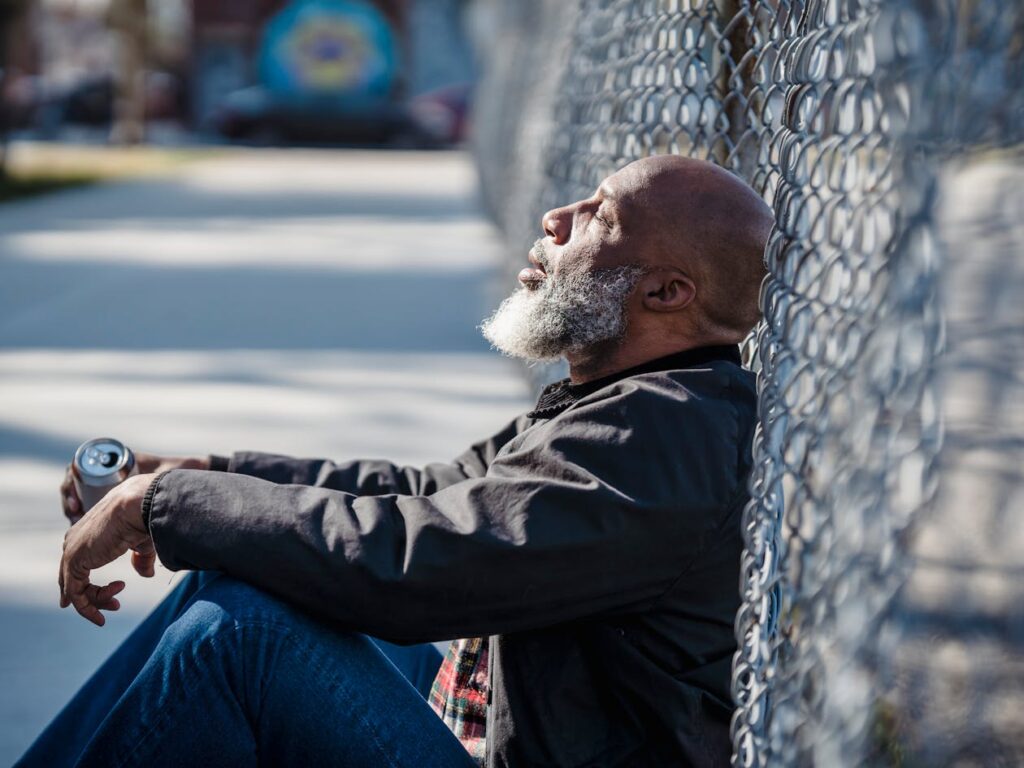
Here’s where it gets real. Only about 1 in 10 Americans called 2025 a “great” year. One in ten. Let that sink in for a moment.
According to survey data shared by StudyFinds, roughly 40 percent of respondents described the year as “good” or “very good.” And sure, that sounds fine on paper. But think about how low that bar has fallen when “good” feels like a victory worth celebrating.
About 39 percent landed on “just okay.” Nearly 19 percent said it was “bad.” And 10 percent went further, calling it “awful.”
So while headlines told us the economy was improving and life was returning to normal, most people weren’t feeling that story at all. They felt like they were scraping by. Barely making it through another week, another month, another set of bills that seemed to grow while paychecks stayed the same.
Money Ran the Show

You already know what I’m about to say because you’ve lived it. Rising costs played a starring role in how people judged their year. Lingering debt. Housing prices that make no sense. Healthcare costs that force impossible choices. And that creeping feeling that no matter how hard you work, your paycheck stretches a little less each month.
Even people who described themselves as financially stable reported stress. Not panic. Something quieter than that. Something heavier.
Fatigue. People are tired of survival mode. Tired of doing everything right and still feeling like they’re falling behind. Tired of being told things are getting better when their lived experience says otherwise.
And here’s what nobody talks about enough. Financial stress doesn’t stay in your wallet. It follows you everywhere. It shows up in your sleep. It shows up in your relationships. It shows up in that low-grade anxiety humming beneath every decision you make.
Burnout Became the Background Noise

Money wasn’t the only weight people carried through 2025. Mental health colored the year for most Americans in ways the survey made painfully clear. Work frustrations. Repetitive routines that blurred one day into the next. A general sense of unease that became so constant it started feeling normal.
People weren’t falling apart. That’s what makes it tricky to name. They weren’t in crisis. They were just… stuck. Going through the motions. Showing up. Checking boxes. I wonder why that effort never translated into feeling good about their lives.
When asked to rate their mental health, respondents averaged 7 out of 10. Men scored slightly higher at 8. But those numbers hide something important. Functioning isn’t thriving. Getting by isn’t the same as feeling alive. And I think deep down, most of us know the difference.
So Who Actually Had a Great Year?
Now here’s where it gets interesting. What separated that lucky 10 percent from everyone else? Did they have better jobs? More money? Some secret the rest of us missed?
Not exactly. People who called 2025 “great” didn’t report wildly different circumstances. They weren’t living in mansions or taking monthly vacations. What they did have was something harder to measure but easier to feel.
Strong personal relationships. Manageable expectations. A sense of control over how they spent their time. Their optimism wasn’t tied to external wins. It came from stability. From connection. From feeling like their daily choices actually belonged to them.
And maybe that’s the real lesson hidden in this data. Happiness in 2025 wasn’t about having more. It was about feeling less pulled apart by forces outside your control.
Age Changed How People Saw It
How old you are shapes how you judge the year. And the patterns tell a story worth hearing. Younger adults reported more frustration and disappointment. Gen Z and millennials pointed to finances and career uncertainty as their biggest sources of stress. When you’re worried about rent, student loans, and whether you’ll ever afford a home, resolutions about outdoor time or mental wellness can feel like luxuries you can’t reach.
Older respondents were slightly more forgiving in their assessments. Even when facing similar pressures, they rated the year less harshly. Baby boomers, when asked what stopped them from reaching their goals, pointed to willpower rather than money.
Does that mean older generations have it figured out? Not necessarily. But perspective does something. Living through enough hard years teaches you that surviving one more isn’t failure. It’s just life doing what life does.
Gen Z Beats Themselves Up. Older Generations Move On.

Here’s something that broke my heart a little when I read it. When resolutions fall short, Gen Z tends to criticize themselves. About 36 percent reported feeling guilty or turning inward with harsh self-judgment when they didn’t meet their goals.
Millennials, Gen X, and baby boomers responded differently. They were more likely to accept setbacks as part of the process and keep moving forward. Baby boomers led the way at 55 percent, followed by Gen X at 48 percent and millennials at 42 percent.
Self-compassion seems to grow with age. Older Americans have likely failed enough resolutions to know that stumbling doesn’t mean the race is over. Younger people, especially Gen Z, appear to take setbacks personally in ways that add weight to an already heavy load.
And I want to speak directly to anyone who recognizes themselves in that pattern. Missing a goal doesn’t make you a failure. It makes you human. Growth happens in the trying, even when the outcome doesn’t match what you pictured.
2026 Resolutions Are Already Stacking Up

Despite everything, hope hasn’t disappeared. About 38 percent of Americans are setting personal goals for 2026. And they’re not thinking small. On average, people made six resolutions each.
Saving money and getting more exercise are tied at 45 percent. Improving physical health came in at 41 percent. Eating healthier hit 40 percent. Better financial wellness, more outdoor time, and improved mental health all made the list, too.
Half of the respondents believe 2026 will be their year to finally reach a better place mentally. That optimism stands in sharp contrast to how people felt about 2025. And it suggests something beautiful about human nature.
We keep trying. Even after a year that knocked most of us down, we dust ourselves off and make new promises to ourselves. We believe change is possible. We believe we can do better. Whether those six resolutions stick remains to be seen. But the effort itself might matter more than perfect execution.
How People Are Actually Coping

Different generations lean on different habits to protect their mental health. And some of these answers might surprise you.
Gen Z finds comfort in family time and sleep. Millennials turn to music and podcasts, finding solace in shared stories and sounds. Gen X and baby boomers favor regular walks, recognizing what movement does for the mind.
About 54 percent of respondents said they’re open about their mental health with loved ones. Millennials and men led the way in transparency.
Some people shared more personal techniques. Dancing like nobody’s watching. Skateboarding. Listening to Tyler, the Creator interviews. One person admitted that sometimes they just make themselves cry because releasing emotion helps them reset.
Another offered something that stopped me in my tracks. They said they love encouraging others because it takes their mind off their own problems. And sometimes, that encouragement comes back to them when they least expect it.
Calling 2025 “Great” Was a Luxury Opinion
So, where does all of this leave us? Most Americans didn’t win 2025. They didn’t lose it either. They survived it. Another stretch of time endured. Another year of showing up, paying bills, trying to stay healthy, and wondering why all that effort doesn’t translate into feeling good.
For a country that keeps hearing things are improving, that gap between messaging and lived experience might be the most honest result of all. But here’s what I want you to carry into 2026. You don’t need a perfect year. You don’t need every resolution to stick. You don’t need to pretend this one was great when it wasn’t.
What you need is to keep going. To be gentle with yourself when you stumble. To find stability in small moments and connection in the people who actually see you. Because that 10 percent who called 2025 “great”? They didn’t have magic. They had each other. They had boundaries. They had grace for themselves when things got hard.
And those things? You can build them too. Starting now. Starting today. 2026 is waiting. And so is the version of you who refuses to just survive another year.