


Psychologists Explain Why Some People Become Easy Targets for Mean People
Ever notice how certain people can walk into a room and barely get touched, while someone else becomes the default punchline, the easy scapegoat, the one who gets the attitude? It can feel personal, like there must be something “wrong” with them. But psychology points to a different truth: meanness often follows patterns. Some people chase power, some leak unprocessed pain, some copy what they grew up around, and some react to difference like it’s a threat. The good news is that patterns can be spotted, named, and interrupted, without losing softness or turning cold.
Reason 1: A Power-Seeker Looks for the Safest Person to Control
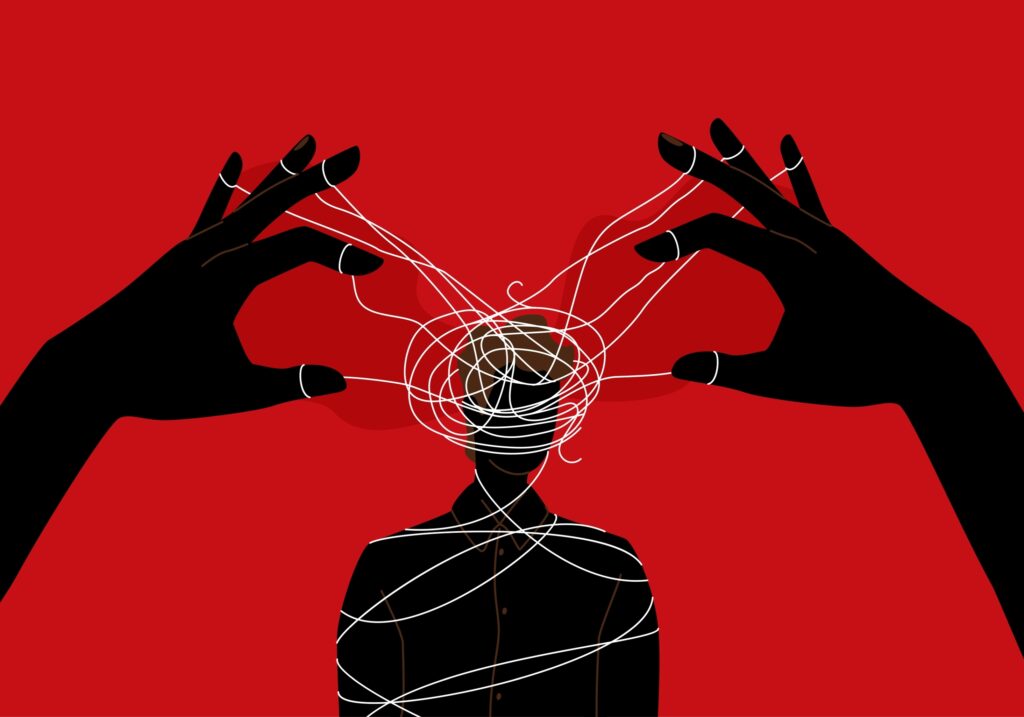
Some mean people treat relationships like a ladder. To feel “up,” they push someone else “down.” In that mindset, the target is rarely the strongest person in the room. It’s the person who seems easiest to dominate without consequences.
That often includes people who are conflict-averse, overly apologetic, eager to keep peace, or quick to give second chances. Not because they deserve mistreatment, but because their kindness can be misread as permission. If a bully senses low resistance and high access, the behavior repeats.
This fits what bullying research emphasizes. Developmental psychologist Professor Sara Goldstein defines bullying as “mean-spirited, harmful behavior by someone with more power or status… who repeatedly picks on, harasses, irritates or injures a person with less power or status.” Targets are chosen where that power gap can be created or exploited, even socially, not just physically.
What helps:
- Respond early and clearly: “Don’t speak to me like that.”
- Increase accountability: keep interactions public or documented.
- Build allies: involve supervisors, HR, teachers, or trusted adults when patterns repeat.
Soft-hearted is not the problem. Lack of protection is the opening.
Reason 2: Their Unprocessed Pain Spills Onto the Most Accessible Person

A lot of cruelty isn’t calculated. It’s redirected.
When someone is carrying unprocessed anger, shame, grief, or chronic stress, that pressure looks for an exit. And it often lands on the person who feels easiest to approach and least likely to explode back. The steady coworker. The forgiving friend. The person who tries to keep things “nice.” Not because they caused the pain, but because they’re close enough to catch the splash.
How it usually looks:
- Tiny mistakes get treated like crimes
- Neutral comments get twisted into “disrespect”
- The reaction is bigger than the moment
- Afterward, the target is left confused, replaying the scene
A grounded response helps keep the blame where it belongs:
- Label the behavior, not the person: “That comment was disrespectful.”
- Keep it brief, then disengage.
- Reduce access when possible and track repeated incidents.
- Pull in support early when it becomes a pattern.
Empathy can explain the spill. Boundaries stop the flooding.
Reason 3: Learned Cruelty Targets Those Who Tolerate It the Longest

Some people weren’t taught how to disagree without disrespect. They were trained in sarcasm, criticism, and domination, then sent into the world calling it “just being real.” Developmental psychologist Professor Sara Goldstein points out that people can learn bullying through “modeling and social learning,” meaning aggressive behavior gets copied when it’s seen and rewarded.
That’s where targeting happens. A power-hungry person may pick whoever seems least likely to punish the behavior. Kind, patient, peace-seeking people can unintentionally signal, “This will slide.” Not because they’re weak, but because they value harmony and often try to de-escalate. A mean person reads that as a green light to keep going.
A small shift can interrupt the script. The first time the line gets crossed, name the behavior plainly, set the limit once, and change the conditions if needed by moving the conversation to written channels or bringing in a third party. Kindness stays. Access changes.
Reason 4: Emotional Immaturity Turns Calm People Into a Release Valve

A simple moment can turn strange fast. A harmless question gets met with a sharp tone. A small mistake triggers a disproportionate blow-up. Then comes the whiplash: “It was a joke,” or “You’re too sensitive,” as if the sting wasn’t real.
This is emotional immaturity in action. Some adults never learned how to regulate discomfort, so they discharge it. And certain people become targets because they’re less likely to escalate. The peacemaker. The empath. The one who stays polite even when they’re being poked. That calm can be misread as tolerance, and tolerance invites repeats.
The shift isn’t about becoming colder. It’s about becoming clearer. When the reaction doesn’t match the situation, don’t argue with the storm. Shorten the interaction. Name what happened in plain language. If respect can’t be maintained, end the exchange and revisit it later with boundaries, witnesses, or support if needed.
A mature person owns their feelings. An immature one tries to hand them off. The goal is to stop accepting the delivery.
Reason 5: Insecurity Can Turn Into Projection, So Your Strength Feels Like an Attack to Them

Sometimes the “problem” isn’t a mistake or a flaw. It’s a mirror.
A person who feels ashamed, threatened, or inadequate may cope by projecting that discomfort outward, criticizing in others what they fear or dislike in themselves. In psychology, this is often described as projection, a defense mechanism that shifts internal feelings onto an external target. The result is strange but common: confidence gets called arrogance, joy gets called annoying, sensitivity gets called weakness, ambition gets called selfish.
Certain people become targets because they carry qualities that stand out. Not loud, just clear. Emotionally present. Growing. Setting goals. Saying no without guilt. That clarity can make an insecure person feel exposed, and rather than grow, they try to shrink the person who triggered the feeling.
The way out starts with refusing the role. Don’t argue with someone else’s insecurity like it’s a factual report. Name the disrespect, hold the boundary, and stay anchored in reality by checking in with trusted people who see the full picture. The goal is not to dim the light. The goal is to stop negotiating with the shadows.
Reason 6: They Offload Tension Onto One Person, and Peacekeepers Get Picked First

In some families, friend groups, classrooms, or workplaces, tension doesn’t get resolved. It gets exported. The group silently picks one person to carry what everyone else refuses to face. That person becomes the complaint department, the punchline, the “problem,” even when they’re not the source of the problem at all.
Why do certain people get selected? Because scapegoats are usually the least dangerous to confront. They tend to be empathetic, quiet, dependable, or committed to keeping the peace. They won’t explode. They won’t retaliate. They might even apologize to restore harmony. And that makes them convenient.
Scapegoating thrives in environments where unkind behavior is tolerated, ignored, or rewarded. Professor Sara Goldstein’s work on bullying highlights that harmful behavior is often repeated when power or status differences exist and the aggressor faces little pushback. A scapegoat is what happens when a whole system participates in that imbalance.
Breaking the role requires stepping out of the script: naming the pattern, documenting incidents, finding allies, and refusing to carry blame that isn’t yours.
Reason 7: When You Set Boundaries, People Who Liked the Old Version of You May Push Back
When someone is used to getting their way through guilt, pressure, or intimidation, a boundary can feel like betrayal. Not because the boundary is wrong, but because it changes the arrangement they were profiting from.
This is why certain people become “targets” right after they start speaking up. The moment “That’s not okay with me” enters the conversation, the pushback sometimes intensifies. A person who relied on silence may respond with sarcasm, sulking, public criticism, or retaliation. The goal is simple: train the boundary back out of you.
The mistake is thinking the backlash means the boundary was too harsh. Often, it means the boundary was necessary. A clear limit exposes who respected you and who merely enjoyed access.
The path forward is consistency. Don’t over-explain. Don’t negotiate basic respect. Repeat the limit, reduce emotional availability, and shift the consequences to the behavior: fewer chances, less access, more structure, more documentation, and support from people with authority when needed. A boundary isn’t a wall. It’s a door with a lock.
Reason 8: Familiar Conflict Can Feel “Normal,” So Red Flags Get Ignored Too Long

Sometimes the pattern isn’t only about who is mean. It’s also about what the nervous system has been trained to accept.
When someone grows up around constant criticism, unpredictability, or emotional neglect, disrespect can start to feel ordinary. Psychologist Martin Seligman’s research on learned helplessness described how repeated negative experiences can teach a person to expect harm and feel less able to change the outcome. In adult life, that can look like staying too long in conversations that degrade, explaining away insults, or trying harder to “earn” basic respect.
A mean person often tests this with something small: a backhanded joke, a dismissive comment, a public correction. If the response is silence, nervous laughter, or an apology for having feelings, the test “passes,” and the behavior escalates. Not because the target wants it, but because endurance has become a reflex.
The shift is learning to treat the first sting as information. Pause instead of smoothing it over. Name the disrespect once, create distance when it repeats, and pull in support that helps reality stay clear. Familiar doesn’t mean safe. It can mean unfinished.
Reason 9: Standing Out Makes Some People Uncomfortable, So They Try to “Correct” You

Different draws attention. And attention isn’t always admiration.
When someone doesn’t fit the expected mold, it can trigger discomfort in people who rely on sameness to feel secure. A unique style, a quiet presence, a creative mind, an accent, a disability, a body type, an identity, or simply moving through life with a different rhythm can make insecure people feel challenged. Instead of expanding their worldview, they attempt to shrink the person who reminds them the world is bigger than their comfort zone.
This isn’t just personal. Research on bullying shows that people are sometimes targeted because of visible differences such as appearance, disability, race, religion, or sexual orientation. Professor Sara Goldstein notes that bullying can include repeated rude remarks, exclusion, rumors, and harassment, often driven by power or status dynamics.
The hardest part is that “being yourself” can feel like the reason it’s happening. It isn’t. The real reason is that someone else is threatened by difference. The response isn’t to disappear. It’s to find environments where difference is normal, document discriminatory patterns, and seek support when safety or rights are at stake.
Reason 10: High Empathy and Conflict-Avoidance Can Look Like “Easy Access” to the Wrong Person

Some of the most caring people end up carrying the most weight.
Empathetic, peace-seeking personalities often give others the benefit of the doubt. They listen longer than they should. They forgive quickly. They try to keep the atmosphere calm, even when someone else is being disrespectful. In healthy relationships, that softness builds trust. Around mean people, it can look like unlimited access.
A bully often doesn’t start with a full attack. They start with a small boundary violation, then watch. If the response is self-blame, over-apologizing, or avoiding confrontation, the message they receive is, “This is allowed.” Professor Sara Goldstein emphasizes that bullying involves repeated harm and a power imbalance. When someone senses there won’t be consequences, repetition becomes the point.
This reason is painful because it’s not about “fixing” empathy. It’s about protecting it. Empathy without boundaries becomes self-erasure. The move is learning to respond earlier, not louder. A clear limit, a willingness to disengage, and support from others can keep kindness from becoming a doorway for harm.
Kindness Needs Boundaries, or It Becomes a Bargain
Mean people often aren’t hunting for “bad” people. They’re looking for openings: power gaps, unspoken pain, learned harshness, group scapegoats, weak accountability, and anyone trained to tolerate too much. None of this makes a target responsible for someone else’s cruelty. It simply explains the pattern so it can be interrupted.
The real shift is this: stop treating disrespect like a misunderstanding that can be fixed with more explaining. Treat it like information. If it repeats, it’s not an accident. It’s a choice.
So the call to action is simple and uncomfortable: choose yourself early. Name what’s happening. Set the limit. Reduce access. Document patterns. Pull in support. Not to “win,” but to protect what’s precious.
The world doesn’t need harder hearts. It needs protected hearts. Because kindness is powerful, but only when it’s paired with the courage to say, “This is where it stops.”