

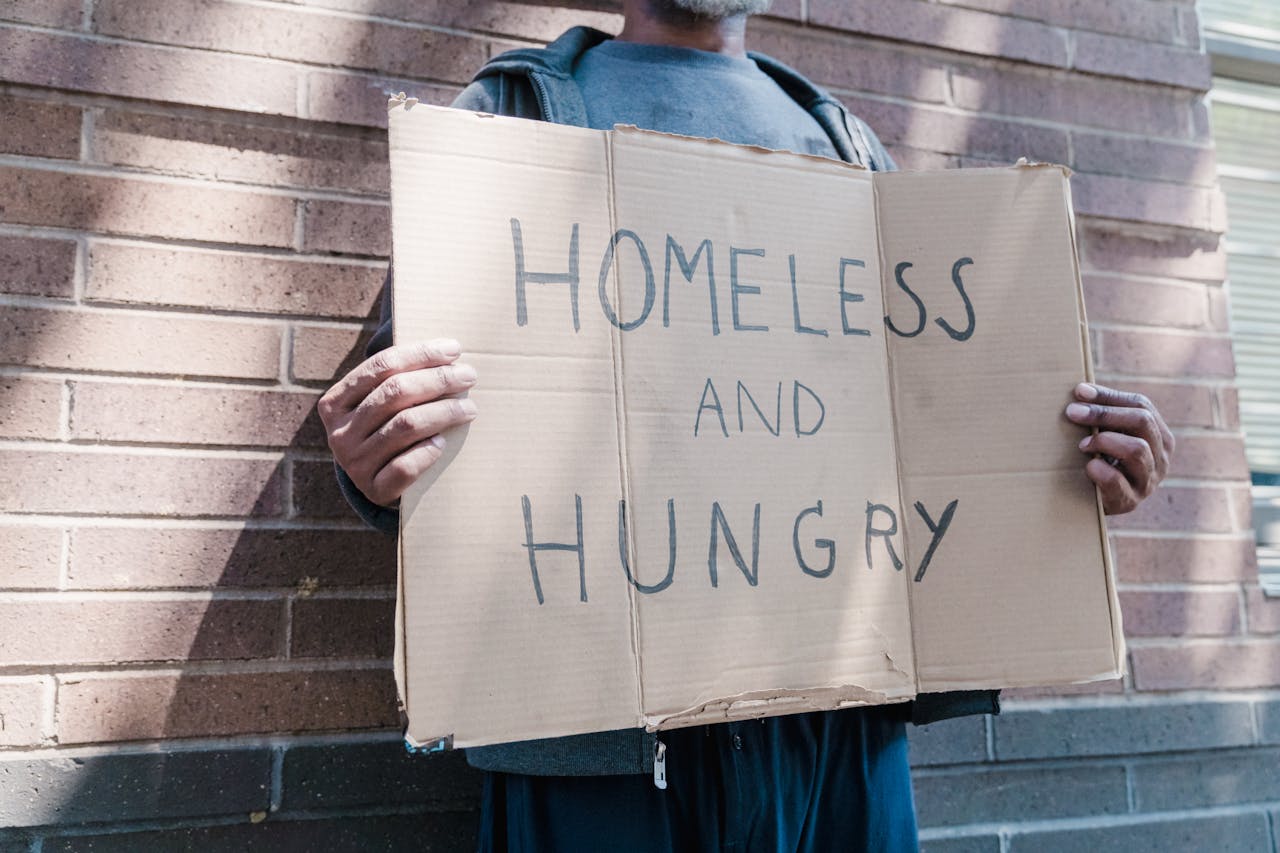
Why Some Experts Believe $140,000 Is the New Poverty Line in America
A number that once would have sounded absurd is now at the center of a heated national conversation. An economist has proposed that the true poverty line in the United States should be $140,000 a year. For many people, that figure feels shocking and even disconnected from reality. For others, however, it feels strangely accurate when they reflect on their own financial pressures.
The idea has ignited debate across media, politics, and everyday households. How could a six figure income possibly represent poverty in a country long associated with economic opportunity? Yet at the same time, millions of Americans earning well into that range report feeling financially strained, unable to save, and constantly budgeting. This contradiction is becoming harder to ignore.
Drawing from reporting by The Washington Post and analysis from the Cato Institute, the discussion goes far beyond a single headline. It taps into deeper anxieties about inflation, rising living costs, and what it actually means to live a stable life in modern America. The figure itself may be controversial, but the emotions behind it are widely shared.
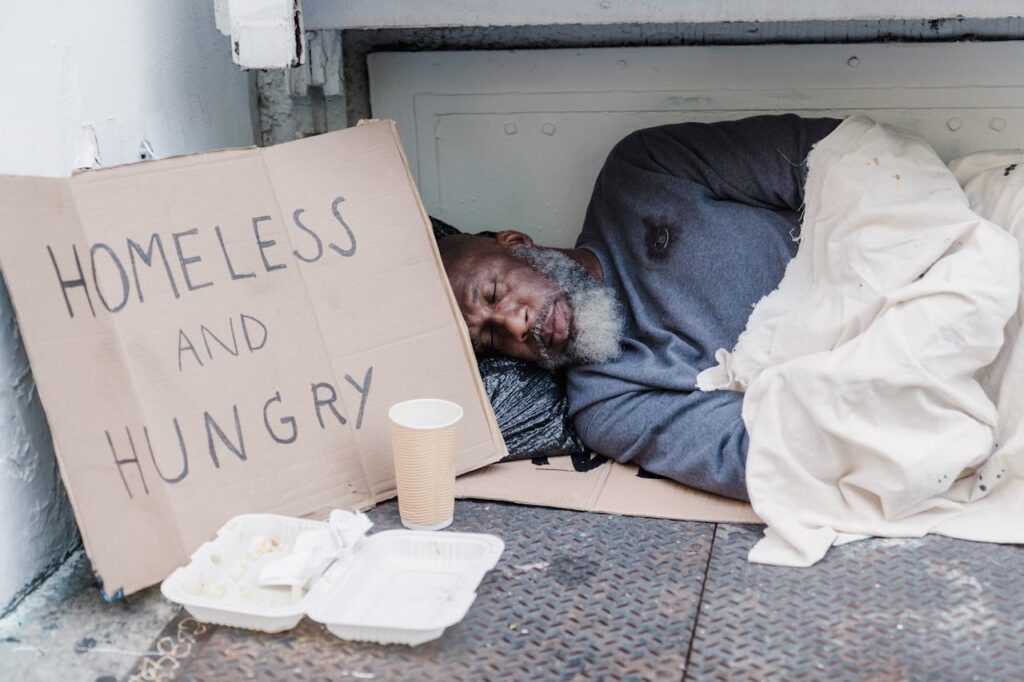
The Economist Behind the $140,000 Claim
The discussion began when economist Matthew Desmond suggested a dramatic rethinking of how poverty is measured in the United States. According to reporting by The Washington Post, Desmond argued that the current federal poverty line is outdated and fails to reflect modern economic realities. His perspective builds on years of research into housing, inequality, and financial instability.
The official poverty threshold in the United States is currently just over $30,000 for a family of four. This figure is based on calculations developed decades ago and originally tied to food costs at a time when groceries made up a much larger portion of household spending. Critics argue that this method no longer captures the complexity of modern expenses such as rent, healthcare, and childcare.
Desmond’s argument centers on relative poverty rather than absolute poverty. Instead of focusing only on survival, he emphasizes the ability to participate meaningfully in society. This includes access to stable housing, reliable transportation, education opportunities, and even the ability to handle unexpected emergencies without falling into crisis.
In that context, $140,000 is not presented as a literal survival threshold, but as a reflection of what it takes to live securely in many parts of the country. The number is intentionally provocative, designed to challenge assumptions and push policymakers and the public to reconsider outdated benchmarks that may no longer reflect reality.
Why the Number Feels Right to Many Americans
Despite criticism, the idea has struck a nerve with a surprising number of people. As Fortune reports, many households earning six figure incomes still struggle with affordability challenges, particularly in major metropolitan areas where costs have surged dramatically over the past decade.
Housing costs are one of the biggest drivers of this feeling. In cities like San Francisco, New York, and Los Angeles, rent or mortgage payments can consume a large share of income. Even individuals earning well above the national median may find themselves allocating half their earnings just to secure a place to live.
Childcare adds another layer of financial pressure. In some regions, the cost of daycare rivals college tuition, forcing families to make difficult decisions about work and income. Combined with healthcare premiums, insurance costs, and student loan repayments, the financial picture becomes far more complicated than a salary figure alone might suggest.
This disconnect between income and lived experience helps explain why the $140,000 figure resonates. It reflects not just financial survival, but financial stability and peace of mind. For many Americans, the issue is not whether they can get by, but whether they can ever feel secure or build a future without constant financial stress.
The Backlash and Criticism
Not everyone agrees with the framing, and the backlash has been significant. Critics, including analysts from the Cato Institute, have described the $140,000 poverty line as misleading and exaggerated, arguing that it risks distorting public understanding of real economic hardship.
From this perspective, redefining poverty at such a high level could minimize the struggles of those living in genuine deprivation. Millions of Americans still face food insecurity, unstable housing, and limited access to healthcare. Critics argue that expanding the definition too far could dilute the urgency of addressing these issues.
There is also concern that inflating the poverty line could complicate policymaking. If a large portion of the population is categorized as poor, it may become more difficult to allocate resources effectively. Governments rely on clear thresholds to determine eligibility for assistance programs, and shifting those thresholds dramatically could create confusion.
Additionally, critics point out that the United States remains one of the wealthiest countries in the world. Even lower income Americans often have access to technology, infrastructure, and services that exceed those available in many other nations. This perspective emphasizes global comparisons rather than internal inequality.
The Broader Affordability Crisis
At the heart of the debate lies a deeper and more widely acknowledged issue. The rising cost of living in the United States has created a sense of financial insecurity that extends far beyond traditional definitions of poverty. It is a problem that affects both lower and middle income households.
Inflation has played a significant role in this shift. Everyday expenses such as groceries, fuel, and utilities have become noticeably more expensive in recent years. While wages have increased in some sectors, they have not always kept pace with these rising costs, leaving many people feeling as though they are falling behind despite earning more.
The concept of the middle class is also evolving. What was once considered a comfortable income may no longer provide the same level of stability or opportunity. Home ownership, once seen as a key milestone, is becoming increasingly difficult to achieve for younger generations.
This broader affordability crisis helps explain why bold or extreme sounding proposals gain traction. They serve as a reflection of widespread frustration and a desire to redefine economic benchmarks in a way that better aligns with lived experiences across the country.
Rethinking What Poverty Means Today
The debate over the $140,000 poverty line ultimately raises important questions about how society defines and measures economic well being. It challenges long standing assumptions and encourages a closer look at whether existing metrics still serve their intended purpose.
Traditional measurements focus on minimum survival, but modern expectations often include a wider range of needs. Access to reliable internet, quality education, and healthcare are increasingly seen as essential components of daily life rather than optional luxuries.
There is also a growing awareness of inequality and its social consequences. Relative poverty measures highlight the gap between income groups and the ways in which that gap can affect opportunity, mobility, and overall quality of life.
Revisiting these definitions does not necessarily mean adopting a $140,000 poverty line outright. However, it does suggest that current benchmarks may need updating to better reflect the realities of a rapidly changing economic landscape.
Rethinking Financial Security in Modern America
The idea that $140,000 could represent poverty is undeniably controversial and challenges deeply held beliefs about income and success. It forces a reconsideration of what financial security actually looks like in today’s world.
While critics argue that the figure is unrealistic, supporters see it as a wake up call that highlights the growing gap between income and affordability. The debate itself reveals a broader sense of unease about economic stability and future prospects.
Ultimately, the conversation is less about a specific number and more about a larger question. What does it truly mean to live well in a modern economy, and how can societies ensure that more people have access to that standard of living?
As the cost of living continues to evolve, these questions are likely to remain at the forefront of public discussion. Whether or not $140,000 becomes a serious benchmark, the conversation it has sparked is already reshaping how people think about money, security, and opportunity.
Featured Image Credit: Photo by Timur Weber | Pexels
References
- US Census Bureau. (2025, August 13). Poverty in the United States: 2024. Census.gov. https://www.census.gov/library/publications/2025/demo/p60-287.html
- Data on poverty in the United States – Center for American Progress. (2025, September 12). Center for American Progress. https://www.americanprogress.org/data-view/poverty-data/
- U.S. Collaborative of Poverty Centers (CPC). (n.d.). INSTITUTE FOR RESEARCH ON POVERTY. https://www.irp.wisc.edu/u-s-collaborative-of-poverty-centers-cpc/