


Why Older Adults Choose To Keep Working Beyond Sixty Five
Retirement has long been sold as the grand finale of working life. It is the moment when the schedule clears, the alarms are silenced and the long awaited freedom finally arrives. For some older adults this version of retirement fits perfectly. Yet for millions of others it simply does not. Across the United States and around the world a growing wave of adults over the age of 65 are choosing to stay in the workforce even when they do not need the paycheck. Their reasons are varied, emotional and deeply personal. The reality of modern aging is shifting and with it the meaning of retirement itself.
This movement is not a fringe trend. Studies consistently show that one in five adults over 65 continues to work, and that percentage is climbing. The reasons behind this choice challenge long held assumptions about growing older. While financial necessity plays a role for some, many older adults are staying employed because work enriches their lives in ways that extend well beyond the bank account.
The following sections explore these motivations through research, personal stories and cultural insights drawn from the provided reference articles. Together they reveal a powerful truth. Work offers far more than wages. It can provide identity, community, routine, vitality and joy. For many adults over 65 these needs are just as important as financial security. Their stories encourage us to rethink retirement, challenge stereotypes about aging and appreciate the value of purpose at every stage of life.
A Sense of Purpose That Does Not Fade
For decades a job can form the backbone of a person’s identity. It shapes daily decisions, responsibilities, interactions and accomplishments. When retirement suddenly removes this structure some older adults feel unmoored. Instead of the peace and freedom they expected, they experience a loss of direction.
According to several of the referenced articles many retirees who opted out of the workforce later returned because the emotional void was simply too large. Work provided a sense of relevance they still needed. People who spent years contributing to a profession or community often struggle when that contribution disappears overnight. Some describe the transition as feeling invisible or unnecessary.
Purpose is a core human need that does not diminish with age. The prospect of living without goals or meaningful tasks can feel unsettling. For many older adults continuing to work fills this gap. It gives them something to look forward to each day and allows them to remain grounded in a life that feels productive. Even part time work offers a stabilizing sense of direction.
Personal stories included in the provided references bring this idea to life. Some older adults say retirement felt like slamming the brakes on who they were. Returning to work helped them feel like themselves again. It is not about climbing ladders or earning accolades. It is about maintaining a sense of contribution that supports emotional wellbeing.
The Social Connection Many Do Not Realize They Will Miss

One of the most unexpected challenges retirees face is loneliness. While working people often underestimate how many small but meaningful interactions occur each day. These include casual hallway conversations, shared jokes with coworkers, short chats with clients or the simple routine of greeting familiar faces.
Research referenced in the articles highlights how easily that social rhythm disappears after retirement. Even individuals with active personal lives may find that their social circle shrinks. Friends move away, colleagues drift apart and schedules no longer overlap. Without deliberate effort days can become isolating.
The University of Michigan National Poll on Healthy Aging has reported that chronic loneliness can influence cognitive function, mood and physical health. Many older adults find that continuing to work offers a built in community that is hard to replicate elsewhere. Workplaces provide ongoing interaction without the need to organize events or make special plans. This ease of connection is a valuable lifeline for many.
For some seniors choosing to work is less about money and more about belonging. It is about staying engaged with others and maintaining relationships that add vibrancy to their days. Whether in a small office, a bustling store or even a remote professional setting, the sense of camaraderie helps protect mental and emotional health.
Routine and Structure That Bring Comfort

After following a consistent schedule for forty or fifty years some people discover that the open ended nature of retirement is not as enjoyable as imagined. While certain individuals are energized by unstructured days, others find them overwhelming or disorienting.
Psychological studies referenced in the provided materials indicate that routine helps reduce stress and supports emotional stability. A predictable rhythm provides comfort, especially for those accustomed to regular tasks and responsibilities. When retirement removes that structure some older adults feel restless or unbalanced.
Working part time or even on a flexible schedule can restore that sense of order. A job provides anchors throughout the week that help older adults stay focused and motivated. These anchors also support a continued sense of momentum. People who thrive on activity do not always want to slow down simply because they have reached a particular age.
Many older adults express that their work schedule helps them maintain mental sharpness. It encourages planning, decision making and time management. Even those who work remotely report that routine helps them start their day with purpose and end it with satisfaction.
Mental and Physical Health Benefits

Several referenced studies highlight how working later in life can support long term health. Older adults often describe feeling more mentally alert and physically capable when they remain professionally active. This is not simply anecdotal. Research shows that ongoing cognitive engagement helps maintain thinking skills and may even reduce the risk of dementia.
In one referenced study involving nearly half a million self employed workers in France researchers found that delaying retirement was associated with lower rates of dementia. The mental stimulation that work provides likely plays a key role. Whether solving problems, collaborating with colleagues or learning new tools, these tasks keep the brain engaged.
Physical benefits also play an important part in why many adults continue working. Even light mobility such as walking around an office or interacting with customers helps maintain strength and coordination. For older adults who do not enjoy structured exercise routines work can naturally integrate movement into their day.
Health professionals note that work functions as a form of preventive care. Instead of relying solely on classes or planned activities older adults who work incorporate physical and mental activity seamlessly into their routines. Many seniors report feeling healthier when they remain engaged through work compared to periods of inactivity.
A Desire to Help Others Using a Lifetime of Experience
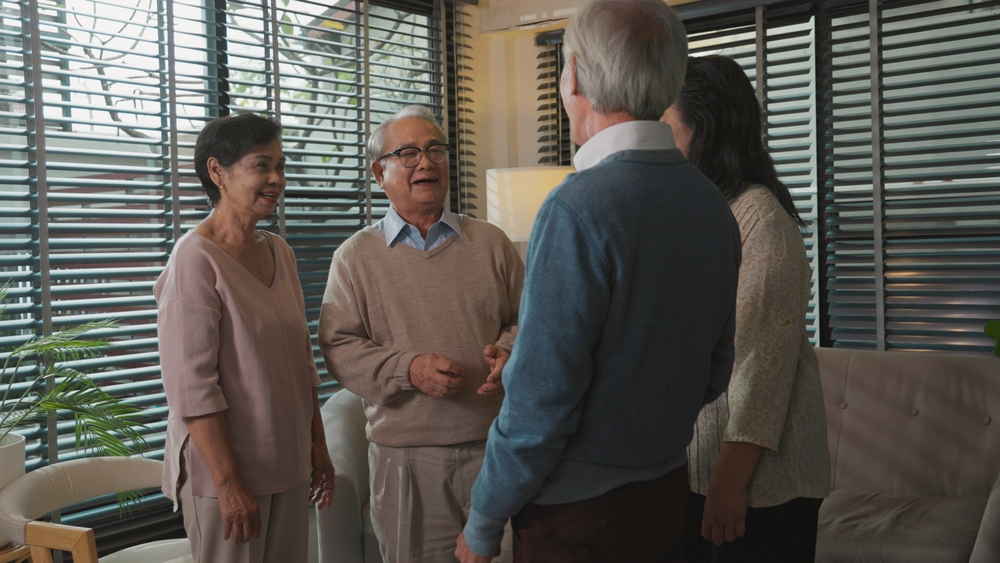
After decades of building skills many older adults do not want their expertise to fade into retirement. Instead they seek roles that allow them to share their knowledge and make a difference. This motivation is especially strong among individuals who spent their careers in service based fields.
Some retired medical professionals return to community clinics. Others mentor young people, support local nonprofits or pursue work in educational programs. These opportunities allow them to channel their experience toward meaningful causes without the pressures that characterized earlier stages of their careers.
Retirees who return to work for these reasons often describe it as deeply fulfilling. They appreciate being able to focus on contribution rather than career advancement. This shift allows them to engage in work that aligns with their values and provides a powerful sense of purpose.
Not all pursue formal employment. Some volunteer regularly or offer consulting services. The key motivation remains the same. They want to continue giving back. For many older adults this chapter becomes one of the most meaningful periods in their lives because they can dedicate their time to helping others.
Personal Growth and the Opportunity for Reinvention

Retirement does not diminish curiosity. In many cases it reignites it. Some older adults reach retirement age with a renewed desire to grow, explore and reinvent themselves. Work can serve as a platform for this growth.
Several referenced articles highlight how older adults often pursue roles that allow them to try something new. They may take up part time positions in fields unrelated to their former careers, enroll in educational programs or start small businesses. Adults between 55 and 64 now make up a quarter of new entrepreneurs according to one reference.
This reinvention often brings excitement and energy. Instead of seeing work as a final obligation many older adults view it as a second chance to express themselves. Whether through creative pursuits, community engagement or entrepreneurship the opportunity to continue learning supports emotional and cognitive wellbeing.
Scientific research supports the value of novelty. Learning new skills helps the brain stay flexible and engaged. This can slow the sense of time passing quickly and contribute to emotional satisfaction.
Enjoyment for Its Own Sake
One of the most straightforward reasons older adults continue working is enjoyment. Many simply love what they do. They appreciate the sense of accomplishment, the camaraderie and the daily engagement. For these individuals retirement does not feel like an escape. It feels like a disruption to something that brings them joy.
Surveys referenced in the materials indicate that nearly a quarter of older workers cite enjoyment as their primary motivation. They feel energized by their work and gain satisfaction from participating in projects or teams. They do not view age as a reason to stop doing what they love.
This perspective challenges traditional ideas about retirement. Instead of seeing work as something to leave behind it becomes something to celebrate. As long as health and circumstances allow many older adults see no reason to stop doing what fulfills them.

The Changing Social Landscape of Aging and Work
The increasing number of adults working past 65 reflects broader cultural shifts. People are living longer and staying healthier. The traditional idea of retirement at a fixed age no longer aligns with the diversity of modern experiences.
Economists note that older adults bring valuable perspectives to the workforce. They carry institutional knowledge and a strong work ethic. Employers who support age diversity benefit from a wider range of skills and experiences.
Flexible work arrangements have also opened new opportunities for older adults. Remote roles consulting positions and project based jobs make it easier to continue working without the physical strain that some traditional roles require. Technology has allowed many seniors to stay engaged professionally from home.
These changes are reshaping expectations about aging. Older adults are demonstrating that meaningful engagement does not end at 65. Instead it evolves.
Rethinking What Retirement Should Mean
The reasons adults over 65 continue working go far beyond money. While financial security remains important many older adults choose to stay professionally engaged because it enhances their quality of life. Work provides purpose, community, stability, health benefits and opportunities for growth that remain valuable well into later life.
Retirement is no longer a one size fits all milestone. It has become a spectrum of choices. The growing movement of older adults in the workforce reflects a desire to stay connected to what makes life meaningful. Their decisions challenge outdated narratives and invite us to see aging through a new lens.
A Changing Landscape for Seniors
The world is witnessing a profound shift in how older adults view the final chapters of their careers. For many, working past 65 is not a necessity but a choice rooted in personal fulfillment. It is about staying connected to others, maintaining health, finding purpose and continuing to grow.
This trend encourages us to move beyond rigid expectations of retirement. Instead we can embrace a more flexible understanding that honors individual needs and values. As life expectancy rises and social norms evolve work can remain a meaningful part of life for those who choose it.
Ultimately the decision to keep working is deeply personal. Whether driven by purpose, joy, health or connection it reflects the enduring human desire to stay engaged with the world. And for many adults over 65 that engagement continues to bring meaning long after traditional retirement age.