


Why South Korea’s Top Universities Are Rejecting Straight A Students With Bullying Records
In South Korea, academic excellence has long been considered one of the most powerful determinants of a student’s future. Admission to elite universities often depends on years of intense preparation, standardized testing, and academic performance. For decades, students who achieved near perfect grades were widely expected to secure spots at the country’s most prestigious institutions. However, a significant shift in university admissions policies is beginning to challenge this tradition.
Recent reports indicate that several of South Korea’s top universities are now rejecting applicants who have documented histories of school bullying. Even students with outstanding academic records are finding their applications denied if their disciplinary records reveal involvement in harassment or violence against classmates. The move reflects growing concern in South Korean society about the long lasting consequences of school bullying and the responsibility institutions hold in addressing it.
According to reporting from Korea JoongAng Daily, dozens of applicants have already been rejected under the new policies. The change marks an important moment in the country’s education system because it signals that character and behavior may now carry significant weight alongside grades and exam scores.

The Growing Concern Over School Bullying in South Korea
School bullying has become a major social issue in South Korea over the past decade. Several high profile cases involving severe harassment, intimidation, and long term psychological trauma have prompted widespread public debate across the country. As awareness has grown, victims and their families have increasingly called for stronger consequences for those responsible. Many advocacy groups argue that past responses were often too lenient and failed to adequately protect students who suffered repeated abuse within school environments.
Researchers and educators have highlighted that bullying can lead to serious mental health challenges that extend well beyond childhood. Victims may experience anxiety, depression, social isolation, and in extreme cases suicidal thoughts. Studies have also shown that the emotional scars from bullying can persist into adulthood, affecting confidence, relationships, and career opportunities. Because South Korea’s education environment is already highly competitive and stressful, bullying can intensify emotional pressures for students who are already struggling to keep up with academic expectations.
Government investigations and academic studies have shown that many incidents of bullying occur within tightly structured school communities where social hierarchies can become rigid. In such environments, students often form strong peer groups, and those who fall outside these social circles may become vulnerable targets. Victims frequently find it difficult to report abuse due to fear of retaliation, embarrassment, or social exclusion from classmates.
Public awareness has grown as media coverage has brought personal stories of victims to national attention. Television reports, investigative journalism, and online discussions have highlighted the long term damage bullying can cause to young people. According to Firstpost, several incidents involving celebrities and public figures who were later accused of past bullying have further intensified discussions about accountability.
Universities Introduce Stricter Admission Policies
In response to growing public concern, universities across South Korea have begun incorporating students’ disciplinary histories into the admissions process. Previously, academic achievement and standardized test results dominated selection criteria, reflecting the country’s intense focus on educational performance. Character evaluations were often secondary considerations, and disciplinary records rarely played a decisive role in determining admission outcomes.
However, the new policies mean that admissions committees may review official school records that document incidents of bullying or other serious misconduct. These records typically include investigations conducted by school administrators as well as disciplinary actions issued to students found responsible for harassment. If an applicant has been formally disciplined, universities may treat the record as a significant factor when deciding whether to grant admission.
Reports from Korea JoongAng Daily indicate that at least forty five applicants were rejected from leading universities because their records included confirmed bullying violations. These students were otherwise academically qualified and in many cases achieved strong exam scores that would traditionally place them among competitive applicants. The rejections therefore represent a major departure from earlier admissions practices where academic results alone could outweigh behavioral concerns.
Education officials argue that the policy reflects an effort to promote healthier campus environments and uphold social responsibility within higher education. Universities increasingly view themselves not only as academic institutions but also as communities where ethical conduct and mutual respect are essential for learning.
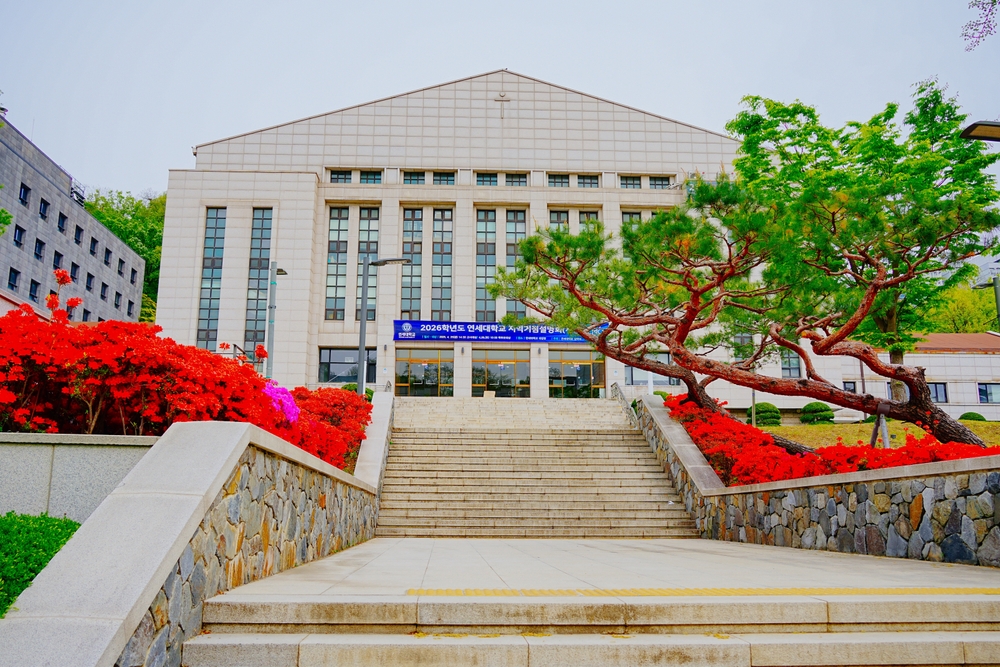
Academic Excellence Versus Character Evaluation
The new admissions standards have sparked debate among educators, parents, and students across South Korea. Some observers question whether disciplinary incidents from adolescence should permanently affect a student’s academic opportunities. They worry that strict policies could close doors for individuals who may have matured and changed since the incident occurred.
Critics argue that teenagers are still developing emotionally and socially. During adolescence, students often make mistakes while learning to navigate peer relationships and social pressures. Some parents and education advocates suggest that a single mistake should not overshadow years of academic effort and dedication. In their view, universities should focus primarily on intellectual potential rather than past behavioral conflicts that occurred during a student’s formative years.
Supporters of the policy present a different perspective. They emphasize that bullying is not a minor mistake but a form of harm that can leave lasting effects on victims. Allowing students with documented bullying histories to enter elite institutions without consequences may signal tolerance for abusive behavior. Advocates argue that accountability is essential if society hopes to reduce bullying and protect vulnerable students.
According to reporting from Southeast Asia news platform Seasia, many universities believe that admissions decisions should reflect both academic achievement and ethical responsibility. The goal is not simply to reward top grades but to cultivate future leaders who demonstrate integrity, empathy, and respect for others. From this perspective, admissions policies are evolving to reflect broader expectations about personal character.
The Role of Education Reform and Policy Change
The shift in admissions criteria is connected to broader reforms within South Korea’s education system. In recent years policymakers have attempted to address not only academic pressure but also the social environment within schools. Education authorities increasingly recognize that academic success should be balanced with efforts to promote student well being and responsible behavior.
One approach has been to strengthen the documentation of disciplinary incidents within school records. Schools are encouraged to investigate bullying complaints more carefully and record outcomes in official student files. These records may include findings from school violence committees, disciplinary actions, and mediation efforts. Such documentation ensures that incidents are formally acknowledged rather than quietly overlooked.
Education experts argue that transparency is essential for accountability. When bullying incidents are documented and communicated to higher institutions, students may be more likely to recognize that harmful actions carry real consequences beyond the classroom. The existence of these records can also encourage schools to take complaints more seriously and respond quickly when problems arise.
At the same time, policymakers emphasize the importance of rehabilitation and education. Many schools have introduced counseling programs, conflict resolution workshops, and character education initiatives designed to help students learn from past mistakes. These programs aim to guide students toward healthier social behaviors while still maintaining consequences for harmful actions.

Potential Impacts on Students and School Culture
The introduction of bullying based admissions screening may significantly influence student behavior across the education system. If students understand that disciplinary records could affect university opportunities, they may become more aware of how their actions impact others. The policy could therefore encourage greater responsibility in everyday interactions among classmates.
Teachers and school administrators also expect the policy to strengthen anti bullying initiatives within schools. Many institutions are already expanding prevention programs that focus on empathy building, peer mediation, and early intervention. Schools may invest additional resources in peer support systems and reporting mechanisms that encourage victims to seek help without fear of retaliation.
However, some experts warn that the policy could produce unintended consequences. For example, families might challenge disciplinary decisions more aggressively if they believe a bullying record could threaten university admission prospects. Disputes over investigations and disciplinary findings may therefore become more common, placing additional pressure on school administrators responsible for handling such cases.
Despite these concerns, many advocates believe the reform sends a powerful message about values in education. Academic success alone is no longer viewed as sufficient if it comes at the expense of compassion, respect, and responsible behavior toward others. By emphasizing both achievement and character, the policy aims to reshape expectations about what it truly means to succeed in education.
How Universities Are Redefining Student Merit
South Korea’s decision to allow universities to reject applicants with documented bullying histories represents a notable shift in the country’s education philosophy. For decades the admissions process focused overwhelmingly on exam scores and academic rankings. Today, a broader understanding of student character is beginning to shape those decisions.
The policy reflects growing recognition that bullying has serious consequences that extend far beyond the schoolyard. Victims often carry emotional scars for years, and society increasingly expects institutions to address the problem with meaningful action.
While debate continues about fairness and second chances, the change signals an evolving definition of merit. Universities are beginning to emphasize not only intelligence and academic discipline but also ethical responsibility and respect for others.
Ultimately, the reform invites a larger conversation about the purpose of education. If universities are responsible for preparing future leaders, then character may be just as important as academic ability in determining who deserves a place in those institutions.
Featured Image Credit: Photo by Daniel Bernard | Unsplash