


For generations, lunchtime in China has followed a familiar rhythm. Hot food, fresh from the stove or the street vendor’s wok, eaten quickly but with intention. Rice or noodles form the base, surrounded by vegetables, meat, sauces, and soup. Even on the busiest workdays, lunch has traditionally been treated as a pause rather than an afterthought.
That expectation made the images spreading across Chinese social media so jarring. Cold sandwiches with a single slice of ham. Raw carrots eaten straight from the bag. Crackers topped with cheese and nothing else. Lettuce layered with meat and mustard on a train seat. No steam, no fragrance, no visible effort.
At first, these images were funny because they felt impossible. Then they became fascinating. Then, slowly, they became relatable.
The internet labeled them “white people food,” a sarcastic shorthand for Western-style meals that appeared bland, minimal, and joyless. Soon after, a more specific phrase emerged, inspired by one quietly viral British man and his daily routine. It was called “dry lunch.”
What began as a joke about foreign eating habits has grown into a nationwide conversation about work, exhaustion, efficiency, and what people eat when they are simply trying to make it through the day.
The Video That Started It All
The dry lunch phenomenon can be traced back to a series of short videos posted on Douyin, the Chinese version of TikTok. The clips feature a middle-aged British man named Keith preparing his lunch in a modest kitchen.
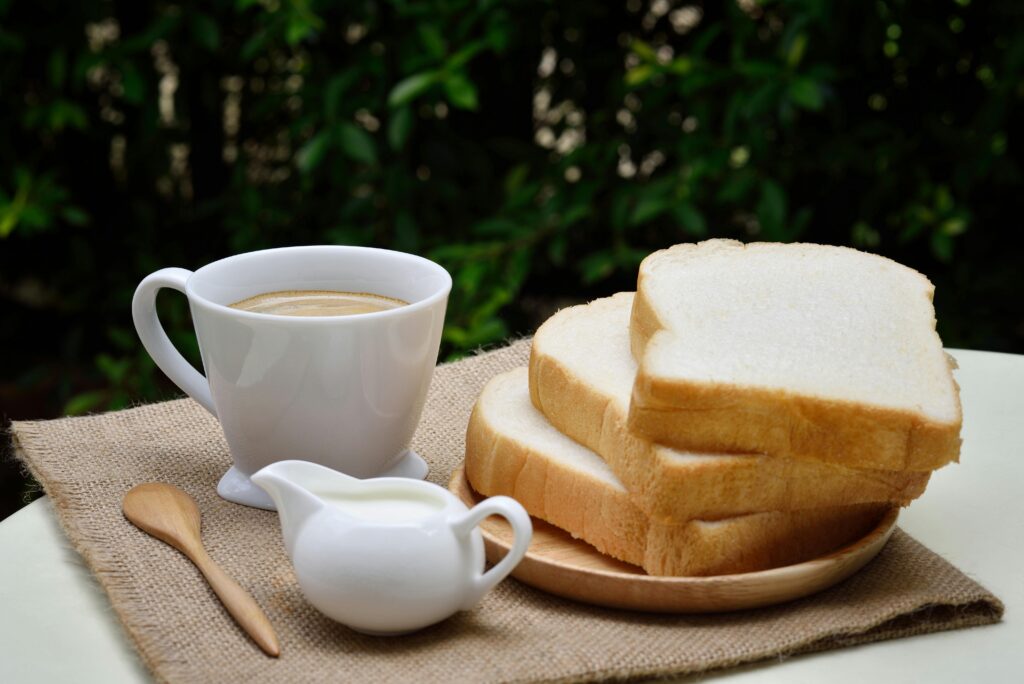
There is no background music, no editing tricks, and no attempt at humor. Keith butters brown bread, places a slice of ham on top, sometimes adds tomato or avocado, folds the sandwich, and eats it cold. On other days, he prepares scrambled eggs on toast or smoked salmon on bread. The actions are slow, deliberate, and entirely ordinary.
To British viewers, the videos barely qualify as content. To Chinese viewers, they were mesmerizing. Millions watched, rewatched, and shared them.
The comments revealed a mix of disbelief and fascination. Some asked if the videos were real. Others joked that watching the sandwich being assembled felt like watching life drain away. Many could not believe that this was how an adult man ate lunch every day.
What made the videos spread so widely was their sincerity. Keith was not performing for the camera. The videos were filmed by his wife, who is from northeastern China, as a casual glimpse into daily life. That authenticity turned a basic sandwich into a cultural event.

What Is a Dry Lunch
As the videos gained popularity, Chinese users began defining what they were seeing. The term “dry lunch” was coined to describe meals like Keith’s, and a loose set of characteristics quickly took shape.
A dry lunch is cold. It almost always includes bread. It requires little to no cooking. The ingredients are simple and often uncooked. The presentation looks healthy on paper but unappealing in reality.
More importantly, a dry lunch feels functional. It is food eaten to sustain the body, not to comfort the mind. It is a meal designed to be finished quickly and forgotten just as fast.
Chinese journalist Yaling Jiang explained that dry lunch is defined less by specific foods than by what it represents. It is the opposite of nourishing, both physically and emotionally. It is not meant to taste good. It is meant to get the job done.
Online, users described dry lunch as food eaten to maintain vital signs. Others called it a lunch of suffering. Many joked that it was something people ate only because they had no other choice.
The Rise of “White People Food”
Dry lunch did not appear out of nowhere. It grew out of an earlier and broader trend known as “white people food,” or báirén fàn.
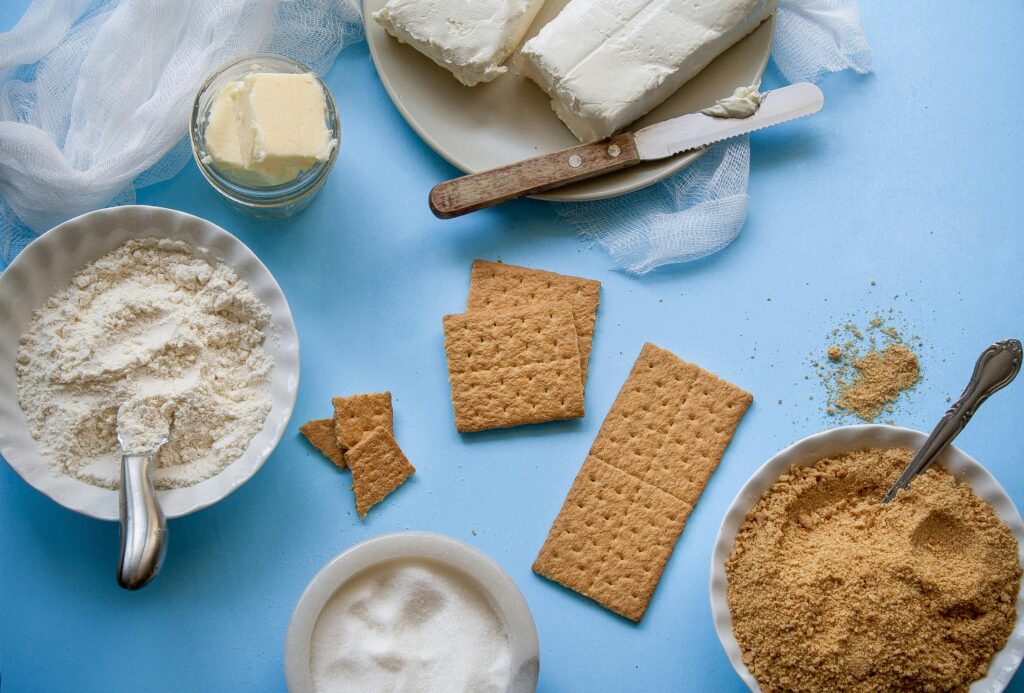
Months before Uncle Keith became famous, Chinese social media users were already sharing images of meals they associated with Western diets. These included raw vegetables, plain chicken breasts, cold cuts, crackers with cheese, and salads with minimal dressing.
The posts were usually sarcastic. People framed these meals as acts of self-inflicted suffering. Captions joked about learning what death feels like or eating only to survive rather than to live.
At the same time, the trend was fueled by real experiences. Chinese students studying abroad and workers living overseas recognized these meals instantly. Many had eaten similar lunches themselves out of necessity.
The meme resonated because it exaggerated something familiar. White people food was funny because it was real.
Why the Food Feels So Shocking
The shock value of white people food comes from how deeply it contrasts with Chinese food culture.
In China, meals are typically hot and freshly prepared. Vegetables are cooked. Meat is seasoned. Even simple dishes involve oil, aromatics, and heat. Eating cold, raw food for lunch feels unfinished and uncomfortable to many people.
Lunch is also social. It is a time to step away from work, even briefly, and reset. The idea of eating silently at a desk with a cold sandwich feels isolating.
Because of this cultural context, white people food does not just look bland. It looks incomplete, even a little tragic.
From Mockery to Curiosity
As the trend evolved, the tone of the conversation began to change. After weeks of jokes and disbelief, people started asking genuine questions.
Why do people in the West eat like this? How do they stay full? Is it healthier? Is it simply more practical?
An article circulating on Chinese platform 36Kr captured this shift perfectly. It described a collective journey from questioning the dry old man, to understanding him, to becoming him.
“The old man is us, and the dry lunch is our dry life,” the article concluded.
In that moment, the sandwich stopped being just a joke. It became a metaphor.
Work Culture and Exhaustion
One of the strongest reasons white people food resonated is the reality of modern work culture in China.
In major cities, many young professionals work under the so-called 996 schedule, from 9 in the morning to 9 at night, six days a week. Lunch breaks are short. Energy is limited. Cooking feels impossible.
Under these conditions, food becomes another task to optimize. Convenience outweighs enjoyment. A sandwich that takes five minutes to assemble starts to feel reasonable.
Many office workers admitted online that they did not like white people food, but they understood it. Some had started eating this way themselves simply because it saved time and mental energy.
When the Joke Becomes Practice
What began as satire slowly turned into imitation.
Users on platforms like Xiaohongshu and Weibo began posting their own versions of dry lunch. Some did it ironically. Others did it sincerely.
Photos showed boxed lunches with cucumber and tomato, boiled eggs, potatoes, bread, and cheese. Captions emphasized how little effort was required. No heating. No cutting. No seasoning.
For many, the appeal was not taste, but relief.
From Screens to Supermarkets
As interest grew, businesses took notice.
In supermarkets like Hema, shoppers began seeing sections dedicated to Western-style packed lunches. Bread, baguettes, sliced meats, cheese, and spreads were grouped together and marketed as convenient meal options.
Cafes and bakeries adopted the phrase “dry lunch” to sell European-style sandwiches. What started as a meme became a marketing strategy.
The trend had crossed from online joke to offline behavior.
Health, Lightness, and Control
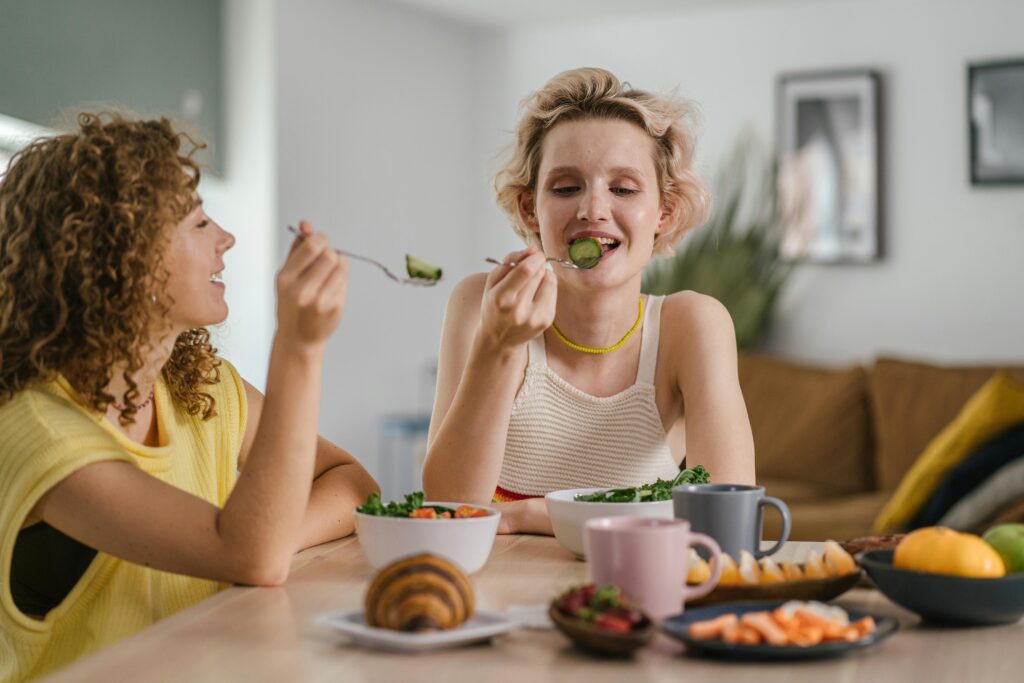
Beyond convenience, some people were drawn to white people food for health reasons.
Young professionals described these meals as lighter and easier to digest. With less oil and fewer spices, they felt less sluggish in the afternoon. Some believed it helped them avoid overeating.
Others framed dry lunch as a form of self-control. Eating bland food was a way to resist indulgence and maintain discipline during the workday.
In this way, white people food aligned with broader wellness trends focused on minimalism and restraint.
The Backlash
Despite its growing popularity, white people food still has many critics.
Some argue that these meals lack proper nutrition when eaten regularly. Others see them as a sad symbol of burnout and overwork.
Students and food lovers mock the portion sizes, claiming they are insufficient for an adult. Many insist that sacrificing taste and warmth is not worth the time saved.
Food, for them, is not optional. It is essential to quality of life.
A Cultural Mirror
Ultimately, the power of the dry lunch trend lies in what it reflects.
The sandwich has become a symbol of efficiency over pleasure. Survival over enjoyment. Time saved at the cost of comfort.
Watching Uncle Keith quietly prepare lunch forces viewers to confront their own routines. Many recognize the same exhaustion in their own lives.
Why the Trend Endures
Social media rewards content that feels unbelievable yet authentic. White people food fits that formula perfectly.
It is visually striking, culturally loaded, and emotionally resonant. It invites laughter, debate, and introspection all at once.
As more people experiment with it themselves, the conversation continues to evolve.
The Quiet Meaning Behind a Dry Lunch
The rise of white people food and dry lunch in China is not really about sandwiches.
It is about how people adapt when time, energy, and joy are in short supply. It is about how cultures observe each other through the smallest daily habits.
For some, a sandwich is a symbol of everything wrong with modern life. For others, it is a practical solution to an impossible schedule.
And for millions watching a British man butter his bread, it is a reminder that even the most ordinary routines can reveal uncomfortable truths about how we live, work, and eat.