

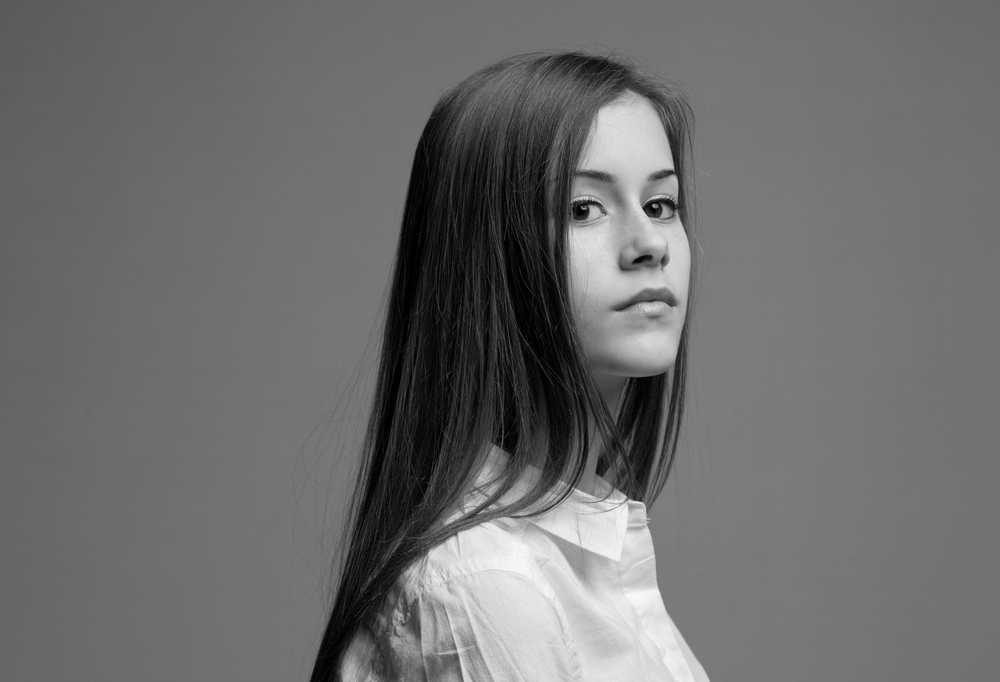
Women Are Having An Emotional Reaction To These Portraits Of Girls Who Weren’t Told To Smile
For many women, some of the earliest memories of having their photo taken come with a familiar instruction. Smile. It might have happened during school picture day, at a family gathering, or while standing awkwardly in front of a photographer trying to capture the perfect shot. The request often seemed harmless, yet it was repeated so often that it became an expectation. Looking happy wasn’t always enough. It needed to be visible. It needed to be performed. Over time, many girls learned that being photographed wasn’t simply about being seen. It was about presenting a version of themselves that made other people comfortable.
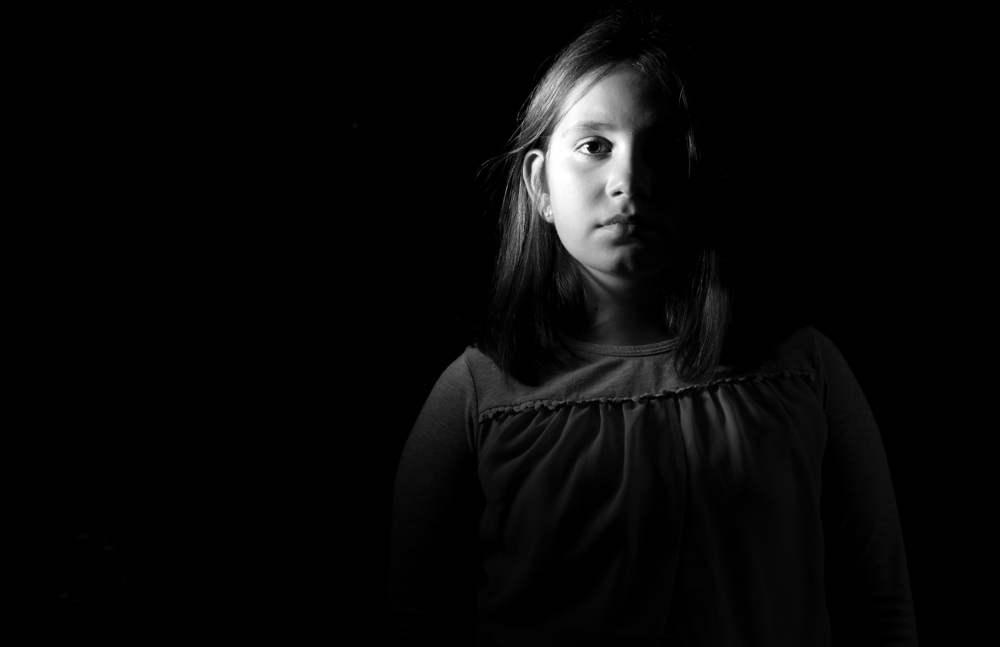
That is why a series of portraits by North Carolina photographer Brooke Light has resonated with so many people. Her photographs feature young girls exactly as they choose to appear. Some look confident. Some look serious. Some appear thoughtful, curious, intense, or quietly self-assured. What connects all of them is the absence of performance. There are no forced grins and no pressure to fit into a single idea of what a girl should look like. The images have sparked an emotional response online, especially among women who instantly recognized something they rarely saw growing up: girls being allowed to simply be themselves.
A Simple Philosophy That Changed Everything
Brooke Light’s approach is remarkably straightforward. When photographing children, she doesn’t insist on smiles. Instead, she gives them room to express themselves naturally and allows their personalities to guide the portrait. The result is a collection of black-and-white photographs that feel strikingly individual.
Each image tells a different story. One girl stares directly into the camera with fierce confidence. Another appears lost in thought. Some radiate quiet strength while others project playful energy without ever needing to force an expression. Rather than creating identical portraits with different faces, Light captures something unique about each child.
The moody lighting and artistic style certainly contribute to the impact of the images, but viewers quickly realized that the photographs were about far more than aesthetics. They were seeing children who appeared comfortable in their own skin, children who weren’t trying to become someone else for the sake of a picture.
The response was immediate. Thousands of people connected with the images, not because they were polished, but because they felt honest.

Women Saw Their Own Childhood Memories In The Photos
Many of the strongest reactions came from women who instantly connected the portraits to their own experiences growing up. Seeing girls photographed without the expectation of smiling brought back memories that had remained surprisingly vivid.
One person wrote, “CHILLS! This healed something in me. Thank you.”
Another commenter shared, “The Sears family photo trauma was REAL”.
Although the comments were brief, they pointed toward a common experience. For many girls, being told to smile wasn’t a one-time request. It became part of a larger message about how they should present themselves to the world. A serious expression was often corrected. Looking annoyed, thoughtful, or distracted could prompt another reminder to smile.
Those expectations can seem small in isolation. Yet when repeated over years, they shape how children understand themselves and how they believe others expect them to behave.
The Power People Felt Was Already There
As praise for the portraits poured in, many viewers focused on the confidence they saw in the girls. The photographs seemed to communicate something deeper than appearance.
One person commented, “I can feel their power through my phone.”
Another wrote, “I love how they are not trying to be anything ‘extra’ just their own raw and savage selves.”
What made Light’s response particularly meaningful was that she directed the attention back toward the children themselves. Rather than taking credit for creating those qualities, she explained that the confidence people were seeing already belonged to the girls.
“They are even more amazing in person! Like that vibe you feel is ALL THEM. I’m just there capturing it.”
That perspective may explain why the portraits feel so different. They are not built around changing a child or encouraging a specific expression. They focus on recognizing what is already present.
What Children Can Teach Us About Authenticity
Children often possess a natural honesty that adults spend years trying to recover. Before social expectations fully take hold, many kids express themselves without constantly monitoring how they are being perceived. They laugh when something is funny. They frown when something bothers them. They become absorbed in curiosity without worrying whether they look photogenic.
As people grow older, that freedom can become harder to maintain. Expectations arrive from many directions. Certain emotions are encouraged while others are discouraged. Some expressions are praised while others are questioned.
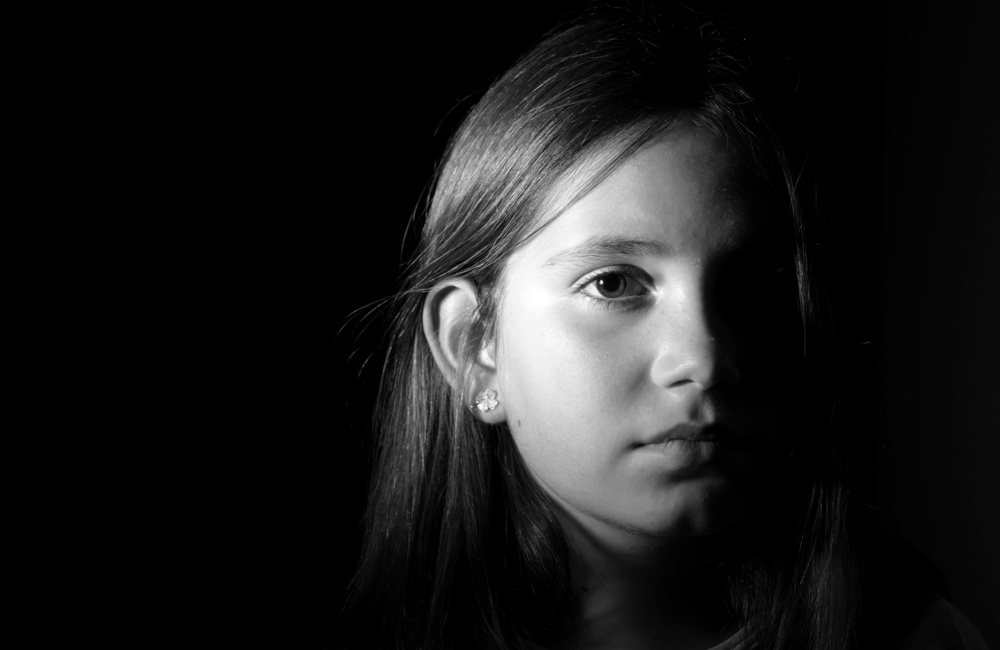
The portraits remind viewers what authenticity can look like before it becomes filtered through years of social conditioning. The girls in the photographs are not trying to project an image. They are simply present.
That authenticity is likely one reason the images continue to resonate. People recognize it immediately because genuine self-expression remains surprisingly rare.
The Same Respect Extends To Boys
After the portraits gained widespread attention, many people wondered whether the same philosophy applied to boys. The answer was yes.
Light later shared that she doesn’t make boys smile either. The goal remains the same regardless of who is standing in front of the camera. Each child deserves the freedom to express themselves naturally rather than being directed toward a predetermined look.
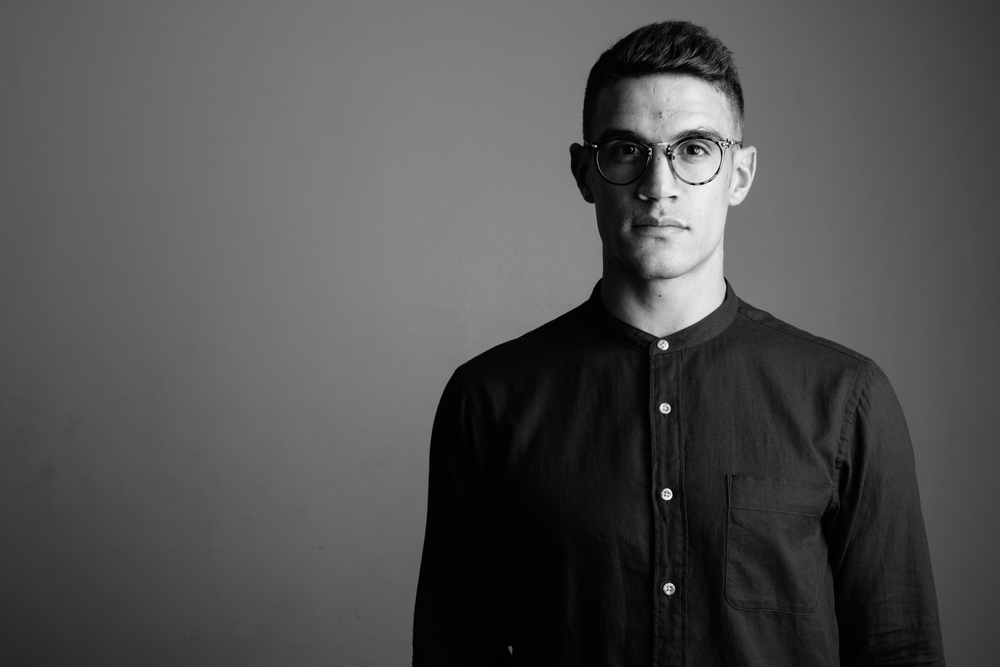
The portraits of boys carried the same sense of individuality that viewers admired in the girls’ photographs. Some looked playful. Others appeared serious or reflective. None seemed pressured to perform a particular version of masculinity.
That consistency revealed something important. The project was never really about smiles. It was about allowing children to occupy space as themselves.
In a culture filled with expectations about how boys and girls should behave, that simple act can feel surprisingly powerful.
When Being Seen Matters More Than Looking Perfect
The overwhelming response to the photographs says something encouraging about what people value. Despite living in a world saturated with carefully curated images, many viewers were drawn to portraits that felt real rather than perfect.
The girls in Brooke Light’s photographs were not asked to become more cheerful, more polished, or more agreeable. They were given the opportunity to show up exactly as they were in that moment. For many viewers, that honesty felt refreshing.
Light later reflected on the response she received, writing, “I’ve never had my creativity or my photography validated so much in my life. Thank you for the outpouring of love on these photos this week. It’s meant more than you can ever know.”
Perhaps the enduring appeal of these portraits comes from a simple truth. People do not always need encouragement to smile. Sometimes they need permission to be seen.