


Psychology Explains Why Some Women Prefer Male Friendships
Friendship is one of the most important emotional structures in human life. It shapes how people experience belonging, trust, and understanding. While many friendships form naturally between people who share similar experiences, others develop across different social perspectives. One example that often sparks curiosity is the woman whose closest friendships are with men.
For some observers, this dynamic raises questions. People sometimes assume it reflects competition, attention seeking, or a rejection of female friendships. In reality, the explanation is usually much simpler and far more human. Many women who gravitate toward male friendships are simply responding to communication styles, emotional rhythms, and social environments that feel comfortable to them.
These women often share certain personality traits and values that shape the way they connect with others. Their friendships are typically grounded in humor, honesty, loyalty, and emotional clarity. Rather than being about gender preference, these relationships often reflect deeper compatibility in communication and expectations.
Understanding these dynamics offers insight into how different types of friendships function and why they can be deeply meaningful. Looking closely at the qualities these women tend to share reveals that their friendships are not unusual at all. They simply highlight the many ways humans build connection.
A Preference For Direct Communication
One of the most common traits among women who prefer male friendships is a strong appreciation for clear and direct communication. These women often find comfort in conversations where words mean exactly what they sound like. There is little need to interpret hidden signals, emotional subtext, or unspoken expectations.
Many male friendships tend to operate through straightforward dialogue. A problem is stated clearly, a solution is discussed, and the conversation moves forward. For women who value clarity, this communication style can feel refreshing. It removes the emotional guesswork that sometimes appears in more layered social dynamics.
This preference usually extends beyond friendships. Women who gravitate toward clear communication often bring the same mindset into their work, family relationships, and decision making. They prefer transparency because it reduces confusion and creates a sense of stability in relationships.
Research into interpersonal communication supports this tendency. Studies in social psychology have shown that people who favor direct communication styles experience fewer misunderstandings in long term relationships. When expectations are openly stated, trust grows more naturally.
For these women, friendship thrives when conversations feel honest and uncomplicated. They are comfortable expressing what they think and appreciate when others do the same. That shared clarity becomes the foundation for long lasting bonds.
Low Maintenance Connections And Emotional Independence

Another quality that frequently appears among women with many male friends is a preference for low maintenance friendships. These women do not usually measure the strength of a relationship by how often people talk or meet.
In many male friendships, long periods of silence are not interpreted as emotional distance. Friends may go weeks or even months without speaking and then reconnect easily as if no time has passed. For women who value emotional independence, this dynamic can feel freeing.
Rather than requiring constant reassurance, these friendships rely on trust. Each person understands that the bond remains strong even when life becomes busy. Careers, family responsibilities, and personal projects can take priority without threatening the relationship.
This approach reflects a deeper psychological trait. Women who prefer this style of friendship often possess a strong sense of self. They feel secure in their relationships and do not require constant validation to feel valued.
Sociological studies have shown that low pressure friendships often experience greater longevity. When people allow each other space, relationships adapt more easily to life changes. For these women, the ability to reconnect effortlessly is a sign of true friendship rather than distance.
Humor As A Shared Language
Laughter plays an important role in many friendships, but for women who prefer male friends it often becomes the emotional glue that holds relationships together.
Humor creates a space where people can connect without heavy expectations. A shared joke, a sarcastic comment, or a ridiculous meme can break tension and strengthen trust. These women often appreciate the playful banter that characterizes many male friendships.
This type of humor is rarely meant to diminish anyone. Instead it becomes a way of expressing comfort. When people tease each other lightly, it often signals that the relationship is strong enough to handle honesty and vulnerability.
Psychologists frequently point out that humor is closely tied to emotional resilience. Being able to laugh during stressful moments helps individuals regulate emotions and maintain perspective. Women who gravitate toward humor driven friendships often experience relationships that feel lighter and more relaxed.
Rather than replacing serious conversations, humor complements them. These women can still discuss important issues when needed, but they also recognize that joy and laughter are powerful forms of emotional support.
A Strong Desire To Avoid Social Drama
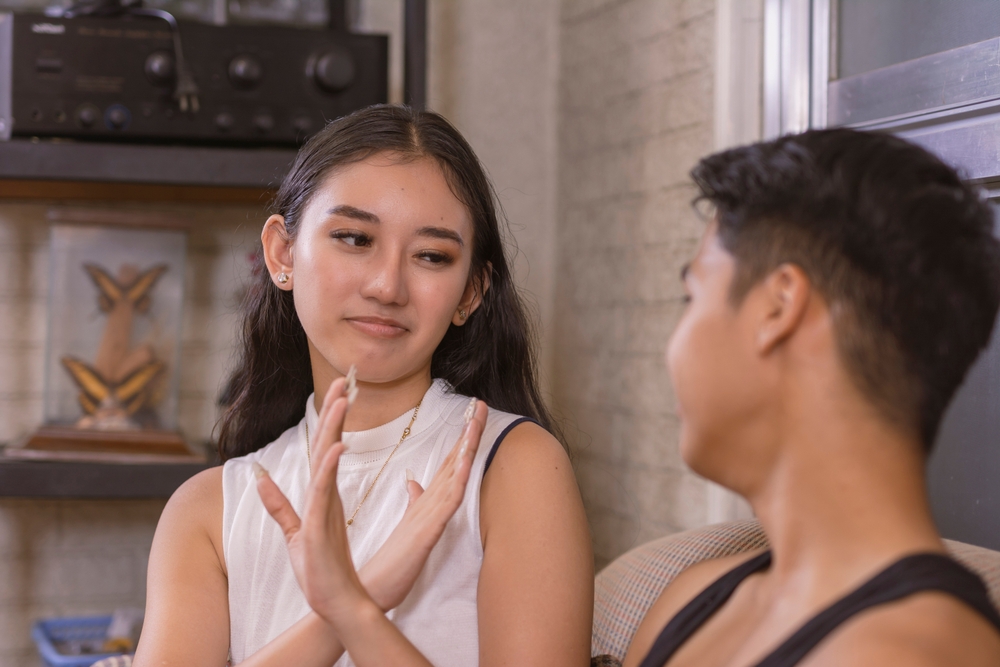
Many women who prefer male friendships describe themselves as people who value calm and stability. They often step away from environments where gossip, rivalry, or ongoing conflict dominate social interactions.
This does not mean they lack empathy or emotional depth. Instead it reflects a conscious effort to protect their mental energy. Life already contains enough challenges without adding unnecessary tension to friendships.
Male friendships often emphasize shared activities and practical interaction rather than prolonged emotional analysis. For women who prefer a peaceful social environment, this structure can feel refreshing.
When disagreements occur, these women usually prefer addressing them quickly and moving forward. They see little value in revisiting the same conflict repeatedly. Their goal is resolution rather than escalation.
This approach aligns with research on conflict management in friendships. Studies suggest that individuals who prioritize solution focused communication experience less relational stress. By keeping interactions straightforward, these women create friendships that remain stable over time.
Comfort With Activity Based Bonding

Another notable trait among women who gravitate toward male friendships is their comfort with activity based bonding. Instead of relying solely on conversation, these women enjoy building connection through shared experiences.
Activities such as gaming, hiking, sports, road trips, or creative projects create opportunities for natural conversation. When people focus on a task together, communication flows more easily and feels less forced.
Psychologists often distinguish between two general styles of bonding. One involves face to face emotional discussion, while the other involves side by side activity. Neither approach is better than the other, but individuals often prefer one style more strongly.
Women who enjoy activity centered bonding often feel energized by environments where conversation emerges naturally from shared experiences. Fixing a problem together, exploring a new place, or working toward a common goal can strengthen relationships without requiring constant emotional discussion.
These experiences also build trust in practical ways. When friends support each other during challenges or celebrate achievements together, the friendship deepens through action rather than words alone.
Authenticity And Comfort With Being Themselves
Many women report that one reason they feel comfortable in male friendships is the freedom to be fully themselves. They do not feel pressure to present a carefully polished version of their personality.
Authenticity becomes easier when people feel accepted without judgment. In these friendships, quirks, unusual interests, or unconventional opinions are often welcomed rather than scrutinized.
This openness encourages emotional safety. When individuals know they can express themselves honestly, they relax and become more present in the relationship. That authenticity strengthens the connection over time.
Social researchers frequently note that genuine self expression plays a major role in friendship satisfaction. When people feel they must constantly perform or maintain a certain image, relationships can become exhausting. Removing that pressure allows friendships to develop naturally.
For women who prefer male friends, authenticity often becomes the core of the relationship. They value environments where humor, honesty, and individuality coexist without expectations of perfection.
Clear Boundaries And Mutual Respect

Despite common stereotypes, friendships between men and women can exist comfortably within clear and respectful boundaries. Women who maintain many male friendships are often skilled at communicating those boundaries early.
They understand the importance of clarity regarding intentions, emotional expectations, and personal space. When both individuals respect those limits, the friendship can grow without confusion.
Healthy boundaries also promote trust. Each person understands the nature of the relationship and feels secure within it. This transparency prevents misunderstandings that might otherwise create tension.
These women tend to view boundaries as a sign of maturity rather than distance. Setting clear expectations allows both friends to interact openly and confidently.
Research into cross gender friendships supports this idea. Studies published in the Journal of Social and Personal Relationships indicate that friendships built on clear communication and mutual respect often demonstrate high satisfaction regardless of gender differences.
Appreciation For Honest Feedback

Honesty is another characteristic frequently seen in women who prefer male friendships. They tend to value feedback that is straightforward, even when it is not always flattering.
Rather than seeking constant reassurance, they appreciate friends who tell the truth. Whether the topic involves career decisions, personal challenges, or everyday situations, candid advice helps them grow.
Many male friendships operate on this principle of constructive honesty. A friend might offer direct feedback without elaborate emotional cushioning. For women who share this communication style, that approach feels practical and supportive.
Psychologists sometimes refer to this balance as constructive candor. It involves delivering honest opinions while maintaining respect for the other person. Relationships that include this level of openness often develop deeper trust.
These women usually return that honesty as well. They offer thoughtful feedback to their friends, knowing that sincerity strengthens rather than weakens the relationship.
Adaptability And Comfort With Spontaneity
Flexibility is another trait that often appears among women who feel at ease in male friendships. They are typically comfortable with changes in plans, unexpected invitations, or spontaneous adventures.
This adaptability creates an atmosphere of ease within their social circles. Instead of becoming stressed by shifting schedules, they approach situations with curiosity and openness.
Spontaneity often plays a role in male friendship culture. A casual invitation to grab food late at night or a sudden decision to go on a road trip can become memorable shared experiences.
Women who enjoy this style of interaction tend to thrive in environments where structure exists but does not dominate every interaction. They see flexibility as an opportunity for connection rather than disruption.
This mindset also reflects emotional resilience. Being able to adapt to changing circumstances helps friendships remain enjoyable rather than stressful.

Loyalty As The Core Of Friendship
Among all the qualities associated with women who prefer male friendships, loyalty stands out as one of the most consistent. These women often take friendship seriously and invest deeply in the relationships they build.
Loyalty for them is not about public displays or constant declarations. Instead it appears through steady actions. They show up when a friend needs help, offer support during difficult moments, and remain dependable through changing circumstances.
This quiet reliability forms the backbone of many long lasting friendships. Rather than relying on dramatic gestures, the relationship grows through small acts of consistency over time.
Friends who experience this type of loyalty often describe it as deeply reassuring. Knowing that someone will be present when it matters most creates a powerful sense of trust.
These women usually expect the same commitment in return. Mutual loyalty strengthens the bond and ensures that the friendship remains balanced and respectful.
Understanding The Bigger Picture Of Friendship

While these qualities appear frequently among women who prefer male friendships, it is important to remember that friendship patterns vary widely among individuals. Human relationships are shaped by personality, upbringing, life experiences, and personal values.
Some women grow up surrounded by male siblings or male dominated environments such as sports teams or technical fields. Others simply discover that certain communication styles resonate more strongly with their personality.
At the same time, many of these women maintain meaningful friendships with other women as well. Preferring male friends does not mean rejecting female companionship. It simply reflects where certain dynamics feel most natural.
Social science research continues to emphasize that successful friendships rely less on gender and more on psychological compatibility. Shared values, mutual respect, and emotional honesty consistently emerge as the most important ingredients in lasting relationships.
When people find others who match their communication style and emotional expectations, strong friendships develop regardless of gender.
The Bigger Picture Of Friendship
Women who prefer male friends often share a set of qualities that shape the way they experience connection. They tend to value direct communication, emotional independence, humor, authenticity, and loyalty. Their friendships frequently grow through shared experiences, honest conversations, and mutual respect.
These traits do not define a single type of person. Instead they represent a communication style and social preference that resonates with certain individuals. The friendships that emerge from these qualities often feel simple, stable, and genuine.
In many ways, these relationships highlight an important truth about human connection. Meaningful friendships rarely depend on labels or expectations. They grow from trust, honesty, and the freedom to be oneself.
Whether friendships form between men and women or among people of the same gender, the principles that sustain them remain the same. Clarity, kindness, loyalty, and shared understanding are what allow friendships to endure.
Ultimately, the story of women who prefer male friends is not really about gender at all. It is about the universal search for relationships that feel authentic, supportive, and real.