

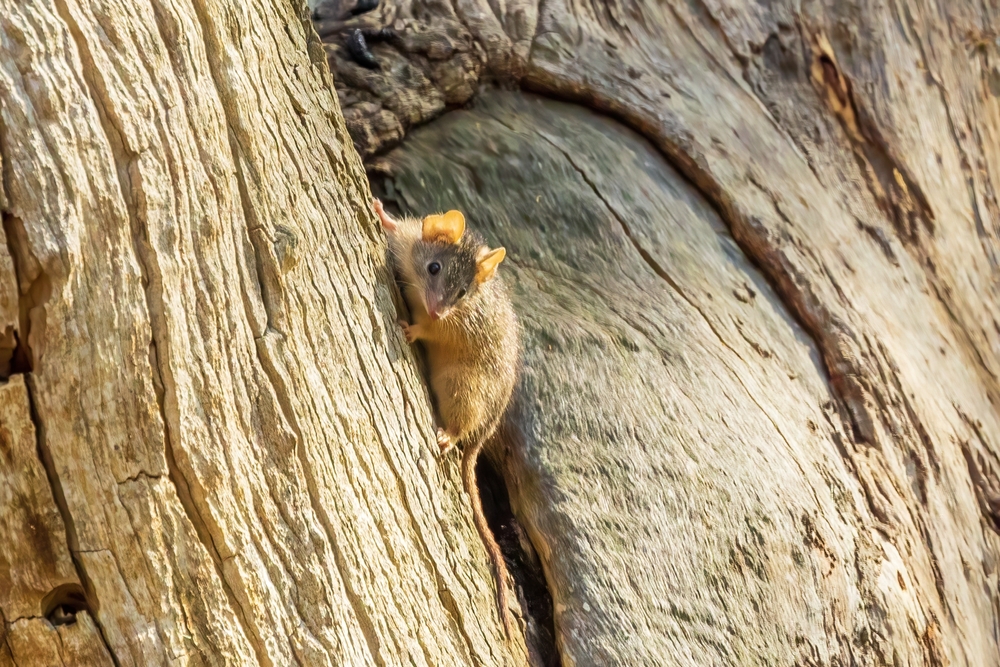
It Vanished Quietly for 40 Years. Now Australia’s Only Shrew Has Been Declared Extinct
For more than four decades, the Christmas Island shrew occupied an uneasy space between memory and possibility. It was not seen, but it was not officially gone. It lingered in old field notes, museum records, and the cautious language of conservation reports, where extinction is never declared lightly. Small mammals have a way of vanishing quietly, especially on remote islands where dense forests, rugged terrain, and limited survey resources can conceal survival longer than anyone expects. That uncertainty allowed hope to persist, even as each passing year made the silence harder to ignore. The shrew did not disappear with a dramatic final sighting or a widely reported population crash. Instead, it faded slowly, its absence stretching across generations until the idea of its existence became abstract rather than lived.
That uncertainty has now ended. The International Union for the Conservation of Nature has officially moved the Christmas Island shrew into the Extinct category, marking the first time Australia has formally lost its only native shrew species. The decision, finalized as part of an October 2025 update, reflects more than the passage of time. It acknowledges decades of unsuccessful surveys, mounting ecological evidence, and a broader understanding of how invasive species reshaped Christmas Island’s fragile ecosystems. While the shrew was small and largely unknown outside scientific circles, its loss carries weight far beyond its size. It represents another quiet disappearance in a country already grappling with one of the highest mammal extinction rates in the world.
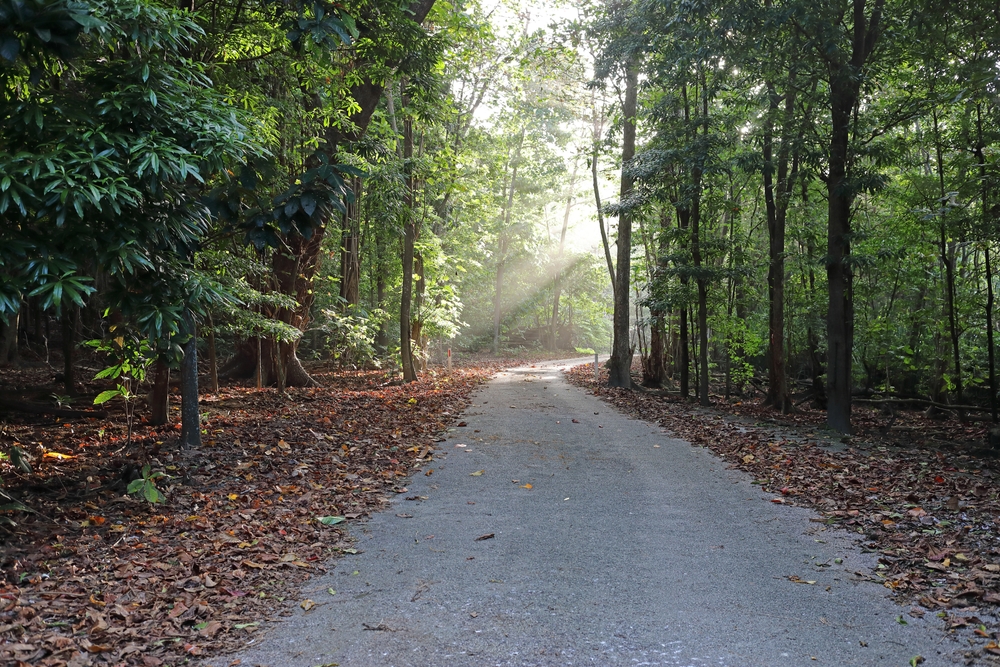
Image Credit: Shutterstock
A Creature That Once Filled the Island With Sound
When European naturalists arrived on Christmas Island in the late 19th century, they encountered a shrew that seemed anything but vulnerable. Accounts from the 1890s describe an animal that was widespread, abundant, and unmistakably present after dark. One observation recorded that “this little animal is extremely common all over the island, and at night its shrill squeak, like the cry of a bat, can be heard on all sides.” These descriptions paint a picture of an ecosystem alive with sound, where the shrew’s nightly calls formed part of the island’s natural rhythm rather than a rare occurrence.
That auditory presence mattered because sound is one of the clearest signs of ecological health. The Christmas Island shrew was an insect-eating mammal, likely playing a key role in controlling insect populations and maintaining balance within the forest floor ecosystem. It lived close to the soil, among leaf litter and undergrowth, occupying a niche that connected invertebrates to higher levels of the food web. Like many small mammals, it was easy to overlook precisely because it was so common. There were no early warning signs, no sense that something so widespread could be at risk within a single human lifetime.
What makes its disappearance especially striking is how quickly abundance gave way to absence. Species that exist everywhere tend to feel permanent, as if they are part of the landscape itself rather than individual lives that can be erased. The Christmas Island shrew challenges that assumption, showing how rapidly even a dominant presence can unravel once conditions shift in ways it is not equipped to survive.
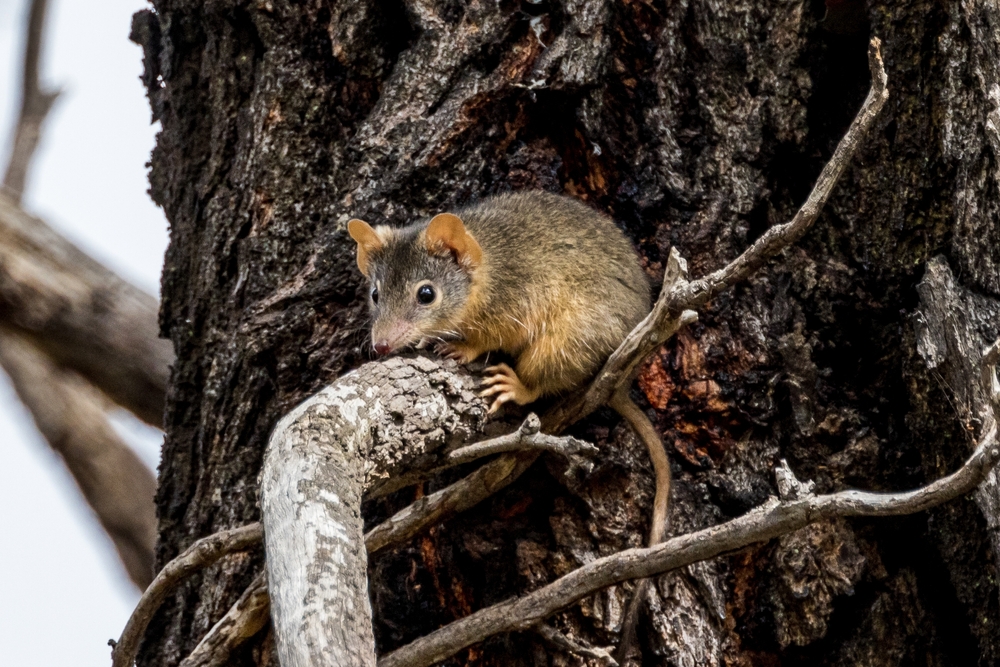
Image Credit: Shutterstock
An Island of Unique and Vulnerable Life
Christmas Island is home to some of Australia’s most distinctive wildlife, shaped by millions of years of isolation in the Indian Ocean. Its ecosystems evolved without many of the predators, diseases, and competitors found on continental landmasses. This isolation allowed species to specialize, filling ecological roles with remarkable efficiency while losing traits that were no longer necessary for survival. Over time, that specialization produced animals found nowhere else on Earth.
The island is perhaps best known for its red crabs, whose annual migration sees millions of individuals move from forest to sea in a phenomenon that has become globally iconic. It is also home to unusual seabirds such as Abbott’s booby, alongside reptiles and mammals that evolved in relative safety. These species thrived because the island remained ecologically closed, protected from outside pressures that might add sudden competition or introduce unfamiliar threats.
That same isolation, however, made Christmas Island’s wildlife exceptionally fragile. When invasive species arrived, native animals had no evolutionary experience to draw upon. Defenses that might have existed elsewhere were absent here. The Christmas Island shrew was a product of this environment, well adapted to its niche but poorly equipped to survive rapid ecological disruption.
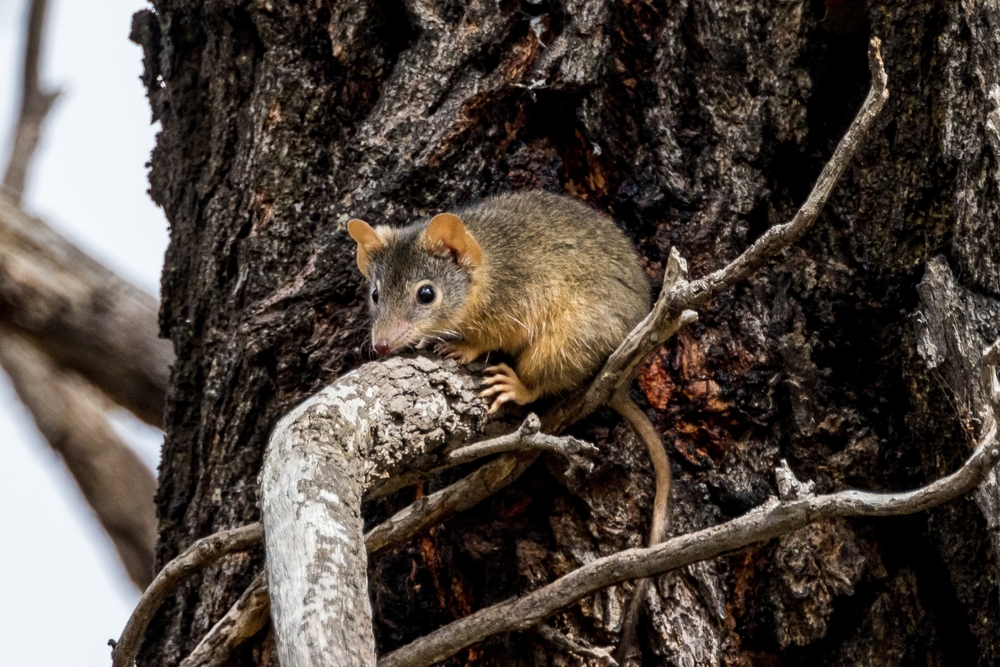
Image Credit: Shutterstock
When Invasive Species Rewrote the Ecosystem
The turning point for many of Christmas Island’s native mammals came with the arrival of black rats, introduced by humans around 100 years ago. These rats likely arrived aboard ships, unnoticed and unchecked, carrying with them more than just competition for food and shelter. They also brought parasites, including trypanosomes, which native species had never encountered.
The impact was devastating. Two endemic rat species, the bulldog rat and Maclear’s rat, disappeared rapidly after the introduction of black rats. Scientists believe these extinctions were driven largely by disease rather than direct predation. The Christmas Island shrew is now thought to be at least the third mammal species to go extinct on the island as a direct result of the introduction of invasive black rats by humans around 100 years ago.
Disease-driven extinctions are particularly insidious because they often leave little visible evidence until populations collapse. Animals can appear healthy one year and vanish the next, leaving conservationists scrambling to understand what happened. By the time patterns emerge, there is often no viable population left to save. For the Christmas Island shrew, this slow and invisible decline likely unfolded over decades, hidden beneath the forest floor.
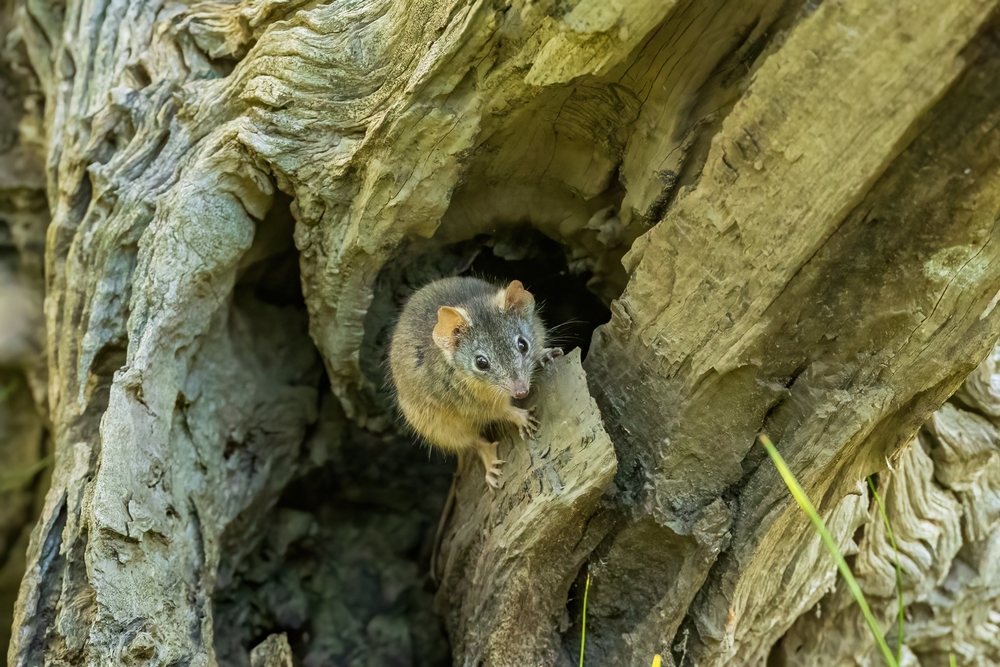
Image Credit: Shutterstock
Additional Pressure From New Predators
As if disease alone were not enough, Christmas Island faced another wave of ecological disruption in the 1980s with the introduction of the Asian wolf snake. This predator further altered the island’s already stressed food web, adding pressure to species that had survived earlier invasions but were living on increasingly narrow margins.
While the Christmas Island shrew’s decline is believed to have begun earlier, the presence of a new predator may have hastened its final disappearance. The Asian wolf snake is also thought to be responsible for the loss of the Christmas Island pipistrelle and several native reptiles, illustrating how multiple stressors can overlap and compound over time.
Extinction rarely occurs because of a single cause. More often, it is the result of stacked pressures that erode resilience bit by bit. Disease weakens populations. Predators reduce numbers further. Habitat limitations and isolation prevent recovery. Eventually, survival becomes statistically impossible, even if no single moment marks the end.
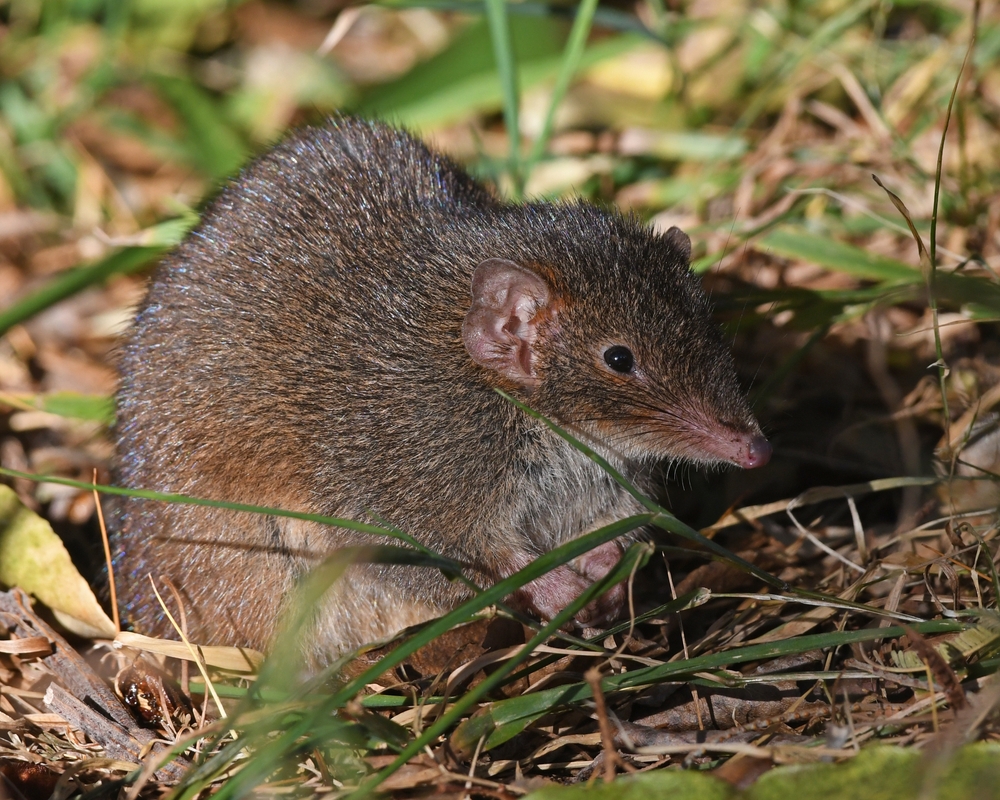
Image Credit: Shutterstock
Four Decades Without a Sighting
The last confirmed sighting of the Christmas Island shrew occurred more than 40 years ago. Since then, repeated surveys have failed to produce conclusive evidence that it still exists. Because small mammals are elusive and difficult to detect, conservationists have historically been cautious about declaring extinction too quickly, especially in environments where detection is challenging.
As the reference notes, “It’s hard to know when a species is truly lost, especially when dealing with small, elusive creatures.” This uncertainty has fueled hope for decades, supported by rare but real cases of species reappearing after long absences. Yet hope alone cannot outweigh evidence indefinitely.
As of October 2025, the IUCN concluded that the absence of sightings, combined with known ecological pressures, justified moving the species into the Extinct category. The decision does not erase uncertainty entirely, but it acknowledges that waiting longer risks obscuring the lessons this loss can teach.
Image Credit: Shutterstock
Australia’s Growing Extinction Record
The loss of the Christmas Island shrew adds to a deeply troubling national pattern. Australia has lost 39 species since 1788, representing around 10 percent of all its land mammal species. This places the country among the global leaders in mammal extinction, a distinction rooted in invasive species, habitat destruction, climate pressures, and the vulnerability of isolated ecosystems.
Small mammals have been hit particularly hard. Their declines often occur out of sight and without public attention, making intervention difficult until populations are already beyond recovery. Each extinction reduces ecological resilience and increases the likelihood that others will follow the same path.
What makes these losses especially painful is that many are preventable. The mechanisms are well understood. The challenge lies in acting early enough and with sufficient political and financial commitment to make a difference.
Why Declaring Extinction Matters
Formally declaring a species extinct is not an act of surrender. It is an act of recognition. It ensures that a species does not quietly disappear from records without acknowledgment, and it forces a clear-eyed examination of what went wrong.
Professor of Conservation Biology at Charles Darwin University John Woinarski has written, “The shrew’s loss is a reminder of the enormity of the challenge of preventing further extinctions, of the diverse ways these losses can happen, of the need to seize opportunities to protect rare species, and of the importance of a national and political commitment to prevent extinction.”
Such declarations sharpen focus. They transform absence into accountability and memory into warning.
The Hope That Refuses to Fully Die
Despite the official classification, a small measure of hope remains. History contains rare but powerful examples of species believed extinct later being rediscovered. Because of this, some scientists are reluctant to abandon hope entirely.
Woinarski himself has expressed that quiet optimism, writing, “I hope the Christmas Island shrew is not extinct; after all it has defied previous calls of its demise. Perhaps somewhere, a small furtive family of shrews are hanging on, elusive survivors, secure in the knowledge of their own existence and waiting to prove the pessimists wrong.”
Whether that hope will ever be realized is unknown. What is certain is that hope alone cannot replace action.
What This Silence Leaves Behind
The disappearance of the Christmas Island shrew is not just the loss of a species. It is the loss of sound, of ecological function, and of a reminder that extinction does not always arrive loudly. Sometimes it arrives gradually, unnoticed until it is complete.
Its story underscores a simple truth. Preventing extinction is always easier than reversing it. Once a species is gone, all that remains are records, regrets, and lessons learned too late.
As Australia and the world continue to confront accelerating biodiversity loss, the Christmas Island shrew leaves behind a question that grows harder to ignore. How many more quiet disappearances will it take before action becomes unavoidable?
Featured Image Credit: Shutterstock