

Rare Footage of an Amazonian Tribe Sparked Wild Theories, But the Real Story Is About Perception and Risk
For decades, the outside world’s understanding of uncontacted tribes in the Amazon has been shaped by distance, blur, and imagination. Photographs were usually taken from helicopters or extreme ranges, producing grainy images that showed little more than moving figures surrounded by dense rainforest. These limitations were not accidental or technological failures, but deliberate safeguards designed to protect communities whose survival depends on isolation. Without immunity to common illnesses, even brief exposure to outsiders could prove fatal. As a result, uncontacted tribes have often existed in public consciousness as abstract symbols rather than living, breathing communities making daily decisions in a rapidly shrinking world.
That long standing perception was shaken when newly released footage of the Mashco Piro people began circulating online in January. The video, far clearer than anything previously shared, showed individuals emerging from the forest with visible expressions, body language, and personal items that viewers could finally make out in detail. Almost immediately, the footage sparked intense reactions. Some saw it as a powerful reminder that uncontacted tribes are not relics of the past, but present day societies navigating constant threats. Others focused on individual details, dissecting frames and drawing conclusions that quickly spiraled into speculation, skepticism, and viral debate.
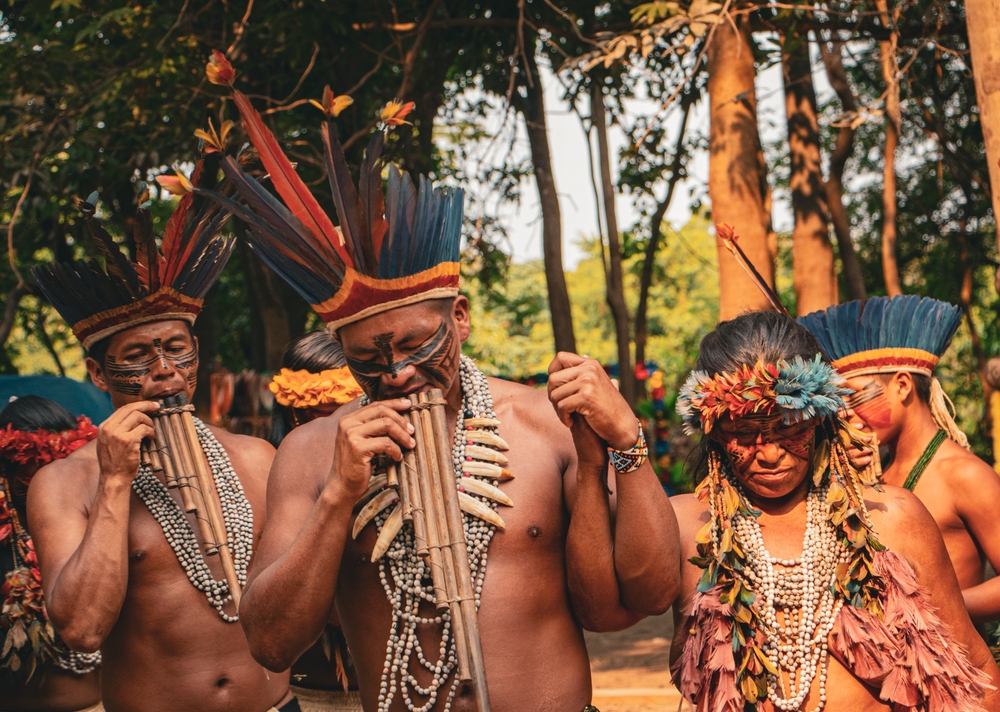
A rare glimpse into one of the world’s most isolated communities
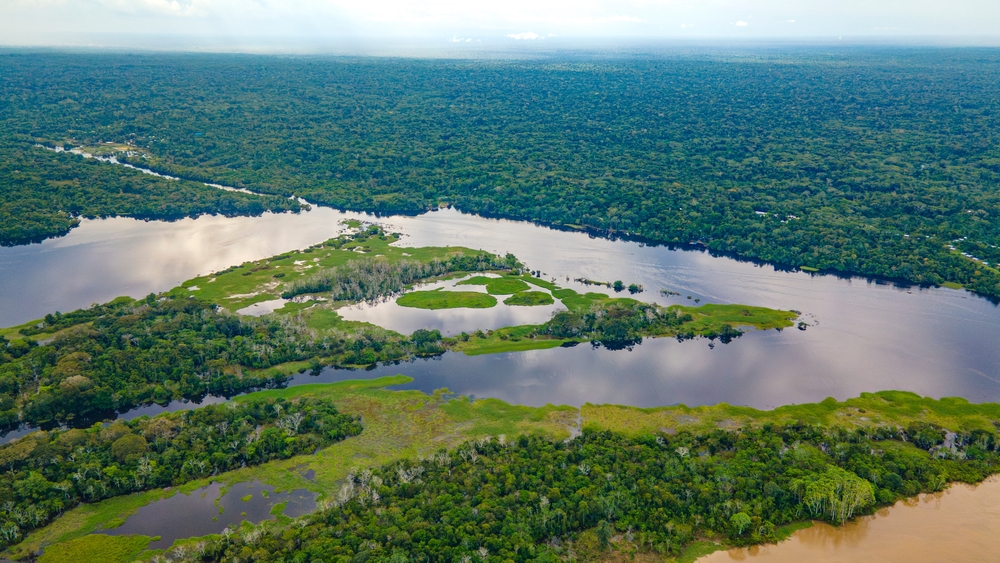
The Mashco Piro are believed to be one of the largest uncontacted Indigenous groups remaining on Earth, with estimates suggesting a population of around 750 people. They live deep within the Peruvian Amazon in a region close to the border with Brazil, an area characterized by thick rainforest, limited access routes, and minimal infrastructure. This geographic isolation has played a crucial role in preserving their way of life, allowing them to avoid sustained contact with the outside world for generations despite increasing pressure on surrounding lands.
Peru and Brazil both have laws intended to protect territories inhabited by uncontacted tribes, recognizing the severe risks that contact poses. These protections are meant to restrict entry, limit development, and prevent outsiders from disturbing Indigenous communities who have chosen isolation. In practice, however, enforcement is inconsistent. Remote terrain makes monitoring difficult, and illegal activities such as logging often go undetected until damage has already been done. As a result, legal protection does not always translate into real safety on the ground.
The importance of maintaining distance goes beyond cultural respect. Uncontacted tribes lack immunity to many diseases that are relatively harmless to the wider population. A single encounter could introduce illness with devastating consequences. This reality is why conservationists rely on strict observation protocols, using long range lenses and limiting time near these communities to reduce risk while still documenting their existence.
Why this footage looks so different from anything before
What immediately sets this footage apart is how clear it is compared to earlier images of the Mashco Piro. Previous photographs often showed little more than silhouettes or movement between trees, leaving much to interpretation. In contrast, the new video allows viewers to observe individuals clearly as they step onto a riverbank, revealing details that were once impossible to see without violating ethical boundaries.
The footage was shared by conservationist Paul Rosolie and podcaster Lex Fridman during an episode of the Lex Fridman podcast posted to YouTube on January 14. Rosolie, who has worked in the Amazon for over two decades protecting wildlife and Indigenous communities, explained that advances in camera equipment made the difference. He said, “The only thing you’ve ever seen are these blurry images … from 100 meters away … and we’re sitting there with, you know, 800mm with a 2x teleconverter.”
In the video, members of the community emerge from the forest onto a sandy beach through a cloud of butterflies. At first, they appear cautious and organized, holding weapons and maintaining formation as they observe the people filming from afar. Over time, their movements become less rigid, suggesting that they are assessing the situation rather than reacting in fear or aggression. This gradual shift in behavior is part of what made the footage feel unusually intimate to viewers.
A moment that felt human rather than distant
As the encounter unfolds, Rosolie narrates subtle changes in posture and movement that stood out to him. He describes how, as the group approached closer, one individual slowly lowered his weapon. “As they come closer, they start laying down their … See, he’s laying down his bow and arrow. They understand,” he said, emphasizing the awareness and judgment involved in the moment.
For many viewers, this detail transformed the footage from a spectacle into something deeply human. It challenged the idea that uncontacted tribes exist in a purely reactive or primitive state. Instead, it showed people observing, interpreting intentions, and making decisions based on perceived risk. The clarity of the video made these nuances visible in a way that previous images never could.
At the same time, that same clarity opened the door to intense scrutiny. Viewers began pausing frames, zooming in on clothing and objects, and searching for anything that might contradict the label of uncontacted. What began as wonder quickly shifted into investigation, setting the stage for the online theories that soon followed.
Image Credit: Pexels
The internet fixates on one detail
Not long after the footage spread, attention narrowed onto a single object seen in the video. Some viewers claimed that a rope worn by one individual looked modern, sparking doubts about whether the Mashco Piro were truly isolated. The comment sections filled with speculation, often delivered with sarcasm or certainty despite limited context.
One commenter wrote, “The rope around his head can be purchased at any hardware store.” Another added, “Yes, yes, un-contacted tripe with fresh modern rope coiled around a bundle. Never touched by outsiders. Ssssh, we won’t tell people they’re trading with civilization.” These remarks were shared widely, reinforcing the idea that the footage revealed a hidden truth rather than a complex reality.
As these claims gained traction, broader theories followed. Some suggested secret trading networks, while others implied deliberate misrepresentation by conservationists or governments. In the process, the discussion shifted away from the actual risks facing the Mashco Piro and toward debates driven by assumptions based on a single visual detail.
What uncontacted actually means in practice
Experts have long emphasized that uncontacted does not mean completely unaware of the outside world. Many uncontacted tribes have historical memories of violent encounters with loggers, missionaries, or settlers, experiences that often explain why they now avoid contact so actively. Awareness of outsiders does not equate to engagement, integration, or safety.
Objects such as rope or tools can reach remote areas in many ways, including river currents, discarded materials, or brief encounters that fall far short of sustained contact. The presence of a single item does not indicate immunity to disease, participation in modern society, or ongoing trade relationships. Drawing such conclusions oversimplifies a situation shaped by geography, history, and survival strategies.

Image Credit: Pexels
Anthropologists warn that these assumptions can be harmful. Suggesting that uncontacted tribes are not truly isolated can weaken arguments for their protection, making it easier to justify intrusion into their lands. In reality, even minimal contact can have irreversible consequences for communities with no biological defenses against common illnesses.
The real threat facing the Mashco Piro
While online debates focus on rope fibers and definitions, conservationists point to a far more serious danger. Logging remains one of the greatest threats to uncontacted tribes across the Amazon. Both legal and illegal operations continue to push into protected areas, carving roads through forests and bringing human activity closer to previously untouched regions.

As land is cleared, food sources decline and territories shrink. In recent years, sightings of the Mashco Piro near riverbanks have reportedly increased, a trend some experts interpret as a sign of pressure rather than curiosity. When uncontacted tribes move closer to the edges of their land, it often reflects environmental disruption rather than a desire for engagement.
Without stronger enforcement and full legal protection, these encounters are likely to become more frequent. Each one increases the risk of disease transmission and violent conflict, threatening the long term survival of the Mashco Piro regardless of how their footage is interpreted online.
Why this footage matters more than the theories
For Paul Rosolie and others involved, the purpose of sharing the footage was not to provoke controversy. It was meant to humanize a community that is often reduced to myth or mystery and to highlight what is at stake as development advances deeper into the Amazon. Seeing the Mashco Piro in such clarity makes it harder to ignore the reality of their existence and the fragility of their situation.
The images bring responsibility as well as awareness. They remind viewers that these are people responding to real pressures, not symbols for internet debates. The focus on speculation risks distracting from the urgent need to protect their land and respect their choice of isolation.
Ultimately, the story is not about whether a rope looks modern. It is about whether the outside world will prioritize curiosity over caution, or whether it will finally commit to safeguarding the environments that uncontacted tribes rely on for survival before those spaces disappear entirely.
Featured Image Credit: Shutterstock