

Why Cats ‘Attacking’ Olympic Lugers on TV Is Winning the Internet
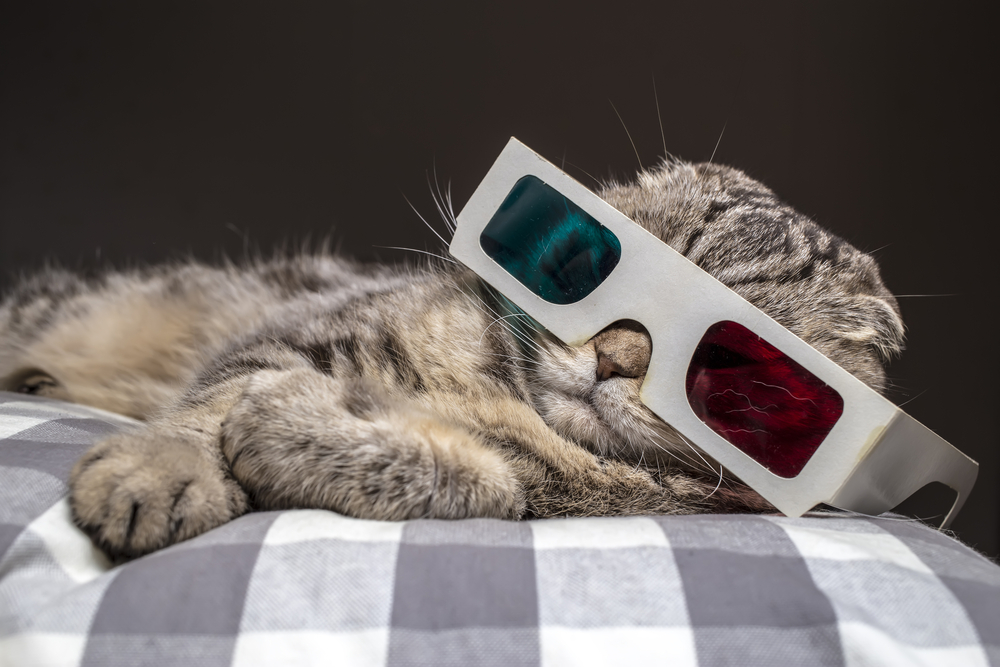
Every Olympic season delivers unforgettable moments, from record breaking runs to emotional podium finishes. This year, however, some of the most entertaining reactions are not coming from the stadium or the slopes, but from living rooms around the world. As lugers rocket down icy tracks at breathtaking speeds, another group of spectators has been responding with surprising intensity. Cats everywhere are locking onto their television screens, crouching low, swiping at athletes mid run, and behaving as though the Winter Games have personally challenged them to compete. The internet has quickly embraced the trend, turning these spontaneous feline reactions into one of the most unexpectedly wholesome viral moments of the season.
At first glance, the videos seem like simple pet humor. A small paw smacks the screen. A tail flicks in frustration. A determined stare follows the athlete from one side of the television to the other. But beneath the surface, something much older is happening. Cats are hardwired to respond to quick movement, especially when it travels in a straight, darting line. The Olympic luge, with its rapid speed and high contrast track, mimics exactly the kind of motion that would once signal prey. What we are witnessing is not random behavior. It is instinct meeting modern technology, and the result feels both hilarious and strangely fascinating.
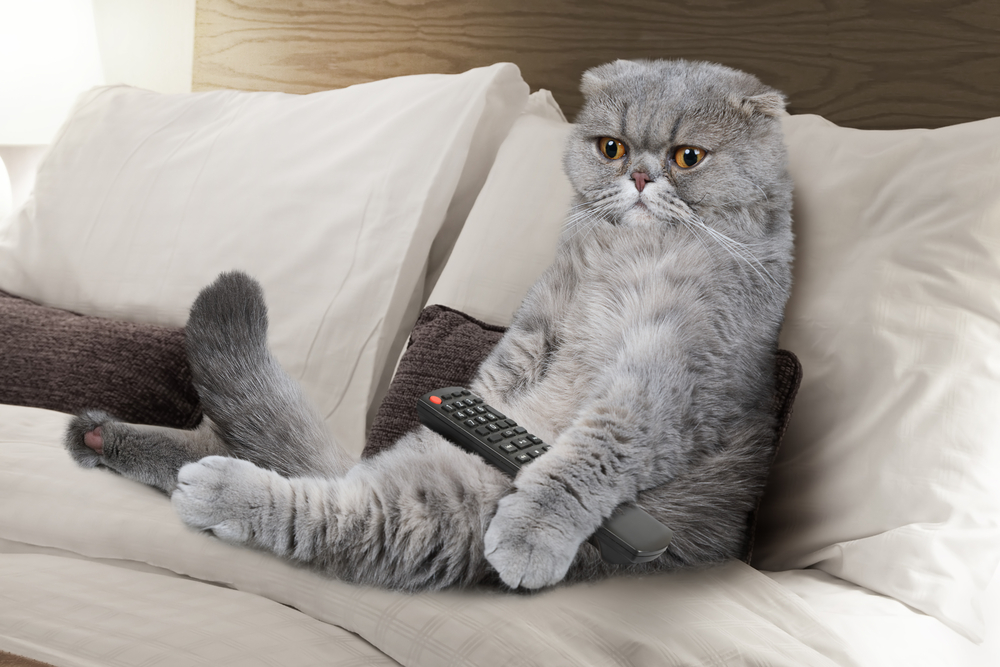
Image Credit: Shutterstock
The Moment Cats Declared Themselves Olympians
The wave of videos began with a clip showing a cat intensely focused on a luge race. As the athlete accelerated down the track, the cat’s posture shifted almost instantly. Its body lowered toward the floor, shoulders tensed, and eyes widened with laser sharp concentration. Just as the luger streaked across the screen, the cat lunged forward, paw outstretched in a bold attempt to intercept the blur of motion. The athlete vanished down the track, but the cat appeared convinced it had nearly succeeded.
Viewers flooded the comments with their own observations and shared experiences. One person summed it up perfectly by writing, “Watching cats watch the Olympics is the best way to watch the Olympics.” Another added, “Wow she almost caught that guy.” Others noticed the tiny details that made the clips so charming, including one comment that read, “The ear flick in confusion after not catching it is so damn cute lol.” That brief ear twitch, that split second of visible disbelief, became a defining feature of the trend.
As more people joined in, the humor escalated. Someone joked, “Do the athletes even know they’re up against such a terrifying foe?” Another comment pushed the imagination further with, “Hey so actually this is bad for the cats because they can get overly invested and join the Jamaican bobsled team.” The exaggeration worked because the cats looked completely committed, as though they were participating in their own version of Olympic competition.
Soon it was not only lugers drawing attention. Cats were swiping at skiers carving through snow, lunging toward figure skaters spinning across the ice, and even tracking curling stones as they glided slowly toward the target. Any rapid motion across the screen was enough to trigger a reaction. The Olympics had unintentionally created a new category of athlete, one competing from the sofa.
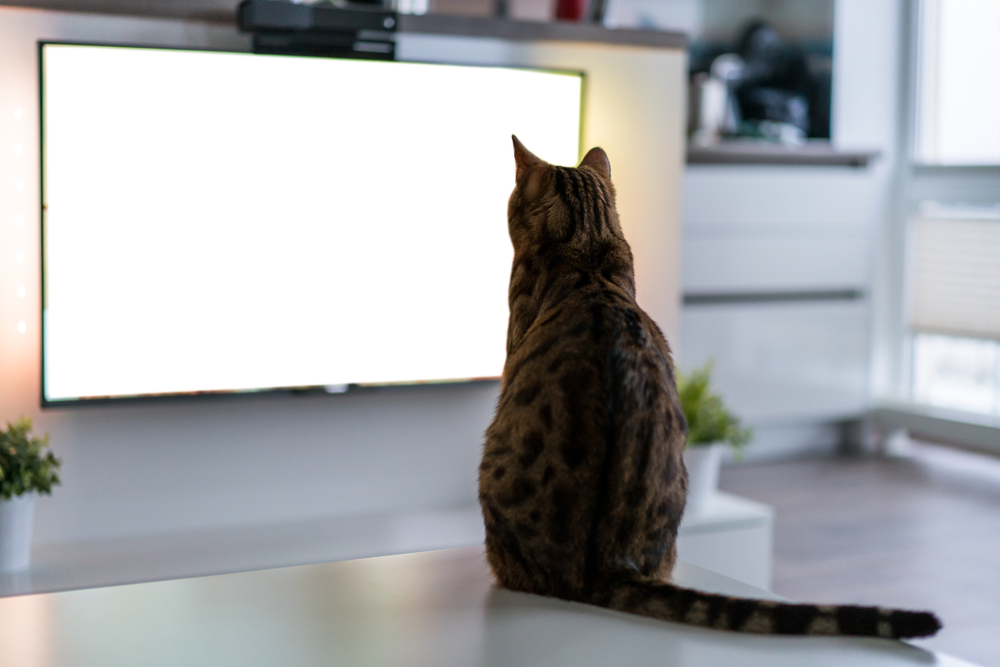
Image Credit: Shutterstock
Built For The Hunt, Even Indoors
Cats may be cherished companions today, but their physical design tells a much older story. Every part of their body reflects their origins as solitary hunters. Their hearing is sensitive enough to detect faint rustling sounds. Their vision excels in low light conditions. Their muscles are built for explosive bursts of speed followed by stillness and patience.
In natural settings, these traits are essential for survival. A small movement in tall grass demands immediate attention. A split second delay could mean a missed opportunity. That reflexive response remains deeply embedded, even in cats that have never stepped outside. Domestic comfort does not erase thousands of years of evolution.
When a luger races across a television screen, the motion checks several instinctive boxes at once. It is quick, linear, and visually distinct against a bright background. To a cat’s visual system, it resembles prey making a fast escape across open ground. The reaction is automatic, not learned. The screen may be modern, but the instinct behind the swipe is ancient.
This contrast is part of what makes the videos so captivating. We are watching a creature engineered for stealth and precision attempting to hunt a digital athlete. The environment is safe, the stakes are nonexistent, yet the effort is completely genuine.
Image Credit: Shutterstock
The Science Behind The Swipe
Cats rely heavily on motion detection. While their eyesight does not process fine detail the same way humans do, they are exceptionally skilled at noticing movement. Quick changes in direction or sudden bursts of speed immediately draw their focus. That is why a small toy dragged across the floor can trigger intense concentration.
Luge events provide a nearly perfect visual stimulus. The athlete appears compact and moves rapidly from one side of the screen to the other. The high contrast between the sled and the ice track makes the motion easy to track. From a feline perspective, it closely resembles prey sprinting across an open landscape.
The typical hunting sequence begins with stillness. The cat freezes, observing carefully. Then comes the crouch, lowering the body and shifting weight onto the hind legs. Finally, the pounce, delivered as a quick leap or a firm swat. When the target disappears, there is often a brief pause as the cat recalibrates. That puzzled glance or ear flick is a visible sign that the expected outcome did not occur.
For most cats, the cycle resets almost immediately. Another athlete appears, another opportunity arises, and the process begins again. It is instinctive repetition rather than calculated thought.

Image Credit: Shutterstock
Modern Homes, Ancient Instincts
Throughout history, cats played practical roles in human communities, particularly in controlling rodent populations. Their hunting skills were valued assets in farms and early settlements. Over time, their place in society shifted from working animals to beloved companions.
Despite that transition, their behavioral patterns remain consistent. Indoor cats still display stalking, chasing, and pouncing behaviors during play. A feather wand becomes a bird. A toy mouse becomes prey. Even a moving shadow can spark pursuit. These behaviors are expressions of instinct rather than signs of boredom alone.
The Olympic television phenomenon fits naturally into this pattern. The moving images on screen provide stimulation that mirrors real world triggers. The living room transforms into a safe practice arena where instincts can play out without risk.
There is something reassuring about this balance. Cats have adapted to domestic life without losing their essential nature. They can be affectionate lap companions while still carrying the reflexes of efficient predators. The swipe at a luger is simply another expression of that dual identity.

Image Credit: Shutterstock
Should Owners Be Concerned?
As amusing as the videos are, some pet owners wonder whether repeatedly swiping at the screen might frustrate their cats. Hunting behaviors typically involve a complete sequence that ends with capture. When that capture never occurs, there is potential for mild overstimulation in certain animals.
Common signs of frustration may include persistent tail flicking, vocal sounds, or redirecting energy toward nearby objects. However, many cats treat the interaction as short lived entertainment. They swipe, watch, and then move on without lingering stress.
To ensure healthy stimulation, experts recommend providing additional interactive play opportunities. Wand toys that mimic birds or small animals can allow cats to complete the hunting cycle. Puzzle feeders offer mental engagement. Soft toys they can physically grab and kick provide satisfying outlets.
Laser pointers can be effective as long as sessions conclude with a tangible object the cat can catch. This final step helps prevent incomplete hunting sequences. Window views, enclosed outdoor spaces, or supervised exploration can also enrich their environment while maintaining safety.
Why This Moment Resonated So Deeply
The Olympics represent discipline, ambition, and the pursuit of excellence on a global stage. They are intense, competitive, and often emotional. Against that backdrop, a cat earnestly attempting to catch a luger introduces a moment of levity that feels refreshing.
Social media thrives on shared humor, and pet reactions are universally relatable. People across continents can instantly recognize the focused crouch of a cat preparing to pounce. No explanation is necessary. The language of instinct is easy to understand.
These clips provide a reminder that joy does not always need to be complicated. A flash of movement sparks attention. Attention sparks action. Action results in a brief moment of surprise when the outcome differs from expectation.
The athlete crosses the finish line. The broadcast continues. But in countless homes, a small predator believes it came within inches of Olympic glory. And that simple, earnest effort is exactly why people are calling it pure gold.
Featured Image Credit: Shutterstock