


Meet Splash: The Specially Trained Otter Assisting Police in Pensacola Search
When most people picture a search and rescue operation, they imagine trained dogs, helicopters scanning from above, or divers navigating murky waters. Few would ever expect an otter to be part of that scene. Yet in Florida, that unexpected image has now become a reality.
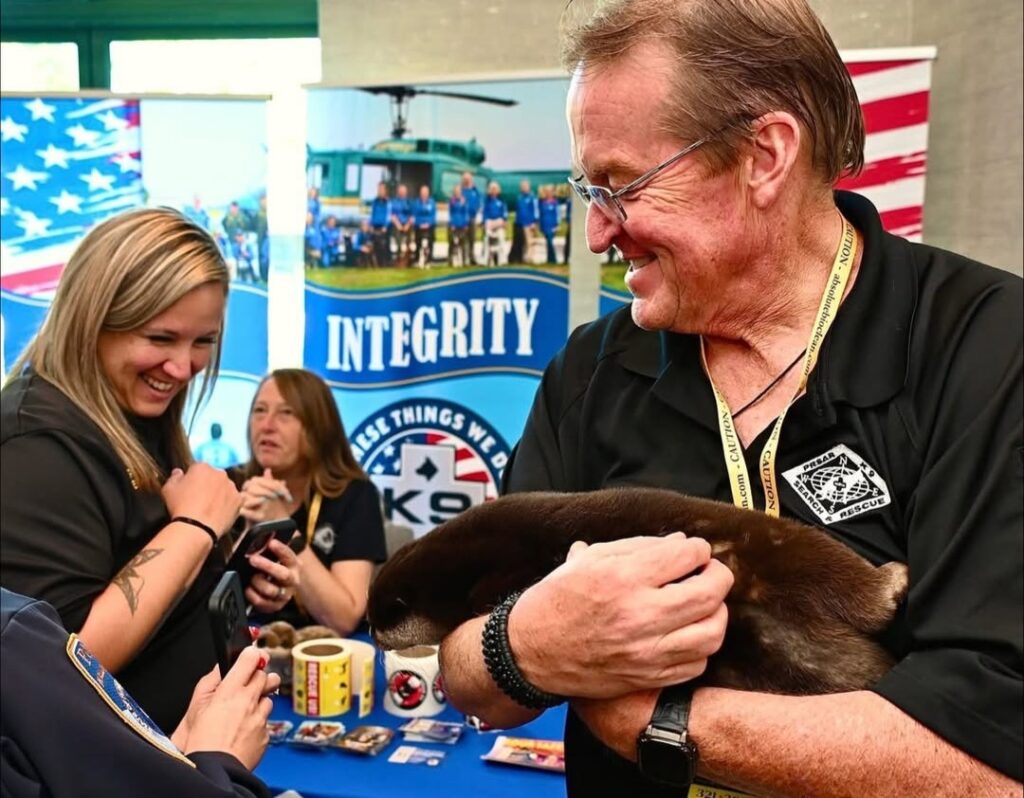
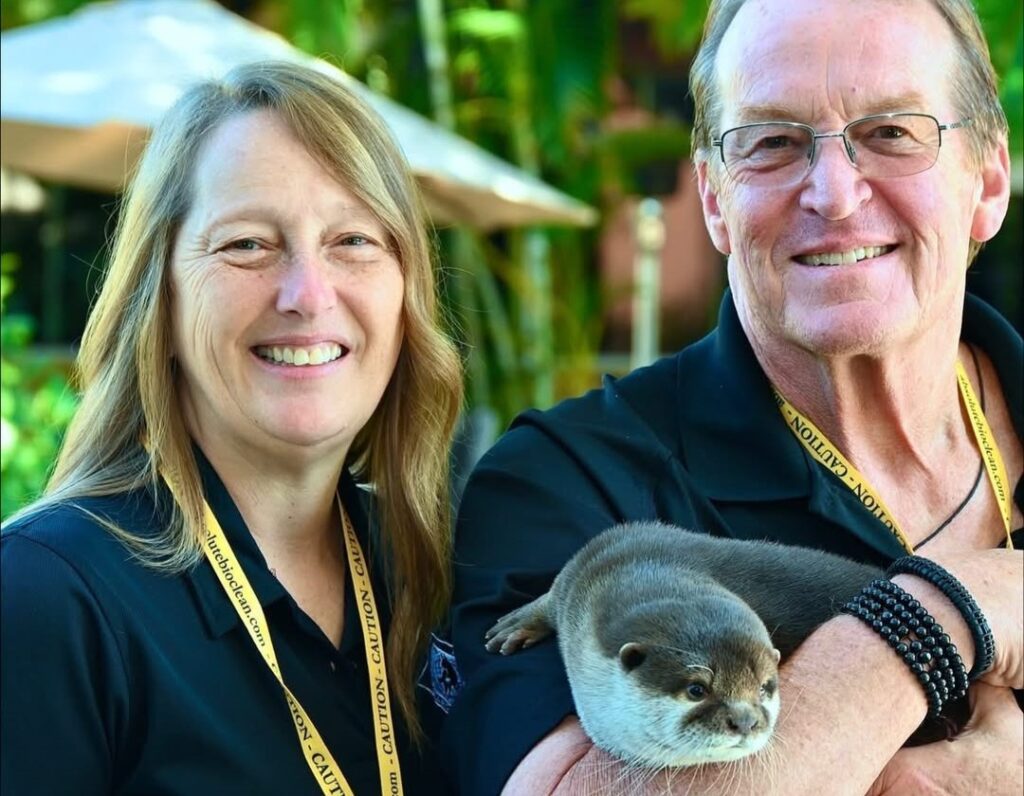
In a move that has both surprised and intrigued the public, a Florida police department has deployed what is believed to be the first specially trained search and recovery otter in the United States. The animal, affectionately named Splash, was brought in to assist with the search for a missing woman in Pensacola, marking a moment that many are calling historic in the evolution of rescue operations.
According to reports from Fox 10 News, Splash is not a novelty act or a publicity stunt. The otter has undergone specialized training to assist in water based recovery efforts, particularly in environments where traditional methods face limitations. As the search for the missing Pensacola woman continued, law enforcement officials turned to this unconventional helper in hopes that innovation might offer new answers.
A Search Effort That Captured National Attention
The case that brought Splash into the spotlight involved the ongoing search for a missing woman in Pensacola. Authorities had already been working tirelessly, combing through waterways and coordinating with multiple agencies. Despite extensive efforts, the challenging water conditions made the search difficult and emotionally taxing for everyone involved.
Water based searches are notoriously complex. Murky visibility, unpredictable currents, and debris can hinder divers and delay progress. Even with advanced sonar equipment and trained dive teams, time becomes a critical factor. Each passing day increases both the urgency and the emotional weight carried by families and search crews alike.
As coverage spread through outlets such as WLOS and Fox 10 News, the public began following updates closely. The introduction of a trained otter into the operation quickly became the focal point of discussion. Many people expressed curiosity, while others questioned how an animal typically associated with playful river scenes could contribute to a serious law enforcement mission.
What emerged from these reports, however, was not a gimmick but a carefully considered strategy. Law enforcement officials emphasized that Splash was brought in as a supplementary tool, not a replacement for established protocols. The goal was simple yet profound: expand every possible resource to aid in a search that deeply affected the local community.
Why an Otter Makes Surprising Sense
At first glance, the idea of a search and recovery otter may sound unconventional. Yet when one considers the natural abilities of otters, the logic becomes clearer. Otters are agile swimmers with exceptional underwater navigation skills. They are built for aquatic environments in ways humans simply are not.
Their streamlined bodies, powerful tails, and highly sensitive whiskers allow them to detect subtle changes in water movement. In the wild, otters rely on these senses to locate food in low visibility conditions. Translating those instincts into trained behaviors offers intriguing possibilities for search operations.
According to coverage highlighted by Upworthy, Splash has undergone specific conditioning to respond to scent cues and to assist handlers during water searches. While details about the training remain limited, officials have indicated that the otter can help identify areas of interest that may warrant closer inspection by divers.
This approach does not replace technology or human expertise. Instead, it adds another layer to the search process. In complex environments such as rivers and coastal waters, where sonar may miss certain details and divers face physical constraints, a trained aquatic animal can move more freely and cover terrain in unique ways.
Training Behind the Scenes
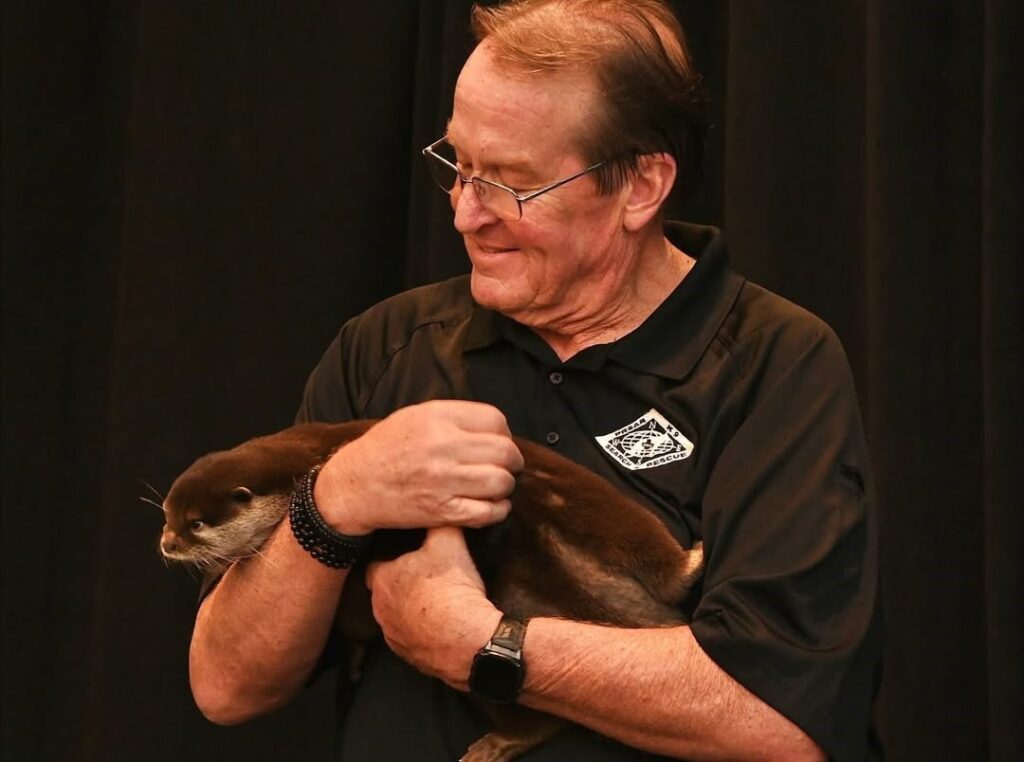
The preparation required to bring Splash into a law enforcement setting was neither quick nor casual. Training an otter for structured tasks involves building trust, reinforcing consistent behaviors, and ensuring the animal remains safe in potentially hazardous conditions.
Handlers must account for distractions, environmental variables, and the emotional intensity of active search sites. Unlike a zoo demonstration, a real world search operation includes boats, equipment, crowds, and often media presence. Ensuring that the otter remains focused amid such stimuli requires extensive conditioning.
Reports indicate that Splash works closely with trained professionals who understand both animal behavior and search protocols. The partnership between handler and animal is central to the operation. Clear communication, positive reinforcement, and constant monitoring are essential components of the process.
Animal welfare advocates have also shown interest in the development. Questions about safety and ethical treatment naturally arise whenever animals are used in professional settings. Authorities have stressed that Splash’s well being remains a top priority and that the otter is deployed only under controlled circumstances designed to protect both the animal and the search team.
The Future of Animal Assisted Search Operations
Splash’s deployment raises broader questions about the future of search and recovery efforts. Dogs have long played a central role in detection work, from locating missing persons to identifying hazardous materials. Could aquatic animals eventually carve out a similar niche in water based operations?
Experts note that expanding such programs would require careful study. Each species brings distinct capabilities and limitations. Training standards, ethical guidelines, and measurable performance metrics would need to be clearly defined before widespread adoption could occur.
There is also the matter of public perception. While many people have embraced the idea enthusiastically, others remain cautious. Transparency about training methods, safety protocols, and success rates will be critical in determining whether initiatives like this gain long term credibility.
Still, the introduction of Splash suggests that law enforcement agencies are willing to think creatively. As climate change increases flooding events and extreme weather incidents, water related emergencies may become more frequent. Expanding the toolkit for aquatic search efforts could prove increasingly valuable in the years ahead.
What This Story Says About Innovation and Compassion
Beyond the immediate headlines, the story of Florida’s search and recovery otter offers a moment for reflection. It highlights how communities respond to crisis not only with urgency, but with imagination. Faced with difficult terrain and emotional stakes, authorities sought a new path rather than relying solely on routine.
Innovation often begins with a willingness to challenge assumptions. Few would have predicted that an otter could assist in a law enforcement search. Yet by looking at the natural world with curiosity rather than limitation, officials discovered a potential ally beneath the surface.
There is also a deeper lesson about compassion. Search operations are driven by a desire to bring closure and dignity to families. Every additional tool, whether technological or biological, represents an extension of that commitment. Splash’s involvement symbolizes the lengths to which people will go to help one another.
Ultimately, whether this marks the beginning of a broader trend or remains a unique chapter in search and rescue history, it has already sparked conversation. It challenges us to think creatively about problem solving and to remain open to solutions that may initially seem unconventional.
A Community Watching and Waiting
As the search in Pensacola continued, residents remained attentive and hopeful. The presence of Splash did not guarantee immediate answers, but it reinforced the message that no effort was being spared. In times of uncertainty, that reassurance can matter deeply.
Community members expressed gratitude for the persistence of search crews. Volunteers, first responders, and investigators all played roles in a coordinated effort that extended beyond a single agency. The otter became one visible symbol of a much larger network of dedication.
In many ways, the story resonates because it merges heart and ingenuity. It is about a missing woman and a grieving family, but it is also about resilience and the refusal to give up. That blend of emotion and innovation is what transformed a local search into a viral national headline.
As discussions continue about the effectiveness and future of animal assisted search efforts, one thing remains clear. Splash has already made history. Whether remembered as a pioneering step in rescue operations or as a singular moment of creative thinking, the otter’s deployment reflects humanity’s enduring drive to adapt, learn, and hope.
Featured Image Credit: Photo by Pixabay | Pexels