

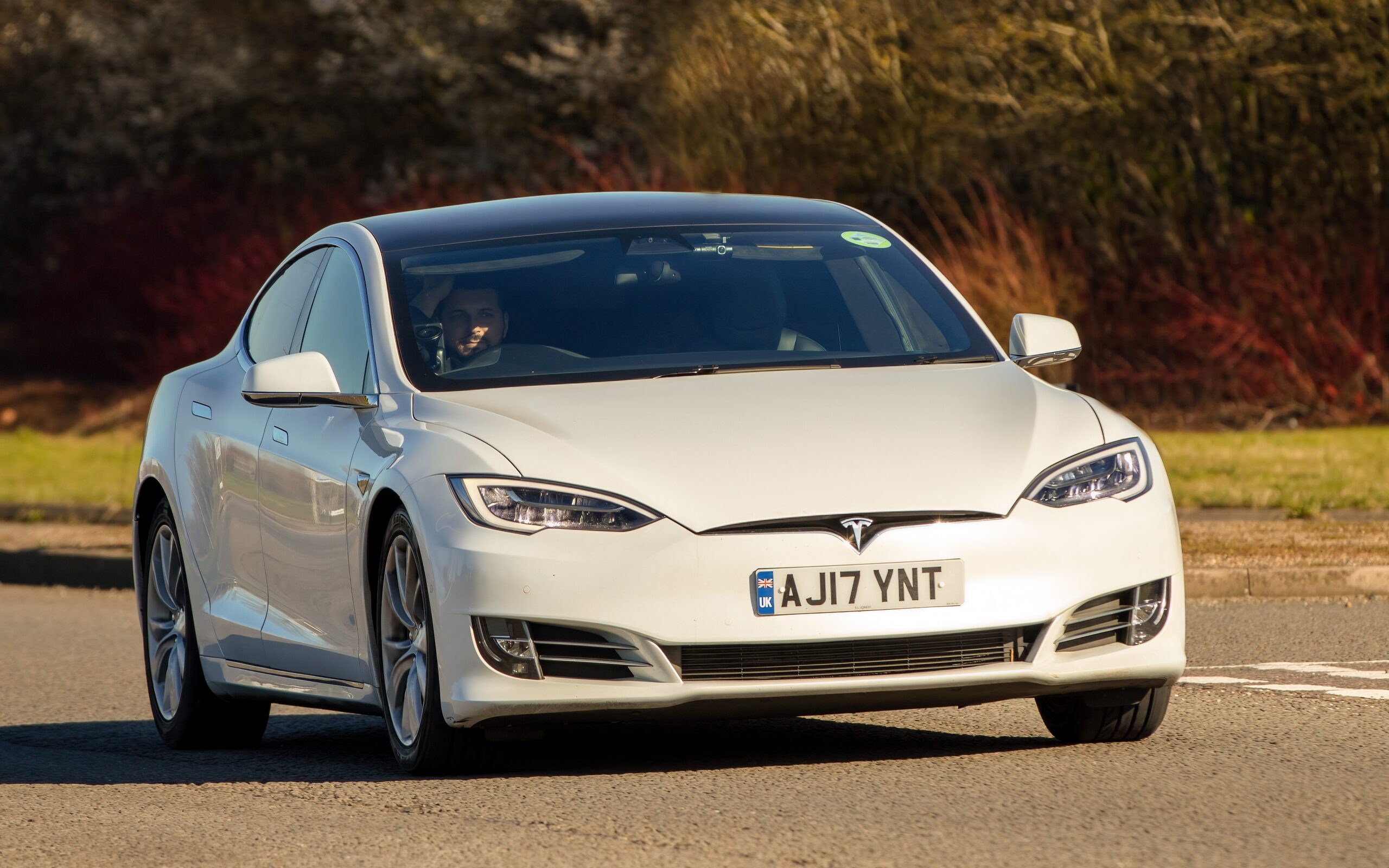
He Dropped $140,000 on a New Tesla, Two Years Later, the Value Left Him Speechless
You trade hours, days, and years of your life working for a paycheck. Then, the world tells you exactly how to spend it: buy the newest, most expensive thing on the market to prove you are successful.
But what happens when that ultimate symbol of success loses hundreds of dollars in value every single day you own it? When a highly praised, six-figure purchase turns into a massive financial loss almost overnight, it forces a hard look at reality. It makes you question the true cost of chasing status and what is actually left when the new car smell fades.
From Status Symbol to Sinking Asset
Imagine handing over $140,000 for a brand new vehicle. Two years later, you check the trade-in value and see a number that makes your stomach drop: $46,400. Nearly $100,000 is simply gone.
This is exactly what happened to a man named Kyle Conner. He bought a black 2022 Tesla Model S Plaid for $140,940. After driving 37,191 miles over 24 months, he shared his trade-in estimate online with a single, sobering word: depreciation.
People often chase the thrill of a fresh purchase. Society sells the idea that a high price tag guarantees lasting worth. But the moment those tires roll off the dealership lot, the financial reality shifts drastically. Stuart Masson, editor of The Car Expert, points out that a new car can lose up to 35 percent of its value in the very first year. The reason is incredibly practical. The initial price does not just cover the machine. It covers dealer margins and service costs. Once the keys are handed over, that extra money evaporates.
depreciation pic.twitter.com/3wZ0I9usYK
— Kyle Conner (@itskyleconner) October 27, 2024
This massive drop in value serves as a loud wake-up call. Culture conditions people to pour their life energy into depreciating assets. A vehicle is a tool meant to transport you, yet it is so frequently used as a status symbol to impress strangers. When a six-figure purchase loses two-thirds of its value in just two years, it forces a hard look at where true value actually lives.
The shiny exterior might catch the eye of a neighbor, but the market is completely unforgiving. Wealth is built by investing in things that grow over time, not things that start losing their worth the second the receipt is printed.
The Trap of the Trend
There is a hidden trap inside the hottest trends. People rush to buy the most popular items to stand out. Yet, that exact popularity is what destroys the long-term value.
Look at why these specific electric vehicles are dropping in price so aggressively. Stuart Masson, editor of The Car Expert, noted that these cars became a ‘victim of their own success.’ Because they were ‘far and away the best selling’ models on the market, the second-hand lots are now completely flooded.
When everyone buys the exact same thing, buyers have endless options later on. This oversupply forces the resale price into the ground. On top of that, rival companies are catching up. Technology is advancing, making brand new electric cars cheaper to produce overall. The shiny status symbol from two years ago is now just another used item competing in a crowded space.
This perfectly illustrates the danger of tying your identity to a passing wave. When you define yourself by the current craze, your self-esteem is attached to a ticking clock. The moment the market shifts or a newer version drops, the perceived value plummets.
Do not chase what is popular right now. Focus on what is timeless. Gadgets will always get cheaper, and trends will always fade. Character, discipline, and a resilient mind are investments that never flood the market. They only become more rare and more valuable as the years go by.
Built to Last or Built to Fade?
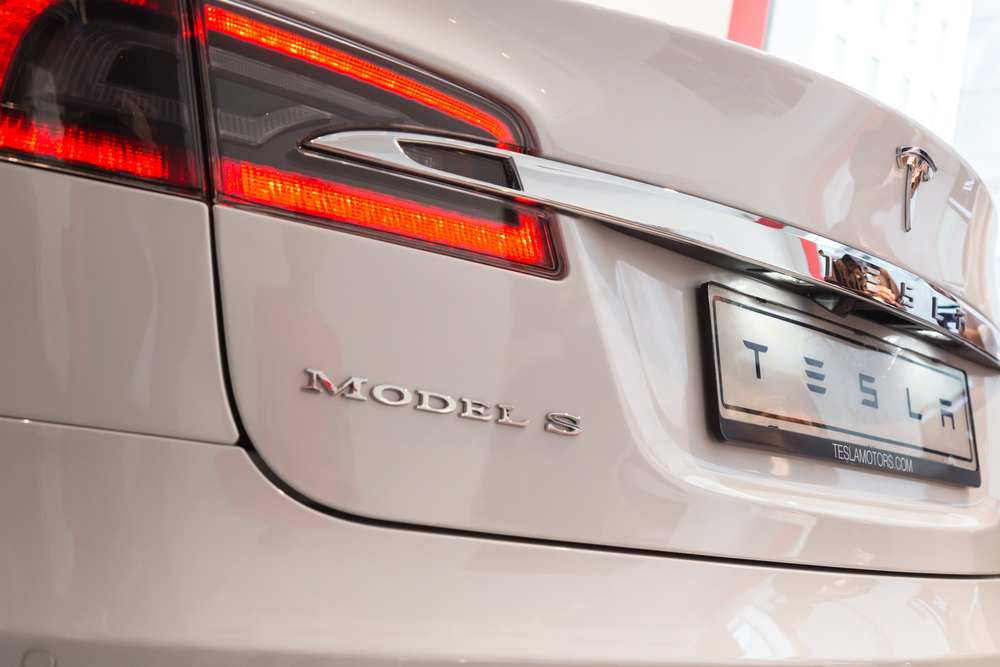
Look beyond a quick two-year drop and stretch the timeline to a full decade. The picture becomes even more striking. A comprehensive study by Boohoff Law tracked the value of electric vehicles over a ten-year span from 2015 to 2025. The vehicle at the very top of the depreciation list was the Tesla Model S.
In 2015, a new Model S cost $95,600. Ten years later, its average resale value plummeted to just $9,800. That is a devastating 89.75 percent decrease. To put this into perspective, a gas-powered luxury vehicle from the exact same year, like the Range Rover HSE, cost roughly the same amount new but still holds a value of around $19,999 today.
Why does the electric option lose so much more? It comes down to the core components. A well-maintained traditional engine can often match its original performance years later. An aging electric battery, however, naturally loses its range and efficiency. The vehicle literally loses its power over time.
Tatiana Boohoff, managing partner of Boohoff Law, explained the phenomenon clearly. She stated that the dramatic devaluation of early electric vehicles reveals a market still coming to terms with rapid technological evolution.
When a person purchases the absolute cutting edge of technology, they are essentially buying a time capsule. As battery technology and range capabilities advance at lightning speed, luxury interior features cannot protect an older model from becoming obsolete.
This is a profound lesson in permanence. It is dangerous to build a foundation on things that are guaranteed to decay. Whether it is a luxury car, a fleeting social status, or the latest gadget, technology will always move on and leave the old behind. True stability is found in building character, cultivating deep relationships, and acquiring knowledge. Those are the only assets that actually compound over a lifetime.
The Danger of the “Next Big Thing”

It is easy to look at a six-figure luxury vehicle and think this massive drop in value only happens to the wealthy. But the rapid loss of value does not discriminate. It affects everyone who buys into the hype without looking at the long-term reality.
The same ten-year study revealed that everyday, entry-level electric vehicles suffered almost identical fates. The Fiat e500 lost 88 percent of its original value. The BMW i3 dropped by 86 percent. Even the Nissan Leaf, one of the very first pioneers of everyday electric driving, saw an 82 percent depreciation. A car that started at $29,010 in 2015 is now worth a mere $5,200 in the current used marketplace.
This reveals a universal law. Whenever an industry evolves rapidly, the early versions get left behind just as fast. The market is still trying to figure out how to handle aging battery life and charging compatibility over a long period.
There is a profound lesson here about foresight. How often do people jump into a new situation, a new career path, or a major financial commitment just because it feels new and exciting? Excitement often blinds people to the actual, long-term cost. True wisdom requires stepping back and looking at the bigger picture. It means asking what something will truly be worth when the novelty wears off and the rest of the world moves forward.
Do not let the rush of a fresh start trick you into a bad long-term investment. Whether it is your money, your time, or your emotional energy, always consider what you will be left holding ten years down the line.
The Only Asset That Truly Appreciates

The story of a vehicle losing its worth overnight is not just a financial warning. It is a masterclass in where people choose to place their focus. Society constantly pushes you to upgrade your phone, your wardrobe, and your car. But how often are you pushed to upgrade your mind?
Every single day, you are making a transaction. You are trading your time, your energy, and your attention. If you pour those precious resources into metal, glass, and fleeting status symbols, you will always end up with less than you started. The financial market guarantees it.
There is, however, a different kind of market. When you read a book, learn a new skill, or build mental resilience, you acquire assets that no one can ever devalue. A sharp mind does not depreciate. A kind heart does not lose its worth when a newer model is released. Deep, meaningful relationships do not crash when the economy changes.
Look at your daily habits right now. Look at where your time and money are flowing. Are you buying into things that will be practically worthless in ten years? Or are you building a foundation that will pay dividends for the rest of your life?
Stop chasing the illusion of status. Start investing in the one thing that actually appreciates over time. That thing is you. Make the decision today to put your energy into your health, your character, and your wisdom. Because when the final trade-in value of life is calculated, those are the only metrics that will ever matter.
Featured Image Source: Shutterstock