

He Stole 150 Grams of Gold and Rode Off on a Donkey — But What Was He Really Running From?
Some stories go viral because they are shocking. Others spread because they sound almost fictional. And then there are the rare moments caught on camera that feel like a scene written by irony itself.
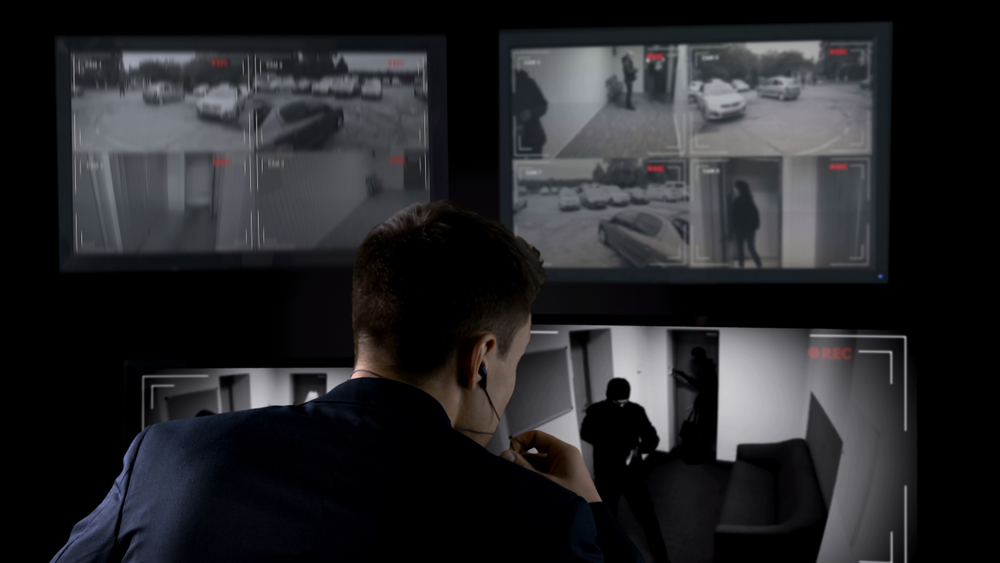
In central Turkey, CCTV footage captured a robbery that seemed to blur the line between crime and absurdity. A forklift tearing open metal shutters. A smashed glass cabinet. Gold scattered across the floor. And then, instead of a high-speed escape in a sleek getaway car, the suspect riding off on a donkey.

It is the kind of story people laugh at, share, and scroll past. But if we pause for a moment, a deeper question emerges: what drives a person to make a decision like this in the first place?
The Break-In That Felt Almost Cinematic
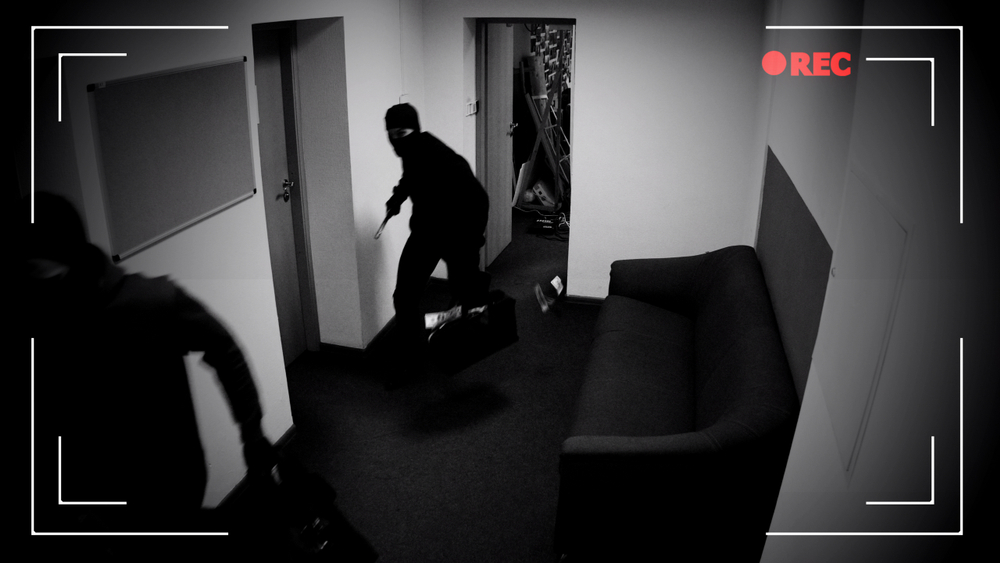
According to reports, CCTV cameras inside a jewellery shop in Kayseri recorded the break-in in full. The footage shows a forklift, believed to have been stolen, being used to pry open the shop’s shutters. The method was loud, direct, and anything but subtle. This was not a carefully disguised operation. It was forceful and visible.
Once inside, the suspect reportedly pushed over a cupboard containing valuables and smashed a glass cabinet filled with gold jewellery. Pieces of gold fell to the floor, and the individual rummaged through the debris, collecting as much as possible before fleeing.
In total, approximately 150 grams of gold jewellery were taken. Later, authorities discovered the stolen items buried in the ground. A 26-year-old suspect, identified only by initials, was arrested after a search.
The footage does not just document a crime. It captures urgency. It captures risk. It captures a decision unfolding in real time.
The Getaway No One Expected
What transformed this incident from a local crime report into a globally shared moment was the image of departure. The suspect did not disappear into traffic or blend into a crowded street. He mounted a donkey and rode away. That single detail altered how the entire event was perceived.
A donkey is not built for speed, stealth, or cinematic drama. It represents something slower, more rural, more exposed. Choosing that form of escape meant remaining visible, elevated, and unmistakable. There is no tinted window to hide behind and no engine roar to drown out the moment. It is a public exit in the most literal sense.
That visibility is part of what captured attention. The contrast between the value of gold and the simplicity of the animal carrying it creates a tension that feels almost symbolic. Wealth and modesty occupying the same frame. Urgency placed on the back of patience. Modern security cameras documenting an escape method that predates them by centuries.
It also reframes how we think about control. A car suggests power and command over distance. A donkey moves at its own natural pace. The rider is dependent on the rhythm of the animal beneath him. In that sense, the escape was not defined by acceleration but by limitation. The suspect was moving away, but not in the way crime narratives usually unfold.
The image lingers because it disrupts expectation. It strips the event of any illusion of sophistication and leaves something raw in its place. Not glamour. Not precision. Just a person making a choice and leaving in the only way available to him.
Beneath the Absurdity, A Human Story
Viral moments have a way of shrinking a person into a headline. In seconds, a complex life gets reduced to a role, a label, a clip. The mind loves shortcuts, so we fill in the blanks with easy stories about who someone is and why they did what they did. That is how a human becomes a character, and a character becomes content.
But real life is rarely that clean. Even when we cannot endorse the choice, it is worth remembering that harmful actions are still carried out by human hands, not by cartoons. Behind the spectacle is a person who woke up that morning with a history, habits, fears, and unmet needs. Somewhere along the line, the inner voice that says stop was either ignored, exhausted, or never properly strengthened.
There is also something uncomfortable here: it is easier to laugh than to sit with the possibility that many people are one crisis away from making a decision that does not reflect who they want to be. Not the same decision, not the same harm, but the same pattern of self betrayal where a moment of pressure becomes a moment of surrender. We all know what it is like to act out of impulse, to chase relief, to choose the shortcut, to justify what we know is shaky because we want the discomfort to end.
So the deeper question is not only why he did it. The deeper question is why the story lands so easily as entertainment. What does it cost us, slowly and silently, when we train ourselves to see people only at their worst moment, then move on without reflection? We do not have to romanticize anyone to resist becoming numb. We can hold firm to what is right while still refusing to flatten a life into a punchline.
What Are People Really Running From?
When someone makes a decision that risks freedom, reputation, and future stability, the visible action is only the surface. Beneath it is often an internal narrative that has been forming long before the moment arrives. People rarely wake up intending to become the worst version of themselves. More often, they drift there through accumulated frustration, perceived injustice, comparison, and the quiet erosion of hope.
In many societies, success is measured loudly and constantly. Wealth is displayed. Status is celebrated. Social media amplifies what others have and what we lack. Over time, that constant comparison can distort perception. A person may begin to believe they are permanently behind, permanently excluded, permanently denied access to a life they see others living. When that belief hardens, impatience can begin to feel justified.
There is also the psychology of rationalization. The mind is skilled at building arguments that make questionable choices appear necessary. It can whisper that this is temporary, that the system is unfair anyway, that no one will truly suffer, that this is simply balancing the scales. Those internal justifications rarely sound reckless in the moment. They sound persuasive.
Another layer is identity. When individuals feel that their opportunities are shrinking or their dignity is threatened, they may act in ways that attempt to reclaim a sense of control. Control, even when misguided, can feel powerful. It can temporarily silence feelings of inadequacy or invisibility. But actions rooted in wounded identity often deepen the very instability they were meant to resolve.
So the question becomes larger than one incident. What pressures are quietly shaping decisions in our own lives? Where have we allowed resentment, comparison, or frustration to rewrite our standards? Running is not always about distance. Sometimes it is about escaping the discomfort of confronting our own circumstances with patience and responsibility.
The Cost of Short-Term Decisions
Short term decisions often disguise themselves as solutions. They promise relief, speed, or advantage, but they rarely reveal the full invoice that follows. What appears to be a quick gain can quietly expand into legal consequences, damaged trust, fractured reputation, and a permanent record that reshapes future opportunities. The true cost is rarely paid in the moment. It accumulates over time.
When a person chooses immediate reward over long term stability, they are not only risking punishment. They are gambling with identity. Actions shape how others perceive us, but they also shape how we see ourselves. One decision can harden into a label. That label can influence employment prospects, relationships, and even self belief. Over time, repeated short term thinking can build a narrative that becomes difficult to escape.
There is also the social cost. Communities rely on a shared sense of security and mutual respect. When that trust is broken, even in a single instance, it affects more than one individual. Business owners increase precautions. Neighbors grow wary. Systems tighten. The ripple effect extends beyond the original act and settles into the atmosphere of a place.
Short term choices also train the mind. Each time we justify cutting a corner, we reinforce the habit of choosing what is easy over what is sustainable. Neural pathways strengthen through repetition. What feels like a one time lapse can become a pattern if not interrupted. Over months and years, that pattern can quietly dictate the trajectory of a life.
This is why reflection matters before reaction. The question is not only what do I gain right now. The deeper question is who do I become if I continue thinking this way. Long term peace is rarely built on urgent decisions. It is built on discipline, foresight, and the willingness to tolerate discomfort today in order to protect tomorrow.
Viral Moments and What They Reveal About Us
There is another layer to this story that deserves reflection: why we are so captivated by it.
We live in a time where unusual clips travel across continents within hours. The absurdity of the getaway vehicle becomes entertainment. The spectacle becomes shareable content.
But viral stories can also serve as mirrors. They show us fragments of society that we might otherwise overlook.
A forklift tearing open shutters speaks to force and risk. A smashed glass cabinet represents destruction not only of property but of stability. A donkey carrying stolen gold suggests something almost symbolic: a collision between old and new, desperation and resourcefulness, impulse and consequence.
If we look deeper, the humor fades and the humanity becomes clearer.
Accountability and Reflection Can Coexist
It is important to be clear: theft causes harm. Business owners invest time, money, and trust into their work. When someone breaks in and destroys property, that impact is real. Communities depend on a sense of safety.
Law enforcement recovered the stolen goods and arrested a suspect. That is part of the story too. Justice systems exist to protect and to deter.
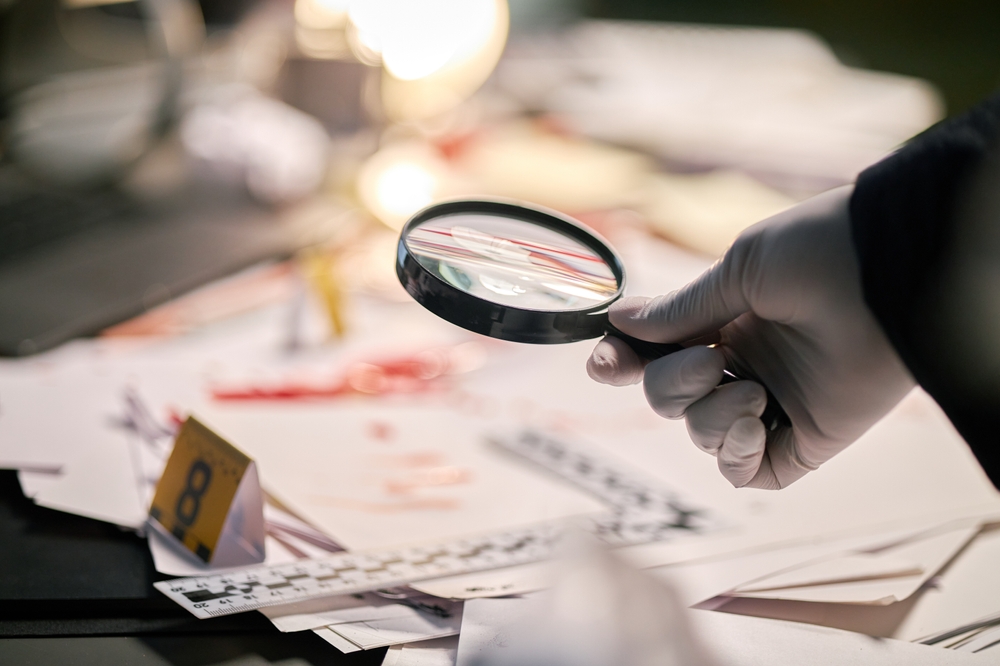
But as individuals, we can also ask ourselves what lessons we draw from moments like this. Do we simply scroll, laugh, and move on? Or do we use it as a moment to reflect on the pressures people face and the choices we make under strain?
Reflection does not weaken accountability. It deepens understanding.
The Escape That Actually Matters
The image is unforgettable. Gold in hand. A donkey beneath him. A decision already made. But the real weight of this story is not in how he left. It is in how quickly a single choice can redraw the future.
Escape built on impulse is never freedom. It is delay. Real freedom is quieter and harder. It is the discipline to pause when pressure rises. It is the strength to endure discomfort without betraying your values. It is the foresight to protect tomorrow even when today feels unbearable.
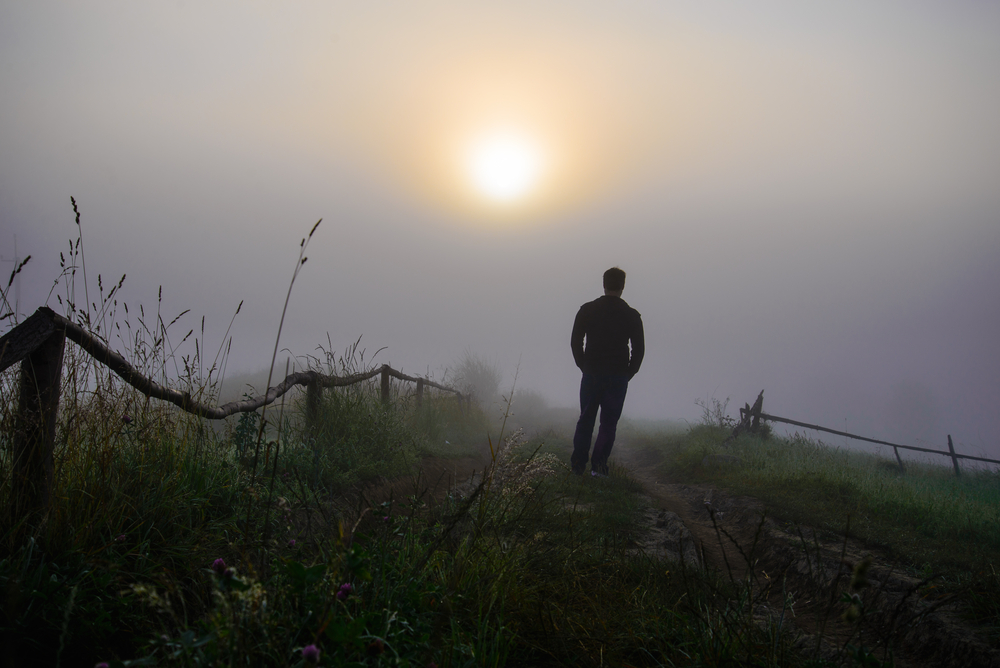
We may never know what pushed that moment into motion. But we know this: every rushed decision carries a shadow. Before you chase relief, ask what it will cost. Before you run, ask who you are becoming. The most powerful escape is not from consequences. It is from the mindset that creates them.
Featured Image from Shutterstock