

A Plant Slept Beneath the Ice for 32,000 Years Then Scientists Brought It Back to Life
Have you ever wondered what it would mean to hear a voice from the deep past not through fossils or bones but through life itself. Imagine holding something alive that began its journey tens of thousands of years ago long before cities, long before history books, long before the word civilization even existed. In the frozen silence of Siberia scientists uncovered a quiet messenger from that distant time a plant that once lived when mammoths still walked the Earth and the planet looked very different from the one we know today.
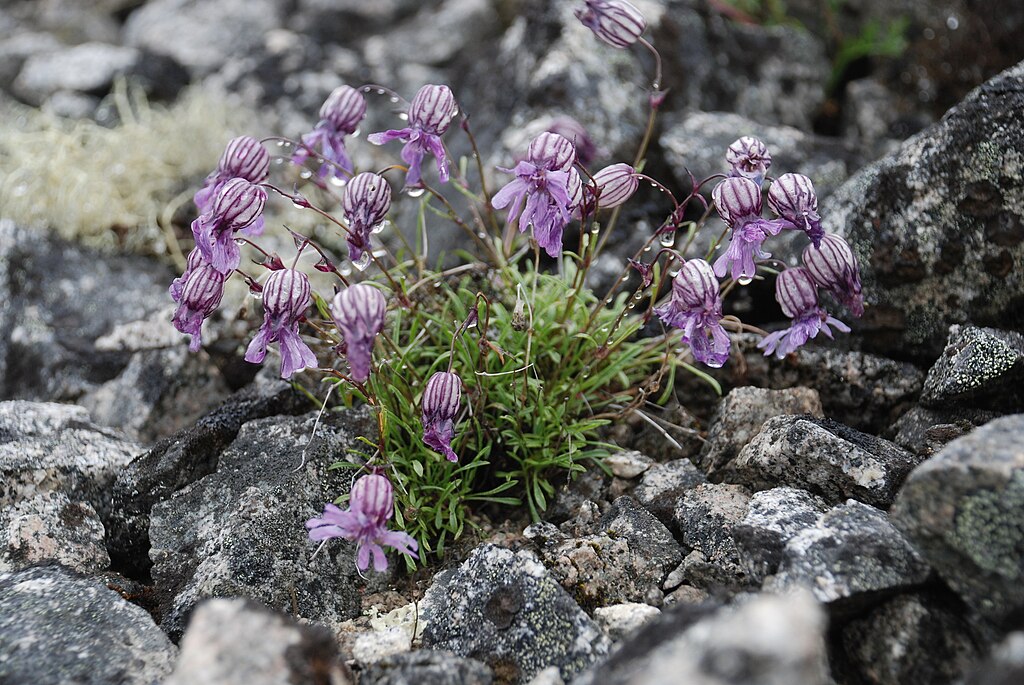

What happened next feels less like science fiction and more like a reminder of how mysterious life truly is. Researchers were able to regenerate a living plant from tissue preserved in ancient permafrost bringing back Silene stenophylla a species that last bloomed across the cold steppes of northern Eurasia during the Late Pleistocene. In doing so they did more than revive a plant they reopened a small window into Earth’s distant biological memory offering scientists a rare chance to study life that has endured across thirty thousand years of planetary change.
The Quiet Architects of a Frozen Time Capsule
Sometimes the greatest discoveries begin with the smallest actions. Long before scientists arrived in the Siberian tundra with tools and research questions, Arctic ground squirrels were already shaping the story. These animals survived harsh winters by gathering seeds and fruits and storing them carefully underground in chambers that would sustain them through the cold. What they could not have known was that these simple acts of preparation would eventually create a natural archive beneath the frozen earth. Near the Kolyma River, researchers uncovered dozens of these ancient burrows buried deep within permafrost, each one holding plant material that had remained undisturbed for tens of thousands of years.
The frozen ground acted like a natural preservation chamber. Because the burrows were sealed within permanently frozen sediment, the temperature and moisture remained remarkably stable across millennia. Scientists later used radiocarbon dating on the surrounding sediments and determined that these chambers had been resting there for roughly thirty two thousand years. The frozen layers also contained traces of Ice Age animals, allowing researchers to reconstruct the broader environment that once existed across this ancient Siberian landscape. In such conditions microbial activity slows dramatically, which helps explain why organic material can remain so well preserved for extraordinary lengths of time.
Inside several of these squirrel caches researchers found clusters of fruits belonging to the plant Silene stenophylla. The fruits appeared in dense groupings, suggesting that the animals had deliberately gathered them rather than the material accumulating naturally. For scientists this pattern offered something rare in paleobotany, a neatly collected sample of plant life from a single Ice Age ecosystem. What had once been a survival strategy for a small Arctic mammal had unknowingly become a perfectly organized biological record hidden beneath the tundra for tens of thousands of years.
Breathing Life Into a Frozen Memory
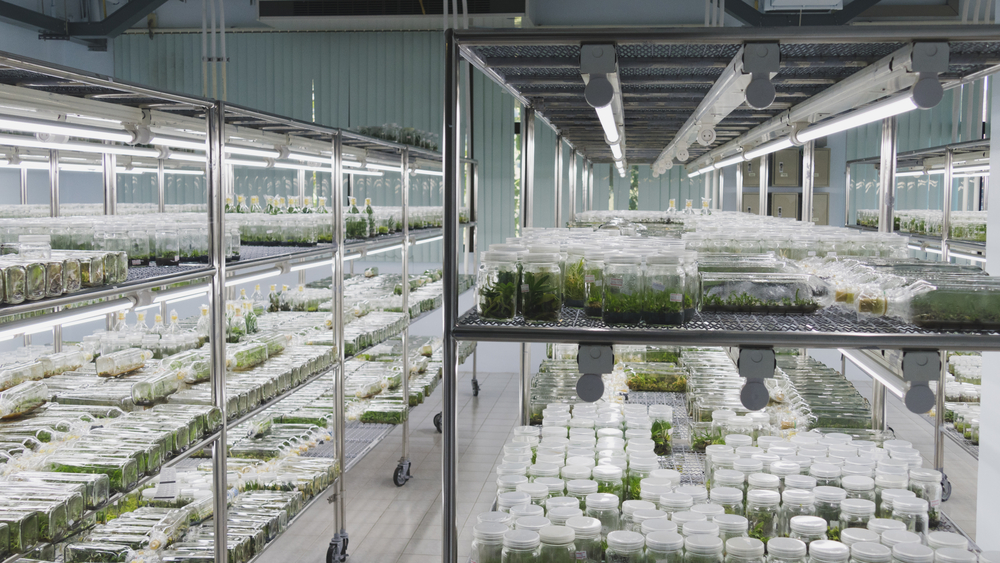
When scientists finally held the ancient fruits of Silene stenophylla in their hands, the obvious question emerged. How do you awaken life that has slept for thirty thousand years. Traditional seed germination would not work because the seeds themselves had deteriorated with time. Instead the researchers turned to a technique that reveals something powerful about life itself. Even the smallest fragment of living tissue can carry the instructions needed to rebuild an entire organism. Through a method known as plant tissue culture, botanists can regenerate plants from microscopic pieces of cells if those cells remain viable. This approach allowed the team to focus on tiny portions of placental tissue found inside the immature fruits, areas where cells continue actively dividing and sometimes remain alive long after other parts of the seed break down.
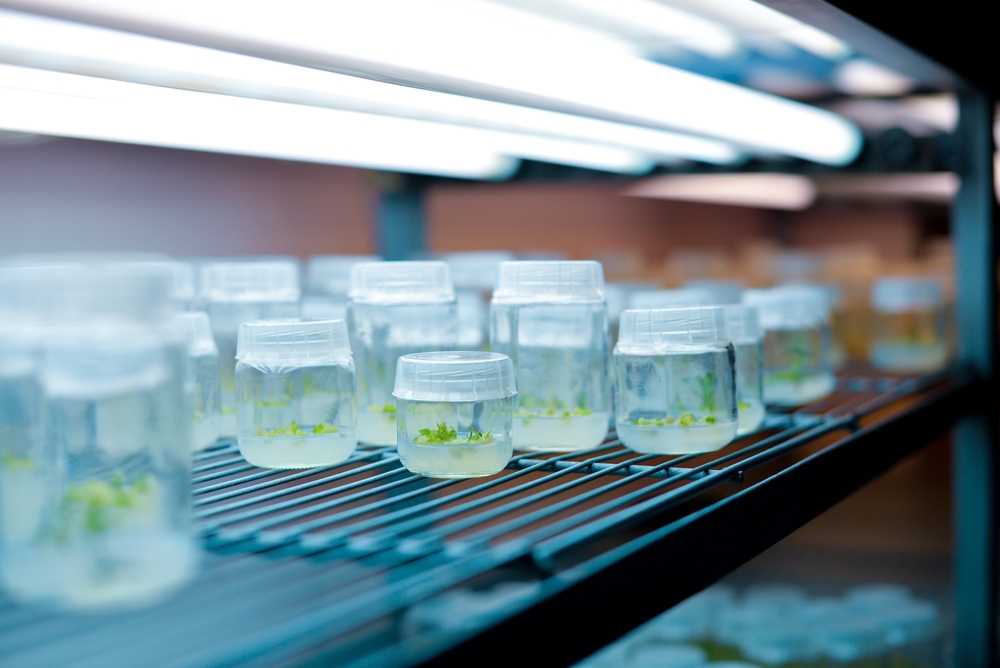
Inside sterile laboratory conditions the scientists carefully placed these microscopic samples into a nutrient rich growth medium. The environment was precisely designed with sugars, minerals, and plant hormones that encourage cells to divide and reorganize. Over time the ancient cells responded by forming what botanists call callus tissue, a cluster of undifferentiated plant cells capable of transforming into different plant structures. By gradually adjusting the hormonal balance of the culture medium the researchers encouraged the cells to begin developing roots and shoots. The process required patience and careful monitoring because cells that have survived for tens of thousands of years can be fragile, and their ability to reorganize into functioning plant organs is far from guaranteed.
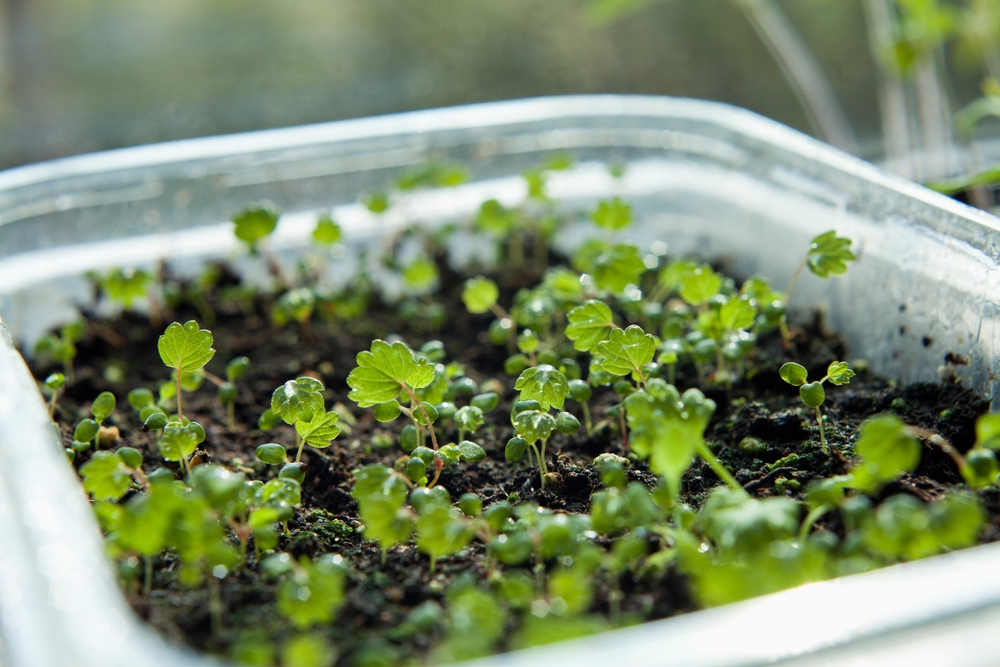
Eventually the regenerated shoots formed stable roots and began growing as young plants. Once they reached this stage the researchers transferred them from the laboratory environment into soil where they could continue developing under controlled greenhouse conditions. What had once been microscopic fragments of ancient tissue slowly transformed into living plants again, continuing a biological story that had been paused deep within Siberian permafrost for thousands of generations.
When Life Refuses to Expire
There are moments in science when a discovery does not simply answer a question but forces us to ask entirely new ones. When researchers successfully regenerated the Ice Age plant Silene stenophylla, the result immediately challenged what scientists thought they understood about the limits of biological survival. Before this experiment, the oldest plant grown from ancient material had been a Judean date palm seed about two thousand years old that researchers germinated while studying historical agriculture in the Middle East. The Siberian plant extended that record by tens of thousands of years, suggesting that living plant tissues may remain viable far longer than previously believed when protected by stable environmental conditions. Studies of seed longevity have long shown that extremely low temperatures slow the chemical processes that gradually damage DNA and cellular structures, which means that tissues shielded from oxygen, moisture, and microbial activity can persist for extraordinary periods of time.
Even so, the scientific community approached the finding with thoughtful caution. Extraordinary discoveries require careful verification, and researchers emphasized that such longevity must be confirmed through repeated experiments and independent analysis. Botanist Peter Raven, president emeritus of the Missouri Botanical Garden, expressed this balanced perspective when discussing the research. As quoted in National Geographic, “I can’t see any intrinsic fault in the article… Though it’s such an extraordinary report that of course you’d want to repeat it.” His response reflects a core principle of science itself. When evidence pushes beyond established biological limits, the next step is not disbelief but careful testing, because each replication brings us closer to understanding just how resilient life can truly be.
A Conversation Across Thirty Thousand Years
When the revived plants of Silene stenophylla finally matured and began to flower, scientists were presented with a rare opportunity that almost never occurs in evolutionary research. The same species that had once grown across the Ice Age landscape of Siberia still exists today in parts of the region, which meant researchers could study the ancient specimens alongside modern plants of the same species. Instead of relying only on fossils or fragments preserved in sediment, they could observe living organisms separated by tens of thousands of years and compare their physical traits under controlled conditions.
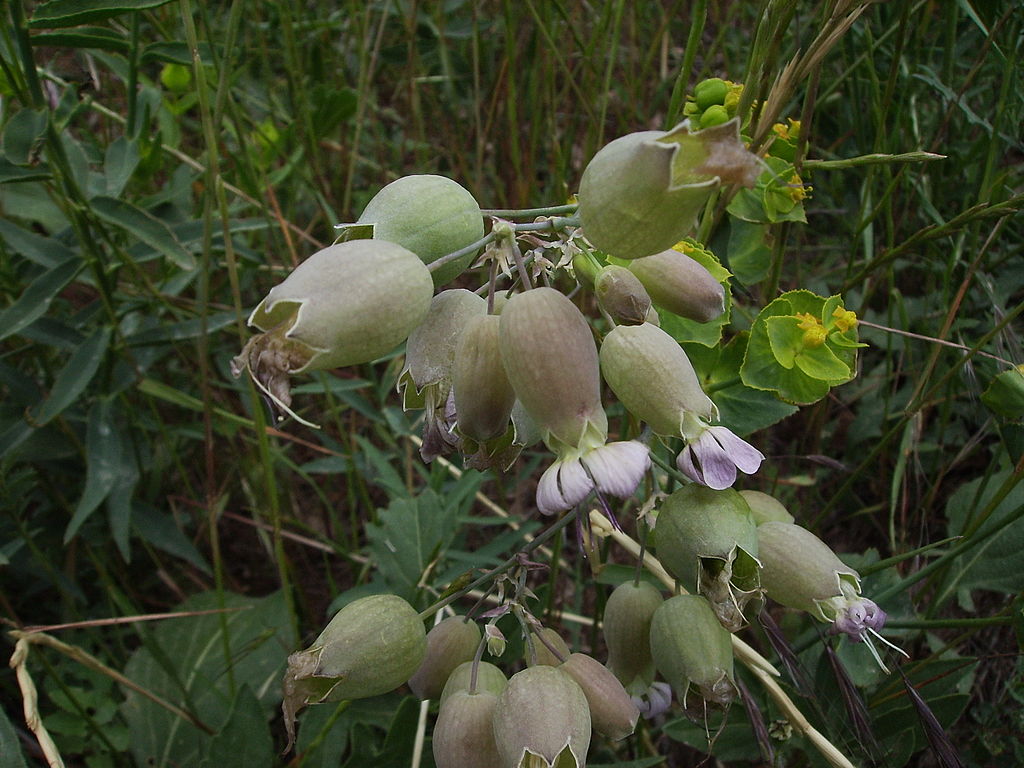
The results revealed something both reassuring and fascinating. The regenerated plants were healthy and capable of normal reproduction, yet careful observation showed subtle differences in their flowers when compared with modern populations grown from contemporary seeds. Researchers noted that the ancient plants were “identical to each other but with different flower shapes from modern S. stenophylla.” These differences offer scientists an unusual biological reference point, allowing them to see how certain traits may have shifted gradually across immense stretches of time while the species itself remained recognizable.
Comparisons like this help researchers explore how Arctic plants respond to environmental change across long climatic cycles. Even small differences in flower structure can reflect deeper ecological pressures such as temperature patterns, soil conditions, or relationships with pollinating insects. By examining the revived Ice Age plants beside their modern relatives, scientists were not simply studying a botanical curiosity. They were witnessing a living comparison between two chapters of the same species separated by thirty thousand years of planetary change.
The Patience of the Earth
The frozen ground of Siberia holds more than ice and soil. It preserves fragments of ancient ecosystems that existed long before human history began. Within layers of permafrost lie seeds, plant tissues, and traces of life that once thrived during the Ice Age when vast grasslands covered northern Eurasia. The revival of Silene stenophylla shows that these frozen landscapes are not only geological records but also biological archives capable of protecting living material across immense spans of time.
For researchers, discoveries like this reveal how the natural world quietly stores its own history. Stable environments such as permafrost can preserve organic material with remarkable integrity, allowing scientists to examine pollen, plant fragments, and DNA that help reconstruct past climates and ecosystems. Each preserved specimen becomes a clue that helps scientists understand how plants and environments responded to the dramatic shifts that shaped the Arctic thousands of years ago.
Seen this way, the revived plant represents more than an unusual scientific result. It reminds us that the Earth has been recording its story long before humans began studying it. The frozen ground simply held that story patiently until curiosity and science were ready to uncover it.
A Life That Waited
The revival of Silene stenophylla is more than a scientific milestone. It shows that life can endure quietly beneath the surface of the Earth, waiting through thousands of years of climate shifts, changing landscapes, and the rise of human civilization. What scientists uncovered in Siberian permafrost was not simply an ancient plant but evidence that the living world can persist in ways that stretch far beyond the timelines we usually imagine.
In bringing this Ice Age plant back into bloom, researchers revealed a deeper truth about the natural world. The planet holds stories that began long before us and will continue long after us, preserved in ice, soil, and living cells. Sometimes all it takes is curiosity and patience to uncover them.
Featured Image from Shutterstock