


The Billionaire Behind Fortnite Is Spending Millions to Protect Forests Instead of Building on Them
In a world where billionaires are often associated with luxury yachts, private islands, and ambitious space travel, one tech entrepreneur has taken a dramatically different path that has quietly caught the attention of millions. Instead of building higher, faster, or flashier, he is choosing to preserve something ancient, fragile, and increasingly rare in the modern world, even as pressure to develop land continues to grow.
At first glance, the story sounds almost unbelievable, like something exaggerated for social media. The man behind one of the most successful video games in history is quietly purchasing vast stretches of forest land across the United States. Not to develop them, not to flip them for profit, and not to turn them into exclusive retreats, but to protect them from change and ensure they remain as they are.
As more people uncover the details behind these purchases, curiosity has quickly turned into admiration and even inspiration. Because the reason behind this mission is not just surprising on the surface, it carries a deeper message about responsibility, legacy, and the future of the planet in a time of growing environmental concern.

A Billion-Dollar Game and an Unexpected Legacy
Fortnite became more than just a game over the years. It evolved into a global cultural phenomenon that reshaped online entertainment, bringing together millions of players across different platforms and age groups, and influencing how people socialize digitally. Behind that success is Tim Sweeney, the founder and CEO of Epic Games, who turned a gaming company into one of the most influential forces in modern digital culture.
While many expected that level of success to translate into visible displays of wealth and status, Sweeney has largely remained private and understated in both his lifestyle and public presence. According to reports highlighted by Newsweek, his spending habits reveal something far removed from the stereotypical tech billionaire narrative that dominates headlines and social media discussions.
Instead of pouring money into luxury assets or high-profile investments, he has directed millions toward purchasing undeveloped land, particularly in North Carolina, where natural landscapes are increasingly under threat. These purchases were not widely publicized at first, which made their discovery even more intriguing to the public.
This has raised a pressing and fascinating question for many observers. Why would someone invest so heavily in land they have no intention of developing or monetizing in the traditional sense, especially when such opportunities could generate enormous financial returns?
The Truth Behind the Viral Claim
Viral posts circulating online have claimed that the creator of Fortnite has been buying up forests across America on a massive scale and refusing to let anyone access them. While the core idea contains elements of truth, fact-checking organizations like Poynter clarify that the reality is far more nuanced and grounded in conservation principles rather than control.
Sweeney has indeed purchased thousands of acres of forest land, particularly in North Carolina, where development pressures have steadily increased over the years due to population growth and economic expansion. However, the intent behind these purchases is not to restrict people arbitrarily or hoard land for exclusivity or personal control.
Instead, the focus is on long-term conservation and environmental protection that extends far beyond individual ownership. Many of these lands are placed under conservation easements or transferred to environmental groups and trusts, ensuring they remain protected for generations to come without risk of future development.
This distinction is crucial because it shifts the narrative from secrecy or control to stewardship and responsibility. What might initially seem like a private accumulation of land is, in reality, a deliberate effort to safeguard ecosystems from irreversible change and preserve their natural state.
Protecting What Cannot Be Replaced
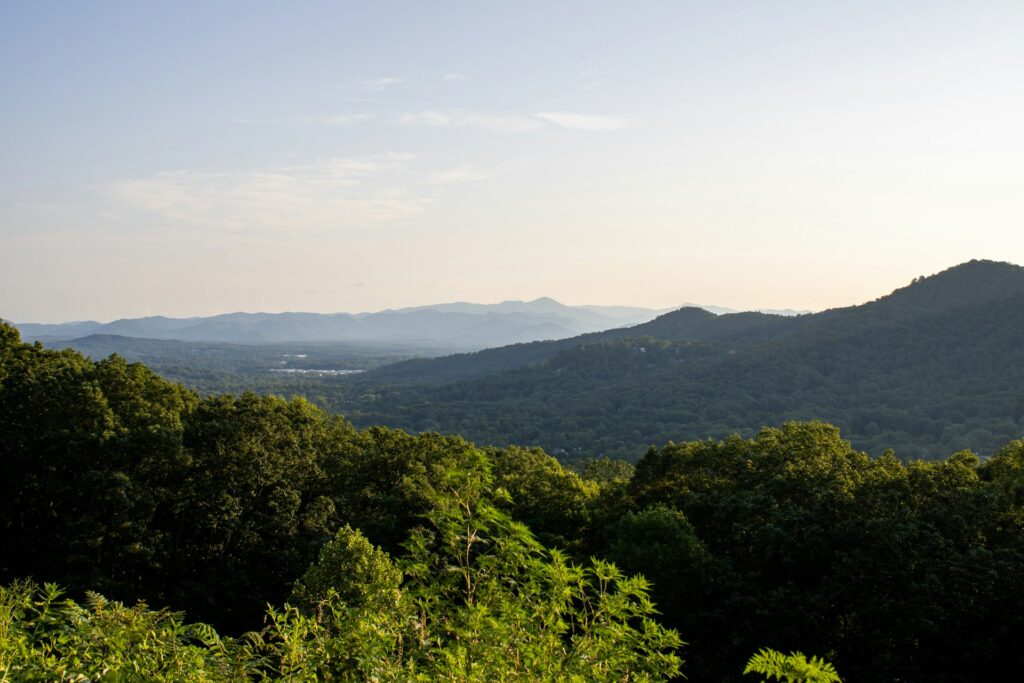
The forests Sweeney is helping to preserve are not just random stretches of trees or undeveloped land waiting for future use. They are complex ecosystems that support biodiversity, regulate climate patterns, and provide essential resources like clean air and water that communities depend on.
North Carolina, in particular, is home to unique habitats that are increasingly under threat from urban expansion, logging, and industrial activity. As cities expand and land values rise, forests are often among the first areas to be cleared, making conservation efforts even more urgent and necessary.
By purchasing these lands, Sweeney is effectively removing them from the cycle of development that has transformed so much of the natural landscape in recent decades. This ensures that wildlife habitats remain intact and that these ecosystems can continue to function without disruption or fragmentation.
His conservation efforts include protecting areas rich in ecological value, including wetlands and forest corridors that play a critical role in maintaining environmental balance. These are not impulsive purchases but carefully considered decisions aimed at creating long-term ecological impact.
Why Refusing Development Matters
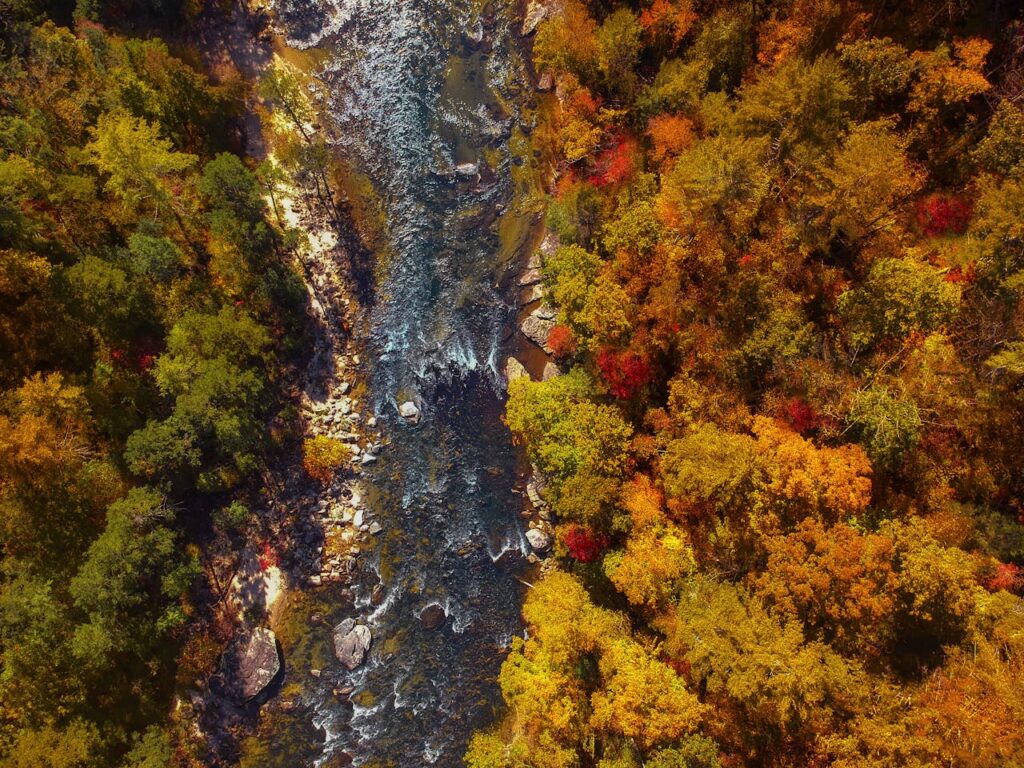
At first, the idea of refusing to develop land might seem counterintuitive, especially in a world where land ownership is often linked to financial growth and economic opportunity. However, in this case, the refusal to develop is the very essence of the mission and the reason behind these purchases.
Development often brings irreversible changes that extend far beyond the immediate area. Forests are cleared, wildlife is displaced, and ecosystems are altered in ways that cannot easily be restored, even with conservation efforts later on, making prevention far more effective than repair.
By choosing not to develop, Sweeney is making a broader statement about how value is defined in modern society and what should be prioritized. Not everything needs to be monetized or transformed to be considered useful or important in the long run.
This approach challenges a deeply ingrained mindset that equates progress with construction and expansion. It invites people to rethink what sustainable development truly means and whether preservation can sometimes be the most valuable and responsible choice.
A Quiet Approach to Environmental Activism
Unlike many public figures who champion environmental causes through large campaigns or visible activism, Sweeney’s approach is notably quiet and understated. There are no major announcements, no branding efforts, and no attempt to turn these actions into a public relations strategy or media narrative.
This subtlety has played a major role in why the story feels so compelling to people who discover it. It was not designed to go viral, which makes its organic spread feel more genuine and impactful compared to highly curated campaigns.
According to Newsweek, much of the awareness surrounding his land purchases has come from individuals uncovering property records and conservation reports. This slow discovery process has added to the sense of authenticity and intrigue.
It also highlights an important and often overlooked point. Meaningful impact does not always require visibility or recognition, and sometimes the most significant contributions happen quietly, without any expectation of attention or praise.
The Bigger Picture of Private Conservation
Sweeney’s actions are part of a broader and growing trend where private individuals play an active role in environmental conservation. While governments and large organizations are still essential, private landowners can have a powerful and immediate impact when they choose preservation.
There are several ways this type of conservation creates meaningful change across different levels of the environment and society, influencing both local ecosystems and broader climate outcomes:
- Habitat preservation: Protecting land ensures that plant and animal species have stable environments where they can survive and thrive without disruption or habitat loss.
- Climate regulation: Forests act as natural carbon sinks, absorbing carbon dioxide and helping reduce the overall impact of climate change over time.
- Water protection: Natural landscapes play a key role in filtering and regulating water systems, contributing to cleaner and more sustainable water sources.
- Public benefit: In many cases, conserved lands are eventually used for education, research, or responsible recreation that benefits communities and future generations.
However, private conservation also raises important questions about accessibility, long-term control, and how these efforts integrate with public policies. These discussions continue to evolve as more individuals take similar initiatives.
What This Means for the Future
As climate concerns continue to grow and environmental challenges become more visible, stories like this resonate on a deeper level with people around the world. They offer an alternative perspective on how wealth and influence can be used responsibly.
Sweeney’s approach demonstrates that environmental responsibility does not have to be limited to activism or policy changes. It can also take the form of direct, tangible action that creates immediate and lasting impact on ecosystems.
If more individuals with significant resources chose to invest in preservation rather than development, the cumulative effect could be substantial over time. While it may not solve every environmental issue, it represents a meaningful contribution that complements broader efforts.
At the same time, it raises important questions about scalability, fairness, and collaboration with public efforts. These are conversations that will likely shape the future of conservation strategies and environmental responsibility.
Featured Image Credit: Photo by Dmitriy Prayzel | Shutterstock
Sources
- Gordon, B. (2025, May 5). Epic Games’ Tim Sweeney has shifted his NC land buying approach — and shares how. Raleigh News & Observer. https://www.newsobserver.com/news/business/article305075426.html
- Brockerhoff, E. G., Barbaro, L., Castagneyrol, B., Forrester, D. I., Gardiner, B., González-Olabarria, J. R., Lyver, P. O., Meurisse, N., Oxbrough, A., Taki, H., Thompson, I. D., Van Der Plas, F., & Jactel, H. (2017). Forest biodiversity, ecosystem functioning and the provision of ecosystem services. Biodiversity and Conservation, 26(13), 3005–3035. https://doi.org/10.1007/s10531-017-1453-2