

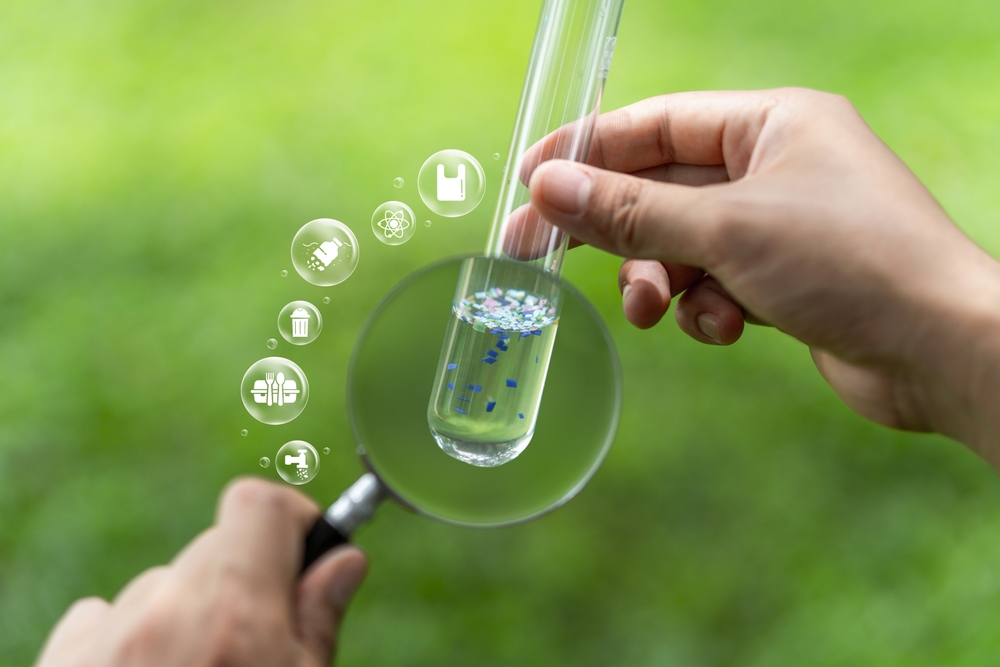
18-Year-Old Develops Breakthrough Solution to Clean Microplastics From Drinking Water
The idea that a teenager could tackle one of the world’s most pressing environmental challenges might sound like a headline designed to inspire rather than inform. Yet this is exactly what has happened. An 18-year-old high school student has developed a water filtration method capable of removing up to 95.5 percent of microplastics from drinking water, a breakthrough that is already sparking global attention and conversation across scientific communities.
At a time when microplastics have been detected in everything from bottled water to human bloodstreams, the urgency of finding practical solutions has never been greater. Scientists have been studying the long-term effects of these particles for years, but scalable and affordable solutions have remained elusive, leaving everyday people exposed without realizing it.
What makes this story so compelling is not just the innovation itself, but the person behind it. Armed with curiosity, determination, and a desire to make a difference, this young inventor has managed to do what many research teams have struggled with, creating a solution that is both effective and accessible while still being remarkably simple.
The Growing Crisis of Microplastics
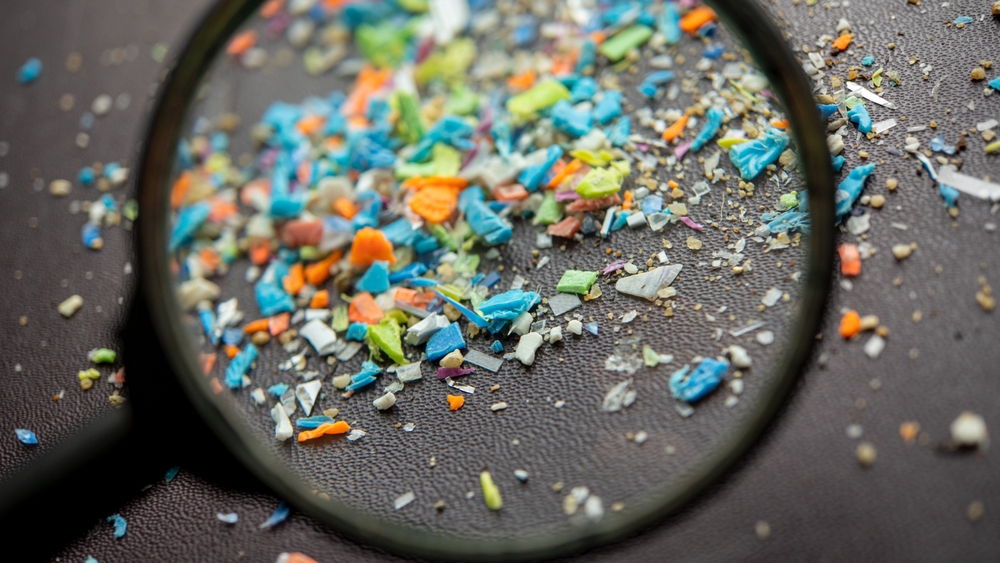
Microplastics are tiny plastic particles that measure less than five millimeters in size. They originate from a variety of sources including degraded plastic waste, synthetic clothing fibers, and even personal care products. Over time, these particles find their way into oceans, rivers, and eventually drinking water supplies, making them nearly impossible to avoid.
According to research cited by multiple environmental studies, microplastics have been found in nearly every corner of the planet. From the deepest ocean trenches to the air we breathe, their presence has become nearly unavoidable. This widespread contamination has raised serious concerns among scientists and health experts who warn about long-term exposure.
The potential health impacts of microplastics are still being studied, but early findings suggest they may carry harmful chemicals and toxins. Some researchers believe these particles could contribute to inflammation, hormone disruption, and other long-term health risks when ingested over time, especially with repeated exposure.
Despite growing awareness, solutions have lagged behind the scale of the problem. Traditional filtration systems often struggle to effectively remove the smallest particles, especially in a way that is affordable for everyday use. This gap has left millions of people exposed to contaminated water without an easy fix.
A Breakthrough Born in a Classroom
The story behind this invention begins not in a high-tech laboratory, but in a classroom setting. The student, driven by curiosity about environmental issues, began exploring how microplastics could be removed from water using simple materials that could be easily sourced and tested without expensive equipment.
Through experimentation and persistence, the student developed a filtration method that combines readily available materials with innovative design. The goal was not just effectiveness, but also affordability and scalability, ensuring that the solution could be used by communities around the world regardless of resources or infrastructure.
According to reports from The Brighter Side, the filter works by attracting and capturing microplastic particles through a combination of chemical and physical processes. This dual approach significantly increases its efficiency compared to conventional filters that rely on a single method, making it far more reliable.
What sets this invention apart is its accessibility. Unlike many advanced filtration systems that require expensive infrastructure, this design can be produced at a relatively low cost, making it a viable option for widespread adoption in both developed and developing regions where clean water is a growing concern.

How the Filter Works
At its core, the filter relies on a process that targets microplastics at a microscopic level. By using materials that interact with plastic particles, the system effectively pulls them out of the water as it passes through, reducing contamination significantly and improving water quality.
The design incorporates layers that serve different purposes. Some layers trap larger particles, while others are engineered to capture smaller microplastics that are often missed by standard filters. This layered approach ensures a higher level of purification and consistency across different water sources.
One of the key innovations is the use of a binding mechanism that attracts plastic particles. This allows the filter to remove even the smallest contaminants, achieving an efficiency rate of up to 95.5 percent, which is remarkably high for such a simple and cost-effective system.
Experts have noted that this level of effectiveness is particularly impressive given the simplicity of the design. It demonstrates that impactful solutions do not always require complex or expensive technology, but rather thoughtful engineering, creativity, and a clear understanding of the problem.
Recognition and Scientific Interest
The invention has not gone unnoticed. It has garnered attention from scientists, environmental organizations, and media outlets around the world. Coverage from sources such as Smithsonian Magazine highlights the significance of the breakthrough and its potential long-term impact.
Researchers have expressed interest in further testing and refining the technology. While initial results are promising, additional studies could help optimize the filter and explore its potential applications on a larger scale in real-world environments and diverse conditions.
The student’s work has also sparked conversations about the role of young innovators in addressing global challenges. It serves as a reminder that fresh perspectives can lead to unexpected breakthroughs and inspire new directions in scientific research.
Recognition has also come in the form of awards and opportunities for further research. These acknowledgments not only validate the invention but also open doors for future development, partnerships, and broader implementation across industries.
Why This Matters for the Future
The implications of this invention extend far beyond a single project. Access to clean drinking water is a fundamental human need, yet millions of people around the world still face contamination issues that affect their health, safety, and overall quality of life.
A low-cost, highly effective microplastic filter could transform water purification systems, particularly in regions where resources are limited. It could also complement existing technologies, enhancing their ability to remove harmful particles more efficiently and consistently.
In addition to its practical benefits, the invention raises awareness about the microplastics crisis. It highlights the importance of addressing pollution at its source while also developing solutions to mitigate its impact in the short term and protect communities.
Perhaps most importantly, it inspires hope. It shows that meaningful change can come from unexpected places and that individuals, regardless of age, have the power to make a difference when given the opportunity and support.
A Small Idea With Global Impact
This story is more than just a feel-good headline. It is a glimpse into what is possible when determination meets creativity. The development of a filter capable of removing 95.5 percent of microplastics is a significant step forward in the fight against pollution and water contamination.
While there is still work to be done, this invention offers a promising path forward. It encourages further research, inspires future innovators, and provides a practical solution to a growing problem that affects people worldwide on a daily basis.
As the world continues to grapple with environmental challenges, stories like this remind us that progress is within reach. Sometimes, all it takes is one idea, one person, and the courage to pursue it with purpose, persistence, and vision.
Featured Image Credit: Photo by dee karen | Shutterstock
References
- Ibrahim, N., Rahman, A. M. N. a. A., Shafiq, M. D., Lockman, Z., Jaafar, M., & Kameda, Y. (2025). Microplastic pollution: sources, degradation mechanisms, analytical advances, and mitigation strategies for environmental sustainability. Reviews of Environmental Contamination and Toxicology, 263(1). https://doi.org/10.1007/s44169-025-00098-0
- Thompson, R. C., Courtene-Jones, W., Boucher, J., Pahl, S., Raubenheimer, K., & Koelmans, A. A. (2024). Twenty years of microplastic pollution research—what have we learned? Science, 386(6720), eadl2746. https://doi.org/10.1126/science.adl2746