

A Virus From Shrimp Just Infected Humans for the First Time and It’s Stealing Their Eyesight
Something strange started happening in China a few years ago. People began showing up at eye clinics with dangerously high pressure inside their eyes, severe inflammation, and symptoms that looked a lot like glaucoma. Doctors ran tests for all the usual suspects. Herpes came back negative. Shingles came back negative. Every common eye virus they screened for returned the same result. Nothing.
Yet patients kept arriving, and their numbers kept climbing. Whatever was behind this condition had no name, no known origin, and no obvious explanation. It would take years of detective work, microscopes powerful enough to see particles smaller than a fraction of a human hair, and one deeply unsettling discovery to crack the case. What researchers eventually found didn’t come from a hospital or a lab. It came from the ocean.
A Virus That Was Never Supposed to Infect Humans
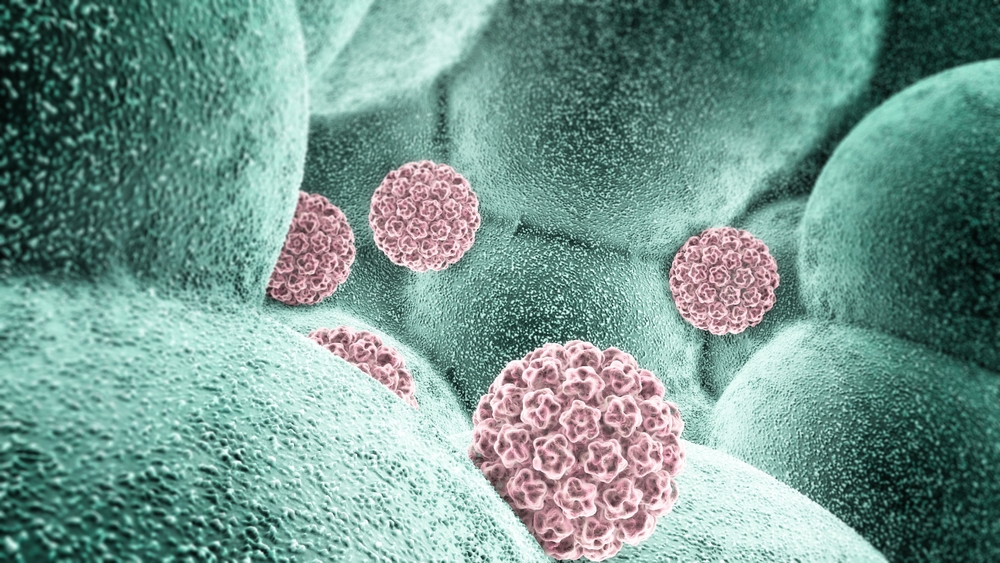
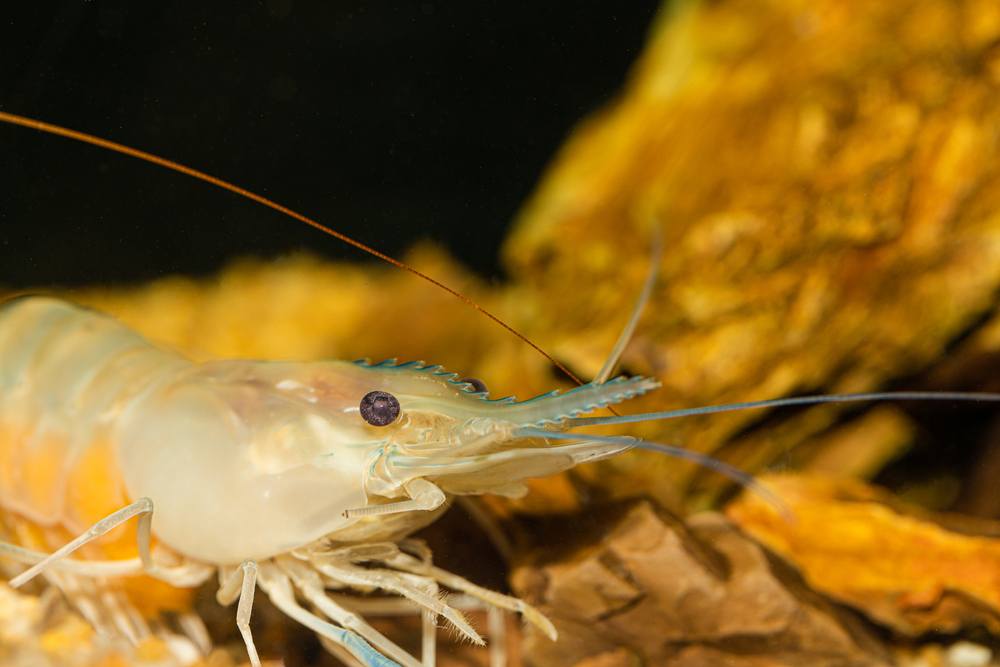
Covert mortality nodavirus, known as CMNV, has lived quietly in marine life for years. Shrimp, fish, crabs, sea cucumbers, and barnacles all carry it. In aquatic animals, it causes lethargy and a loss of color. It was considered a problem for fisheries and aquaculture, not for people. No virus originating from aquatic animals had ever crossed into humans and directly caused disease. CMNV became the first.
Edward Holmes, a researcher at the University of Sydney, Australia, put the discovery in perspective. “That this virus can infect invertebrates, fish and mammals is pretty remarkable,” Holmes said. “I can’t think of a virus with such a broad host range.” A virus leaping from shrimp to people sounds like something out of a movie. But for 70 patients in China, it became very real.
How Scientists Cracked the Case
Researchers at the Chinese Academy of Fishery Sciences in Qingdao recruited 70 people diagnosed with persistent ocular hypertension viral anterior uveitis, or POH-VAU, between January 2022 and April 2025. Every single one tested positive for CMNV.
Earlier investigations had spotted mysterious virus particles in eye tissue removed during surgery. Using electron microscopes, the team confirmed particles roughly 25 nanometers in size, far too small to see with the naked eye. A specialized gold-labeled antibody test locked onto the particles and identified them as CMNV. Genetic sequencing sealed the case, revealing a 98.96% match to the version of the virus found in aquatic animals. Healthy volunteers in the control group showed no sign of the virus.
Writing in Nature Microbiology, the research team stated plainly what their findings meant. “This study reveals that an aquatic animal virus is associated with an emerging human disease,” they wrote.
Raw Seafood and Bare Hands Told the Story
Once researchers confirmed what was causing the disease, they needed to figure out how people were catching it. Interviews with the 70 patients painted a clear picture.
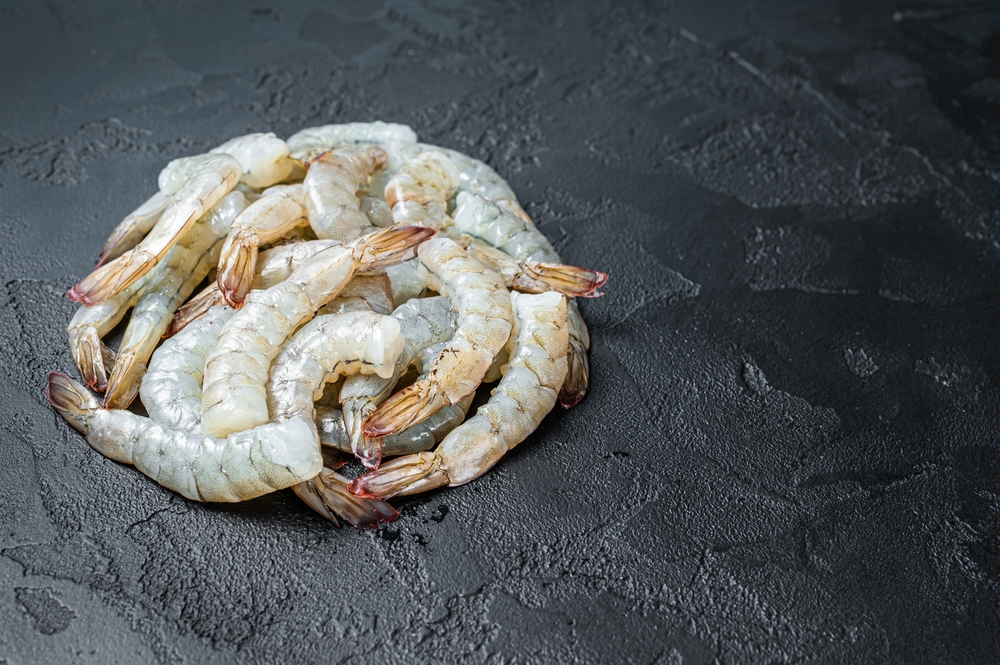
Nearly three-quarters of them had either handled raw seafood without gloves or eaten raw aquatic animals. More than half worked as home-based aquatic animal handlers, processing seafood with their bare hands regularly. Around 16 percent were either consuming raw aquatic products or spending time in close contact with people who handled seafood.
Statistical models confirmed what the interviews suggested. Exposure frequency, the number of severe exposures, and overall exposure severity all increased a person’s risk of developing POH-VAU. People who handled raw seafood often and without protection faced the highest odds.
What CMNV Does to Human Eyes
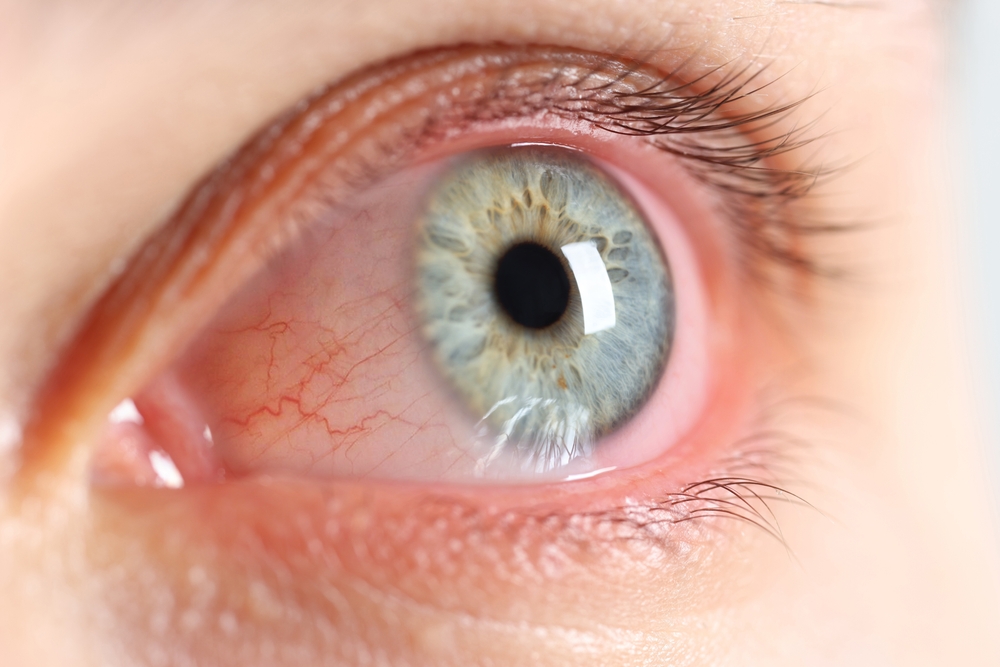
In aquatic animals, CMNV is a nuisance. In humans, it attacks the eyes. POH-VAU creates dangerously high pressure inside the eye and triggers inflammation that mimics glaucoma. Left unchecked, chronically elevated eye pressure damages the optic nerve, and that damage cannot be undone.
Doctors treated patients with medication to bring down swelling, but medicine alone wasn’t enough for everyone. Roughly one-third of the 70 patients still needed surgery. One person lost their vision permanently. For a virus that nobody expected to infect humans in the first place, CMNV proved capable of causing serious, lasting harm.
Can It Spread Between People?
No one has proven that CMNV passes directly from person to person. But the data hints at something uncomfortable. Among the 70 patients studied, researchers identified a distinct subgroup of urban residents who developed POH-VAU without any contact with aquatic animals at all. They didn’t handle seafood. They didn’t eat it raw. Their only common thread was close contact with family members who did handle seafood and who had hand injuries at the time.
Researchers believe the virus may spread within households through shared utensils or routine close contact. It’s not proof, but it’s a pattern worth watching.
Hiding in 49 Species Across Every Continent
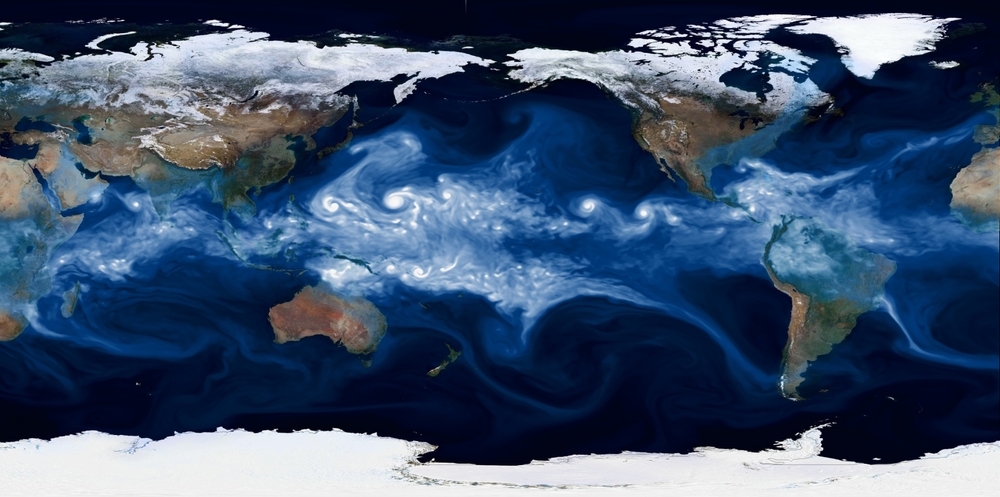
If CMNV were limited to a handful of species in one part of China, the story might end with a regional health advisory. It doesn’t. Researchers analyzed 523 farmed and wild aquatic animals collected from Asia, North and South America, Europe, Antarctica, and Africa. CMNV turned up in 49 different species, including prawns, crabs, fish, sea cucumbers, and barnacles. A virus once considered a local aquaculture problem is, in reality, a global resident.
Holmes believes the picture is far from complete. “I think it’s very likely that the virus will be present in other species that we’ve not yet sampled,” he said. “It’s not an epidemic.”
His words carry both reassurance and a warning. CMNV may not be spreading rapidly between humans right now, but its footprint in the ocean is enormous, and we’ve barely begun looking.
Warming Waters May Be Making Things Worse
Climate plays a role in how CMNV moves through marine ecosystems. Farmed shrimp are often fed frozen brine shrimp or Antarctic krill, and researchers found that this common aquaculture practice can introduce the virus into previously uninfected populations.
When scientists exposed marine animals to CMNV in warmer water, infections worsened. Antarctic species may carry the virus without ever getting sick, acting as silent reservoirs that seed the pathogen into warmer environments through the global seafood supply chain.
Rising ocean temperatures could accelerate that cycle. As water warms, the virus appears to become more aggressive in its hosts, and the movement of feed products across continents gives it a ready-made highway to travel.
A New Biosecurity Risk That’s Just Getting Started
For now, confirmed human cases remain limited to a small group of people in China. CMNV is not spreading through cities or crossing borders in human hosts, at least not that anyone has documented.
But consider what we do know. A virus that lives exclusively in marine animals has crossed into humans. It attacks the eyes with enough force to require surgery and, in at least one case, has caused permanent vision loss. It exists in 49 species on every continent, including Antarctica. Mice can pass it through shared water. And a subgroup of human patients caught it without ever touching seafood.
Researchers have flagged CMNV as a new biosecurity risk, and their caution makes sense. We are still in the earliest pages of understanding how this virus behaves in mammals, how it spreads, and how far it has already traveled. What started as a mystery in Chinese eye clinics has turned into a question the rest of the world will need to answer. Nobody expected a virus from shrimp to threaten human eyesight. And that may be exactly the problem. We weren’t looking.
Source:
- Liu, S., Hu, D., Xu, T., Yin, J., Shan, X., Xia, J., Wang, Z., Xu, R., Wang, C., Anderson, D. E., Wu, P., Bu, Q., Liu, X., Liu, Y., Tan, W., Wang, T., Zhao, C., Zhu, H., Wang, L., . . . Zhang, Q. (2026). An emerging human eye disease is associated with aquatic virus zoonotic infection. Nature Microbiology, 11(4), 892–906. https://doi.org/10.1038/s41564-026-02266-x