

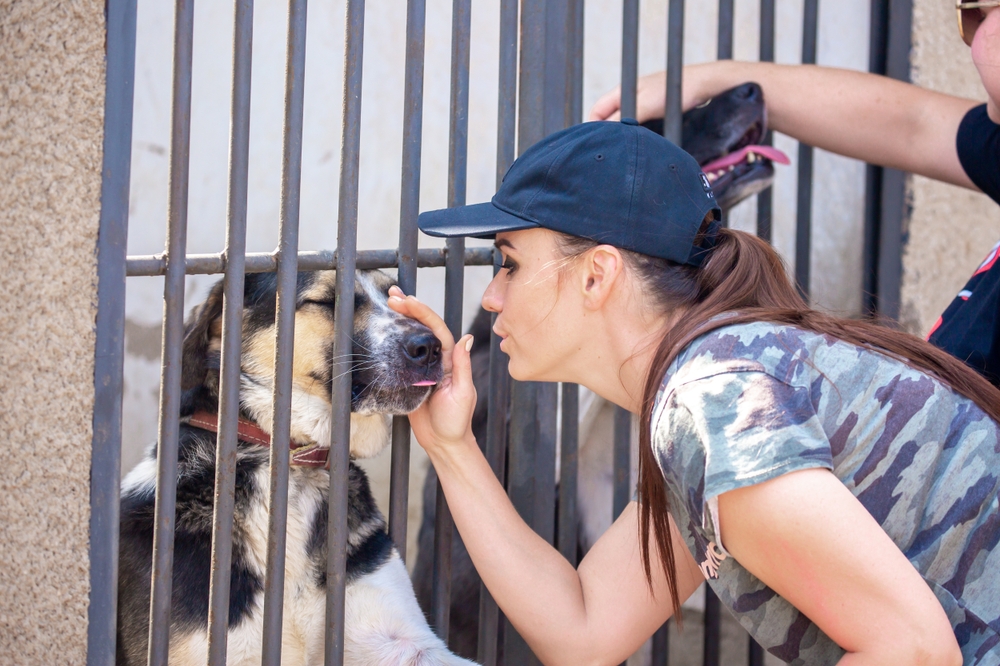
Oklahoma Woman Breaks Into Shelter in Last-Minute Attempt to Save Her Dog From Euthanasia
The bond between humans and their pets is not something that can be easily explained or reduced to a few simple words. For many people, a dog is not just an animal that shares their home but a constant emotional presence that becomes part of their identity, their routine, and their sense of comfort. Pets are there during quiet mornings, stressful days, and lonely nights, offering a kind of companionship that does not require explanation. That is why stories involving animals often hit on a deeper emotional level, because they are not just about events but about relationships that feel as real and meaningful as any human connection.
In Oklahoma City, one woman’s decision to break into an animal shelter to take her dog back just hours before it was scheduled to be euthanized has sparked strong reactions across the internet and beyond. Some people see her actions as reckless and dangerous, while others view them as an understandable response to an unbearable situation. The story sits in a space where emotion and legality collide, forcing people to confront difficult questions about loyalty, responsibility, and how far someone should go when they believe they are about to lose someone they love.
Fury as lifesaving pet charity quits LA after City hits them with huge bill https://t.co/Uv1I6n8u8K pic.twitter.com/lmC1FEsnui
— California Post (@californiapost) April 11, 2026
A sudden realization that changed everything
For Toya Stewart, her pit bull Hazel was not just a pet that existed on the sidelines of her life but a central figure in her daily world, someone she cared for and connected with on a deeply personal level. When a judge ruled that Hazel should be euthanized because of aggression, the decision did not just feel like a legal outcome but like a deeply personal loss that was being enforced without room for emotional consideration. The ruling carried weight, authority, and finality, but accepting it emotionally was a completely different matter.
“I went to sleep that night and then it just popped into my head,” Stewart said. “I needed to appeal this. They cannot kill her yet and I have a chance to fight back.”
That moment did not come from careful planning or a long discussion but from a sudden wave of urgency that made everything feel immediate and pressing. The idea that there might still be time, even if it was only a small window, shifted her mindset from acceptance to action. It was no longer about processing what was happening but about trying to interrupt it, even if the path forward was uncertain and carried serious risks.
A pet owner has reportedly learned that her dog who was believed to have been euthanized in Maryland is alive and up for adoption.
— UnfilteredAmerica (@NahBabyNahNah) June 6, 2024
Kristie Pereira adopted her dog, Beau, in December 2022 and sadly had to "put him down" due to medical complications,… https://t.co/DHy49Iy0GA pic.twitter.com/hVq5BBwYyo
The break-in that shocked authorities
Police say Stewart acted on that impulse and broke into the Oklahoma City Animal Shelter, taking Hazel back just hours before the dog was scheduled to be euthanized. From the perspective of law enforcement, the situation was straightforward and defined by clear boundaries that had been crossed. The shelter was a secured facility, and Hazel was no longer legally considered Stewart’s property, which meant the act itself was treated as burglary and the removal of something that had already been placed under official control.
From Stewart’s point of view, however, the situation did not feel like a crime in the traditional sense but more like an act of urgency driven by fear and attachment. She believed that she was not stealing something but reclaiming someone who still had a chance, someone who deserved more time and a fair opportunity to have their case reconsidered. That difference in perspective highlights how the same action can be interpreted in completely different ways depending on whether it is viewed through a legal or emotional lens.
For a brief moment, her actions achieved what she had hoped for. Hazel was back home, back in a familiar environment, and back with the person who cared about her most. That temporary success, however, came with consequences that were already unfolding behind the scenes, making it clear that the situation was far from resolved.
A few extra days that meant everything
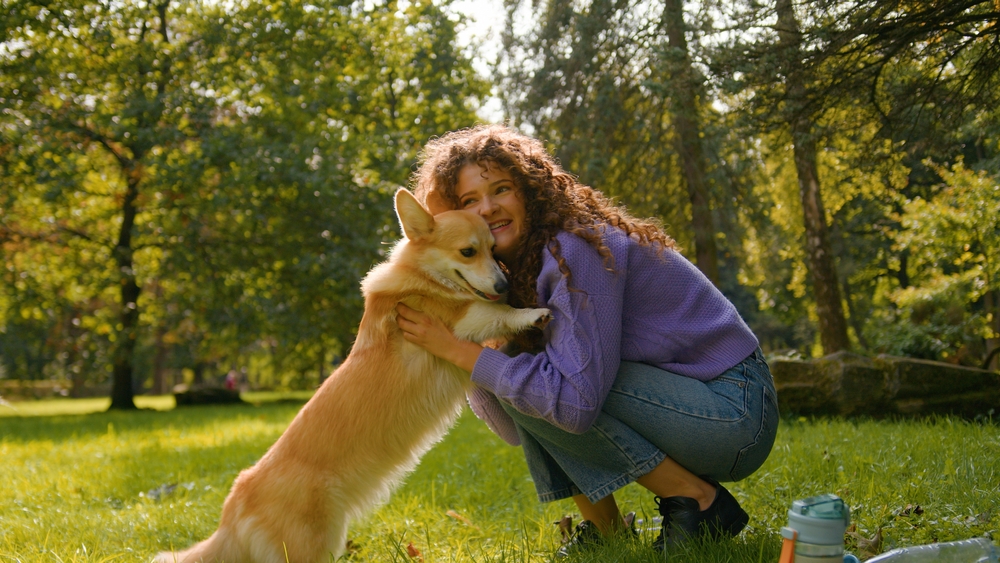
After being taken home from the shelter, Hazel lived another few days with Stewart, and those days carried a significance that is difficult to fully capture unless you have experienced something similar. When time becomes limited, every moment starts to feel heavier, more meaningful, and more emotionally charged, turning ordinary interactions into something that feels far more important than usual.
For many pet owners, the idea of having even one extra day can feel like a gift, a chance to hold on just a little longer and delay the moment that feels impossible to face. It is not always about changing the outcome but about having the space to process it, to sit with it, and to say goodbye in a way that feels more personal and less abrupt.
For Stewart, those days likely carried a mixture of relief, hope, and underlying anxiety, as the reality of the situation had not disappeared but was simply paused. The uncertainty of what would happen next lingered in the background, making it difficult to fully enjoy the time she had regained while also knowing that it might be temporary.

Arrest and the outcome she feared most
The situation escalated quickly after the break-in, as authorities moved to address what had happened and enforce the legal consequences of Stewart’s actions. Police located Stewart and her boyfriend and arrested them on complaints of burglary and concealing stolen property, emphasizing that the emotional motivation behind the act did not change the nature of the offense or the need for accountability within the legal system.
“They were booked on complaints of burglary and concealing stolen property once they decided to take that animal,” Oklahoma City Police Department PIO Dillon Quirk said.

At the same time, the process surrounding Hazel continued, and despite Stewart’s efforts to intervene, the outcome remained unchanged. The dog was euthanized, with officials acknowledging the emotional weight of the situation while also reinforcing that the decision had been made through legal channels and based on concerns about safety.
“I always feel for the owners of these dogs that have to be euthanized but again they did what they did and it was a dog deemed dangerous by the courts,” the superintendent of the OKC Animal Shelter said.
The final outcome left Stewart in a state of grief and confusion, struggling to reconcile what had happened with what she had hoped to achieve.
“I don’t want anything to come out of this,” Stewart said. “I just wanted her to live. If not with us here then with someone else. Now they have killed her and I don’t even know what to do.”
Another story raising difficult questions
In a separate situation that also drew widespread attention, another dog owner found herself facing a very different but equally emotional dilemma when dealing with her pet’s health. Kristie Pereira had adopted a young puppy named Beau, and within weeks, it became clear that something was seriously wrong, leading her to consult multiple veterinarians in an attempt to understand what was happening and whether anything could be done.

The information she received was overwhelming and uncertain, with professionals suggesting that the issue was likely neurological and that the cost of testing could be extremely high without any guarantee of a clear diagnosis or effective treatment. Faced with the possibility of significant financial strain and the likelihood that her dog was suffering, she found herself in a position where every option felt difficult and emotionally draining.
“Honestly, I mean, after I talked to them is really when I felt, you know, that I was going to be doing the right thing by putting him down,” Pereira said. “They really gave me that support and that encouragement that, although it’s hard, sometimes that’s the best thing to do.”
After spending nights watching her puppy struggle and weighing the advice she had been given, she made the decision that she believed was the most humane, even though it was one of the hardest choices she had ever faced.
A discovery no one expected
More than a year later, Pereira came across something that completely changed her understanding of what had happened, turning what she thought was a closed chapter into an ongoing and deeply emotional situation. While browsing a rescue website, she noticed a dog that looked strikingly familiar, and as she looked closer, she realized it was Beau, alive and listed for adoption under a different name.
“I have a lot of questions, but first and foremost, I want him back with me,” Pereira said.
Further investigation revealed that the dog had not been euthanized, as veterinarians had determined that treatment was possible. After undergoing surgery funded through donations, the dog recovered, but this outcome was never communicated to Pereira, leaving her unaware that her pet was still alive.
When she attempted to reconnect and get answers, the response she received only added to her distress and sense of loss.
“The person that called me was so rude and just disrespectful and just being really nasty towards me,” she said. “Just saying, you know, that I abandoned him, and that I left him to die. That I never cared about him.”
When systems and emotions collide
Both of these stories highlight the complicated relationship between emotional decision making and structured systems that are designed to operate based on rules, policies, and procedures. In Stewart’s case, acting outside the system resulted in immediate legal consequences, even though her actions were driven by attachment and urgency rather than malicious intent.
In Pereira’s situation, following guidance and relying on professional advice still led to an outcome that felt deeply unfair and emotionally unresolved. The lack of communication and the finality of decisions made by organizations created a situation where she was left without closure, even though the ending could have been very different.
These cases show how difficult it can be to navigate situations involving animals, where legal frameworks, financial realities, and medical uncertainties all intersect with strong emotional bonds. They also raise important questions about how systems can improve communication and ensure that people fully understand the consequences of their decisions before they are made.
Why stories like this resonate so widely
Stories involving pets often spread quickly because they tap into emotions that are widely shared and easily understood, regardless of background or personal experience. Many people see their animals as part of their family, and imagining losing them under complicated or distressing circumstances can create an immediate emotional response.
There is also a sense of moral complexity that keeps people engaged, as these situations do not present clear heroes or villains but instead exist in a gray area where multiple perspectives can feel valid at the same time. This encourages discussion, debate, and reflection, as people try to determine where they stand and what they might have done differently.
That combination of relatability and complexity is what makes stories like these so compelling, as they go beyond simple facts and invite readers to emotionally invest in the outcome.
A loss that does not simply fade away
After everything that happened, Stewart later adopted another dog, which marked a step forward but did not erase the emotional impact of what she had experienced. The bond she shared with Hazel remained unique, shaped by shared time, memories, and the intensity of the situation that ultimately brought it to an end.
For many pet owners, that kind of loss does not simply fade with time but instead becomes part of their emotional history, influencing how they think about relationships, responsibility, and attachment. The absence of a pet can be felt in small, everyday moments, making the loss both constant and deeply personal.
Even when new connections are formed, they do not replace what was lost but instead exist alongside it, creating a layered emotional experience that reflects both love and grief.