

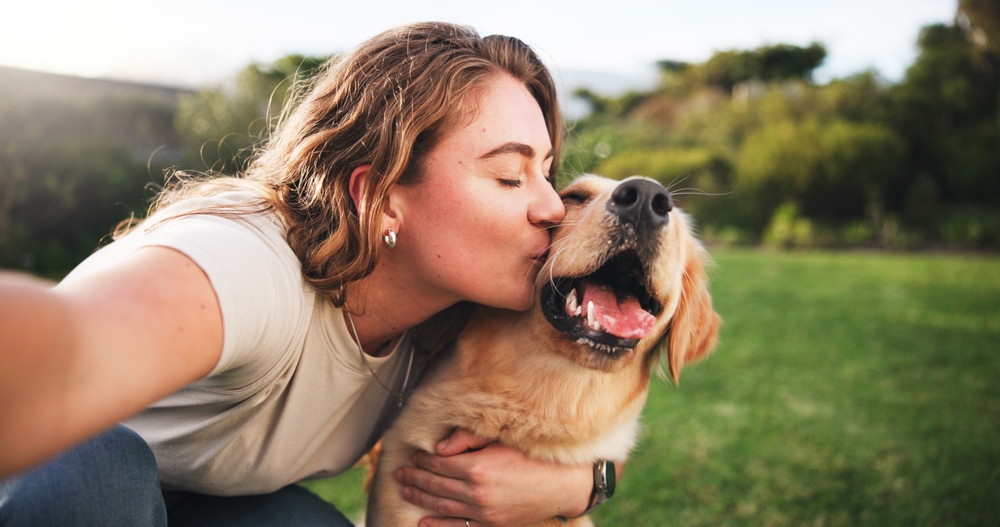
It is one of those quiet beliefs that dog owners have carried for years. The idea that their pets feel something deeper than simple excitement. That the wagging tail, the eager jumps, and the desperate rush to the door all mean more than just routine behavior.
Now, science may finally be catching up.
A recent study from researchers in Japan suggests something that feels almost too emotional to be true. Dogs might not only feel joy when they see their owners again, but they may actually produce tears in response to that feeling. For millions of dog lovers, it is a finding that feels both validating and deeply moving.
And while the internet has already embraced the idea with open arms, the full story behind the research is even more fascinating.
The Long-Standing Question About Dog Emotions
Dog owners have always described their pets in human terms. They talk about guilt when a shoe is chewed, pride when a command is followed, and affection that seems unconditional. While science has gradually acknowledged that dogs are emotionally intelligent, certain expressions, like crying, have always remained off limits.
For years, tears in animals were thought to serve only one purpose. They kept the eyes lubricated and protected. Emotional crying was considered uniquely human.
That assumption is what makes this new research so compelling.

The study, conducted by Takefumi Kikusui and his team at Azabu University, set out to examine whether there was any connection between dogs’ tear production and emotional experiences. According to reports from multiple outlets including CNN and The Guardian, the idea was sparked by a simple but powerful observation.
Kikusui noticed that his own dog appeared to produce tears while nursing her puppies. It was a moment that seemed almost human, and it raised a question that had rarely been explored in scientific research.
Could dogs cry because they feel something?
What the Researchers Actually Did
To explore this idea, the team designed a series of experiments focused on one specific scenario: reunion.
The researchers worked with a group of dogs and measured their tear production using something called the Schirmer Tear Test. This method involves placing a small strip of paper under the lower eyelid and measuring how much moisture is absorbed over a set period.
First, they established a baseline. They measured tear production while the dogs were relaxed and at home with their owners. Then, the dogs were separated from their owners for several hours, typically between five and seven.

When the owners returned, the researchers measured tear production again within the first five minutes of reunion.
The results were striking.
Tear production increased by roughly ten percent when dogs were reunited with their owners compared to the baseline. This was not a subtle difference. It suggested a measurable physiological response tied to that moment of connection.
And importantly, this was not just about visible excitement. The researchers were capturing something happening inside the body.
Not Just Anyone Gets That Reaction
One of the most interesting aspects of the study was what did not trigger the same response.
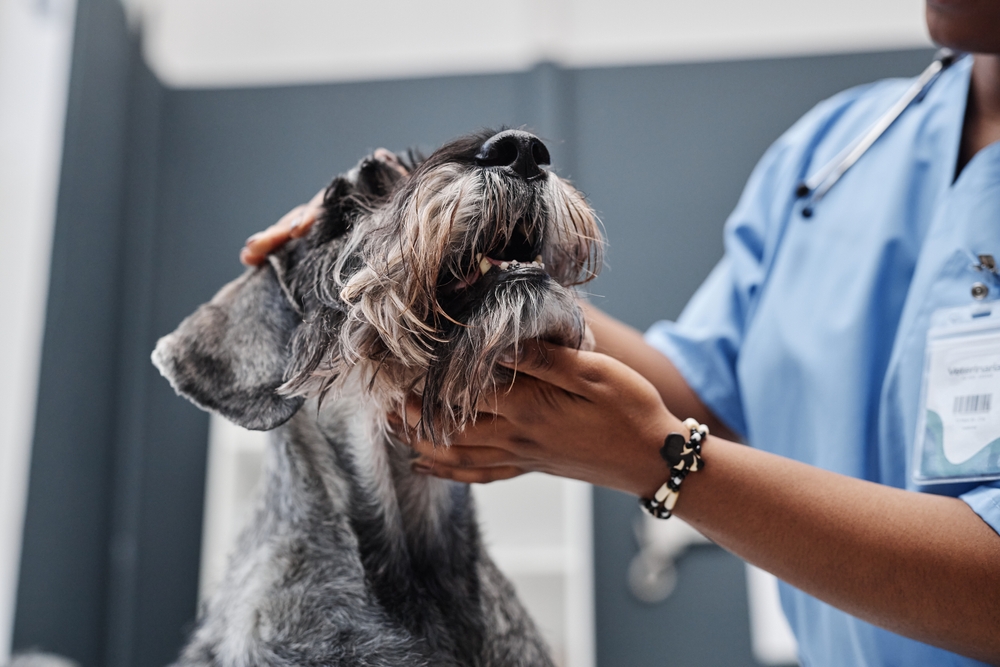
The researchers also tested how dogs reacted to familiar people who were not their primary owners. These could be individuals the dogs knew well and felt comfortable around. However, when reunited with these familiar non-owners, the dogs did not show the same increase in tear production.
This finding suggests that the response is not simply about familiarity or general happiness. It appears to be specifically linked to the bond between a dog and its primary human.
That distinction is important because it strengthens the argument that something emotionally meaningful is happening during these reunions.
It also aligns with what many dog owners already believe. That their relationship with their dog is unique and deeply personal.
The Role of the Love Hormone
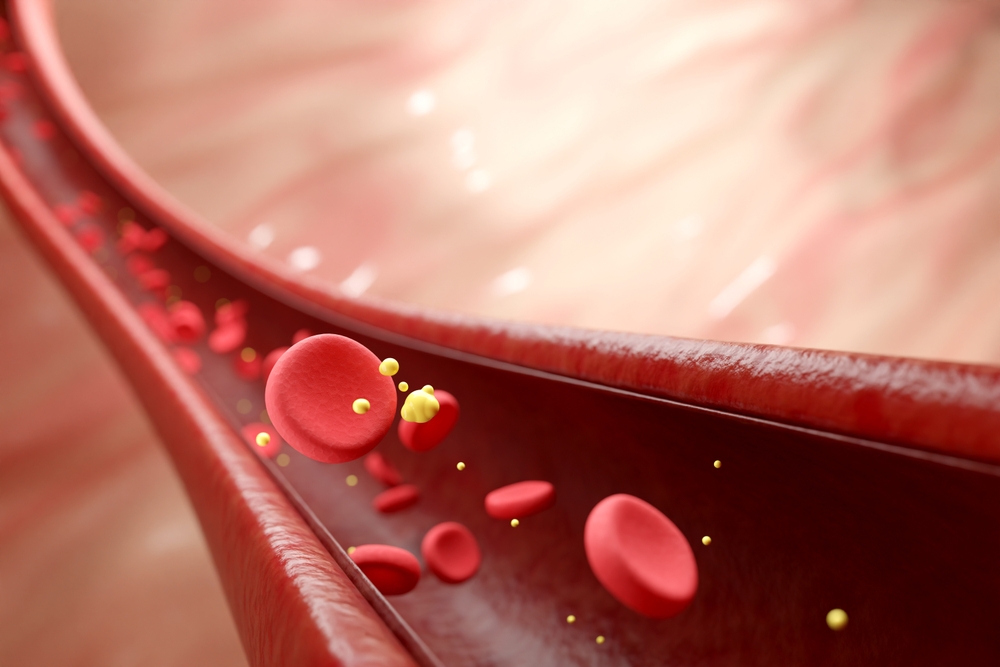
To understand what might be causing this response, the researchers looked at oxytocin. Often referred to as the love hormone, oxytocin plays a major role in bonding and emotional connection in humans.
It is released during moments like hugging, bonding with a child, or even making eye contact with someone we care about. Previous research has shown that dogs and humans both experience increases in oxytocin when they interact with each other.
In fact, earlier studies have described this as a feedback loop. When a dog looks at its owner, oxytocin levels rise in both the dog and the human, strengthening their bond.
In this study, the researchers tested whether oxytocin could also be linked to tear production. They applied a solution containing oxytocin to the dogs’ eyes and compared the results to a control solution.
The outcome was clear. Dogs produced more tears when exposed to oxytocin than they did with the control solution.
This suggests that the same chemical responsible for feelings of love and bonding may also play a role in triggering tear production.
In simple terms, those watery eyes might be directly connected to the emotional bond your dog shares with you.
Why Tears Might Matter More Than We Think

The study did not stop at measuring tear production. The researchers also explored how humans respond to dogs with teary eyes.
In one experiment, 74 participants were shown photos of dogs. Some of the images had been modified to make the dogs’ eyes appear more moist. Participants were then asked how much they felt like caring for each dog.
The results showed that people were more likely to respond positively to dogs with teary eyes. They expressed a stronger desire to nurture and care for them.
This finding adds another layer to the story.
It suggests that tears may not only reflect emotion but could also influence how humans perceive and respond to dogs. In other words, those subtle physical cues might strengthen the bond from both sides.
There is an interesting parallel here with human infants. Babies cry to signal distress and trigger caregiving behavior. Over thousands of years of living alongside humans, dogs may have developed their own ways of encouraging care and connection.
Real-Life Moments Dog Owners Recognize Instantly
For many readers, the science simply confirms what they have already experienced.
Think about the moment you return home after a long day. Before you even open the door, you might hear movement inside. A shuffle. A bark. The sound of excitement building.
And then it happens.
The door opens, and your dog rushes toward you with unfiltered joy. Tail wagging uncontrollably. Eyes wide. Body almost vibrating with energy.
Some dogs whine softly. Others jump or spin in circles. Some simply stare, as if they cannot quite believe you are back.
And occasionally, you might notice something else. A slight glisten in their eyes.
Until now, that detail may have gone unnoticed or been dismissed. But this study invites dog owners to see these moments differently.
Not as routine behavior, but as emotional reunions.
Not Everyone Is Convinced
While the study has captured public imagination, it has also sparked debate within the scientific community.
Some experts have raised concerns about the methodology used in the experiments. For example, placing paper strips inside a dog’s eyelid could potentially influence tear production, especially if the dog is moving or reacting to the sensation.
Others have suggested that the increase in tears might not necessarily be linked to emotion. It could be a physical response to stimulation or even mild irritation.
There is also skepticism around the use of oxytocin in the experiments. Some researchers argue that applying a substance directly to the eye could cause tearing regardless of emotional factors.
Veterinary behavior specialists and psychologists have pointed out that emotional crying remains a uniquely human trait, at least based on current evidence.
This does not mean the study is incorrect. It simply means that the findings are still being explored and debated.
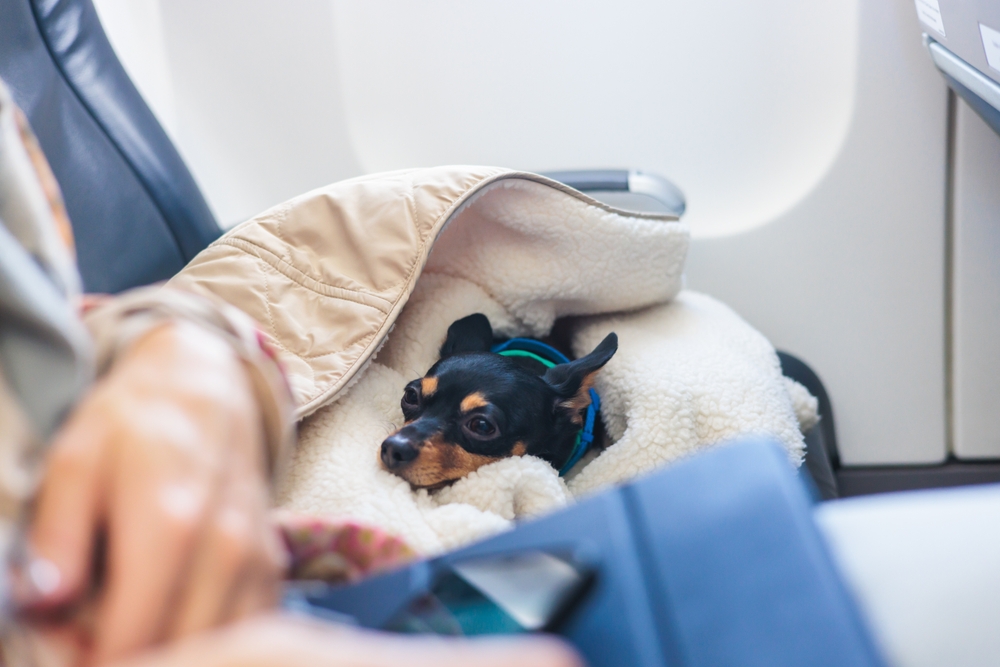
What We Already Know About Dogs and Emotions
Even with the debate, there is no denying that dogs are highly attuned to human emotions.
Research over the past decade has revealed just how socially intelligent dogs are. They can read facial expressions, respond to tone of voice, and even detect subtle changes in human mood.
Some studies suggest that dogs can distinguish between happy and angry faces. Others show that they respond differently to crying humans compared to neutral behavior.
Examples of emotionally aware behaviors in dogs include:
- Recognizing their owner’s emotional state and adjusting their behavior
- Showing signs of distress when separated from their owner
- Displaying excitement and affection during reunions
- Seeking physical closeness during moments of human stress
These behaviors indicate that dogs operate within a complex emotional system, even if it does not mirror human emotions perfectly.
The Evolution of a Unique Bond
The relationship between humans and dogs has been shaped over thousands of years. Dogs were among the first animals to be domesticated, with evidence suggesting this partnership began at least 15,000 years ago.
Over time, dogs have adapted not just physically, but socially and emotionally. They have learned to read human cues, respond to human needs, and communicate in ways that strengthen the relationship.
Unlike many other animals, dogs actively seek eye contact with humans. This behavior is rare in the animal kingdom and is considered a key part of bonding.
Scientists believe that dogs have evolved to be especially sensitive to human emotions because it increases their chances of survival and care.
If tear production is part of this system, it may represent another layer of communication that has developed over generations.
What This Means for Dog Owners
For those who share their lives with dogs, the study offers something more emotional than scientific.
It reinforces a feeling many already have. That their dogs are not just companions, but deeply connected beings capable of meaningful emotional experiences. While it is important to approach the findings with caution, they still invite reflection.
There are also practical ways this understanding can shape how we interact with our dogs:
- Pay attention to subtle signals: Small changes in your dog’s behavior or expression may carry more meaning than you realize.
- Prioritize quality time: Bonding activities such as walks, play, and eye contact can strengthen your connection.
- Be mindful of separation: Long periods away from your dog can affect them emotionally. Gradual training and reassurance can help reduce stress.
- Respond with empathy:Your dog may not express emotions exactly as humans do, but their experiences are still valid and meaningful.
A Connection Beyond Words
Science often aims to explain what we can measure and observe. But sometimes, it also helps validate what we have felt all along.
The idea that dogs might cry tears of joy when reunited with their owners is still being explored. It may take years of additional research to fully understand the mechanisms behind it.
Yet even now, the study offers a powerful takeaway.
The bond between humans and dogs is not just behavioral. It is emotional, biological, and possibly even more complex than we ever realized.
And perhaps that is enough.
Because whether or not those tears are truly emotional, the joy in those reunions is undeniable. It is in the wagging tail, the eager eyes, and the unfiltered excitement that greets you every time you walk through the door.
For dog owners everywhere, that is a kind of love that does not need further proof.
And maybe, just maybe, the next time your dog looks at you with those shining eyes, you will see something new in them.