

Student Climbs Into Burning Building To Save Seven People Then Tells Mom “I Just Tripped”
A 20 year old student in Vietnam is being praised across social media after risking his own life to save seven people trapped inside a burning building during a terrifying late night fire. While the rescue itself stunned people, the moment that truly stayed with readers came afterward, when the young man returned home injured and tried to brush the entire thing aside. His mother noticed the bruises on his body and immediately asked what happened, but instead of telling her he had climbed into a smoke filled building to pull strangers to safety, he quietly answered, “I just tripped over.” That simple response transformed the story from a viral headline into something far more emotional for millions of people following it online.
The student, identified as Nguyen Van Nhat, quickly became the focus of admiration online not because he chased attention, but because he appeared determined to avoid it. Many people felt the story carried a kind of sincerity that has become increasingly rare in the internet age, where acts of kindness and heroism are often immediately filmed, uploaded, and turned into public performances. There was no dramatic speech after the rescue and no attempt to make himself the center of the story. Instead, the young man reportedly tried to minimize what happened altogether, even while carrying visible injuries from the fire. For many readers, that quiet humility became just as powerful as the rescue itself.
The Fire Turned Dangerous Within Minutes
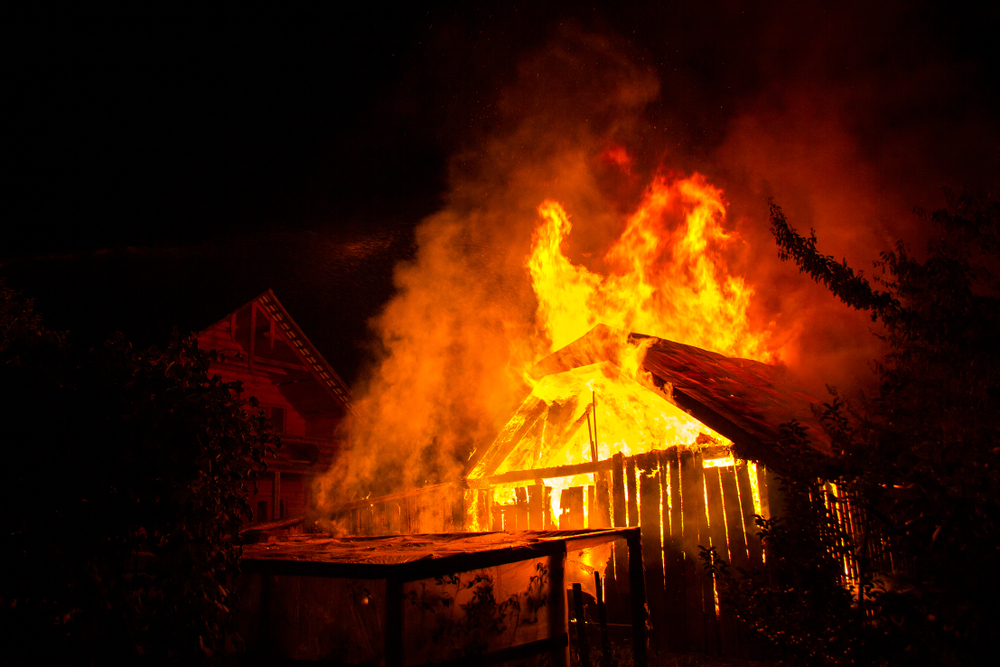
The fire broke out inside a residential building during the night, trapping multiple residents as smoke rapidly spread throughout the structure. Witnesses described scenes of panic as people struggled to escape through the thick smoke while others remained trapped inside the building. In apartment fires, visibility can disappear almost instantly, making it difficult for residents to find exits even before flames begin spreading further through stairwells and hallways. The situation quickly became life threatening for the families still trapped inside.
Nguyen Van Nhat did not wait for emergency crews to arrive before taking action. Despite the dangerous conditions, he climbed into the building and began helping residents escape one after another. Reports stated that seven people were rescued during the incident, including elderly individuals and children who could not get out on their own. Entering a smoke filled structure without protective equipment carries enormous risks because smoke inhalation alone can overwhelm a person within minutes, yet the student continued helping people escape while the fire spread around him.
Many people online pointed out how young he was while reacting to the story. At just 20 years old, he found himself making split second decisions that directly affected whether strangers survived the night. That contrast between his age and the enormity of what happened gave the story even greater emotional impact. Readers repeatedly described him as someone who acted on instinct rather than fear, even in conditions where most people would have frozen in panic.
People Could Not Stop Talking About One Sentence
After the rescue was over, the young man eventually returned home carrying injuries from the ordeal. His mother noticed that something was clearly wrong and asked him what happened. Instead of describing the fire or telling her that he had just rescued seven people from a burning building, he simply told her, “I just tripped over.”
That single sentence spread rapidly online because so many people recognized the emotion behind it immediately. Some readers said it reminded them of fathers, brothers, or sons who often hide pain to avoid worrying family members. Others felt the moment captured a kind of quiet humility that rarely appears in viral stories anymore. While dramatic hero narratives often focus on praise and attention afterward, this moment felt deeply personal and honest in a way people were not expecting.
The reaction across social media became less about spectacle and more about character. Thousands of comments focused on how naturally he seemed to dismiss his own bravery. Many users referred to him as “the real hero,” while others said the story stayed with them because his reaction felt so human. It was not only the rescue people admired. It was the fact that he appeared uncomfortable treating himself as special afterward.

Why Some People Run Toward Danger
Psychologists have studied emergency behavior for decades and have found that many people freeze during dangerous situations because they assume someone else will step in first. This phenomenon, commonly called the bystander effect, has appeared in countless emergencies around the world where crowds hesitate during moments that require immediate action. Fear, confusion, and uncertainty often slow human reactions when every second matters.
Yet stories like this reveal another side of human nature entirely. Some individuals move toward danger almost instinctively, even before they fully process the risks involved. Survivors and rescuers frequently describe these moments later in surprisingly simple ways. Many do not describe themselves as brave at all. Instead, they explain that helping simply felt like the only thing they could do at that moment while others were in danger.
That mindset may explain why Nguyen Van Nhat appeared uninterested in attention after the rescue. His actions did not seem driven by recognition, praise, or public admiration. He saw people trapped inside a burning building and acted immediately. For many readers, that simplicity made the story even more powerful because it reflected courage without performance or self promotion.
Residential Fires Continue To Be A Serious Threat
The incident also renewed conversations about residential fire safety in densely populated urban areas across Vietnam. In recent years, several apartment and residential fires have led to devastating loss of life, particularly in buildings with narrow exits, limited ventilation, or difficult emergency access routes. Fire experts consistently warn that smoke becomes deadly far faster than most people realize during these situations.
In many residential fires, people lose consciousness from smoke inhalation before flames ever reach them. Thick smoke rapidly reduces visibility, causes panic among residents, and makes stairwells almost impossible to navigate safely. Emergency responders around the world repeatedly point to several common factors that make apartment fires especially deadly in crowded cities.
Some of the most common dangers include:
- Narrow or blocked exits
- Electrical overloads
- Poor ventilation systems
- Delayed emergency access
- Heavy smoke inhalation inside enclosed spaces
That reality made the student’s decision even more dangerous than many readers initially realized. Entering a burning building without proper protective gear can easily turn fatal within minutes, especially for someone with no professional rescue training. Many online reactions acknowledged that the story could have ended very differently, which only deepened people’s appreciation for what he chose to do.
The Story Resonated Far Beyond Vietnam
Part of the reason the story spread so quickly around the world was because people connected with the emotional details in deeply personal ways. Readers saw reminders of family members who quietly sacrificed for others without wanting recognition in return. Others recognized the familiar instinct to hide pain or injuries from loved ones in order to keep them from worrying. The emotional core of the story felt universal even though the events happened thousands of miles away from many of the people reading about it.
Many commenters said the story stayed with them because it reflected a kind of humanity they rarely see highlighted online anymore. Modern internet culture often rewards visibility and self promotion, yet this story moved in the opposite direction. A young man risked his life to save strangers, returned home injured, and then tried to convince his mother that nothing important had happened at all. That contrast gave the story a sincerity that many people found impossible to forget.
Long after the flames were extinguished, readers continued sharing the story not because it felt sensational, but because it felt real. There were no speeches, no dramatic celebrations, and no attempt to turn the rescue into personal fame. Just a student who saw people trapped in danger and decided they mattered more than his own safety.