Farmer Returns 421 Tires and Turns a Dumping Mess Into a Lesson
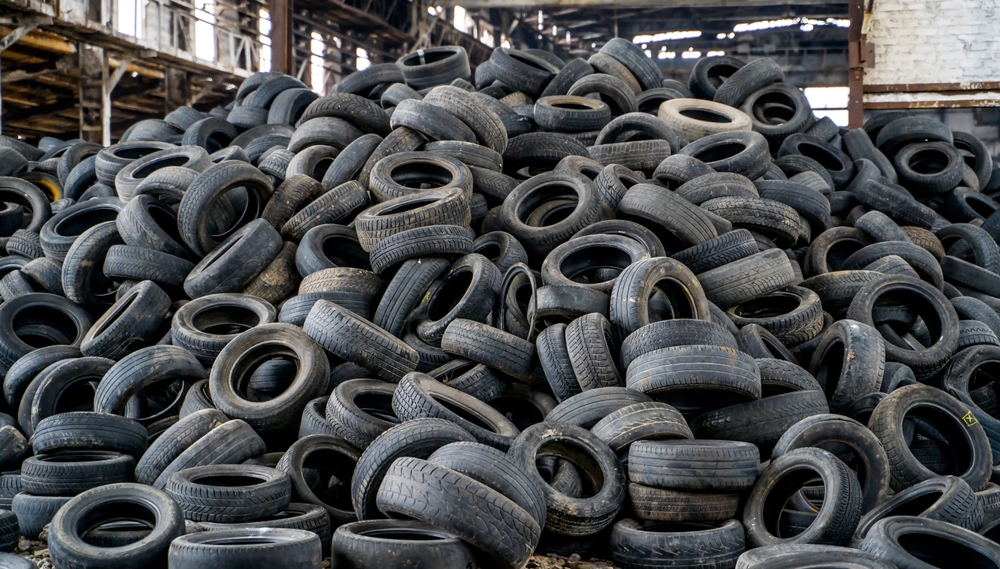
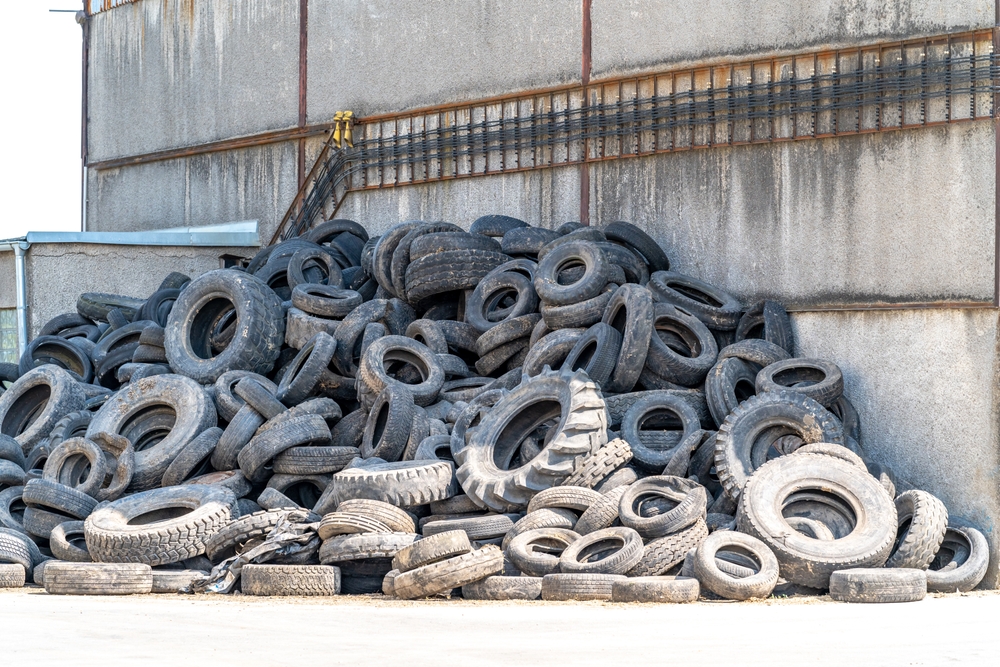
A field can tell you a lot about how people see the world. For Stuart Baldwin, a livestock farmer in Haydock near Wigan, one morning brought 421 used tires where there should have been open land, quiet work, and basic respect.
The story spread because it felt satisfying to watch waste return to the place it came from. Yet the deeper lesson is quieter and more personal: every careless choice eventually lands in someone else’s life.
The Field That Became Someone Else’s Problem
Baldwin had dealt with fly-tipping before. The term refers to illegally dumping waste on land without permission, and for farmers it can turn a working property into a cleanup site overnight.
Baldwin and his family also run SED Services Ltd, a recycling business, so they understood the difference between proper disposal and careless dumping. This was not a case of someone leaving behind a small mistake. It was a large pile of rubber dumped onto land that belonged to a working family.
Baldwin was quoted by Upworthy as saying, “I got sick of it, so I thought I would do a bit back.” That sentence carries the frustration of someone who had been expected to stay quiet while another person treated his land as disposable.
He Gave the Dumper a Chance to Fix It
Baldwin had installed CCTV after repeated incidents on his property. When the tires appeared, the footage reportedly showed a van arriving and unloading them, giving the family more than suspicion and frustration to work with.
The detail that often gets lost is that Baldwin reportedly gave the person associated with the van a chance to return and clear the tires. The field could have been restored without a viral moment. The person responsible had time to take the waste back and repair the damage privately.
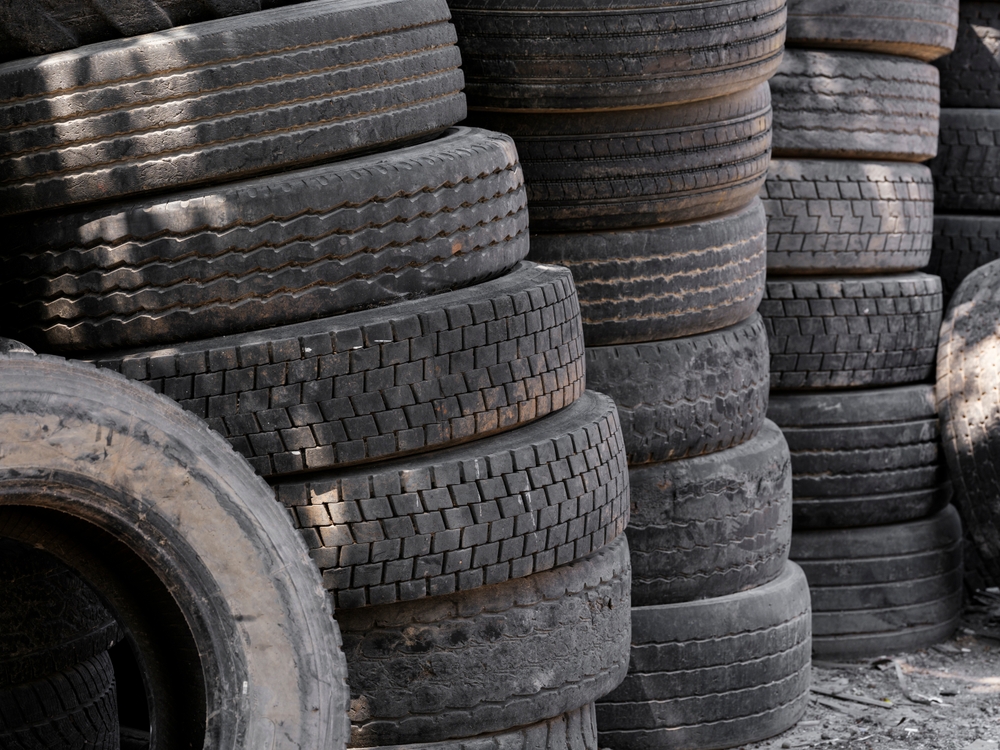
When that did not happen, Baldwin used a truck from the family’s recycling business and gathered helpers to load the 421 tires. They drove them to the address connected to the van and placed them in the front garden, making the burden visible again.
Baldwin’s Message Was Clear From the Start
Baldwin was quoted from the footage as saying, “I’ve just come to my land at Haydock and somebody has put these tyres here overnight.” The words are plain, but that plainness is what makes them powerful. A normal workday had been interrupted by someone else’s disregard.
He added, “Luckily, we have found out who has ‘forgot’ them. So we’re going to take them back to the person who put them here.” The humor in that line is sharp, but the point underneath it is serious. The tires were being returned to the person connected to the dumping, rather than left for a farmer to manage alone.

Megan Baldwin also explained that the family was careful while returning the tires. She said, “We wish no harm to him or any property, hence why we placed them in his garden without causing any damage.” She added, “We just want to prove a point that you can’t just go around fly-tipping wherever you want, as it isn’t fair.”
Fly-Tipping Carries a Cost People Rarely See
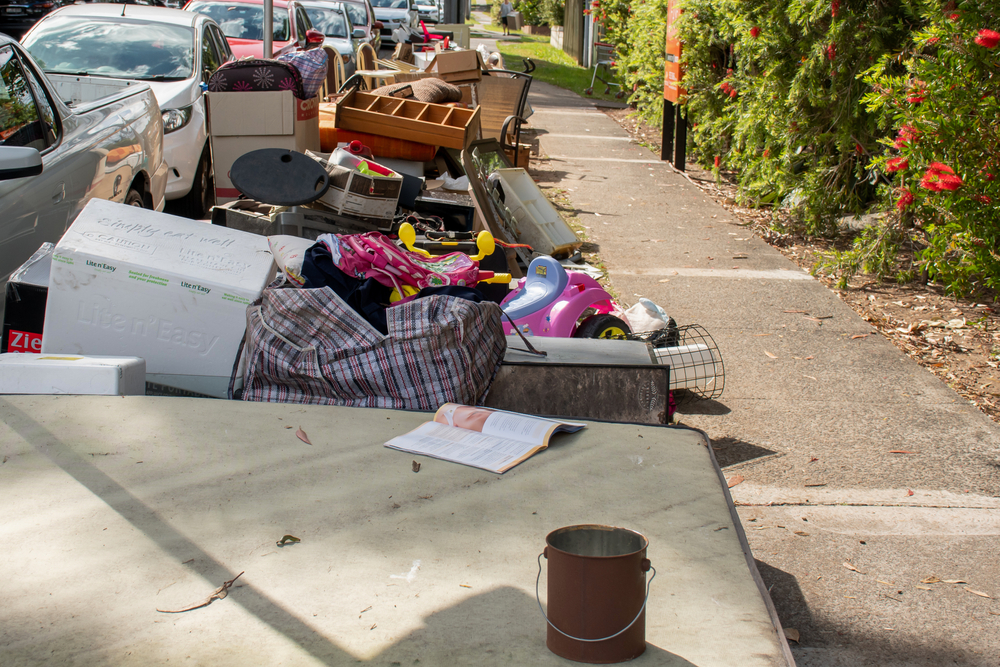
Fly-tipping can sound like a small phrase for a large problem. It is easy to picture it as littering with a vehicle, but the damage reaches landowners, local councils, taxpayers, animals, and communities who never agreed to carry the burden.
Official UK government statistics for England reported 1.26 million fly-tipping incidents handled by local authorities in 2024/25. That was a 9% increase from the previous year, which shows how common this problem remains.
The same government data also notes an important limitation. Incidents cleared by private landowners are not included in that statistical notice, which means the burden on farmers and property owners can be partly hidden from the national picture.
Farms Are Livelihoods, Not Empty Spaces
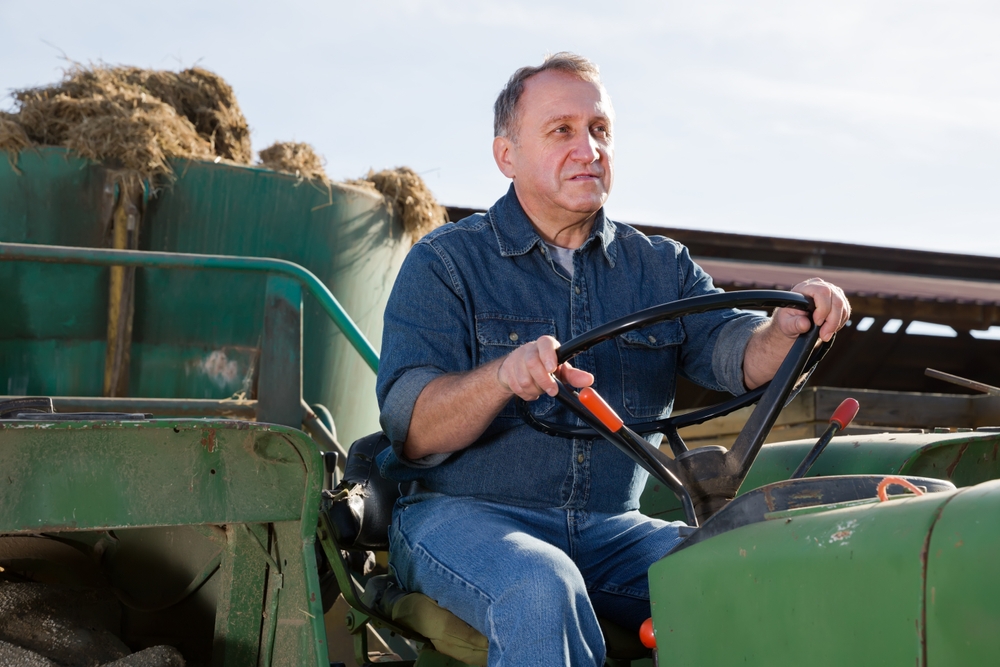
A field may look empty from the roadside, but for a farmer it is part of a living system. It can hold livestock, machinery, grazing plans, soil health, financial pressure, family labor, and years of work that most passersby will never see.
When waste is dumped there, the problem does not vanish. Someone has to document it, move it, pay for disposal, protect animals from it, and restore the land. The person who dumped it may leave in minutes, while the person left behind can lose days.
That is why this story touched more than a nerve. It exposed a habit many societies struggle with: moving discomfort out of sight and pretending it no longer belongs to us.
The Return Made Responsibility Visible
The reason Baldwin’s response connected with so many people is that it turned an invisible burden into something visible. The tires were not destroyed, hidden, or ignored. They were returned to the place where responsibility could no longer be avoided.
There is a difference between cruelty and consequence. Based on the reports, the family did not describe the act as an attempt to damage property. They described it as a way to show that dumping waste on someone else’s land is unfair.
That distinction matters because accountability loses its moral force when it becomes pure retaliation. In this case, the message was tied to repair: if the waste came from you, then the responsibility should return to you.
Anger Can Become a Boundary When It Is Controlled
Anger is often treated as something to suppress or something to unleash. Baldwin’s story shows another possibility. Anger can become a boundary when it is guided by evidence, restraint, and a clear sense of what needs to be corrected.
There were several choices here that kept the response from becoming reckless. The family had CCTV footage, gave time for the tires to be removed, used their own equipment, gathered help, and said they avoided damage while returning the waste.
That is a useful lesson beyond this one farm. When people feel disrespected, the strongest response is rarely the loudest one. It is the one that makes the harm clear without becoming the same kind of harm in return.
What Readers Can Do Before Waste Harms Someone Else
The practical lesson from this story is simple enough to bring into everyday life. Responsibility for waste does not end when it leaves your property, because the chain continues until that waste is handled properly.
The UK government’s Waste Duty of Care Code of Practice explains that duty of care rules are designed to protect human health and the environment through safe waste management. It also warns that failing to comply can lead to enforcement action and serious penalties.
Before you pay anyone to remove waste, take a few careful steps:
- Check registration: Confirm that the person or business is registered to carry waste before anything leaves your property.
- Ask where it is going: A legitimate operator should be able to explain where the waste will be taken and how it will be handled.
- Keep proof: Save invoices, names, contact details, and any transfer notes connected to the collection.
- Be careful with vague deals: Low prices, cash-only arrangements, and no paperwork can be signs that waste may not be handled properly.
- Report dumping safely: If you witness fly-tipping, use the proper local authority channel rather than putting yourself at risk.
These steps may seem ordinary, but ordinary care prevents real harm. A few minutes of checking can stop a field, lane, woodland edge, or neighborhood from becoming the place where someone else’s shortcut ends.
The Lesson That Stayed After the Tires Left
Baldwin’s response became viral because the image was unforgettable, but the reason it stayed with people is much deeper. It gave shape to a truth many people feel in their own lives: respect means refusing to make your convenience another person’s burden.
Every choice leaves something behind. The measure of our character is whether what we leave behind creates more work for others or makes the world a little easier to share.
Featured Image from Shutterstock