

A Hospital Froze a Tumor Instead of Removing It. The Patient Was Pain-Free the Next Day
For decades, a cancer diagnosis or painful tumor often meant preparing for surgery. Patients faced operating rooms, long recovery periods, hospital stays, and the physical toll that comes with invasive procedures. While surgery remains one of medicine’s most effective tools, researchers and doctors around the world have continued searching for ways to treat disease with greater precision and less disruption to a patient’s life. Now, a remarkable medical breakthrough in Australia is showing what that future could look like. At Liverpool Hospital in Sydney, doctors are using advanced MRI-guided technology to destroy certain tumors without making a traditional surgical incision, offering some patients a faster and less invasive path to recovery.
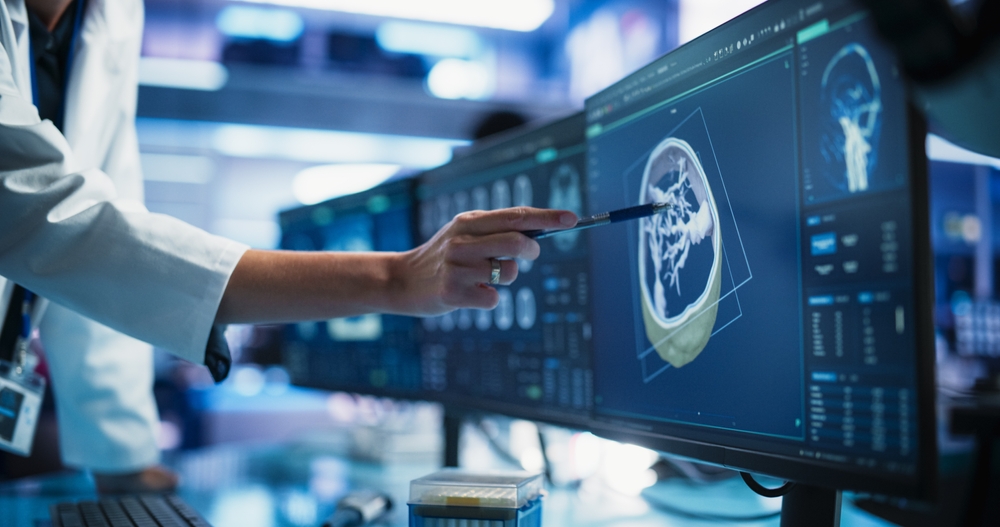
The treatment relies on a technique known as cryoablation, which uses extreme cold to eliminate diseased tissue. Guided by real-time MRI imaging, specialists insert a thin probe directly into a tumor and freeze it from the inside until it forms what doctors describe as an iceball. The frozen tissue is then destroyed while surrounding healthy structures remain protected. For patients who once faced major operations near sensitive areas of the body, the technology offers a completely different experience. Many can return home the same day, and some report dramatic improvements almost immediately after treatment.

How Doctors Are Turning Tumors Into Iceballs
The procedure begins with detailed MRI imaging that allows doctors to identify the exact location of a tumor. Unlike traditional surgery, where surgeons physically remove tissue through larger openings, cryoablation focuses on targeting the tumor itself while leaving as much healthy tissue untouched as possible. This approach is particularly valuable when tumors are located close to nerves, bones, the spinal cord, or vital organs where precision is critical.
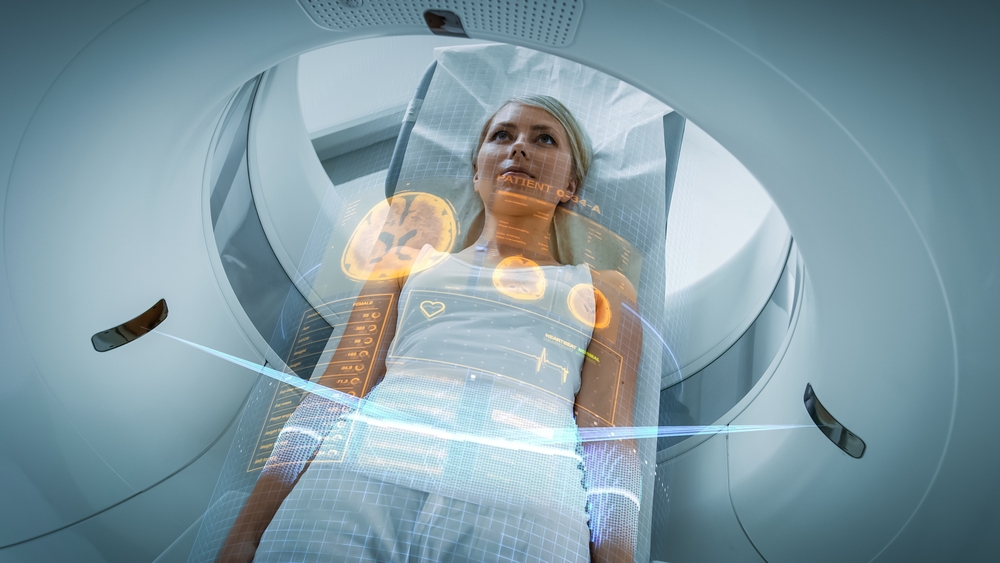
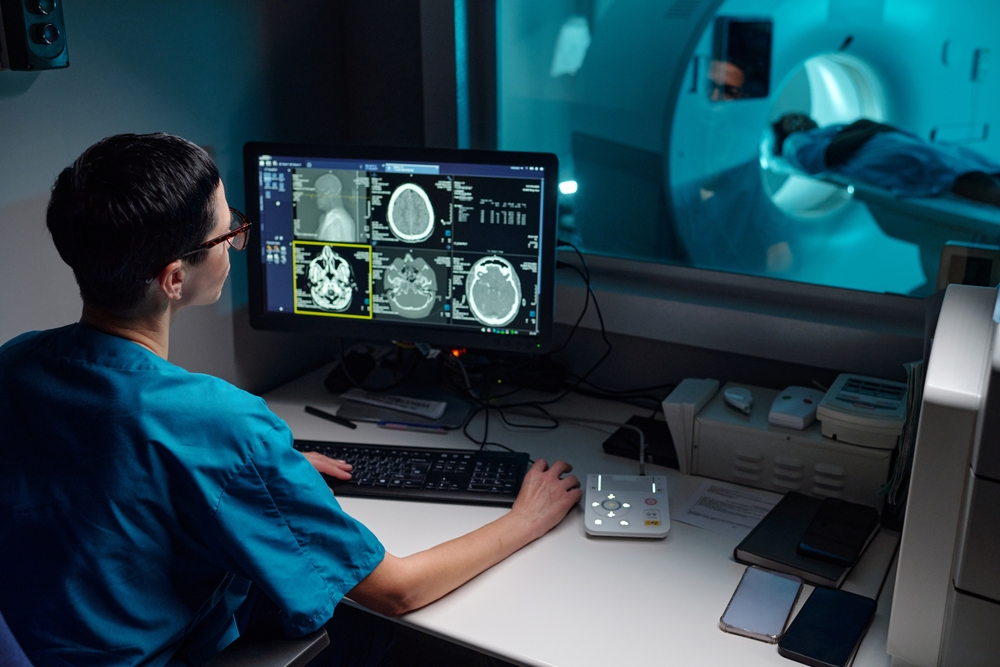
Once the treatment area is identified, doctors insert ultra-thin needles into the tumor while monitoring every movement through MRI scans. The imaging provides continuous feedback throughout the procedure, allowing specialists to see the treatment unfold in real time. This level of visibility helps ensure that the targeted tissue receives the treatment while nearby structures remain protected.
The freezing process is powered by compressed argon gas. When activated, the tip of the probe rapidly drops to temperatures approaching minus 180 degrees Celsius. The intense cold freezes the tumor from the inside out, causing cancer cells to rupture and cutting off the blood supply that helps sustain them. As the frozen area expands, doctors can watch the developing iceball on MRI screens and make adjustments when necessary.
Dr. Glenn Schlaphoff explained the process in simple terms, saying, “That ice is used to kill the tumour in a very neat, discreet way.” While the science behind the treatment is highly sophisticated, the goal is straightforward: destroy the tumor while minimizing the physical impact on the patient.

One Woman’s Experience Shows The Potential
For 64-year-old grandmother Josephine Cordina, the technology offered hope after months of severe pain caused by a nine-millimeter tumor on her spine. Everyday activities became difficult, and even basic tasks such as sitting or sleeping were affected by constant discomfort. The pain had reached a point where it was interfering with nearly every aspect of daily life.
Describing her condition, Cordina said, “Lying down and sitting down was the worst pain, even to sleep I had to take pain killers.” Like many patients facing spinal tumors, she was presented with the possibility of traditional surgery. The operation would have involved removing the tumor and stabilizing the affected area through a more invasive procedure.
Cordina was hesitant about undergoing such a major operation. “They wanted to dig it out and then they’d have to put screws there to support the bone,” she said. Instead of choosing that route, she decided to undergo MRI-guided cryoablation.
The results came quickly. “The next day I had no pain, it was all gone and I’m back to normal, so it was a big relief,” she said. For patients living with chronic pain, improvements measured in days rather than months can feel life-changing.
Why Precision Matters In Modern Medicine
One of the most significant advantages of MRI-guided cryoablation is the level of control it provides during treatment. Traditional surgery often requires doctors to work around complex anatomy while trying to remove diseased tissue completely. Even with modern surgical techniques, protecting surrounding structures remains a constant challenge.
MRI guidance changes that dynamic by allowing doctors to see the treatment area with extraordinary clarity. Rather than relying solely on pre-operative scans, specialists can monitor the procedure continuously as it happens. The growing iceball becomes visible on imaging screens, helping physicians determine exactly how much tissue is being treated.
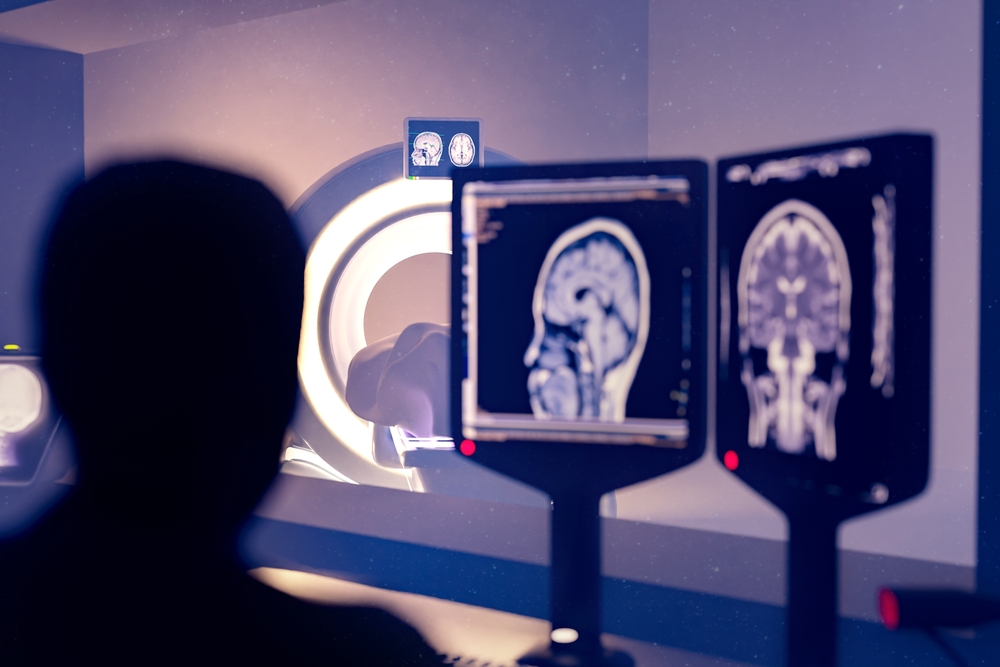
This precision is especially important when tumors are located near sensitive structures. Nerves, blood vessels, organs, and the spinal cord can all be affected by even small treatment errors. Real-time imaging reduces that risk and allows doctors to tailor the procedure to each patient’s anatomy.
The technology also reflects a broader trend in medicine toward treatments that are increasingly targeted rather than broadly invasive. Across many areas of healthcare, researchers are developing techniques that focus on preserving healthy tissue while treating disease more accurately than ever before.
A Glimpse Into The Future Of Cancer Care
Liverpool Hospital’s MRI-guided cryoablation system is the first of its kind in Australia, but many experts believe similar technologies will become increasingly common in the years ahead. As imaging systems become more advanced and treatment methods continue to evolve, doctors are gaining tools that would have seemed impossible only a generation ago.
The technology is already being used for tumors affecting the spine and has potential applications involving soft tissue tumors in organs such as the liver and kidneys. These are areas where surgical procedures can be particularly complex, making minimally invasive alternatives especially valuable.
At the same time, the hospital itself is undergoing a major redevelopment that includes a new cancer center expected to be completed in 2027. The investment reflects growing demand for advanced cancer treatments and the desire to provide patients with more options than ever before.
Medical progress is often measured through statistics, survival rates, and scientific milestones. Yet its impact is most clearly seen in individual lives. A treatment that allows someone to avoid major surgery, leave the hospital the same day, and wake up without pain represents more than technological advancement. It represents a future where medicine continues finding ways to heal people with greater precision, less suffering, and a deeper understanding of what recovery truly means.
Sources:
- Liverpool Hospital celebrates opening of NSW first integrated multimodality Interventional Radiology Suite. (n.d.). https://www.health.nsw.gov.au/news/Pages/20250923_02.aspx?
- ASMIRT. (2026, March 3). New MRI-Guided Cryoablation Advances Treatment Options – ASMIRT. ASMIRT -. https://asmirt.org/news/new-mri-guided-cryoablation-advances-treatment-options/?