

A Teacher Asked for Help During Cancer Treatment. Hundreds of People Answered
There are moments that quietly reveal what people are capable of when someone else’s life suddenly changes. They rarely begin with grand speeches or organized campaigns. More often, they begin with a difficult conversation, an impossible decision, or a simple request made by someone who has exhausted every other option. That was the position Florida history teacher Robert Goodman found himself in after a stage III colon cancer diagnosis forced him to choose between protecting his health and protecting his livelihood. As months of surgery and chemotherapy consumed both his strength and his paid sick leave, the future became increasingly uncertain. What followed was never part of his plan, yet it became the part of his journey that he remembers most.
For more than two decades, Goodman had dedicated himself to teaching history at Palm Beach Gardens Community High School, helping students understand the people and events that shaped the world around them. Suddenly, his own life became defined by hospital appointments, chemotherapy sessions, and questions no teacher ever expects to ask. Returning to a classroom while enduring treatment seemed physically impossible, but remaining at home without an income threatened another kind of hardship altogether. He reached out hoping someone might be able to help him through one of the darkest periods of his life. Instead, he discovered that compassion has a remarkable way of spreading once people decide that another person’s burden deserves to become their own.

A Cancer Diagnosis Left Him Facing an Impossible Choice
Robert Goodman learned he had stage III colon cancer in April 2018, a diagnosis that immediately changed the rhythm of his life. Surgery was followed by an intensive course of chemotherapy that would continue for months, leaving him physically drained while demanding regular hospital visits. Like many people facing cancer, his attention shifted from lesson plans and classrooms to treatment schedules and recovery. The illness itself was frightening enough, but another challenge quickly emerged as his available paid sick leave disappeared.
By July, Goodman had reached the point where every remaining option carried serious consequences. He was expected to return to school within weeks despite ongoing chemotherapy, or remain home without receiving a paycheck. The thought of standing in front of students while coping with treatment left him deeply anxious. Reflecting on those days, he admitted, “It truly frightened me. Chemo really messes with you. I was wondering how I could handle getting up at 5am every day.”
His concerns extended far beyond exhaustion. Chemotherapy weakens the immune system, making even common illnesses far more dangerous than they would otherwise be. Goodman worried about the everyday reality of working inside a busy school filled with students carrying seasonal colds and flu. He questioned whether he could physically teach while dealing with nausea, fatigue, and the unpredictable side effects of treatment. “How could I handle all the different side-effects around the kids? How could I handle kids bringing the flu and colds to school?” Those questions had no easy answers.

One Simple Facebook Post Changed Everything
Sitting inside the Tomsich Health and Medical Center of Palm Beach County during one of his chemotherapy appointments, Goodman decided to ask for help. He took a selfie, explained his situation on Facebook, and appealed to fellow educators who might be willing to donate some of their unused sick leave. His request was modest because his expectations were modest. He believed finding enough donated days to complete another few weeks of treatment would already feel like a blessing.
The response moved far faster than anything he imagined. Florida’s school system allows employees to transfer unused sick leave to colleagues facing serious illnesses, and word of Goodman’s appeal spread rapidly through schools across the district. Teachers, administrators, office staff, cafeteria workers, and employees from different campuses began donating the leave they had accumulated over years of service. Within only four days, enough sick leave had been transferred to allow him to remain home throughout the remainder of his chemotherapy.
Looking back on that extraordinary response, Goodman said, “I asked for help. I just didn’t expect to get the help in four days.” The generosity continued even after those first few days. By the time he spoke with school officials again, he learned that colleagues had donated around 100 sick days, enough to carry him through treatment and into the following semester. Reflecting on the overwhelming support, he admitted, “It surprised me how fast it happened. But it didn’t surprise me that teachers gave. Teachers always give. It’s a profession of giving.”
The donations continued arriving from people Goodman knew and from many he had never met. Some worked alongside him every day, while others only knew him because they belonged to the same school district. Teachers gave away leave they had earned over years of service. Principals joined them. Cafeteria workers participated. Office staff stepped forward as well. Every donated day represented something valuable because unused sick leave could later translate into retirement benefits. People were choosing to surrender something they had saved for their own future so someone else could have the chance to recover.
Goodman understood exactly what those donations meant, which made the gesture even more emotional. “They could have cashed those days in when they retired if they didn’t use them. They were in a sense giving me their retirement money to help me heal.” The realization stayed with him because it transformed the sick leave into something much larger than an administrative transfer between coworkers. Every day represented trust, generosity, and the belief that one person’s recovery mattered to an entire community.
As the messages continued arriving, Goodman found himself overwhelmed by the number of people standing beside him. Some had known him for years. Others had never spoken with him before. The kindness reached beyond financial security and touched something much deeper during one of the most uncertain moments of his life. “When hundreds of people shower you with their love it’s a life-changing experience.” Those words captured a feeling that is difficult to measure but impossible to overlook. Illness often leaves people feeling isolated, yet Goodman experienced the opposite. Every donated day reminded him that he was surrounded by people who refused to let him face cancer alone.
The Support Reached Far Beyond His Own School
The generosity did not stop with donated sick leave. After Goodman shared his experience publicly, messages began arriving from people across the country who had survived cancer themselves. Many offered encouragement, while others shared the difficult paths they had walked and the hope they had found afterward. Those conversations became another unexpected source of strength during treatment because they connected him with people who understood exactly what he was experiencing.
He was equally moved by the support coming from within the education community. “It’s not just teachers who donated. Staff members, principals, cafeteria workers. I don’t know half these people, but we know each other because we’re in schools.” The statement reflected something that often goes unnoticed about schools. A school functions because countless people contribute every day, many of whom rarely receive public recognition. During Goodman’s illness, those same people quietly stepped forward when one of their own needed help.
The experience strengthened his appreciation for the profession he had devoted his career to. “We have each other’s backs. We’re a family.” Those words were not describing an organization or a workplace. They described relationships built over years of shared responsibilities, difficult days, celebrations, and challenges. Goodman later explained that hearing from cancer survivors and complete strangers carried the same sense of belonging. “Ever since going on Facebook, I have been messaged by people who had cancer, who survived cancer. It’s been a really wonderful experience. It’s not just teachers who made me feel part of a family. It’s these people as well who helped.”
His Students Reminded Him Why He Chose to Teach
While Goodman focused on treatment, another wave of encouragement came from the people who had once filled his classroom. Former and current students reached out to tell him how his lessons, guidance, and patience had influenced their lives. Reading those messages became one of the brightest parts of an otherwise difficult season because they reminded him that teaching is measured by much more than grades or test scores. Long after students leave a classroom, they often carry pieces of their teachers with them.
Those messages also renewed his determination to recover and return to school. Goodman explained that hearing from former students helped him remember why he had spent more than two decades teaching history. “Students sharing stories of how I’ve positively influenced them was a good reminder of why I chose to teach and why I can’t wait to get back.” For someone whose daily routine had been replaced by hospital visits and chemotherapy appointments, those words offered a glimpse of the future he hoped to return to.
During the months away from school, Goodman also found comfort in writing and recording music, another lifelong passion. Creating songs allowed him to process emotions that were difficult to express elsewhere while reminding himself that life still held beauty alongside uncertainty. His experience gradually shaped a broader perspective on compassion, leading him to reflect, “Anybody can get cancer, but not everyone is willing to help. We all have it in us, but it’s good to get back in touch with our compassion.”

Kindness Became the Part of the Story He Will Always Remember
Cancer changed the course of Robert Goodman’s life, but it also revealed something he never expected to witness on such a remarkable scale. Hundreds of people made individual decisions that, taken alone, may have seemed small. Together, those decisions gave him the time he needed to heal without sacrificing his financial security. None of those donors could fight the disease for him, yet each found a way to carry part of the burden.
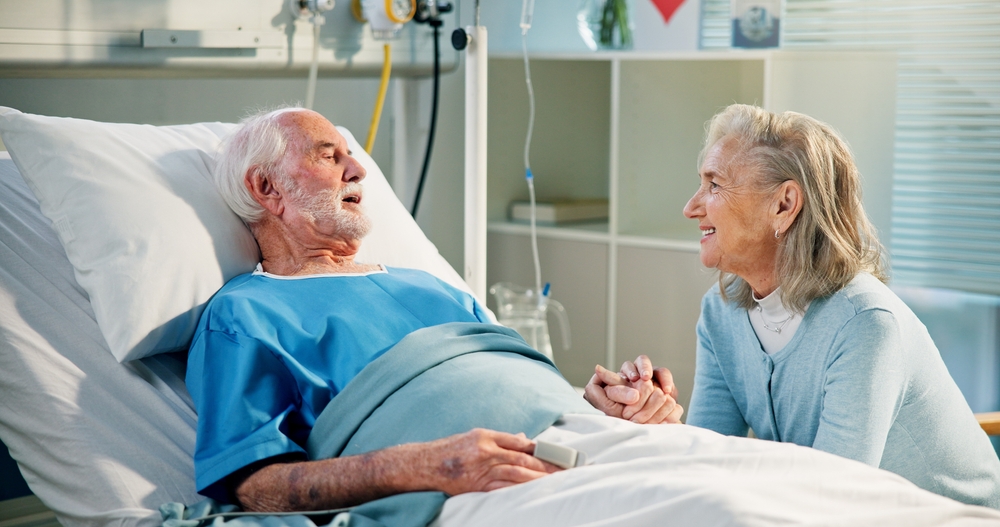
Months later, the donated sick days were no longer the most important part of the story. What remained was the memory of people choosing generosity over convenience and community over self-interest. Long after the chemotherapy ended, that quiet act of collective kindness continued to speak for itself, proving that hope sometimes arrives one person at a time until it becomes impossible to count.