

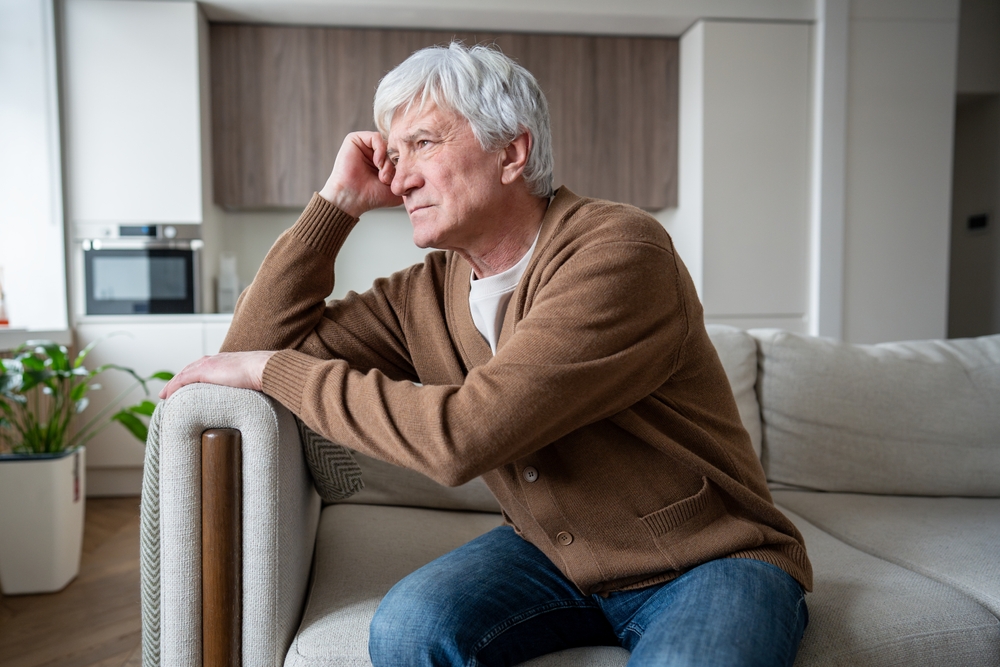
Scientists Discover a Hidden Aging Clock That May Be Speeding Up in Younger Generations
We usually think of aging as something we can count. Every birthday adds another year, and that number becomes the measure we use to describe where we are in life. Yet scientists are increasingly questioning whether the calendar tells the whole story. New research suggests that our bodies may follow a different timeline altogether, one shaped not only by the years we have lived but also by the environments we grow up in, the habits we build, the stress we carry, and the countless biological changes happening beneath the surface. For younger generations, that hidden timeline may be moving faster than anyone expected.
The findings arrive at a time when doctors around the world are noticing a troubling shift. Diseases once considered more common later in life are appearing in adults decades earlier, particularly certain forms of cancer. Researchers are still searching for clear answers, but one emerging idea is that today’s lifestyles and environments may be leaving a deeper biological imprint than previously understood. Rather than offering a simple explanation, the latest study invites a broader question about modern life itself: if our bodies are aging faster than our birthdays suggest, what is quietly shaping that process long before symptoms ever appear?
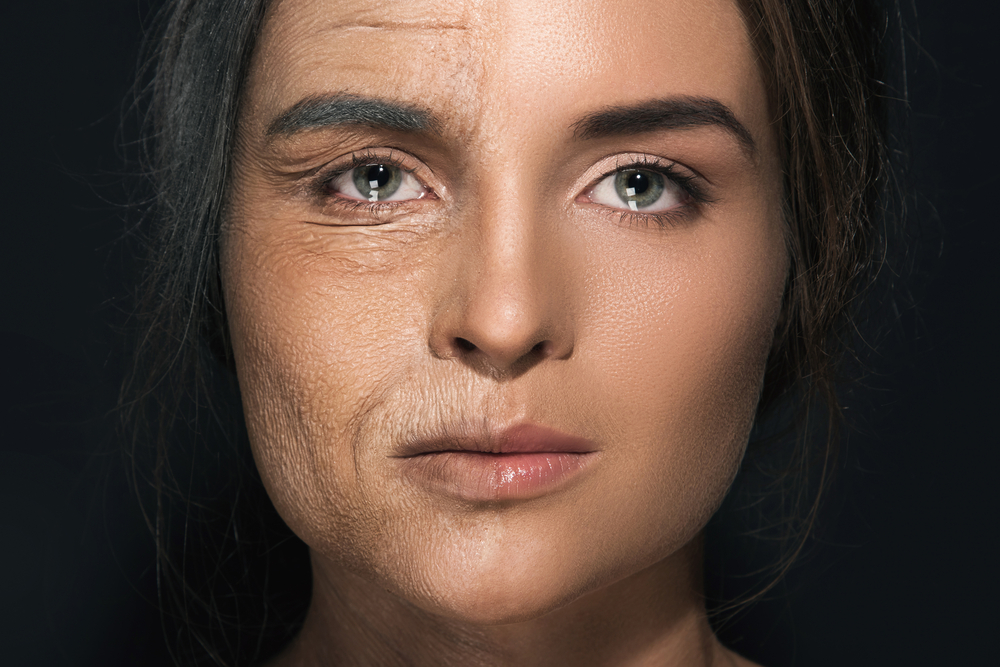
Looking Beyond the Birthday Candle
Chronological age is straightforward because it simply measures how many years have passed since birth. Biological age, however, attempts to estimate how well the body’s systems are functioning compared with what would normally be expected at that point in life. Two people who share the same birthday may have bodies that function quite differently, depending on genetics, lifestyle, environmental exposures, sleep quality, stress, nutrition, and many other influences accumulated over time.
Scientists estimate biological age using combinations of blood biomarkers, metabolic measurements, and other indicators that reflect how different organs and systems are performing. These measurements are combined into statistical models that provide a picture of whether the body appears biologically younger or older than its chronological age. Although these tools continue to improve, researchers emphasize that they are designed to identify patterns across large populations rather than predict an individual’s future with certainty.
This distinction has become increasingly important because biological aging appears to be closely connected with many chronic diseases. Instead of examining one risk factor at a time, such as obesity or smoking, scientists are beginning to explore whether biological age captures the combined effects of many different influences acting throughout a person’s life. That broader perspective could eventually help explain why people with similar lifestyles sometimes experience very different health outcomes.
Rather than replacing traditional medical assessments, biological age offers another way of understanding health. It reminds us that aging is not simply a matter of counting years. It is an ongoing process shaped by countless interactions between our genes, daily choices, and the world around us.

What Researchers Found About Younger Generations
To investigate whether biological aging differs across generations, researchers analyzed health information from more than 150,000 participants enrolled in the UK Biobank, one of the world’s largest long-term health research projects. They compared biological measurements among people born in different decades while accounting for their chronological age, allowing them to examine whether more recent generations appeared biologically older than those who came before them at the same stage of life.
The analysis suggested that individuals born in more recent decades tended to show modestly higher levels of biological aging than older birth cohorts. The same overall pattern also appeared in an independent U.S. research group, strengthening confidence that the observation was not limited to a single population. While the differences were not dramatic for every individual, the trend was consistent enough to attract significant scientific attention.
Researchers also observed that people whose biological age appeared more advanced faced a greater likelihood of developing certain early-onset cancers. The study focused on statistical associations rather than direct cause and effect, meaning the findings cannot prove that faster biological aging causes cancer. Instead, they suggest that accelerated aging may be one piece of a much larger puzzle that scientists are only beginning to understand.
As study leader Dr. Yin Cao explained, the long-term goal is to understand how modern environmental and lifestyle exposures become embedded within our biology. If researchers can identify those changes earlier, they may eventually develop more personalized strategies for disease prevention and earlier detection before illness has the opportunity to develop.
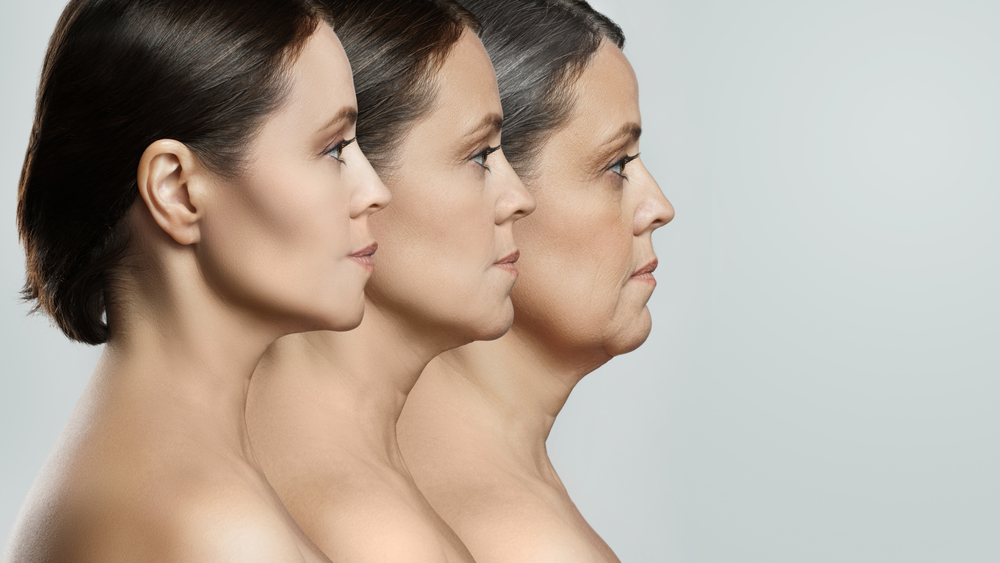
Why Faster Biological Aging Could Increase Cancer Risk
Cancer has traditionally been viewed as a disease that develops later in life because cells accumulate damage over many decades. As people age, the body’s ability to repair that damage gradually declines, increasing the likelihood that abnormal cells can grow unchecked. What makes the recent rise in early-onset cancers so concerning is that many patients are being diagnosed long before those age-related risks were expected to appear.
The researchers believe biological aging may help explain part of this shift. Their analysis found that individuals with a larger gap between their biological age and chronological age faced a higher risk of developing several early-onset cancers, particularly those affecting the lungs, digestive system, and uterus. The association remained even after accounting for inherited genetic risks, suggesting that environmental and lifestyle influences may also play an important role.
The study also examined aging within specific organs rather than looking only at the body as a whole. An immune system that appeared biologically older was linked with a greater likelihood of early-onset lung cancer, while fat tissue showing signs of accelerated aging was associated with a higher risk of colorectal cancer. These findings point toward the possibility that different parts of the body may respond differently to the same environmental pressures.
Although these results do not establish direct cause and effect, they provide researchers with valuable clues about where to look next. Understanding why some organs appear to age faster than others could eventually lead to better screening tools and earlier interventions for people at higher risk.
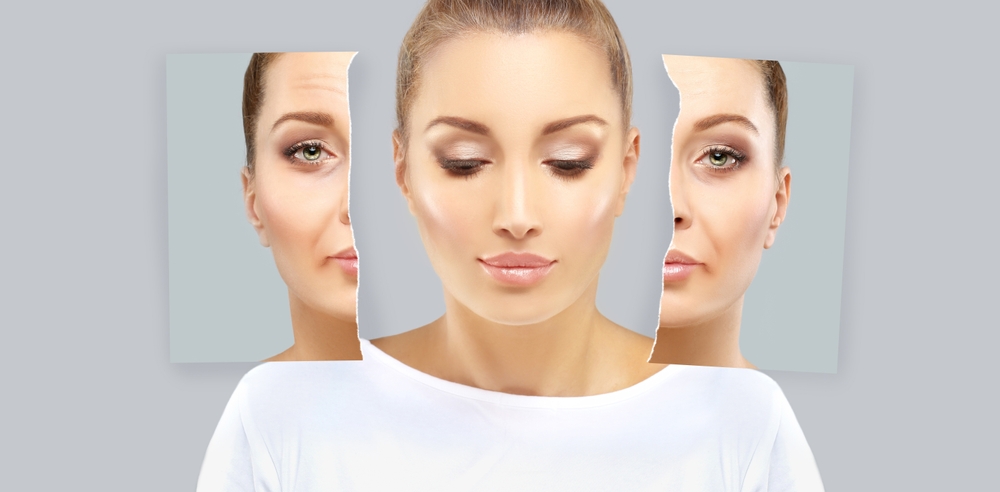
The Modern World Leaves Its Mark
Scientists have not identified a single explanation for accelerated biological aging, and they caution against assuming one factor is responsible. Instead, they suspect that many influences work together over time, gradually leaving biological signatures throughout the body. Diet, physical activity, chronic stress, sleep quality, pollution, alcohol consumption, obesity, and metabolic health have all been linked to aging processes in previous research.
Rather than acting independently, these factors may interact in ways that amplify their effects. A demanding lifestyle combined with poor sleep, limited exercise, and chronic stress could create a biological burden that slowly accumulates over years. Researchers believe this cumulative impact may be more meaningful than focusing on any one habit in isolation.
At the same time, genetics still matters. Some people appear naturally more resilient to environmental stressors, while others may be more vulnerable despite following similar lifestyles. This complexity explains why scientists continue to emphasize that biological aging reflects probabilities across populations rather than predictions for individual people.
Perhaps the most important lesson is that our biology records more than the passage of time. It also reflects the environments we inhabit and the choices available to us, reminding us that health is shaped by both personal behavior and the broader conditions in which we live.
A New Way of Thinking About Prevention
One of the most encouraging aspects of the research is its potential to improve prevention rather than simply explain disease after it appears. If scientists can identify people whose biological aging is accelerating while they are still healthy, doctors may be able to recommend earlier screenings or personalized prevention strategies long before symptoms develop.
Researchers stress that this work remains in its early stages. Biological age tests are still evolving, and more studies involving diverse populations are needed before these measurements become part of routine medical care. Even so, the findings offer an important direction for future research by focusing on the body’s overall health instead of isolated risk factors.
For now, the study serves as another reminder that healthy aging is influenced by countless small decisions made over many years. While no single habit guarantees protection, regular physical activity, nutritious food, quality sleep, stress management, and avoiding tobacco remain among the strongest evidence-based ways to support long-term health.
Our birthdays will always tell us how long we’ve been alive. Biological age asks a deeper question about how well we’re living those years. As scientists continue exploring that hidden clock, the hope is not simply to measure aging more accurately, but to understand how people can enjoy healthier lives for longer, regardless of the number printed on their birth certificate.
Sources:
- Tian, R., Zong, X., Ren, D., Tica, S., Hong, D., Oduyale, O., Buenrostro, J. D., Govindan, R., & Cao, Y. (2026). Biological aging and generational shifts in early-onset cancer risk. Nature Medicine. https://doi.org/10.1038/s41591-026-04448-w
- Strait, J. E., & Strait, J. E. (2026, June 22). Faster aging in younger generations linked to rise in early-onset cancer. WashU Medicine. https://medicine.washu.edu/news/faster-aging-in-younger-generations-linked-to-rise-in-early-onset-cancer/